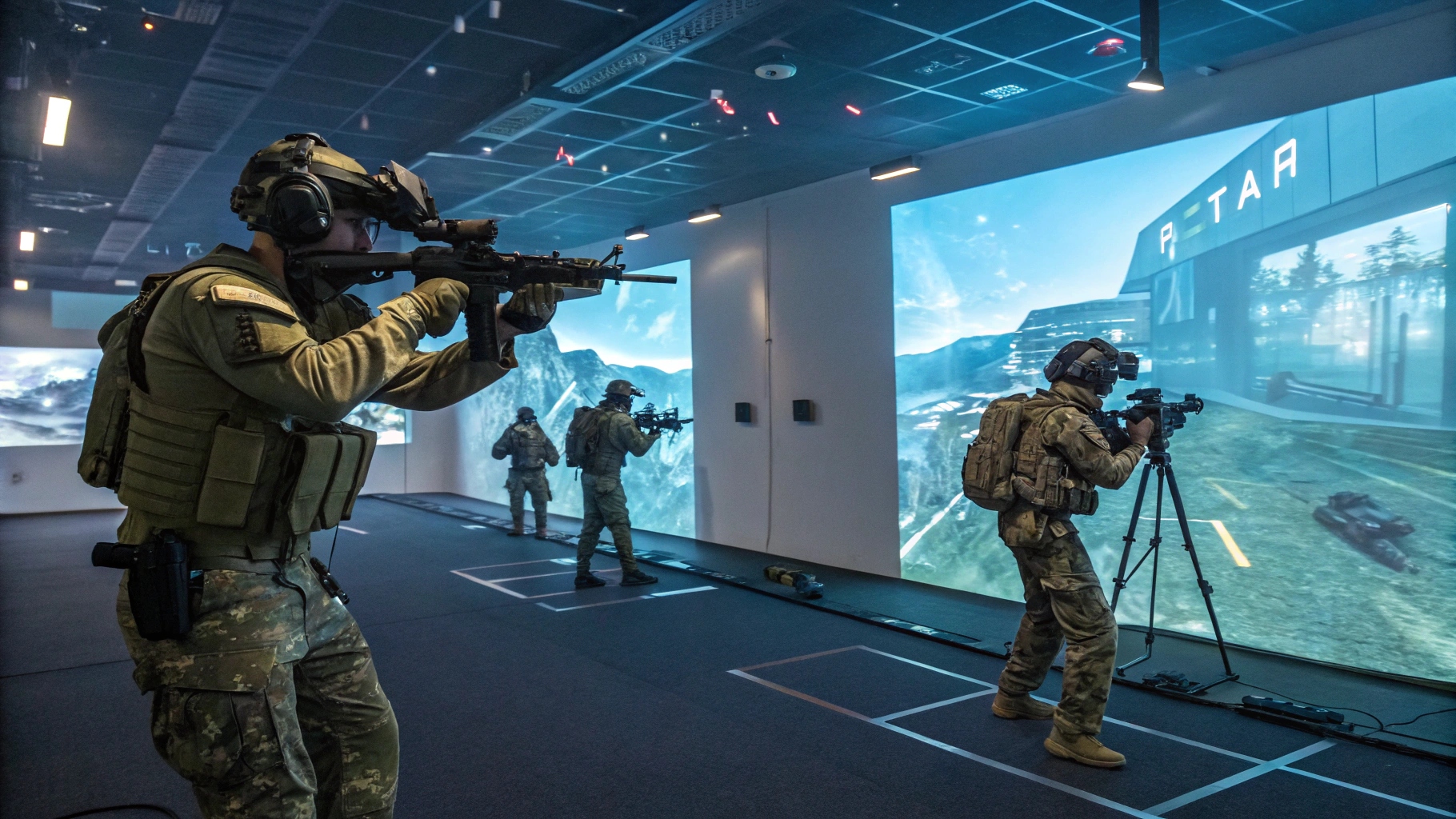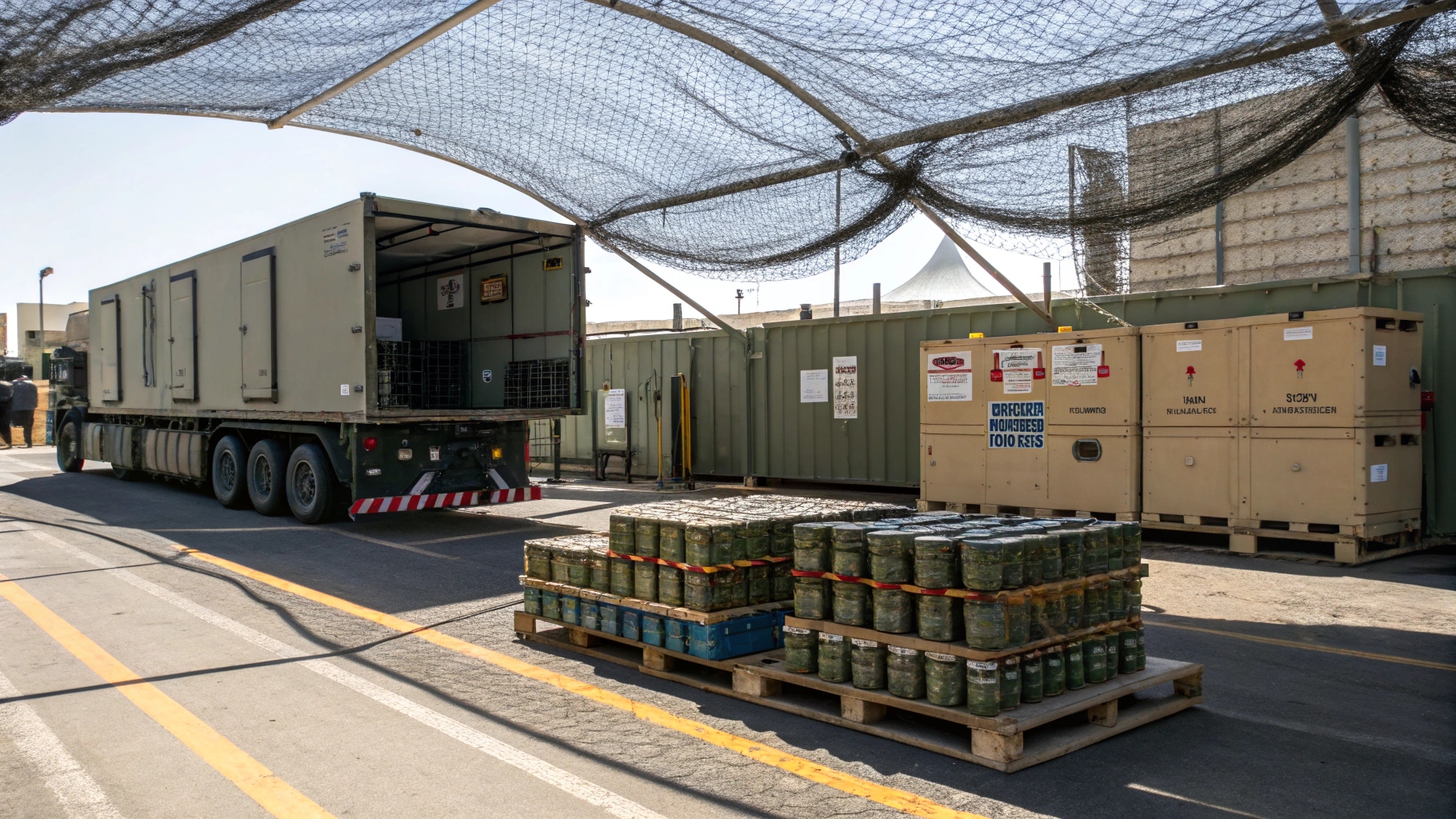

The Armed Forces of the Philippines (AFP) are conducting large-scale territorial defence exercises to strengthen security around the strategically important Luzon Strait through the deployment of naval forces, air-defence systems and BrahMos coastal anti-ship missile capabilities.
The activities are part of the AFP’s annual Dagit, Langit at Lupa exercise, translated from Tagalog as “Sea, Air and Land”. The exercise commenced earlier this month across the Philippine archipelago and is scheduled to conclude on Friday.
Unlike previous editions, this year’s drills involve the operational deployment of major territorial defence assets, including ground-based anti-ship missile systems and air-defence platforms in strategically important locations. The exercise reflects Manila’s growing focus on preparing for potential regional security contingencies, particularly the possibility of a Taiwan Strait conflict affecting the northern Philippines.
Luzon Strait Emerges as a Strategic Defence Priority
Northern Luzon has emerged as a central operational focus of the exercise. Alongside military activities in the South China Sea and around Palawan, where tensions with China remain a major concern, the Philippines has positioned some of its most capable military assets along its northern approaches.
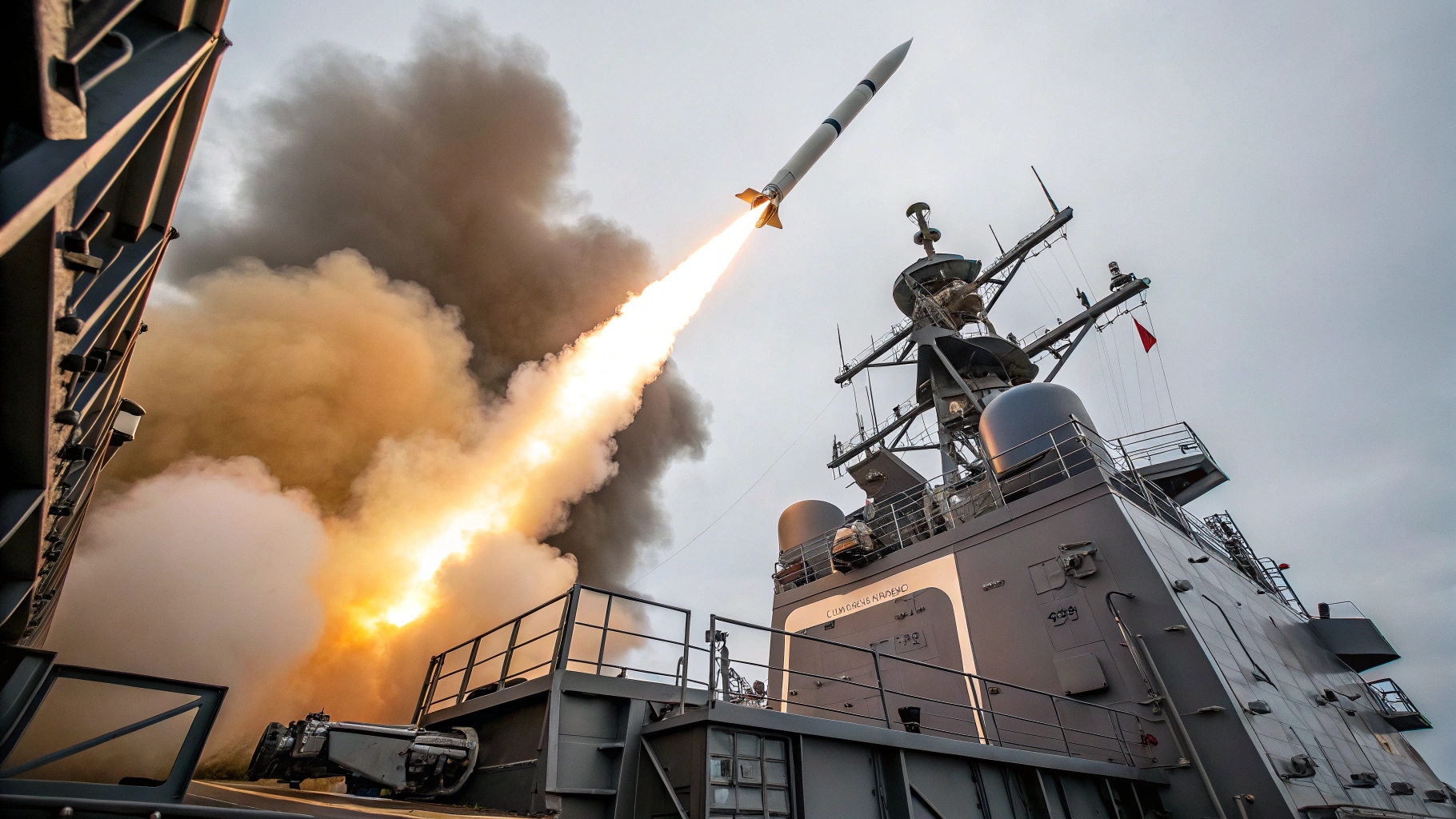
A major development has been the deployment of a Philippine Marine Corps Coastal Defence Regiment’s BrahMos shore-based anti-ship missile battery during a joint maritime strike exercise. Although Philippine forces previously rehearsed the use of the Indian-developed supersonic missile system during Balikatan 2026, this represents the first confirmed field deployment of the capability in an operational exercise.
The Luzon Strait holds considerable strategic importance as a maritime passage connecting northern Luzon with Taiwan. Its geographical position makes it a critical corridor in any potential regional conflict. Growing concerns over a cross-strait military confrontation have encouraged Manila to strengthen its deterrence posture across the Batanes island chain, situated between Taiwan and the main Philippine islands.
Military cooperation with the United States has increasingly focused on this strategic region. Recent bilateral exercises have involved the deployment of American missile units, Marine Corps reconnaissance and surveillance teams, and unmanned surface vessels operating from northern Philippine territory. These activities aim to improve maritime domain awareness and strengthen area-denial capabilities along strategically important sea routes.
Expanding BrahMos Coastal Defence Capabilities
The Philippines is also investing in expanding its long-term military infrastructure across Northern Luzon. Construction and development activities are underway at a Marine Corps installation expected to accommodate BrahMos missile systems in the future, strengthening the country’s broader coastal defence network.
Cooperation with the United States is also influencing the development of Philippine maritime strike capabilities. Through the Archipelagic Coastal Defence Continuum series of exercises, forward-deployed US Marines are working alongside Philippine forces to improve targeting procedures, command-and-control coordination and maritime strike planning involving the BrahMos system.
One exercise conducted in Northern Luzon earlier this year reportedly involved a simulated targeting scenario against a People’s Liberation Army Navy (PLAN) surface action group using Philippine BrahMos missile systems. The activity demonstrated the growing emphasis on developing integrated anti-access and area-denial (A2/AD) capabilities.
The increased focus on maritime strike operations follows recent Chinese naval movements near Philippine waters. Last month, the Chinese aircraft carrier Liaoning, accompanied by its escort vessels, transited through waters surrounding the Philippine archipelago during regional operations and exercises. Philippine authorities closely monitored the deployment.
AFP Chief of Staff Gen. Antonio Nafarrete has also indicated that the military intends to expand its missile inventory as part of a wider territorial defence modernisation programme. The objective is to strengthen the ability of Philippine forces to hold potentially hostile naval formations at risk within and around the country’s maritime approaches.
Integrated Air, Coastal and Amphibious Defence Operations
The exercise extends beyond anti-ship missile deployments, incorporating coordinated air-defence and amphibious warfare scenarios.
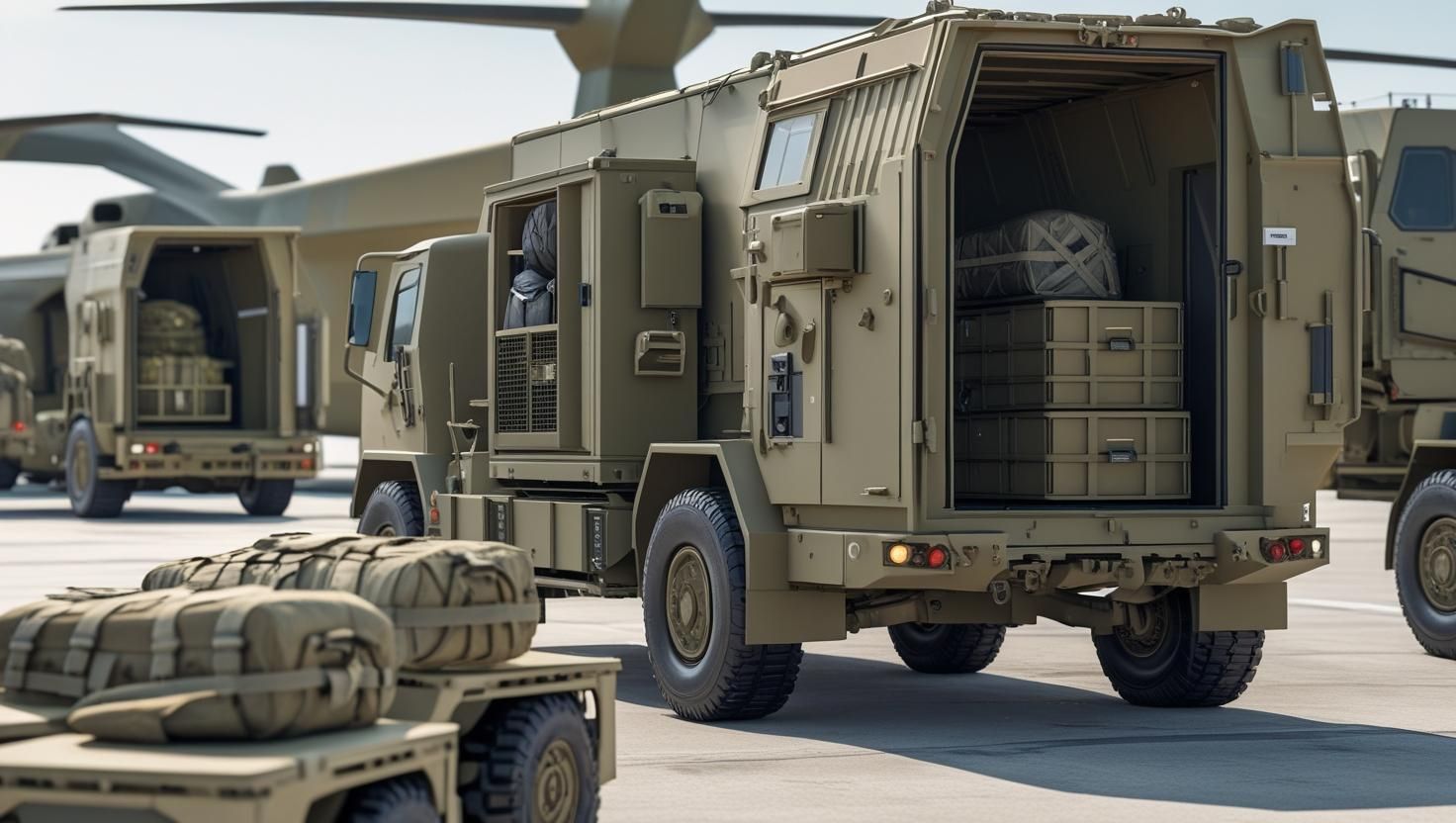
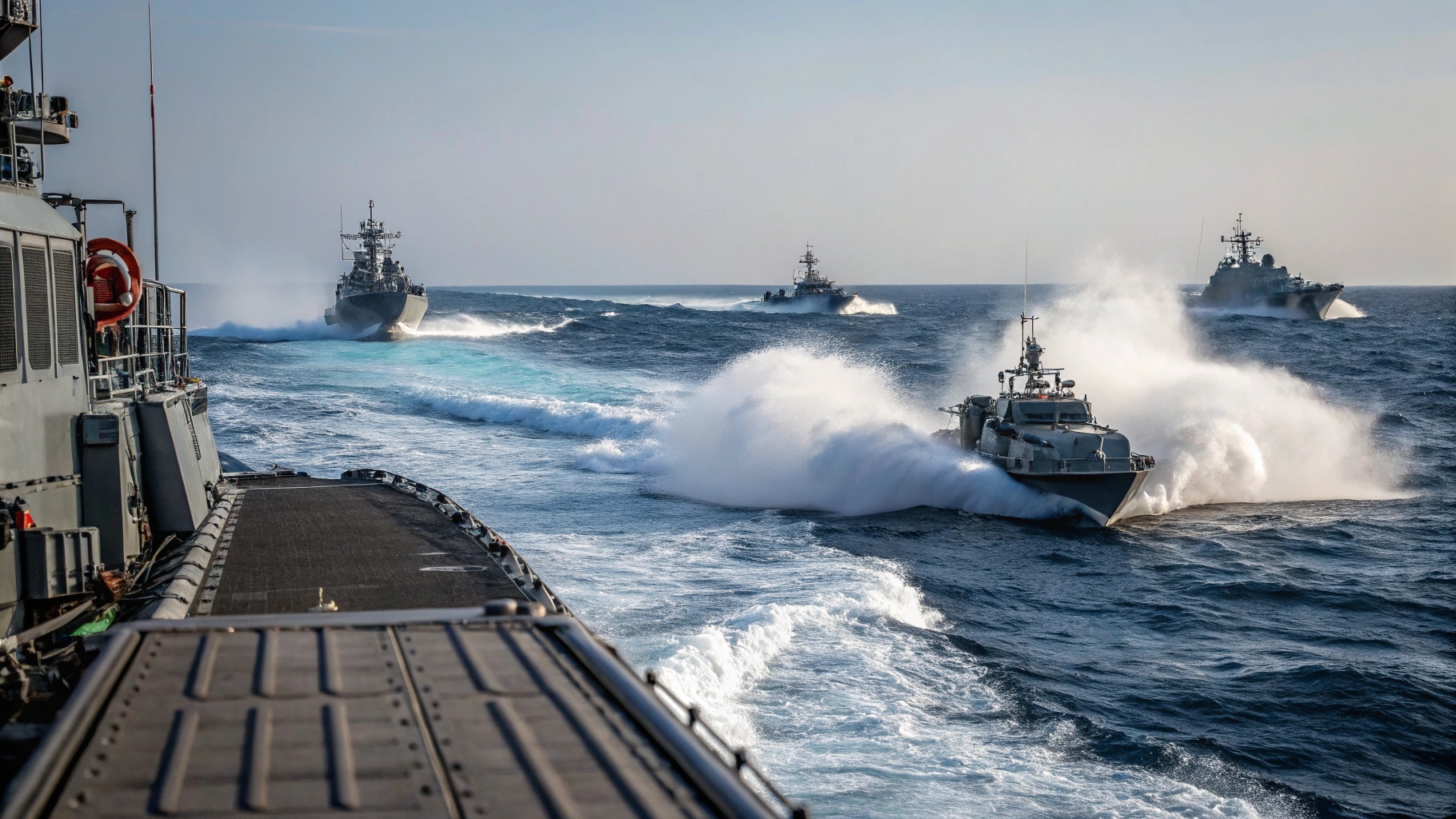
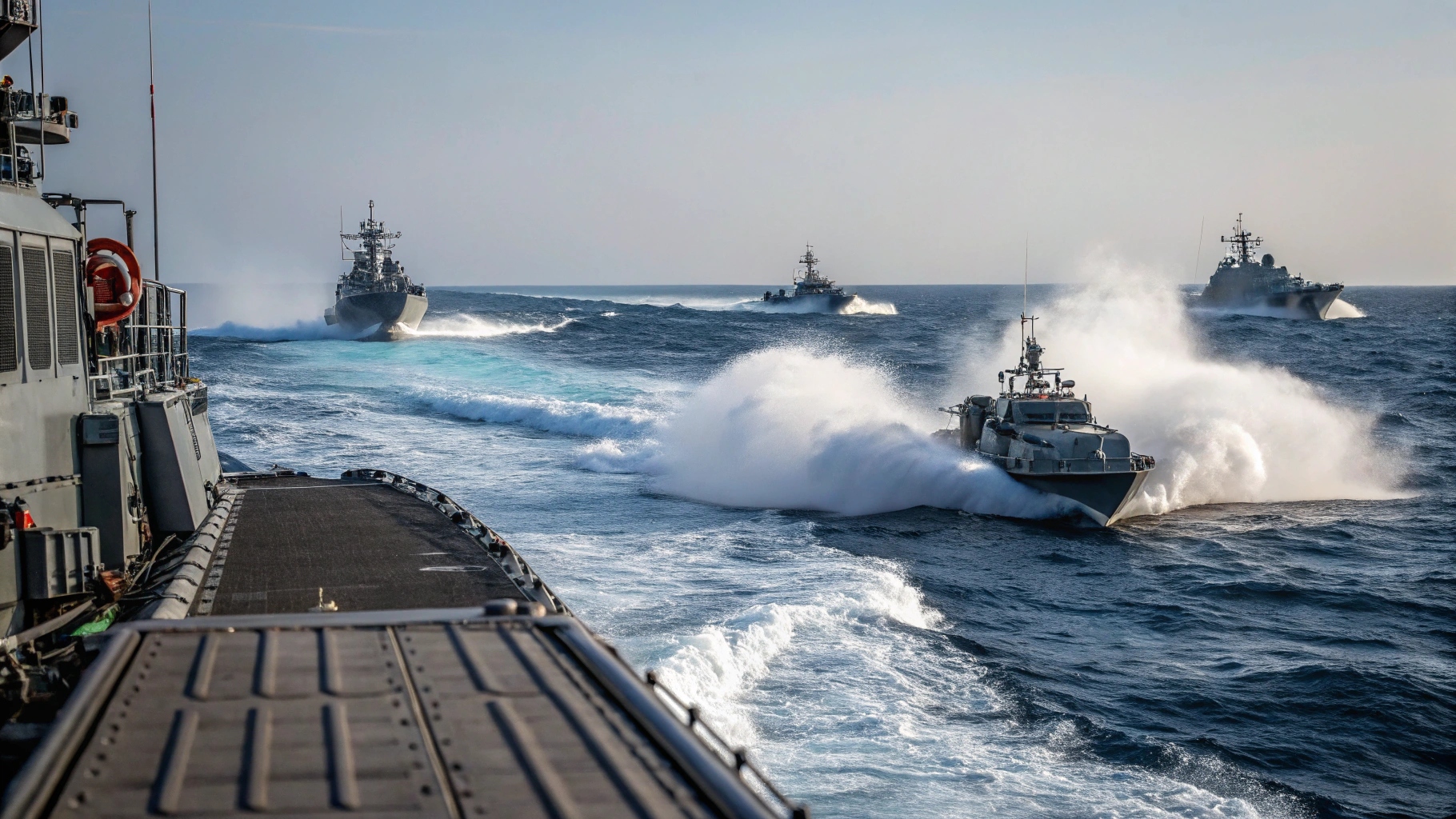
A Philippine Navy transport vessel carried Philippine Air Force surface-to-air missile systems to Northern Luzon, accompanied by a frigate that rehearsed protecting the transport platform against a simulated aerial attack. Following its arrival, the air-defence assets were deployed at a Marine Corps installation in Northern Luzon to strengthen protection around critical military infrastructure.
Meanwhile, Philippine Army units conducted coastal defence drills at selected beaches across Northern Luzon, practising responses to potential amphibious incursions and other maritime threats.
On Fuga Island, special operations forces carried out an amphibious landing and territory-securing exercise designed to reinforce military control over strategically significant terrain overlooking the Luzon Strait.
Strengthening the Philippines’ Territorial Defence Strategy
Collectively, the activities demonstrate Manila’s accelerating efforts to develop a layered territorial defence architecture combining coastal missile batteries, naval forces, air-defence systems and ground-based military units.
The growing integration of BrahMos coastal defence systems with maritime surveillance, intelligence-sharing and joint operational planning highlights the Philippines’ changing approach to deterring potential maritime threats.
The exercises also underscore the expanding defence partnership between the Philippines and the United States, particularly in strengthening interoperability and developing capabilities to protect critical maritime corridors.
As strategic competition intensifies across the Western Pacific, the AFP’s latest drills reflect a broader shift towards distributed coastal defence, integrated multi-domain operations and enhanced anti-access and area-denial capabilities to safeguard Philippine territorial interests.