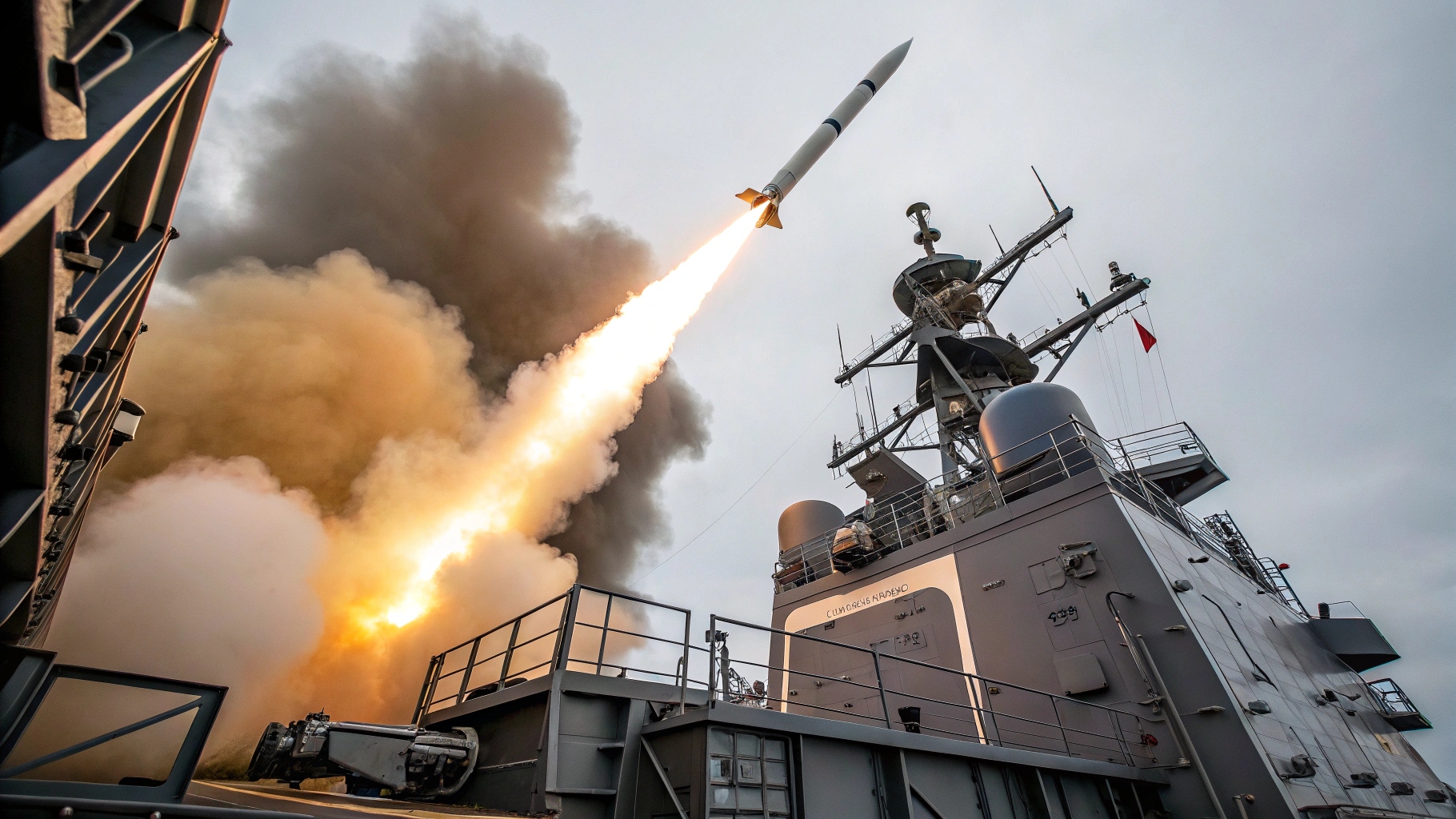

Lithuania has strengthened air defense around its capital by deploying a NASAMS air-defense system near Vilnius, replacing the RBS 70 short-range system previously assigned to protect the city.
According to Chief of Defence Gen. Raimundas Vaikšnoras, the NASAMS system delivers superior range, speed, and accuracy, providing Lithuania with enhanced protection against modern aerial threats.
The decision follows several incidents involving drones entering or approaching NATO airspace in the Baltic region. Lithuania experienced its latest such incident in May, while a NATO fighter jet flying from Šiauliai Air Base recently intercepted a drone over Latvia.
Lithuania currently has two NASAMS batteries in service, with a third battery scheduled for delivery in 2028.
Broader Defense Modernization
The NASAMS deployment represents another step in Lithuania’s broader campaign to strengthen national security and prepare for potential Russian threats.
As a NATO frontline state bordering Russia and Belarus, Lithuania has increased investments in military capabilities and the protection of critical infrastructure.
In July, Vilnius deployed as many as 30 military personnel to assist in safeguarding important energy facilities. The move followed warnings from President Gitanas Nausėda that Russia could target Lithuania’s transport and energy networks through acts of sabotage.
Lithuania’s expanding defense budget is providing further momentum for military modernization. The country allocated 4.7 billion euros ($5.4 billion) to defense this year, accounting for more than 5 percent of GDP and marking a 41-percent increase from the 2025 level.
Part of the investment will be directed toward additional NASAMS systems, Piorun missiles, mobile short-range air-defense platforms, medium-range radar systems, and counter-drone detection and response equipment.
Meanwhile, Lithuania is also reconsidering the legal framework governing its participation in NATO’s wider deterrence posture. Earlier this year, the government proposed ending the constitutional restriction on the stationing of nuclear weapons, stating that the country should be more fully incorporated into NATO’s nuclear deterrence strategy.