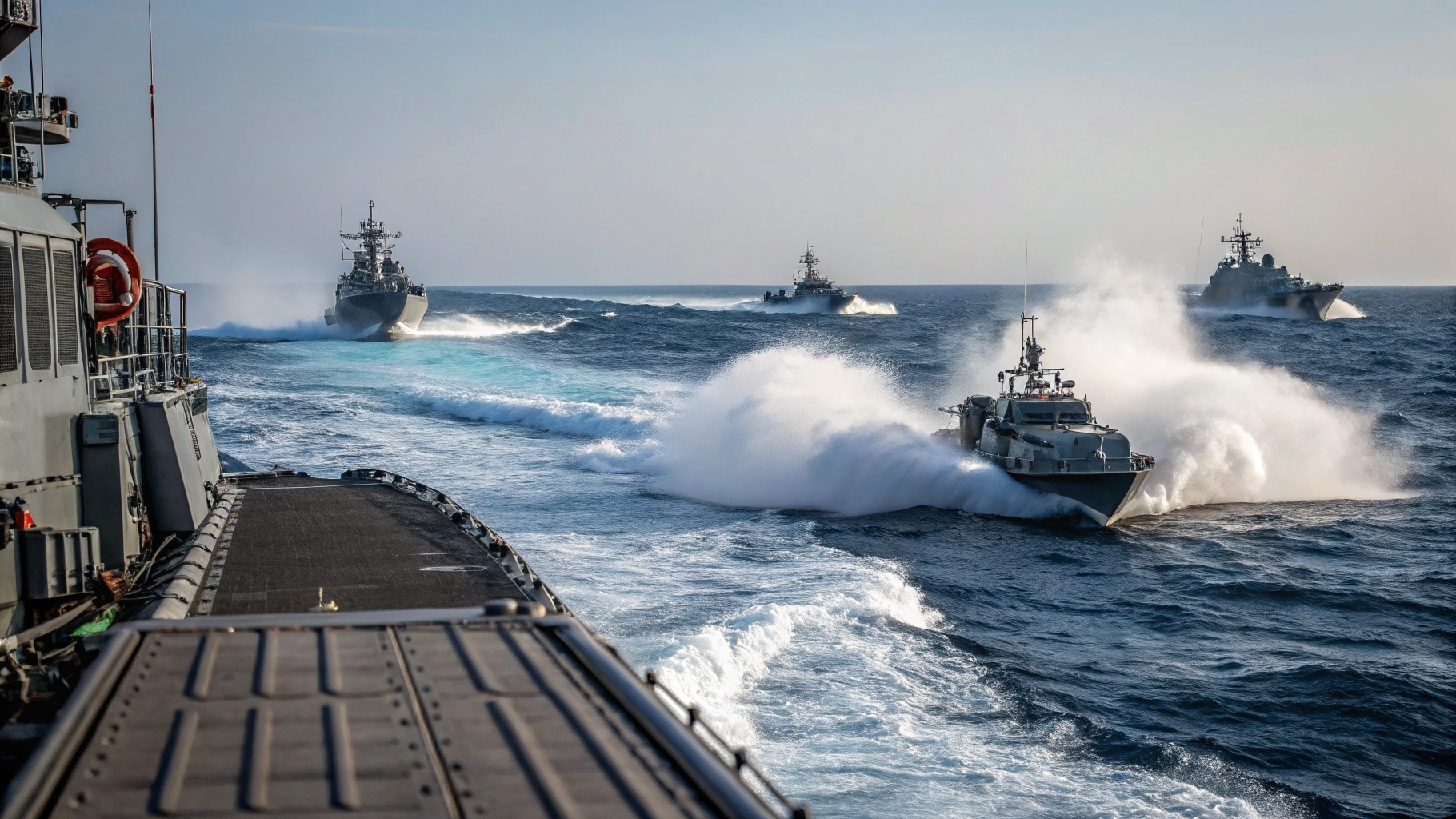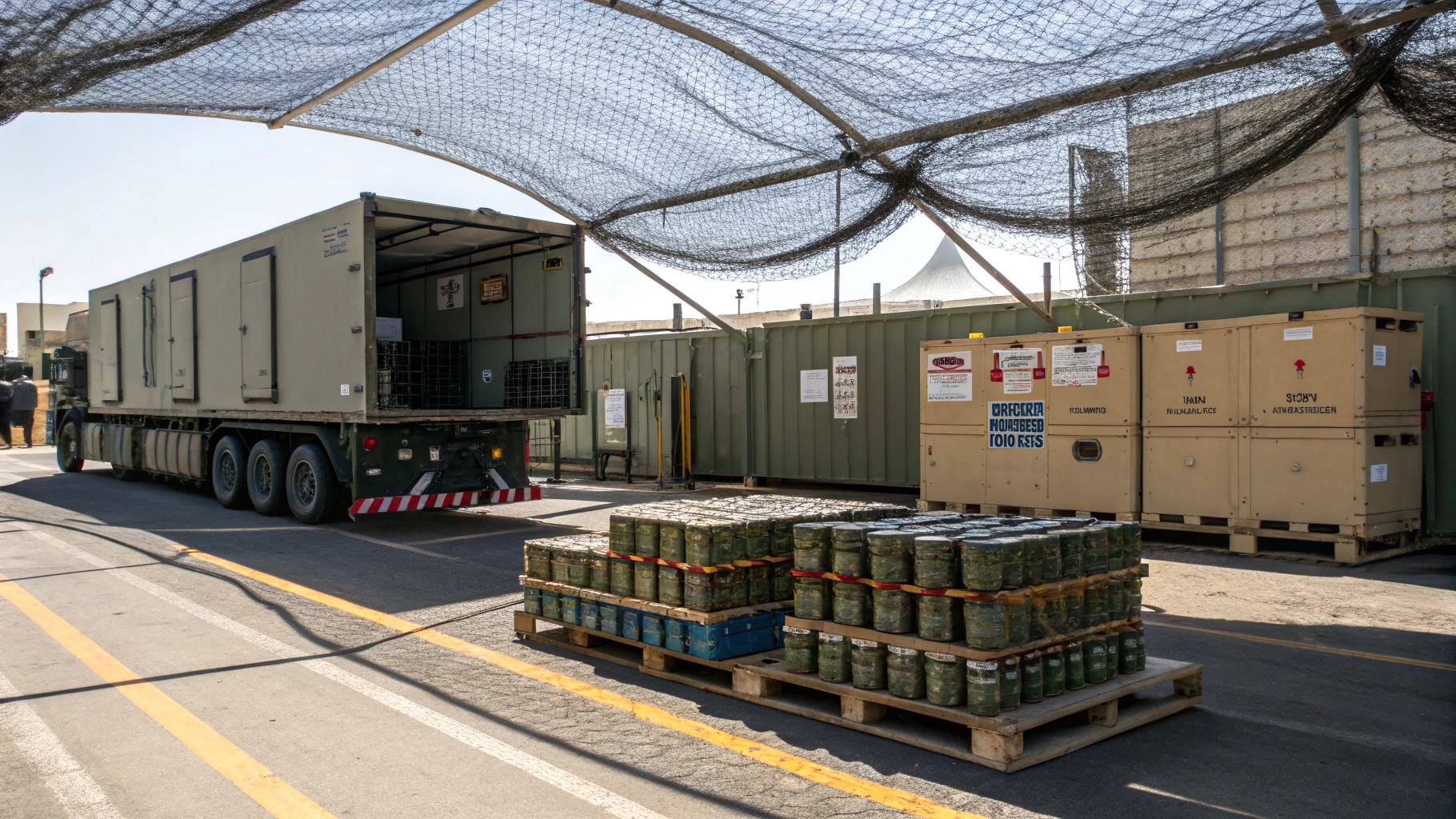

The Indian Navy is set to commission two new vessels, INS Samarthak and INS Mangrol, this month, strengthening indigenous weapons testing capabilities and enhancing anti-submarine warfare operations in India’s coastal waters, The New Indian Express reported.
The inductions come amid growing underwater activity across the Indian Ocean Region and Pakistan’s continued expansion of its submarine fleet through the acquisition of eight Chinese-origin Hangor-class submarines. Pakistan recently conducted an anti-ship cruise missile firing from PNS Hangor, highlighting the importance it places on submarines as a sea-denial capability against India.
Against this backdrop, the Indian Navy is accelerating efforts to strengthen its anti-submarine warfare and broader undersea combat capabilities. Former Navy Chief Admiral Dinesh K. Tripathi had identified anti-submarine and underwater warfare as key operational priorities, while Defence Minister Rajnath Singh has emphasized the need for India to maintain military preparedness before a crisis emerges.
INS Samarthak Strengthens Indigenous Weapons Testing
Built by Larsen & Toubro, INS Samarthak is the Indian Navy’s first Multi-Purpose Vessel and the lead ship of a two-vessel class. The platform has primarily been designed as a dedicated trials and evaluation ship, allowing the Navy to test indigenous weapons, sensors, and anti-submarine warfare systems without taking frontline combat vessels away from operational duties.
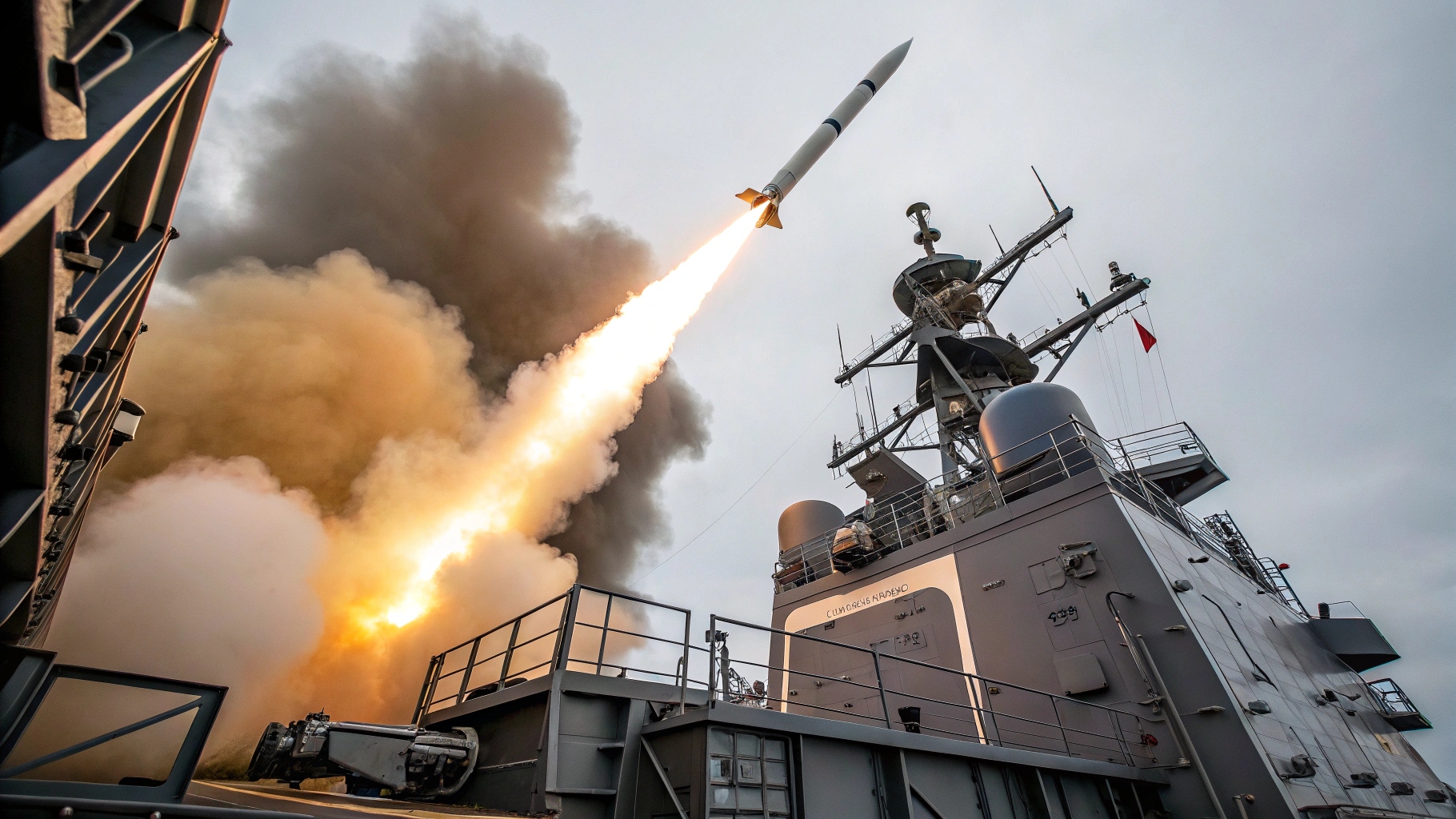
Samarthak will support trials involving torpedoes and other underwater weapons under development. It will also be capable of deploying and recovering targets during anti-submarine warfare exercises and supporting testing of unmanned systems.
By performing these specialized tasks, the vessel will allow operational warships to remain focused on combat readiness, maritime security, and deterrence missions.
Beyond its weapons-testing role, Samarthak is designed to perform maritime surveillance, offshore patrols, humanitarian assistance and disaster relief missions, pollution-response operations, and other support activities across India’s maritime domain.
The vessel also reflects India’s broader push for self-reliance in naval technology and defence manufacturing. With a high level of indigenous content, Samarthak has been conceived as a flexible support platform capable of performing multiple roles for the Indian Navy.
INS Mangrol Boosts Coastal Anti-Submarine Warfare
INS Mangrol is the third vessel of the Mahe-class Anti-Submarine Warfare Shallow Water Craft being constructed by Cochin Shipyard Limited. Its commissioning will bring the number of vessels inducted from the planned 16-ship class to seven.
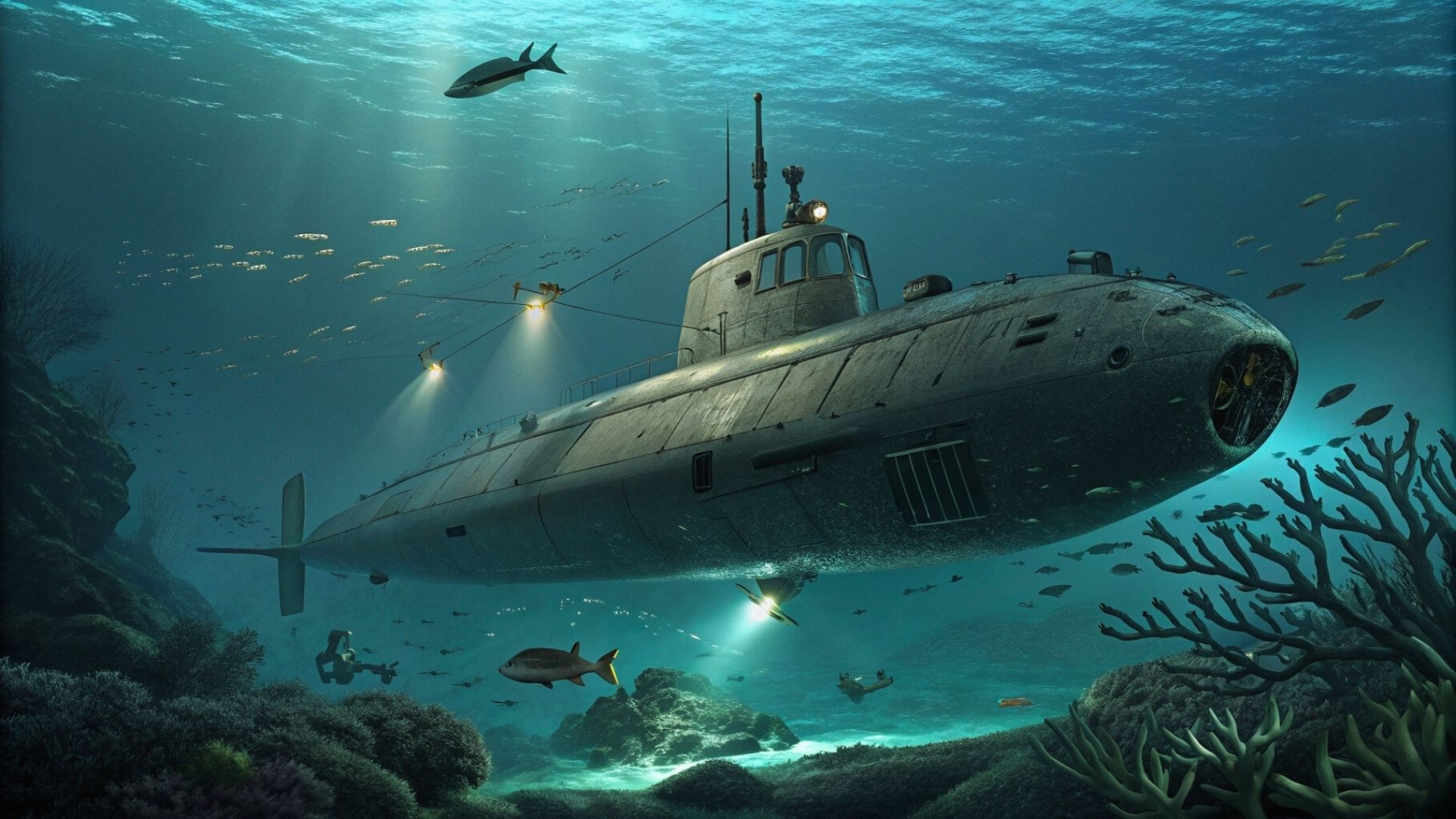
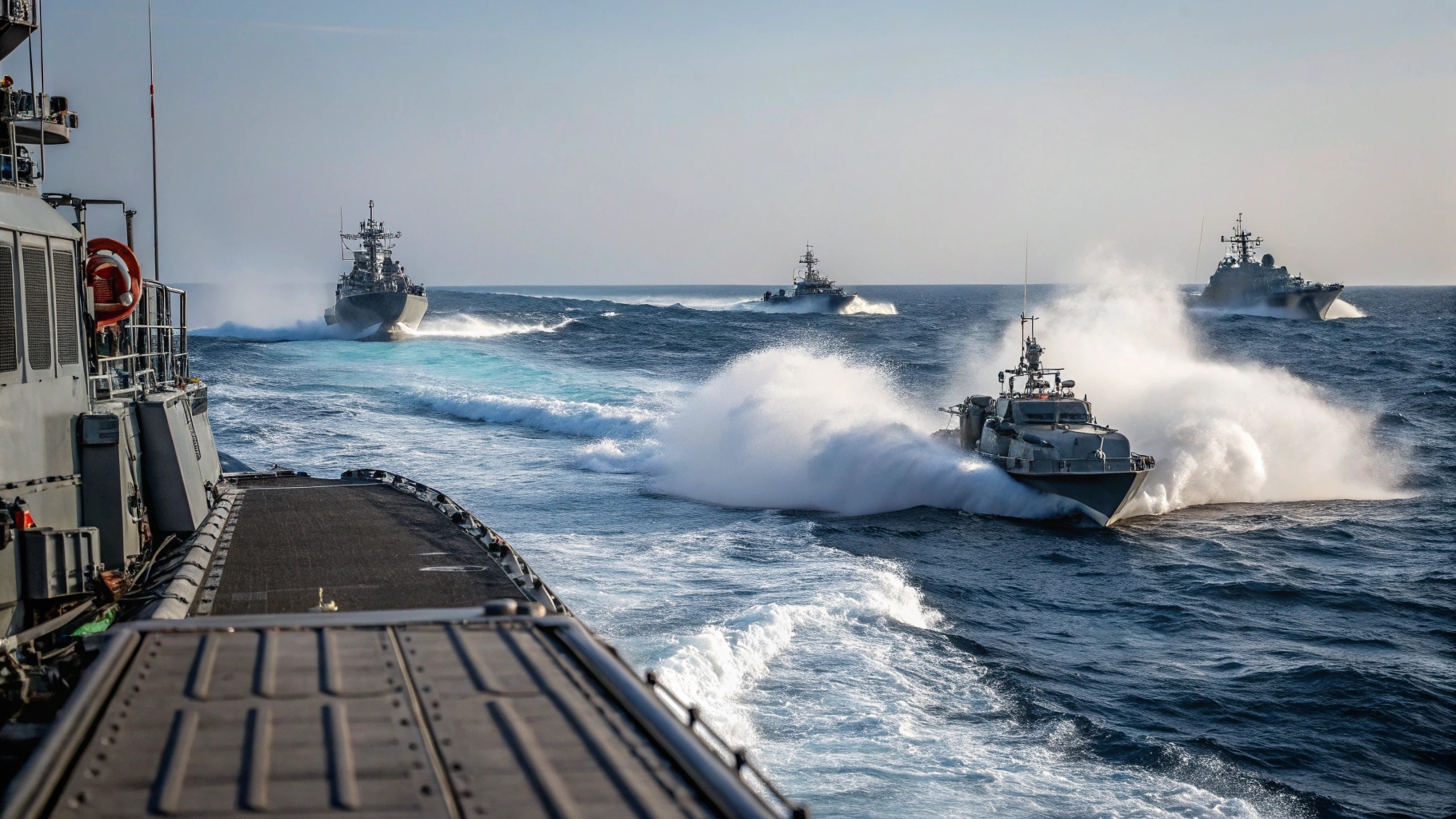
The vessel has been specifically designed to detect, track, and engage hostile submarines operating in coastal and littoral waters. Its equipment includes indigenous underwater sensors, lightweight torpedoes, anti-submarine rocket systems, and torpedo decoy launchers. Mangrol also has mine-laying capabilities, further increasing its operational flexibility.
The induction is expected to strengthen the protection of high-value naval and commercial assets operating along India’s coastline. It also comes as regional submarine activity increases, particularly with China supplying advanced underwater platforms to several countries in India’s neighbourhood.
India Works to Close Submarine AIP Capability Gap
Despite improvements in coastal anti-submarine capabilities, India continues to face a capability gap in Air Independent Propulsion (AIP). Pakistan’s Hangor-class submarines are equipped with AIP technology, allowing them to remain submerged for longer periods while reducing their exposure to detection.
India is working to address this gap through future submarine programs and upgrades. The six submarines planned under Project-75I are expected to incorporate AIP systems from the beginning. The vessels are planned to be constructed by Mazagon Dock Shipbuilders in partnership with Germany’s ThyssenKrupp Marine Systems.
However, Project-75I is still awaiting approval from the Cabinet Committee on Security, and the first submarine is expected to enter service several years after the contract is signed.
In the interim, INS Khanderi, the second Kalvari-class submarine, is scheduled to become the first Indian Navy submarine to receive the Defence Research and Development Organisation’s indigenous fuel-cell-based AIP system. Following installation and trials, the upgraded submarine is expected to enter operational service around mid-2028.
Broader Indian Naval Modernisation
The commissioning of Samarthak and Mangrol forms part of a wider Indian Navy modernisation program. The service is targeting the induction of 18 warships during the year, potentially representing one of the largest annual expansions of the fleet.
The Defence Acquisition Council has also granted in-principle approval for 74 additional naval platforms, including nine submarines, indicating continued investment in India’s maritime capabilities.
Meanwhile, the Navy continues to monitor Chinese research vessels operating across the Indian Ocean Region. These vessels routinely conduct hydrographic, oceanographic, and seabed-mapping activities that could potentially generate information relevant to future submarine operations and underwater military activities.
India currently operates approximately 145 warships and aims to expand its fleet to around 200 vessels over the next decade. Under Chief of the Naval Staff Admiral Krishna Swaminathan, the Navy continues to focus on fleet modernisation, indigenous capability development, and strengthening operational readiness across the maritime domain.
The induction of INS Samarthak and INS Mangrol therefore represents more than an expansion of the fleet. Together, the vessels strengthen two critical areas—indigenous naval weapons development and coastal anti-submarine warfare—while supporting India’s broader objective of building a more capable and self-reliant maritime force.