Germany and the Netherlands have placed an order for 69 additional Schakal wheeled infantry fighting vehicles (IFVs) under their joint European defence procurement programme, increasing their planned combined fleet to 291 units.
The Organisation for Joint Armament Cooperation (OCCAR) has awarded the contract to Artec, a joint venture between Rheinmetall and KNDS Deutschland. The order includes 35 vehicles for the German Bundeswehr and 34 for the Royal Netherlands Army.
According to Rheinmetall, the two additional orders have a combined value in the mid-three-digit million-euro range. Deliveries are expected to take place between May 2032 and November 2033.
The initial contract, awarded in October 2025, covered 222 vehicles and included options for up to 200 additional units. Following the latest order, the total number of Schakal vehicles procured under the programme has increased to 291.
Schakal: Combining Boxer Mobility With Puma Firepower
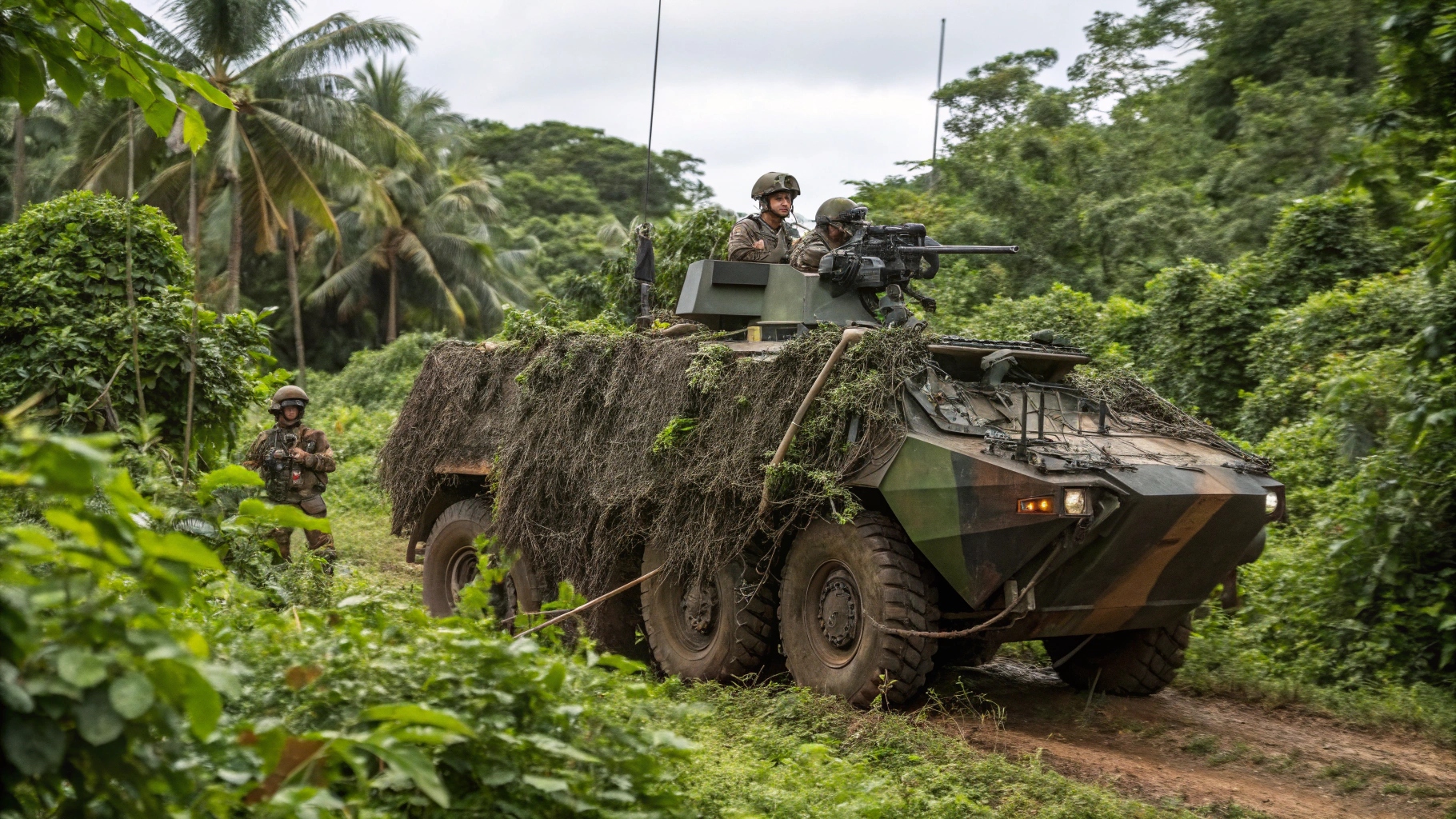
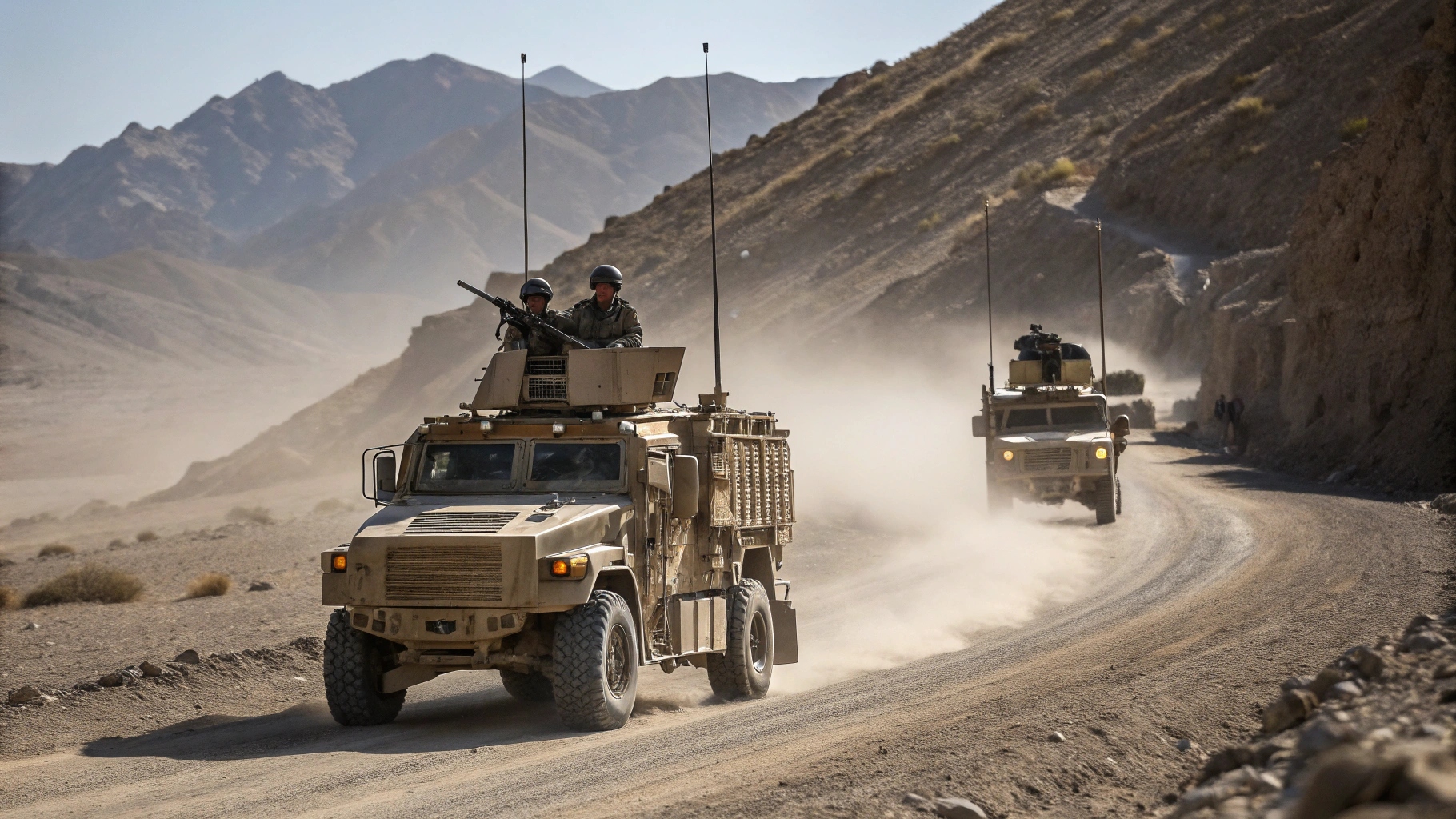
The Schakal is an 8×8 wheeled infantry fighting vehicle that integrates the chassis of the Boxer armoured vehicle with the turret of the tracked Puma IFV. The combination is designed to provide medium-weight military formations with the operational mobility of a wheeled platform while retaining the firepower and protection associated with modern infantry fighting vehicles.
Its 8×8 drivetrain enables high mobility across extended distances, while the modular Boxer architecture supports different operational configurations and mission requirements.
The vehicle’s primary armament consists of Rheinmetall’s MK 30-2/ABM 30mm automatic cannon, supported by MELLS anti-tank guided missiles. It also incorporates digital networking capabilities and advanced fire-control systems to improve battlefield awareness and engagement effectiveness.
According to Rheinmetall, the Schakal can accommodate a fully equipped infantry squad, enabling it to support mechanised infantry operations.
The use of the common Boxer vehicle family is also expected to strengthen interoperability between German and Dutch forces. Shared vehicle architecture will facilitate common training, logistics, maintenance and support arrangements, potentially reducing operational and lifecycle costs for both armed forces.