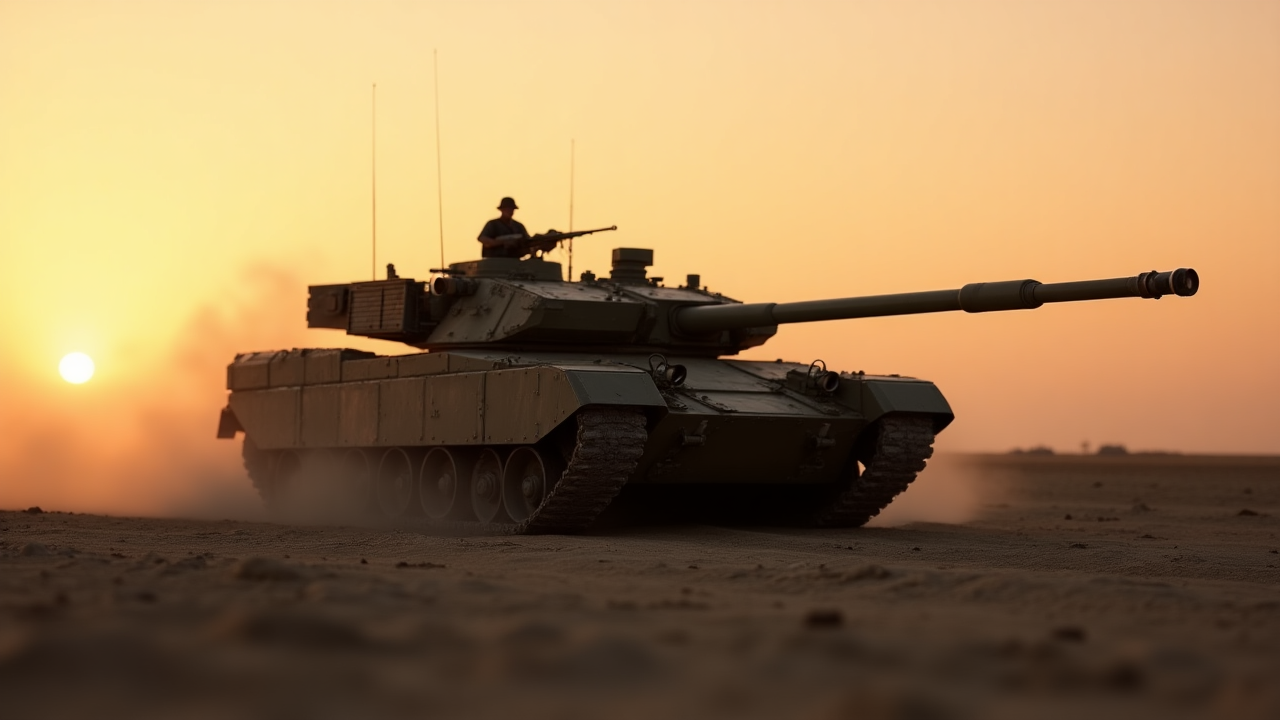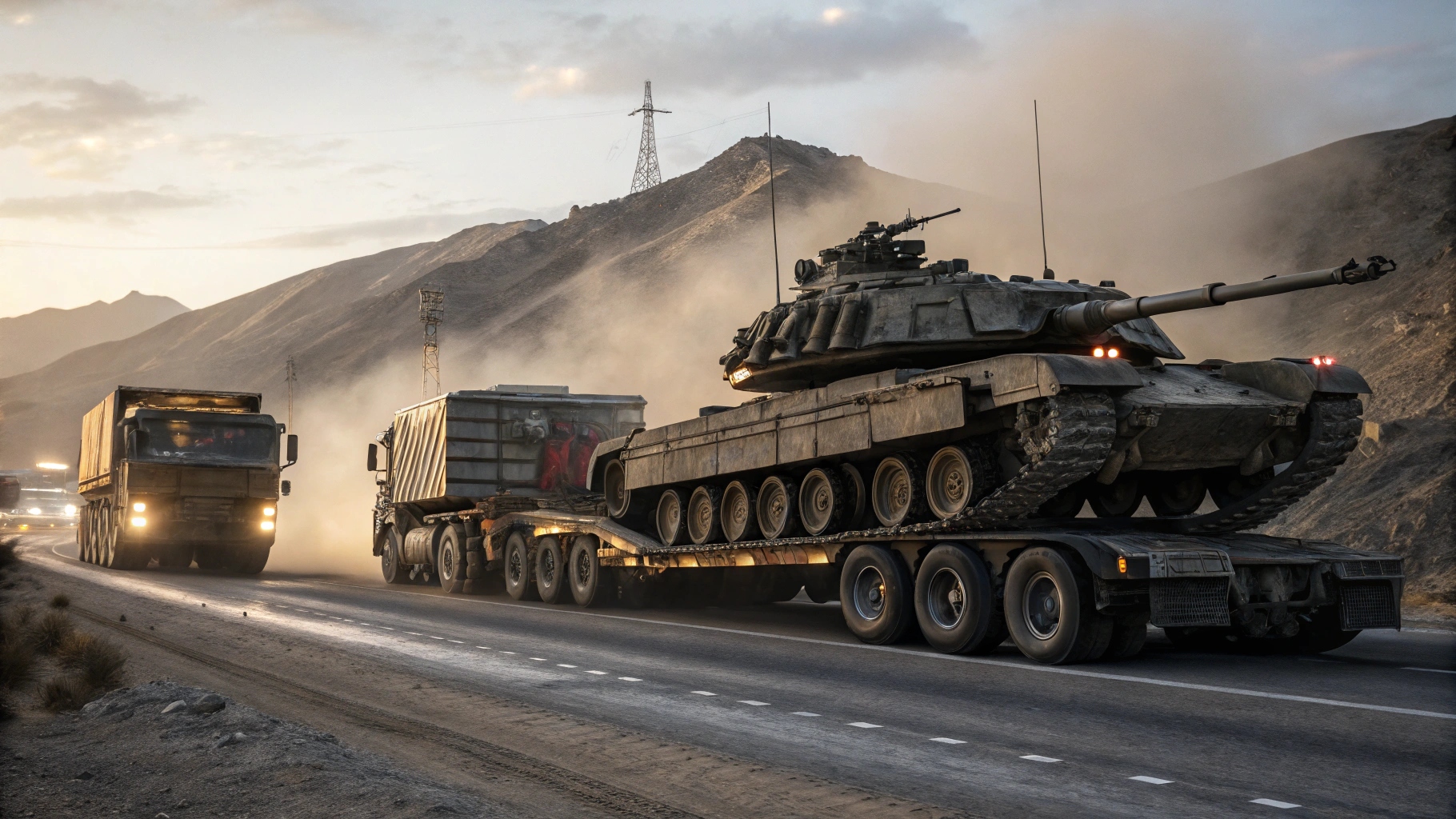

India’s next-generation Future Ready Combat Vehicle (FRCV) programme is expected to gain a major survivability enhancement after the Defence Metallurgical Research Laboratory (DMRL) revealed that it is developing advanced armour technologies capable of resisting far more powerful kinetic energy threats than current Indian tanks are designed to withstand.
DMRL recently disclosed that its scientists are working on new armour solutions intended to protect the FRCV against modern Fin Stabilized Armour Piercing Discarding Sabot (FSAPDS) rounds with penetration capabilities ranging from 600 mm to 800 mm. This would represent a major advancement over existing Indian main battle tank protection levels, which are currently estimated to defend against approximately 500–550 mm class penetrators.
The development highlights India’s effort to prepare the FRCV for future high-intensity warfare scenarios where next-generation armour-piercing ammunition is evolving rapidly. Modern kinetic energy penetrators employing tungsten or depleted uranium long-rod projectiles are increasingly capable of defeating traditional steel and composite armour systems at extremely high impact velocities.
The FRCV programme is intended to eventually replace a significant portion of the Indian Army’s aging T-72 fleet while complementing upgraded T-90 and Arjun tanks. Unlike previous Indian tank programmes, the FRCV is being designed as a modular, highly survivable, and technologically adaptable platform capable of remaining relevant for decades.
To achieve the required protection levels, DMRL is believed to be pursuing a combination of advanced composite armour, nano-engineered materials, ceramic protection technologies, explosive reactive armour, and lightweight high-hardness metallic alloys. The challenge lies in delivering substantially improved survivability without dramatically increasing the vehicle’s weight.
Defending against 600–800 mm class FSAPDS threats is considered especially difficult because modern long-rod penetrators are designed to punch through conventional armour using extremely high kinetic energy. Modern protection systems therefore require layered armour architectures capable of destabilizing or degrading the penetrator before it reaches the crew compartment.
The programme carries significant strategic implications as regional adversaries continue upgrading their armoured capabilities. China’s advanced Type-99A and Type-15 tanks, as well as Pakistan’s VT-4 and upgraded Al-Khalid variants, are expected to field increasingly capable kinetic energy ammunition in future conflicts.
DMRL’s work indicates that India is seeking to close the survivability gap with next-generation armoured vehicle programmes currently being developed in major military powers such as the US, Germany, Russia, and South Korea. Modern armoured warfare concepts now increasingly emphasize integrated survivability systems combining passive armour, active protection systems, reduced battlefield signatures, and networked battlefield awareness.
The new armour technologies being developed for the FRCV could work alongside India’s growing efforts in active protection systems designed to intercept incoming anti-tank missiles and kinetic threats before impact. Combining passive and active defensive systems is now widely viewed as critical for future tank survivability.
A major engineering challenge will be balancing protection with operational mobility. Heavier armour typically reduces maneuverability, increases fuel consumption, and creates logistical challenges during deployment. DMRL is therefore expected to focus on lightweight protection technologies that can maintain survivability while preserving battlefield agility.
The development also supports India’s broader “Aatmanirbhar Bharat” initiative aimed at strengthening indigenous defence metallurgy and survivability technologies. Modern composite tank armour technology remains highly sensitive globally, with only a limited number of countries possessing fully indigenous development and manufacturing capabilities.
Industry observers believe the technologies developed through the FRCV programme could eventually influence future upgrades for platforms such as the Arjun Mk1A, Zorawar Light Tank, and upcoming infantry combat vehicle projects. Lessons learned from countering 800 mm-class kinetic threats may also contribute to India’s future aerospace, naval, and strategic platform survivability programmes.