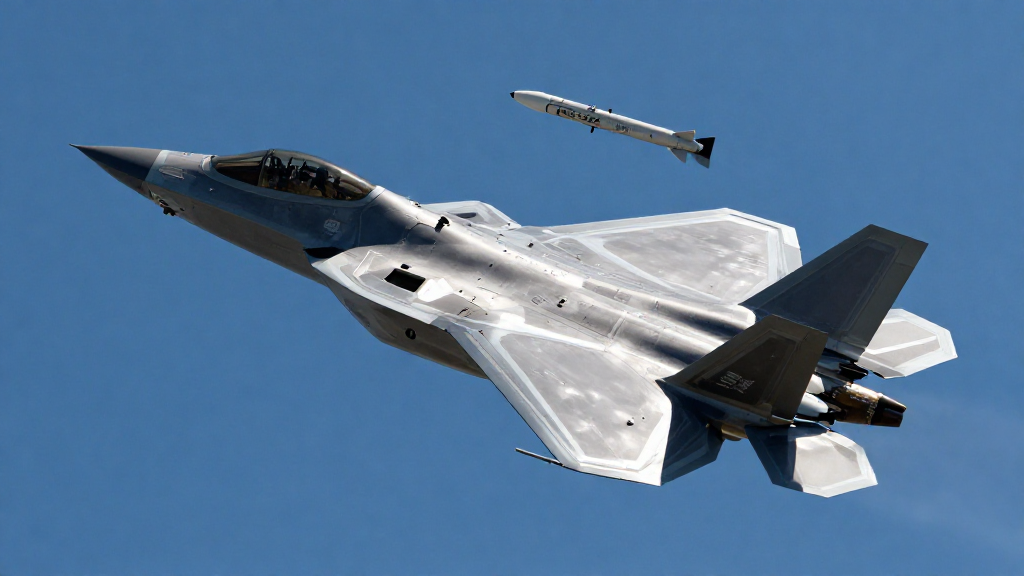

Leidos has secured a $2.7-billion contract from the US Army to advance major hypersonic weapons programs into the production stage, consolidating two critical initiatives into a single manufacturing-focused program. The agreement combines the Thermal Protection Shield (TPS) and Common Hypersonic Glide Body (CHGB) efforts in an attempt to streamline manufacturing, accelerate delivery timelines, and improve supply chain resilience for hypersonic weapon components.
The contract will primarily support scaling up production capabilities for essential hypersonic technologies, including navigation and guidance systems, sensor integration, and precision-strike components. The move reflects the Pentagon’s broader strategy of transitioning hypersonic systems from research and testing into operational deployment.
According to Leidos Defense President Cindy Gruensfelder, the contract represents a major advancement in rapidly delivering hypersonic capabilities to US warfighters. Leidos has maintained long-term involvement in both programs, leading the CHGB effort since 2019 and serving as prime contractor for the TPS program since 2021.
The award is part of a wider US military push to operationalize hypersonic weapons across multiple service branches. In March, GuideTech, a subsidiary of Palladyne AI, received responsibility for developing a long-range strike missile that combines relatively lower cost with near-hypersonic performance.
Earlier in February, the Joint Hypersonics Transition Office awarded six contracts to accelerate development of advanced hypersonic technologies capable of speeds exceeding Mach 5. The projects are focused on addressing challenges related to extreme heat resistance, high-speed maneuverability, and long-range targeting accuracy.
Alongside offensive hypersonic programs, the United States is also expanding its defensive capabilities against such threats. In February, the Defense Innovation Unit launched efforts to identify advanced sensing and tracking technologies that could support interceptor systems against intercontinental ballistic missiles and hypersonic glide vehicles.