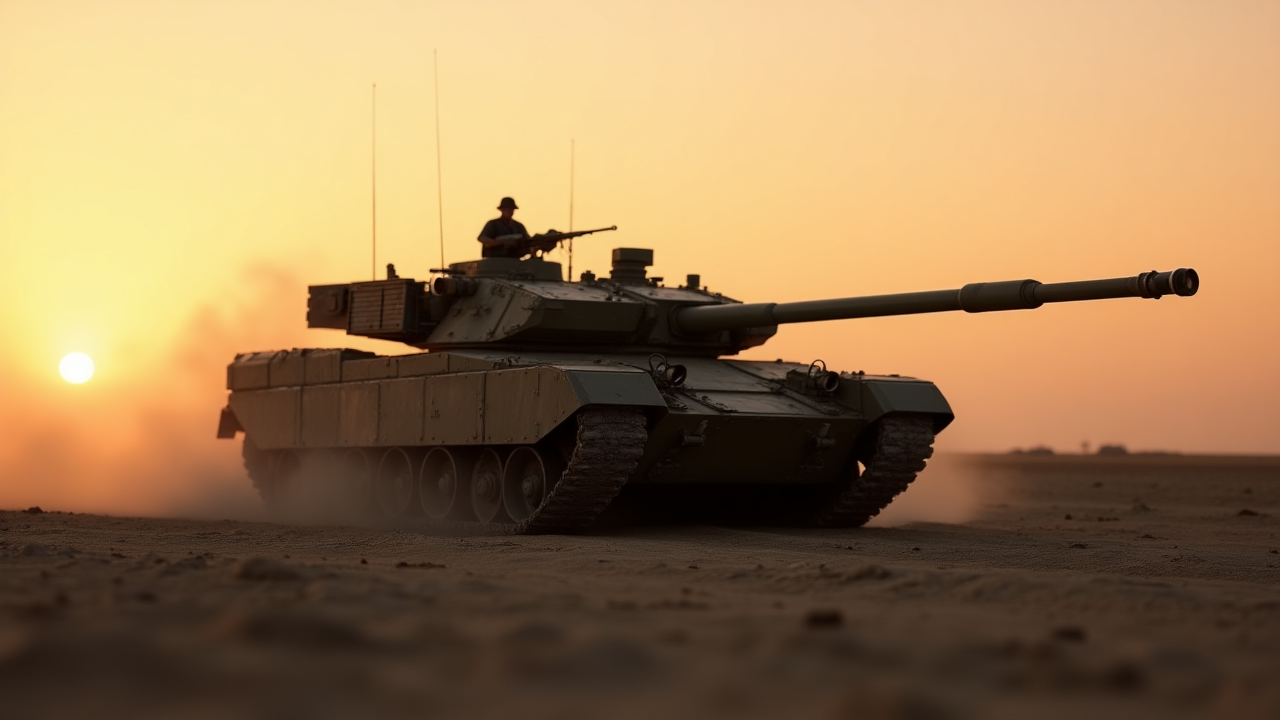
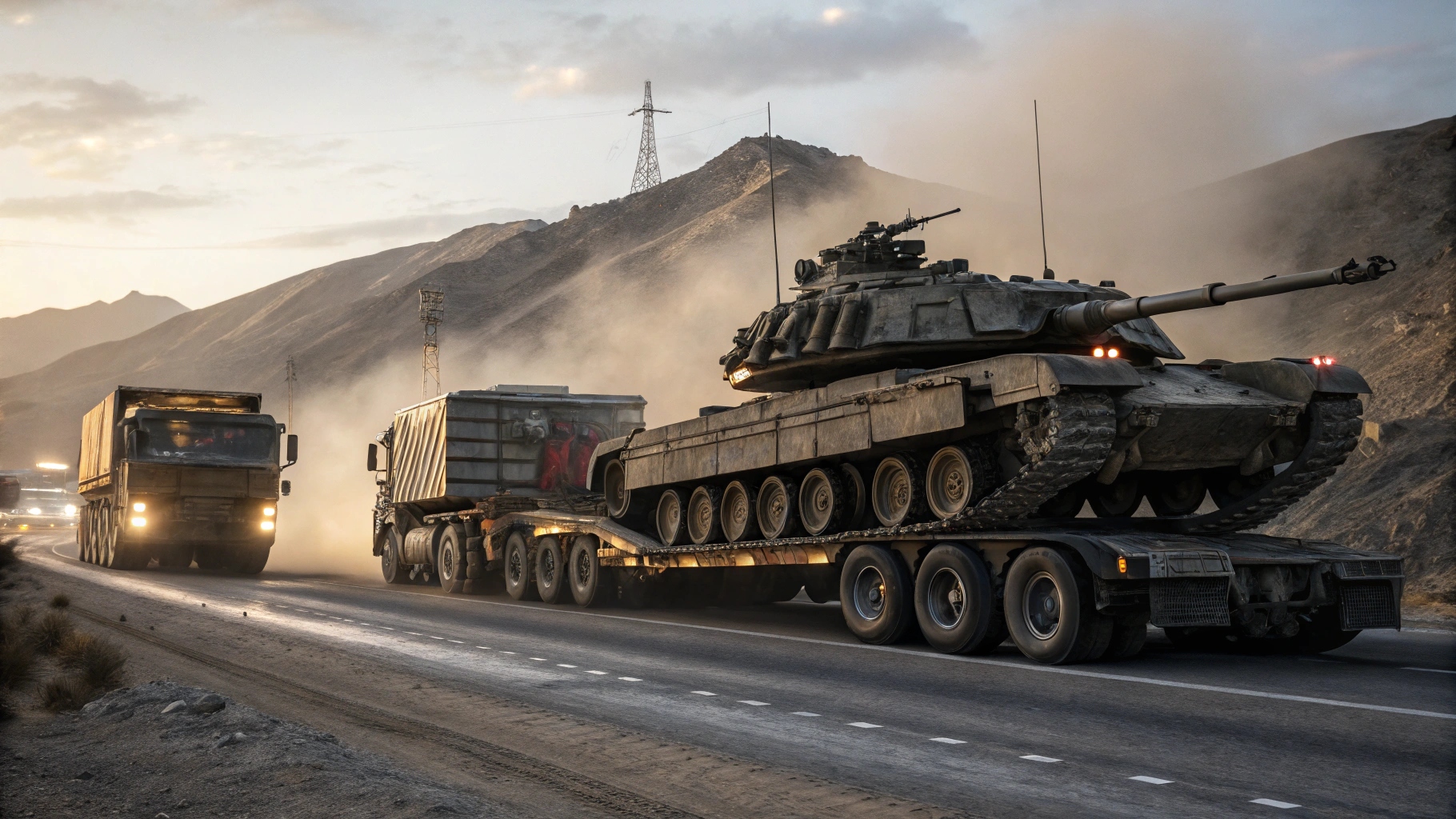
Norwegian defense company Kongsberg has secured a contract with the Polish Armed Forces to supply remote weapon stations for Poland’s K2 main battle tanks and two specialized support vehicle variants.
Under the agreement, Kongsberg will deliver its PROTECTOR RS4 Remote Weapon Stations for three K2 platform variants: the main battle tank, armored recovery vehicle, and combat engineering vehicle.
The contract also includes an integrated product support package covering initial spare parts, operator and maintenance training, and associated support services. Remote weapon stations enable military personnel to operate mounted weapons from within the vehicle’s protected compartment, minimizing crew exposure to hostile fire during combat operations.
Initial deliveries of the systems for integration into the vehicles are scheduled to begin in spring 2027. However, Kongsberg has not disclosed the total contract value or the number of remote weapon stations included in the order.
Poland Accelerates Expansion of Its K2 Tank Fleet
The latest agreement comes as Poland continues to expand its K2 tank inventory and develop domestic maintenance capabilities to support long-term fleet readiness.
In September, state-owned Wojskowe Zakłady Motoryzacyjne signed an agreement with South Korean defense manufacturer Hyundai Rotem to establish maintenance and overhaul capabilities for the K2’s DV27K engines in Poland. The agreement includes technology transfer to strengthen domestic servicing capacity and potentially support future tank production activities.
Earlier, in August, Poland received an additional 28 K2 Black Panther main battle tanks from South Korea, increasing its total inventory to 208 vehicles.
Warsaw has also outlined plans to build a fleet of approximately 1,600 tanks by 2032, comprising US-made M1 Abrams, South Korean K2 Black Panther, and German Leopard platforms. The expansion forms part of Poland’s broader military modernization strategy aimed at strengthening deterrence against potential Russian aggression. Poland plans to allocate 4.8% of its gross domestic product to defense spending in 2027, underscoring its commitment to expanding military capabilities and strengthening national security.