General Dynamics Land Systems has secured a $54.3 million US Army contract to deliver field maintenance and additional sustainment support for the service’s Stryker vehicle fleet.
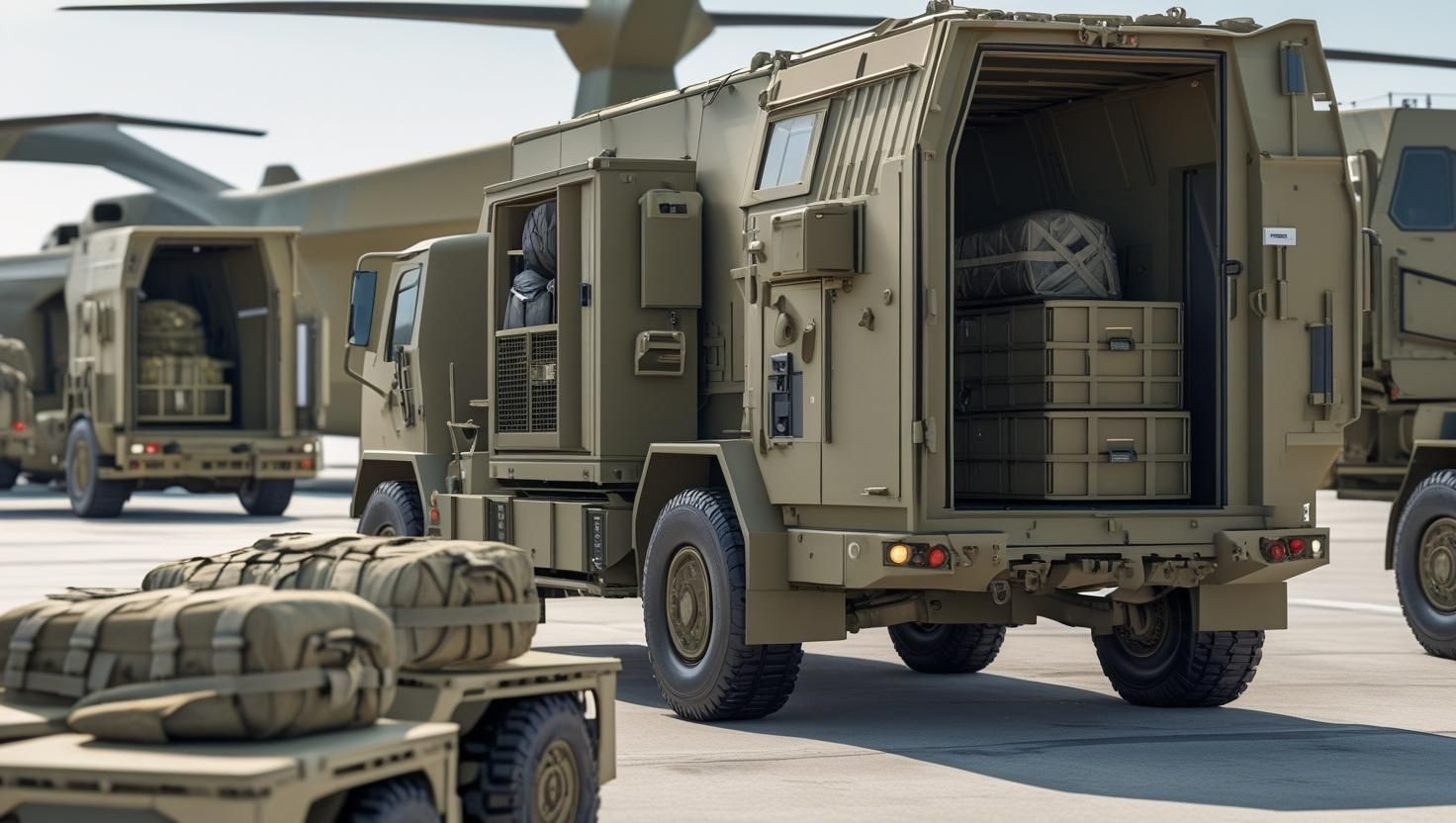
The agreement calls for General Dynamics to provide manufacturer-level technical assistance, field service representatives, and fielding support in cases where electronic technical manuals and logistics systems have not yet been completely incorporated into Army operations.
The contract will remain active until August 24, 2031, with future orders determining the locations and funding associated with individual tasks.
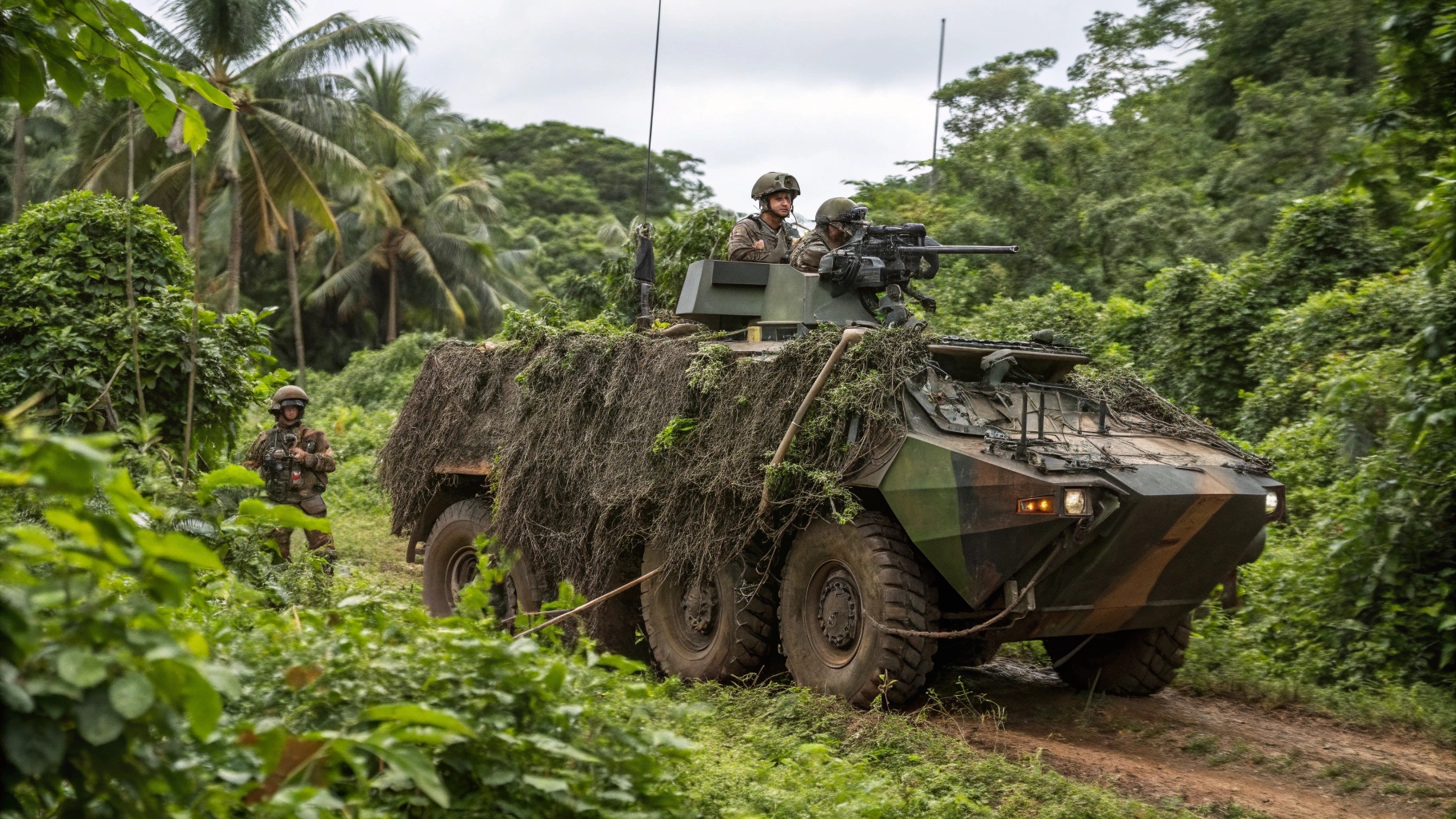
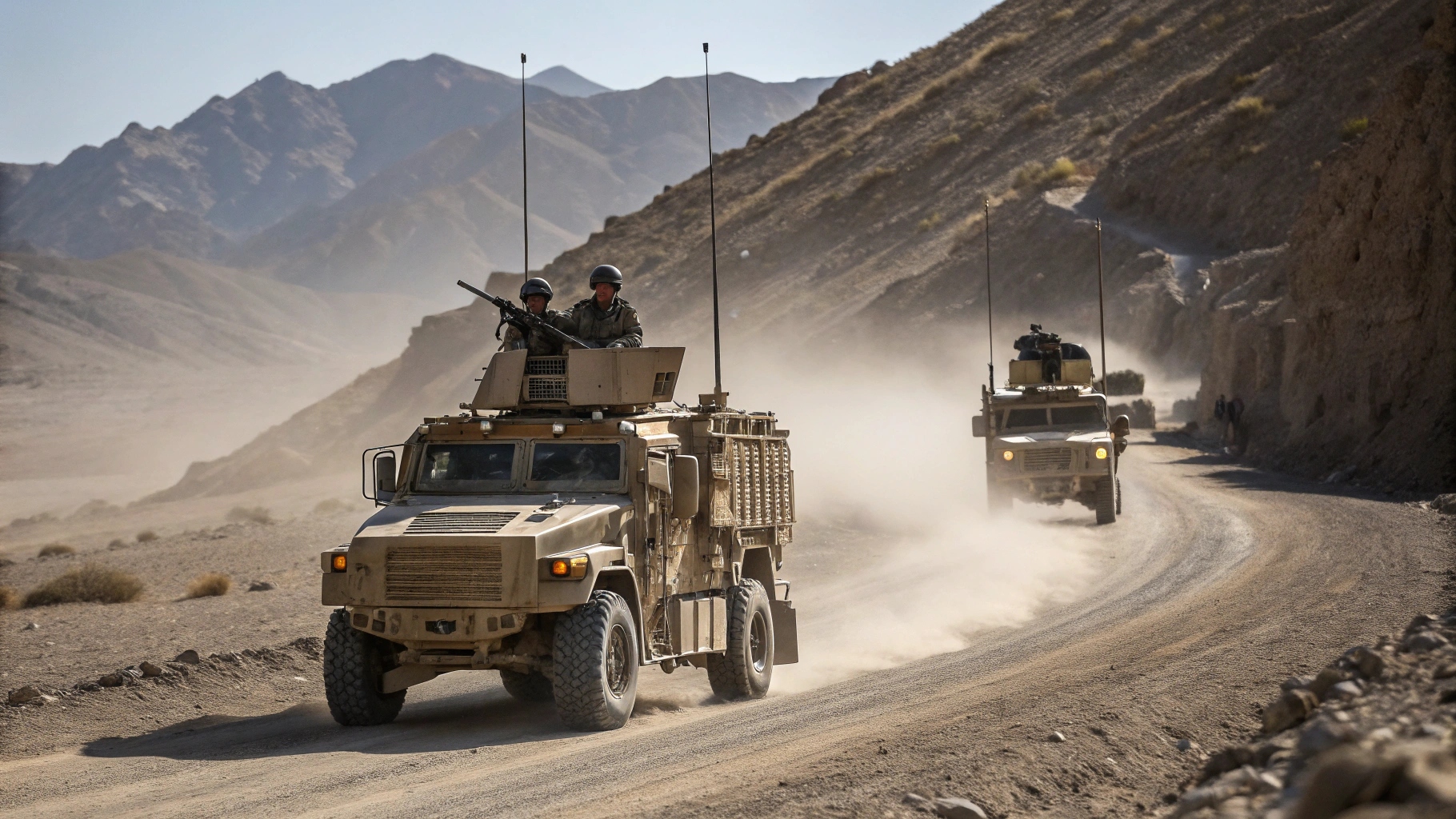
Stryker vehicles form the backbone of the Army’s Stryker Brigade Combat Teams, giving infantry formations a combination of protected transport, direct firepower, and high mobility. The eight-wheel-drive family includes specialized configurations for infantry carriage, reconnaissance, command and control, medical evacuation, engineering, mortar operations, and anti-armor missions.
Ongoing Stryker Fleet Upgrades
The sustainment award comes as the Army continues to enhance the capabilities and survivability of its Stryker fleet.
In December 2025, the Army conducted trials of a modernized Stryker fitted with a 30mm autocannon at the Yakima Training Center. The weeklong exercise included live-fire activities supported by digital command-and-control technologies, allowing commanders to receive real-time information and modify vehicle positions and fire-control settings according to battlefield conditions.
The Army’s modernization effort also includes improved protection. In March 2025, it accepted its first Strykers incorporating upgraded “double-V” hulls designed to channel blast effects from mines and explosives away from the vehicle and its occupants.
Meanwhile, General Dynamics launched a six-month assessment of enhanced Stryker armor in February 2025 under the Army’s Stryker Enhanced Armor program. The evaluation is examining how armor technologies developed by the DEVCOM Ground Vehicle Systems Center can be integrated and perform under operational conditions.