
BAE Systems has awarded Leonardo DRS a contract to develop a next-generation infrared seeker component for the US Army’s Terminal High Altitude Area Defense (THAAD) interceptor programme.
Under the contract, Leonardo DRS will manufacture an infrared focal plane array (FPA) at its foundry in Dallas, Texas. The facility is being expanded to accommodate a planned increase in THAAD seeker production to approximately four times its historical levels.
The infrared focal plane array is a critical element of the interceptor’s seeker system. It detects incoming infrared radiation and converts it into electrical signals, allowing the interceptor to identify, track and engage ballistic missile targets. The next-generation technology is expected to enhance THAAD’s ability to counter increasingly sophisticated and evolving threats.
BAE Systems has been involved in the THAAD seeker programme since 2020, when it secured a contract from Lockheed Martin to design and manufacture next-generation infrared seekers for the interceptor. According to the company, the updated design is intended to improve the system’s ability to defeat a wider range of threats while simplifying seeker manufacturing.
The latest contract comes amid broader efforts by the US to expand THAAD interceptor production. In June 2026, Lockheed Martin received a seven-year US government contract action valued at up to $35 billion to increase annual interceptor production fourfold. The initiative is aimed at strengthening missile defence capabilities for the United States and its allies.
Overview of the THAAD Missile Defence System
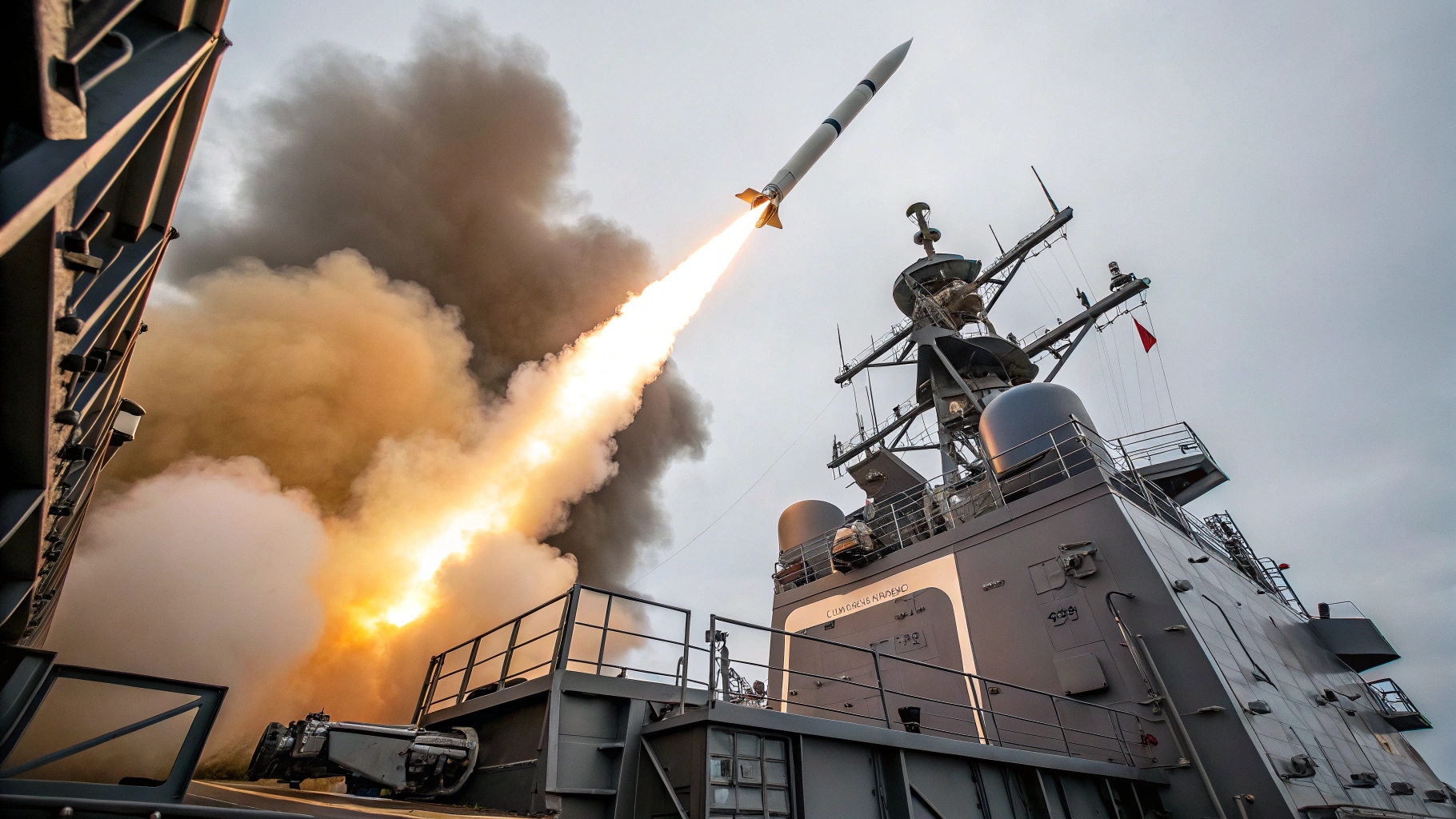
THAAD is a mobile, ground-based missile defence system developed by Lockheed Martin to intercept short- and medium-range ballistic missiles during the terminal phase of their flight. The system employs hit-to-kill technology, destroying incoming threats through direct collision rather than relying on an explosive warhead. It is designed to engage ballistic missiles both within and outside the Earth’s atmosphere.
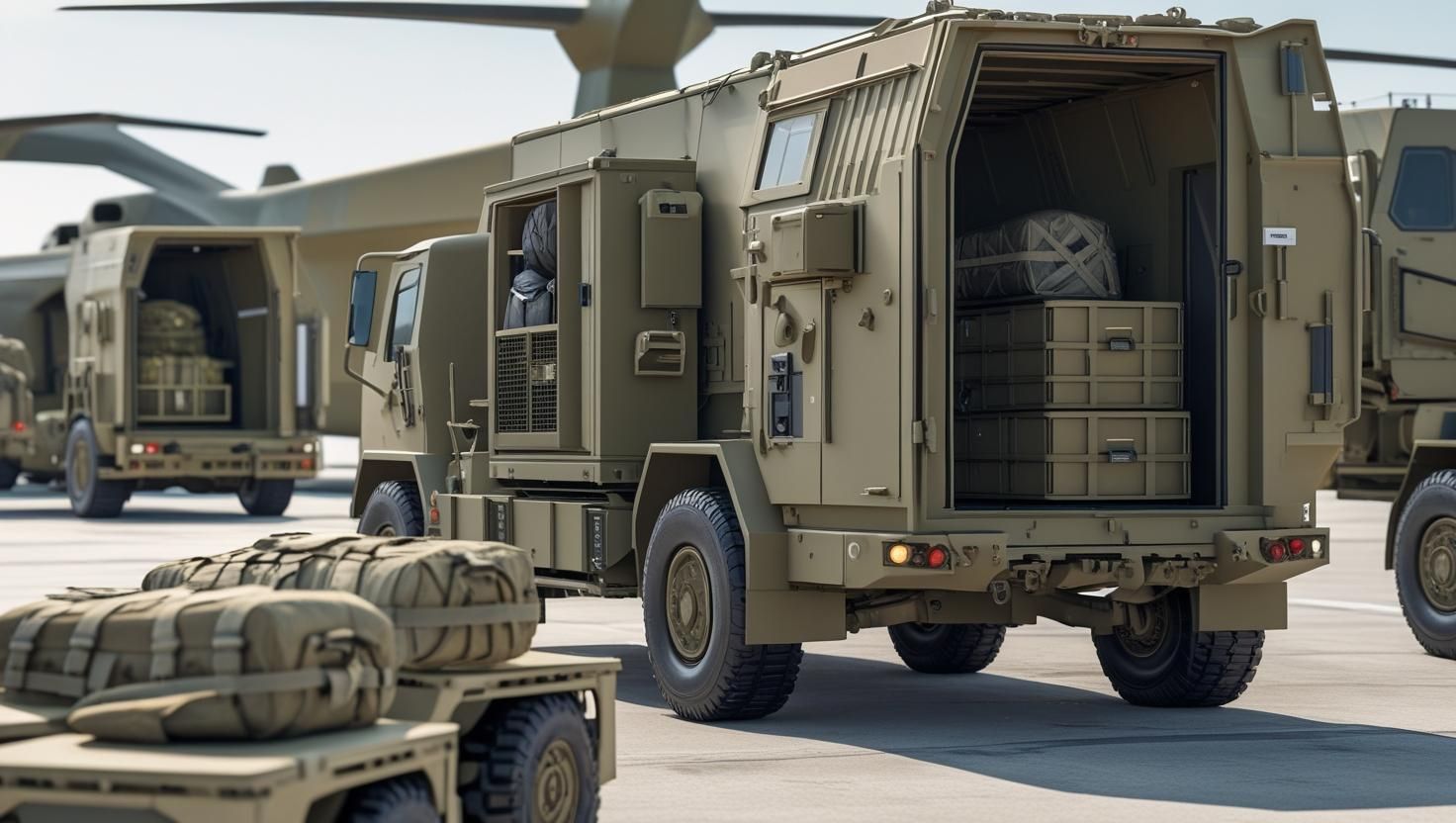
A typical THAAD battery consists of six truck-mounted launchers, each equipped to carry eight interceptors, providing a total capacity of 48 missiles. Approximately 100 personnel are required to operate the battery. Each interceptor is estimated to cost around $12 million.
Within the broader US Ballistic Missile Defence System, THAAD provides a middle layer of protection against ballistic missile threats. It complements the lower-tier Patriot air and missile defence system and the upper-tier Aegis Ballistic Missile Defence and Ground-Based Midcourse Defence systems. Its integration with these systems supports a layered approach to protecting military forces, critical infrastructure and allied territories from ballistic missile attacks.