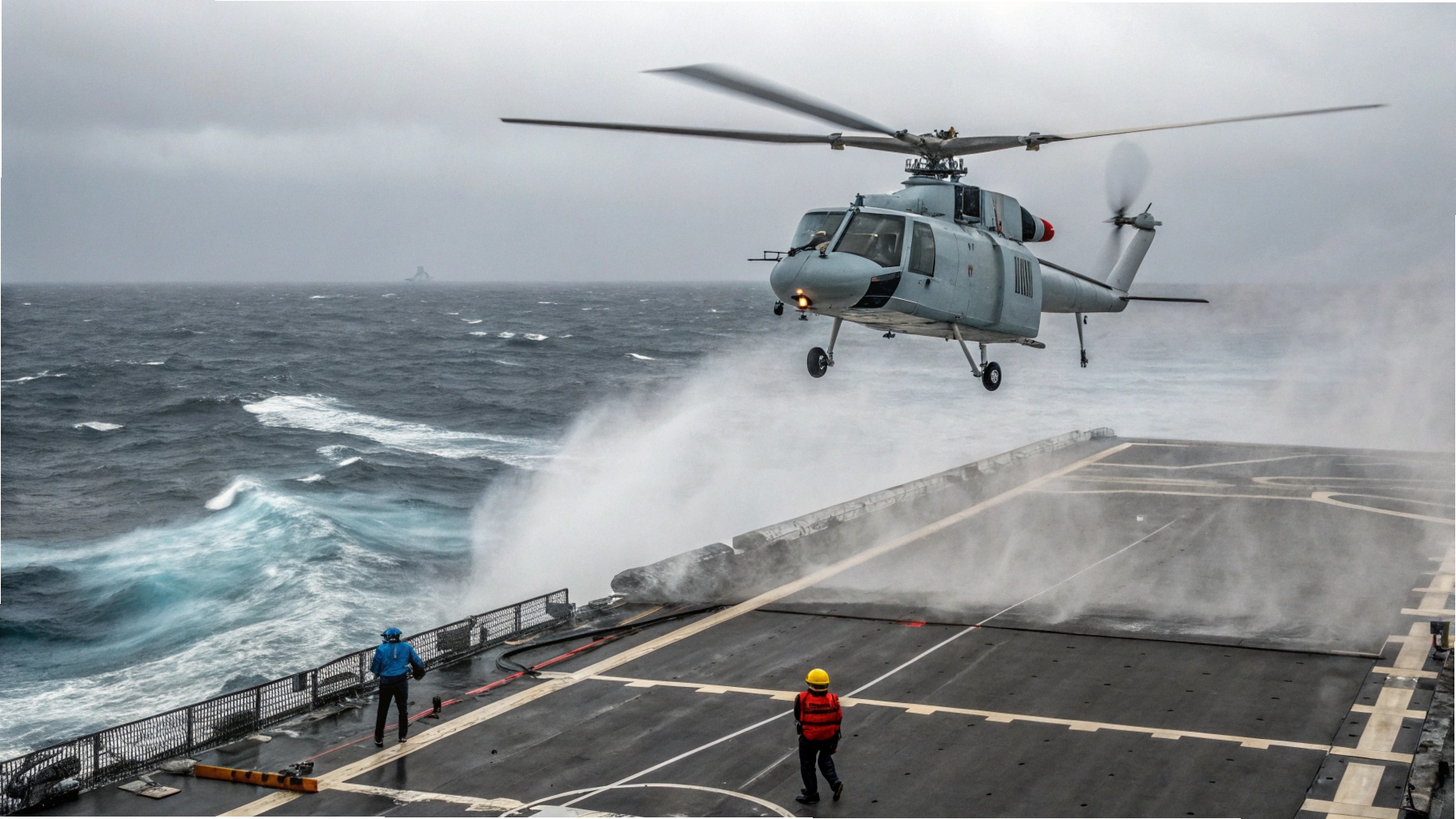

Hindustan Aeronautics Limited (HAL) is preparing to deliver the first batch of its indigenously developed Light Utility Helicopter (LUH) during the 2027–28 financial year, marking an important step towards modernising India’s light helicopter fleet and strengthening domestic aerospace manufacturing capabilities.
The initial Limited Series Production (LSP) batch will comprise 12 helicopters, with six allocated to the Indian Army and the remaining six intended for the Indian Air Force. These deliveries are expected to provide both services with operational experience ahead of larger-scale induction.
The LUH is undergoing the final stages of certification, with the Centre for Military Airworthiness and Certification (CEMILAC) conducting the military airworthiness assessment required before the helicopter can enter service. The 3-tonne-class platform is one of HAL’s major indigenous rotary-wing development programmes.
Designed to replace the ageing Aérospatiale Cheetah and Chetak helicopter fleets, the LUH aims to meet the armed forces’ requirements for transport, reconnaissance, surveillance, logistics and high-altitude operations. The legacy helicopters have served for decades across challenging environments, including mountainous regions where reliable performance is essential.
The LUH has been engineered to operate across diverse terrain, particularly in high-altitude areas and rugged landscapes. Its intended operational roles include troop movement, casualty evacuation, reconnaissance and logistical support in locations where larger helicopters may face operational constraints.
As part of the certification process, HAL has been incorporating performance improvements and additional capabilities to enhance the helicopter’s operational effectiveness. Flight testing associated with these modifications is reportedly at an advanced stage.
One area of focus is the refinement of the helicopter’s autorotation characteristics. Autorotation is a critical safety capability that allows a helicopter to make a controlled landing following engine power loss by using airflow to maintain rotor rotation.
The aircraft is also undergoing integration of an Automatic Flight Control System (AFCS), which is intended to improve flight stability and reduce pilot workload during demanding operations. These enhancements are particularly relevant to missions conducted in mountainous terrain and other challenging flight environments.
Certification activities must establish the helicopter’s safety and reliability across its intended operating envelope, including hot-and-high conditions, mountainous regions and dusty environments. Successful completion of these assessments will be essential before the aircraft can be cleared for operational induction.
The first 12 production helicopters are expected to serve as an important step in validating the platform under operational conditions. Feedback from Army and Air Force personnel could help guide refinements to subsequent production batches and support the helicopter’s long-term development.
The Indian Armed Forces have a combined planned requirement for 187 Light Utility Helicopters, highlighting the programme’s significance for India’s future military aviation capabilities. Production is planned at HAL’s dedicated helicopter manufacturing facility in Tumakuru, Karnataka.
Once inducted in larger numbers, the LUH is expected to support a broad range of missions, including reconnaissance, surveillance, troop transportation, casualty evacuation, logistics, disaster relief and high-altitude operations. Its induction would also support the gradual replacement of legacy Cheetah and Chetak helicopters, advancing India’s objective of developing and fielding indigenous military aviation platforms.