
India’s Light Combat Aircraft programme continues to advance with significant capability enhancements, as the Tejas Mk1A showcases the growing effectiveness of its indigenous systems. Recent evaluations have demonstrated the performance of the Uttam AESA radar, which successfully detected, tracked, and supported engagements against targets representing a fully loaded multirole fighter with an estimated radar cross-section (RCS) of 10 square metres at ranges of up to 240 kilometres.
The achievement was validated using Pilotless Target Aircraft (PTA) fitted with corner reflectors, which are commonly employed in radar trials to simulate the larger radar signatures of combat aircraft. By replicating the RCS of a fighter carrying external stores such as fuel tanks, missiles, and targeting pods, the tests provided a realistic assessment of the radar’s operational capabilities. Maintaining track on such targets at 240 km significantly enhances the Tejas Mk1A’s beyond-visual-range (BVR) combat potential by providing an early detection and engagement advantage.
The Uttam AESA radar’s performance highlights advancements in transmitter power, signal processing, and electronic counter-countermeasure (ECCM) capabilities, enabling effective operation in cluttered and electronically contested environments. Combined with the Tejas Mk1A’s upgraded avionics, electronic warfare suite, and network-centric data links, the radar substantially improves pilot situational awareness, survivability, and combat effectiveness.
In modern air warfare, the ability to detect and track adversaries at extended ranges often determines mission success before weapons are launched. The demonstrated capability against representative 10 m² targets places the Tejas Mk1A in a strong position relative to many regional platforms still dependent on mechanically scanned radars or older-generation AESA systems. The aircraft’s relatively low radar signature, estimated between 0.5 and 1.5 m² in a clean configuration, further enhances its survivability by reducing detection ranges for hostile sensors.
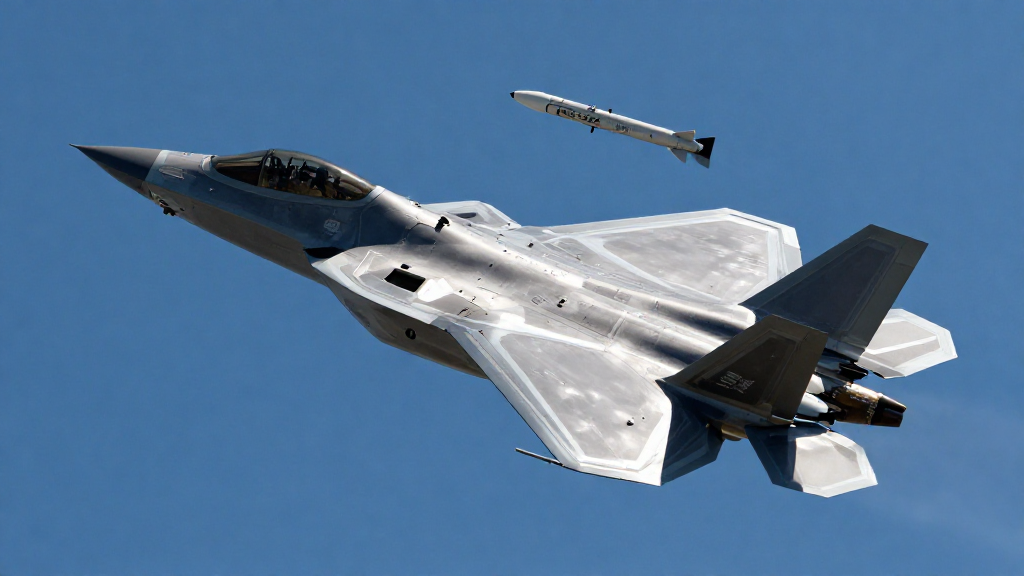
The next step in maximizing the radar’s capabilities is the integration of the Astra Mk2 beyond-visual-range air-to-air missile. With reported engagement ranges exceeding 160–200 kilometres under favourable conditions, the missile will allow the Tejas Mk1A to exploit its extended detection envelope and engage targets at greater stand-off distances. Integration efforts are progressing on the Mk1A platform following the successful deployment of the Astra Mk1, with operational clearance expected in the near future.
The successful development of the Uttam AESA radar reflects India’s broader drive toward defence self-reliance. Indigenous radar technology featuring scalable transmit/receive modules and future gallium-based enhancements reduces dependence on foreign suppliers while ensuring performance tailored to Indian operational requirements.
As additional Tejas Mk1A aircraft enter service, the combination of advanced sensors, reduced observability, networked warfare capabilities, and long-range weapons such as the Astra family is expected to strengthen the fighter’s role as a force multiplier. Planned upgrades, including gallium nitride (GaN)-based radar technology and expanded weapon integration, will help maintain the aircraft’s relevance alongside platforms such as the Su-30MKI and the future Advanced Medium Combat Aircraft (AMCA).