
The Indian Navy is scheduled to commission INS Mangrol, the third Anti-Submarine Warfare Shallow Water Craft (ASW-SWC) built by Cochin Shipyard Limited (CSL) in Kochi, at the Naval Dockyard in Mumbai on 12 October. The commissioning ceremony will be presided over by Vice Admiral Sanjay Vatsayan, Flag Officer Commanding-in-Chief of the Western Naval Command.
INS Mangrol is part of the Navy’s indigenous ASW-SWC programme, which envisages the construction of 16 specialised vessels. The programme is being executed jointly by Garden Reach Shipbuilders & Engineers (GRSE) and CSL, with each shipyard responsible for delivering eight vessels.
Six ASW-SWCs have already entered service with the Indian Navy, making INS Mangrol the seventh vessel in this specialised fleet. The ship is named after Mangrol, a coastal town and major fishing harbour in Gujarat’s Junagadh district. It also carries forward the legacy of the earlier INS Mangrol (M85), a minesweeper that served the Navy until April 2004, reflecting the service’s tradition of preserving the heritage of its warships.
Indigenous Design and Advanced Combat Systems
With more than 80% indigenous content, INS Mangrol represents India’s growing capabilities in naval design, shipbuilding, and combat-system integration. Its construction supports the government’s Make in India and Aatmanirbhar Bharat initiatives, strengthening domestic defence manufacturing.
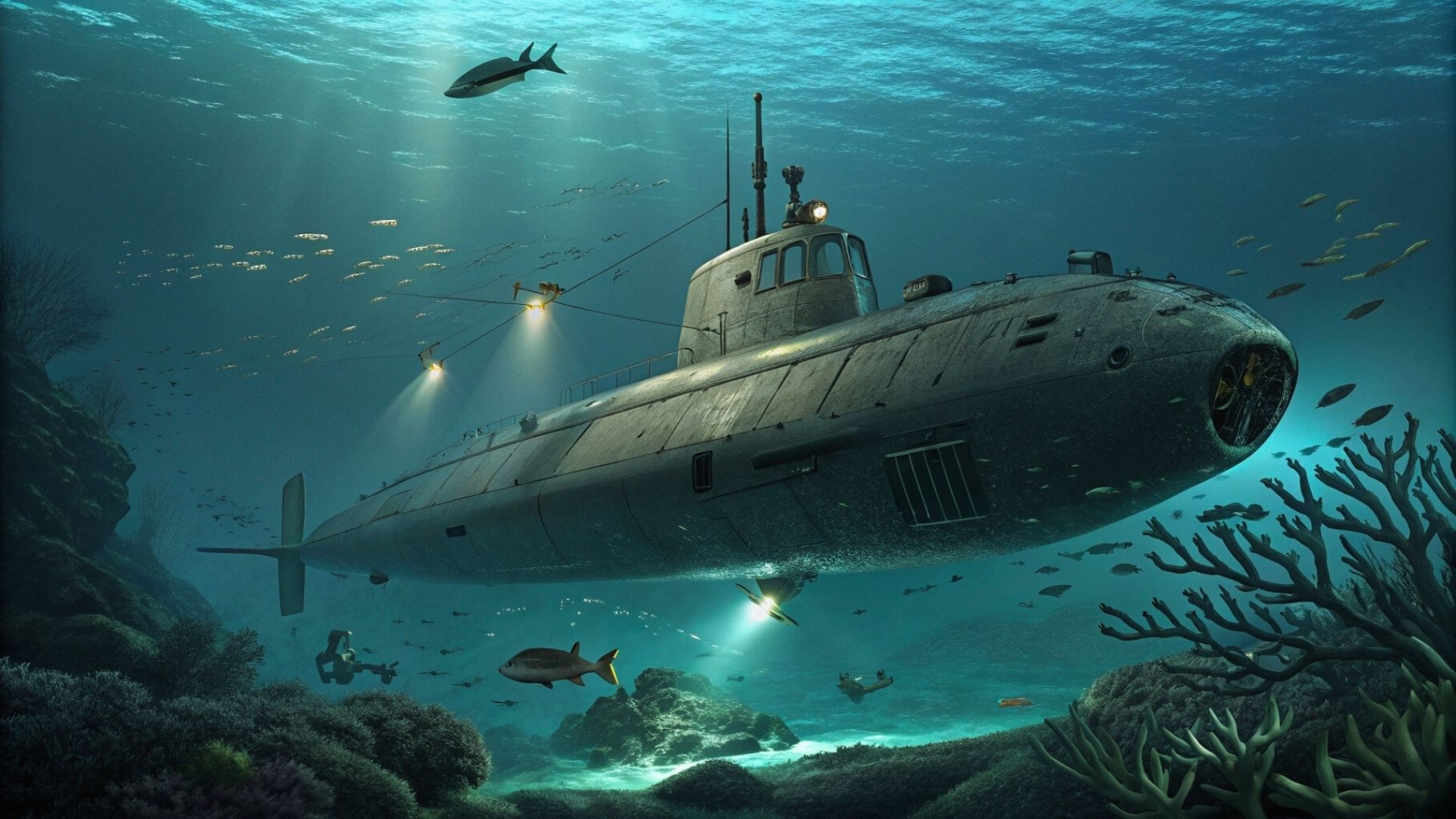
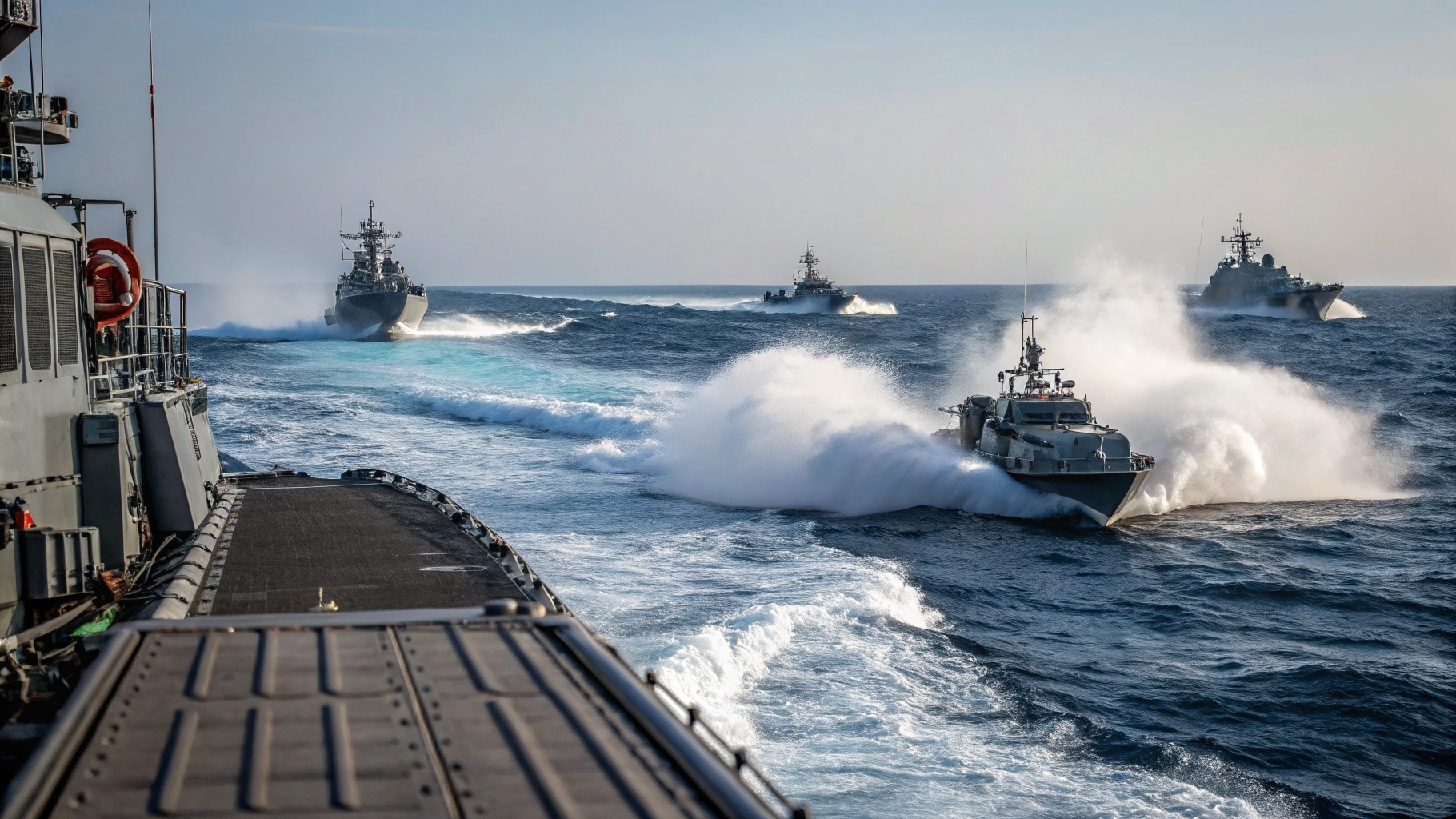
Designed for anti-submarine warfare in coastal and shallow-water environments, the vessel addresses operational requirements in areas where larger warships may face manoeuvrability limitations.
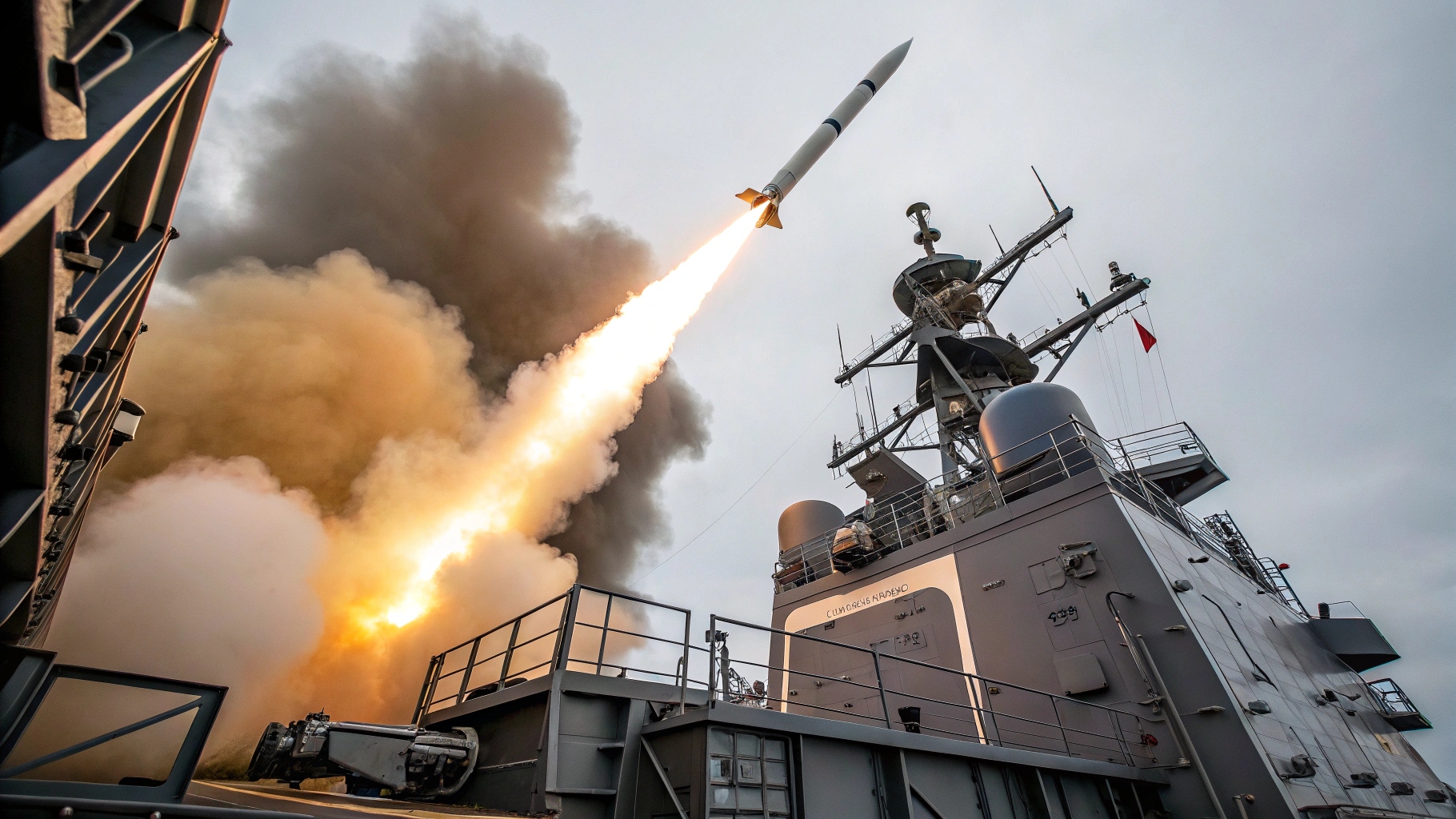
The craft features the indigenous Abhay hull-mounted sonar for underwater detection and tracking. Its armament includes lightweight torpedoes and an indigenous anti-submarine rocket launcher. For protection against underwater threats, the vessel is equipped with the Mareech Advanced Torpedo Decoy System, designed to counter incoming torpedoes.
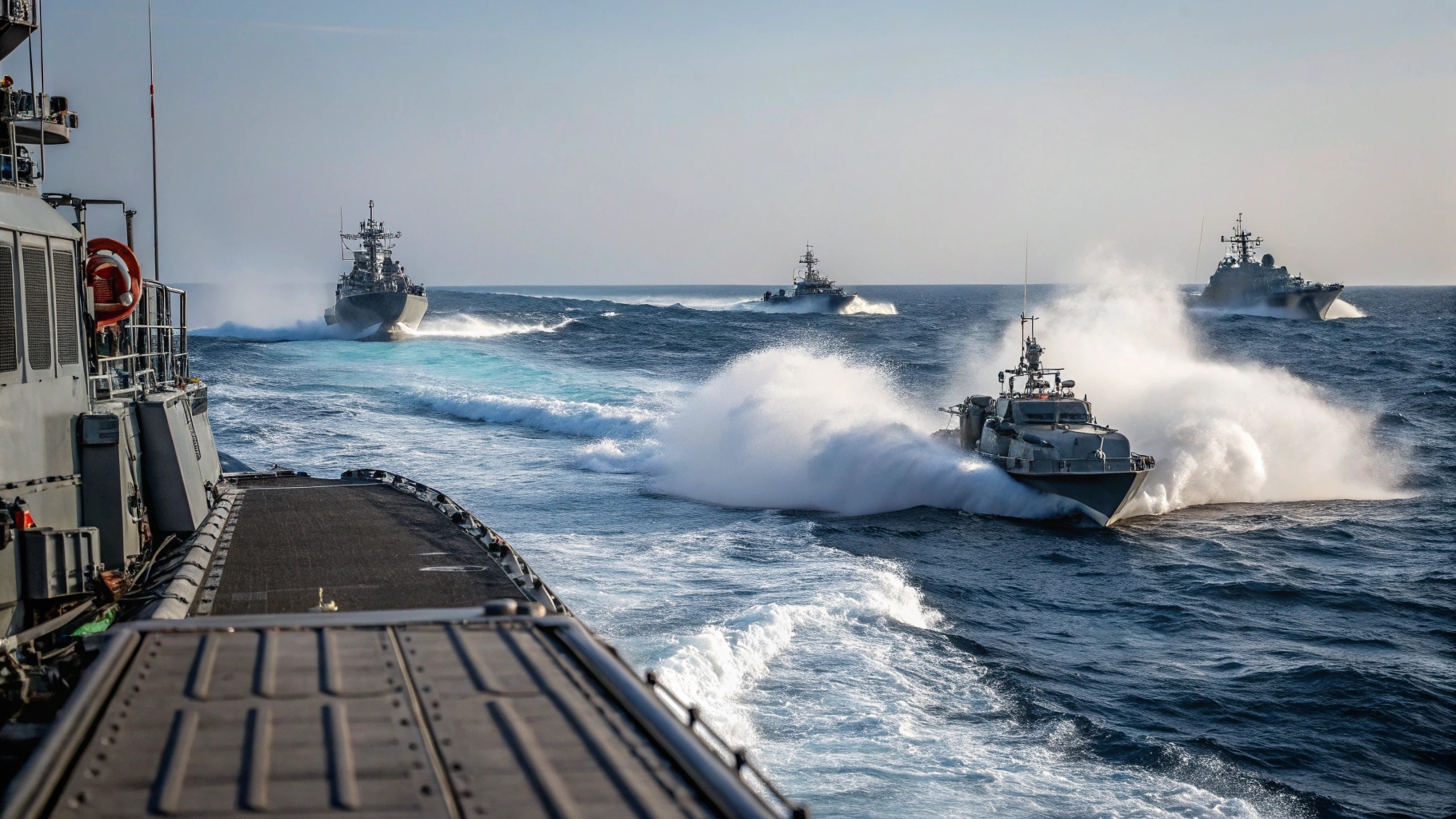
Powered by three diesel engines coupled with waterjet propulsion systems, INS Mangrol offers high manoeuvrability in confined coastal waters and shallow maritime environments.
Beyond anti-submarine warfare, the vessel can perform underwater surveillance, low-intensity maritime operations, and mine warfare-related tasks. It can also coordinate with maritime patrol aircraft, helicopters, and other naval platforms to improve underwater domain awareness and operational effectiveness.
Strengthening India’s Coastal Defence
The induction of INS Mangrol is expected to enhance the Indian Navy’s ability to safeguard ports, harbours, and coastal approaches against underwater threats. Its commissioning comes as India continues to strengthen its specialised littoral warfare capabilities in response to evolving submarine challenges across the Indian Ocean region.
The broader ASW-SWC programme is also intended to replace ageing anti-submarine platforms and provide the Navy with modern vessels specifically designed for shallow-water operations along India’s extensive coastline.
Indian Coast Guard Commissions ICGS Ajit
Separately, the Indian Coast Guard has commissioned the indigenously built Fast Patrol Vessel ICGS Ajit at Goa Shipyard Limited. The commissioning ceremony was presided over by Sirish Choudhary, IDAS, Principal Integrated Financial Adviser of the Coast Guard.
The vessel will be based at Okha and features advanced weaponry and modern control systems. It is designed to undertake maritime surveillance, search-and-rescue missions, anti-smuggling operations, and marine pollution response activities.
The induction of ICGS Ajit further strengthens India’s indigenous maritime security capabilities, complementing ongoing naval modernisation efforts and enhancing the country’s ability to protect its coastal waters.