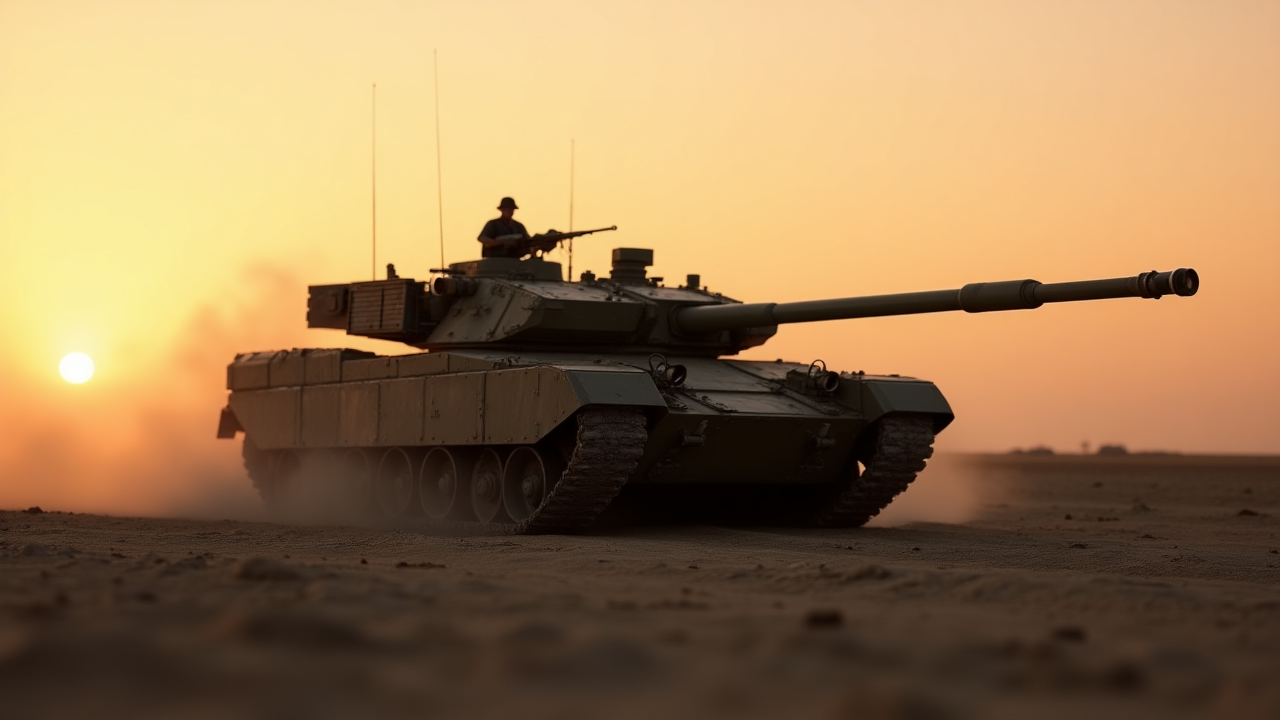
The US Marine Corps is set to acquire two Ripsaw M3 uncrewed ground vehicles (UGVs) from Textron Systems to evaluate the potential role of robotic platforms in supporting future military operations.
The vehicles will be assigned to the Marine Corps Warfighting Laboratory (MCWL) in Quantico, Virginia, where they will function as experimental platforms for testing and integrating mission-specific payloads, sensors, and other advanced technologies.
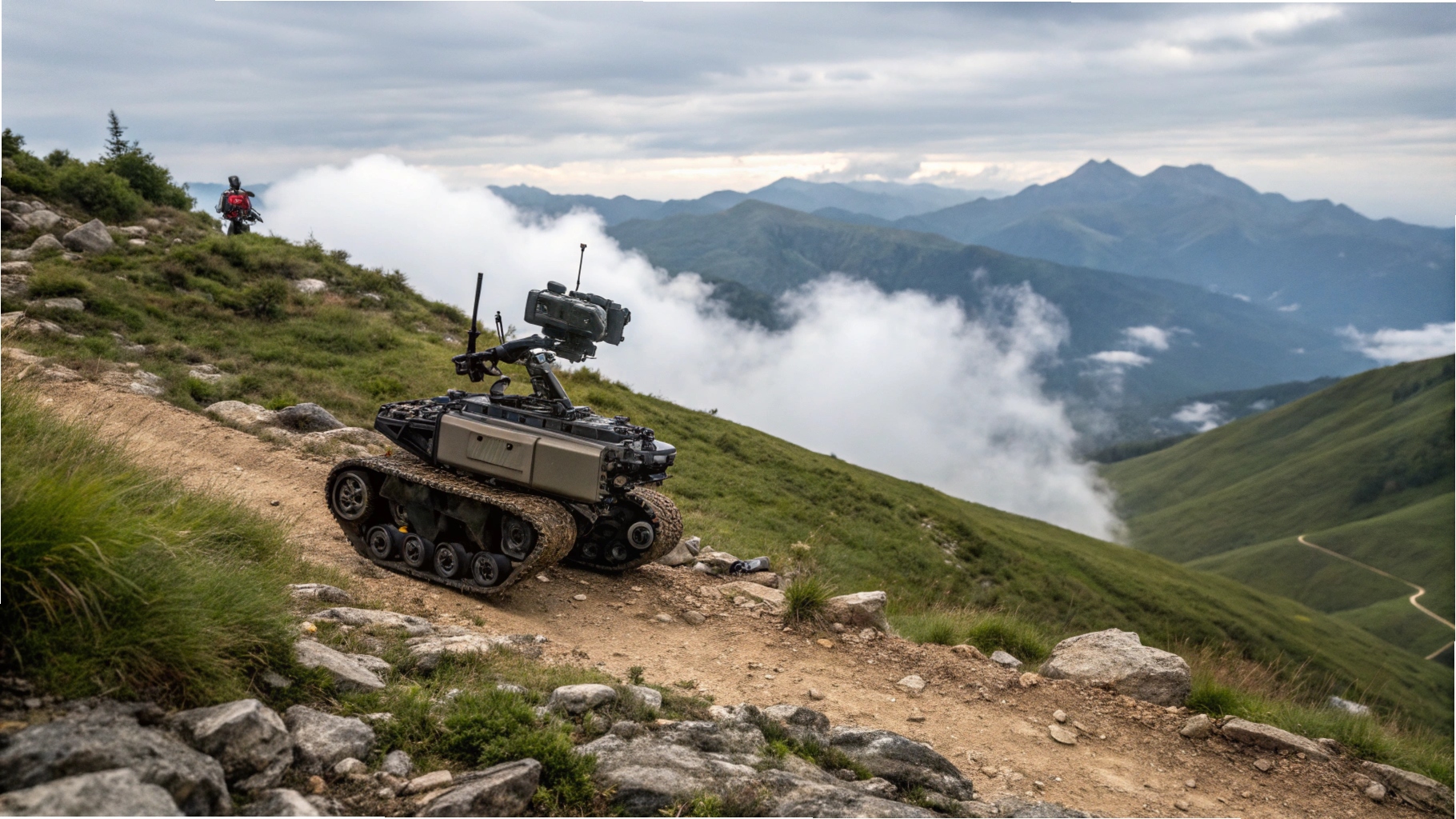
The tracked Ripsaw M3 features a modular open systems architecture, enabling the integration of various mission equipment based on operational requirements. According to Textron Systems, its flat-deck configuration can accommodate payloads exceeding 5,000 pounds (2,267 kilograms), while the vehicle can achieve speeds of more than 30 miles (48 kilometres) per hour.
Textron’s Ripsaw Uncrewed Ground Vehicle Family
The Ripsaw M3 belongs to Textron Systems’ portfolio of uncrewed ground vehicles, developed in collaboration with its subsidiary, Howe & Howe. The product family comprises the M5, M3, A3, and M1 variants, each designed to address specific military requirements and operational environments.
The Ripsaw M5, representing the fifth generation of the platform, is designed to operate alongside military formations while carrying mission-specific equipment on its modular flat deck. Textron specifies a payload capacity of up to 8,000 pounds (3,628 kilograms), supporting a broad range of military applications.
The Ripsaw M3 is a smaller platform incorporating experience gained from previous Ripsaw developments and soldier evaluations. Its hybrid-electric powertrain enables electric operation, while its modular architecture supports different payload configurations, control systems, and autonomous capabilities.
The Ripsaw A3 is an amphibious variant developed for missions requiring water-crossing capabilities. It can achieve speeds exceeding 30 miles (48 kilometres) per hour on land and approximately five miles (eight kilometres) per hour in water, making it suitable for operations across varied terrain.
Meanwhile, the Ripsaw M1 features a wheeled configuration designed for littoral and expeditionary operations. Its intended roles include reconnaissance, logistics support, and force protection.
The Marine Corps’ planned acquisition of the two Ripsaw M3 vehicles will provide an opportunity to evaluate modular robotic ground platforms and explore their potential integration into future expeditionary and combat operations.