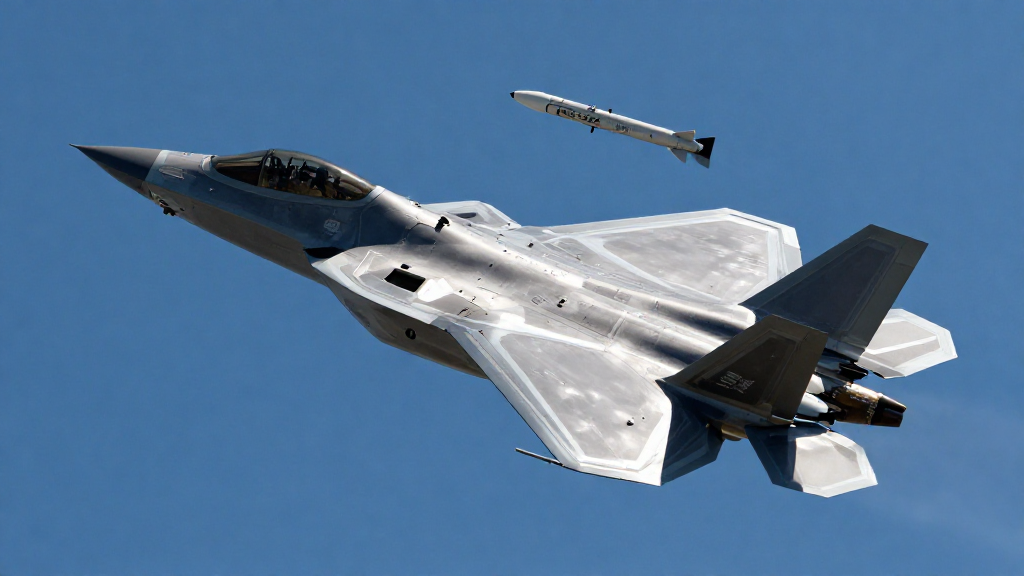
Russia’s successful first flight of the twin-seat Su-57D stealth fighter has sparked fresh speculation about India’s potential role in the aircraft’s export and development roadmap. Designed as the first two-seat variant of the Su-57, the aircraft is aimed primarily at international customers seeking a more flexible platform for pilot conversion, advanced training, and operational missions.
Chief test pilot Sergey Bogdan noted that the aircraft was specifically developed to address the needs of nations unfamiliar with the Sukhoi family of fighters. While countries already operating Su-27, Su-30, or Su-35 aircraft can transition pilots relatively smoothly, new operators may benefit significantly from a dedicated twin-seat version capable of supporting both training and combat roles.
The Su-57D’s emergence is closely tied to export ambitions that have shaped the program for several years. Russian officials have repeatedly emphasized that foreign interest played a central role in the decision to develop a dual-seat variant, with previous statements indicating that at least one prospective customer had specifically requested such a configuration.
India has frequently been identified as a leading candidate due to its long-standing preference for twin-seat combat aircraft. The Indian Air Force has historically valued two-crew configurations for mission management, long-range strike operations, and complex tactical scenarios, making the Su-57D particularly relevant to its operational philosophy.
Recent reports suggest that India and Russia have explored multiple cooperation models for the aircraft, including licensed production and deeper industrial collaboration. Discussions are said to have advanced significantly, with Moscow reportedly willing to offer extensive technology access, including source-code integration opportunities, to strengthen the attractiveness of a potential agreement.
Should India decide to move forward, options could range from acquiring off-the-shelf aircraft to producing a localized version incorporating Indian avionics, electronic warfare systems, communications equipment, and indigenous weaponry. Some analysts believe a bespoke Indian variant based on the twin-seat Su-57D could be especially attractive, combining advanced stealth capabilities with the operational advantages of a two-crew platform.
As India continues to develop the AMCA, which is expected to enter service in the mid-2030s, the Su-57D could serve as a bridge capability that enhances fifth-generation combat readiness while providing valuable experience in stealth aircraft operations and advanced aerospace technologies.