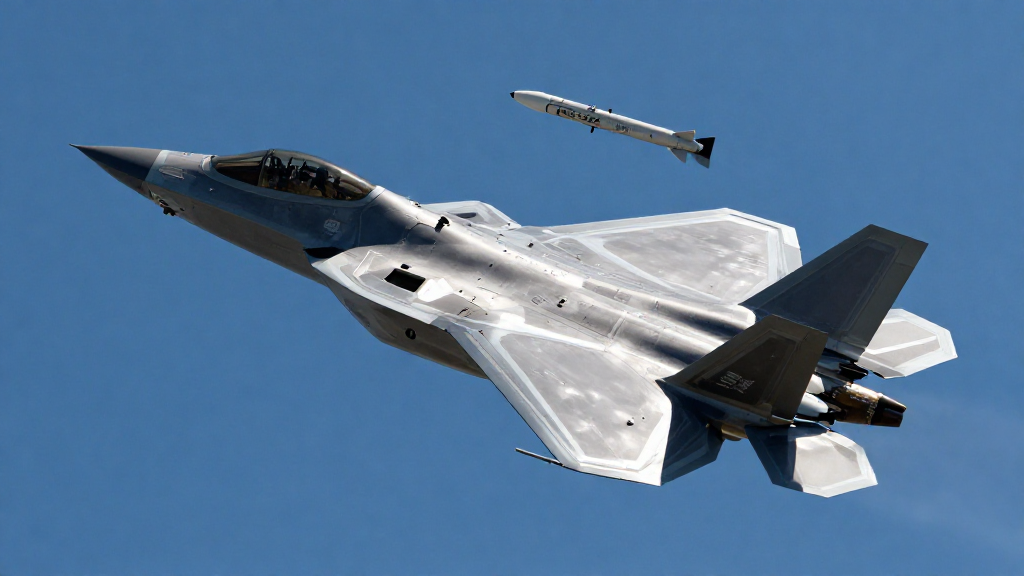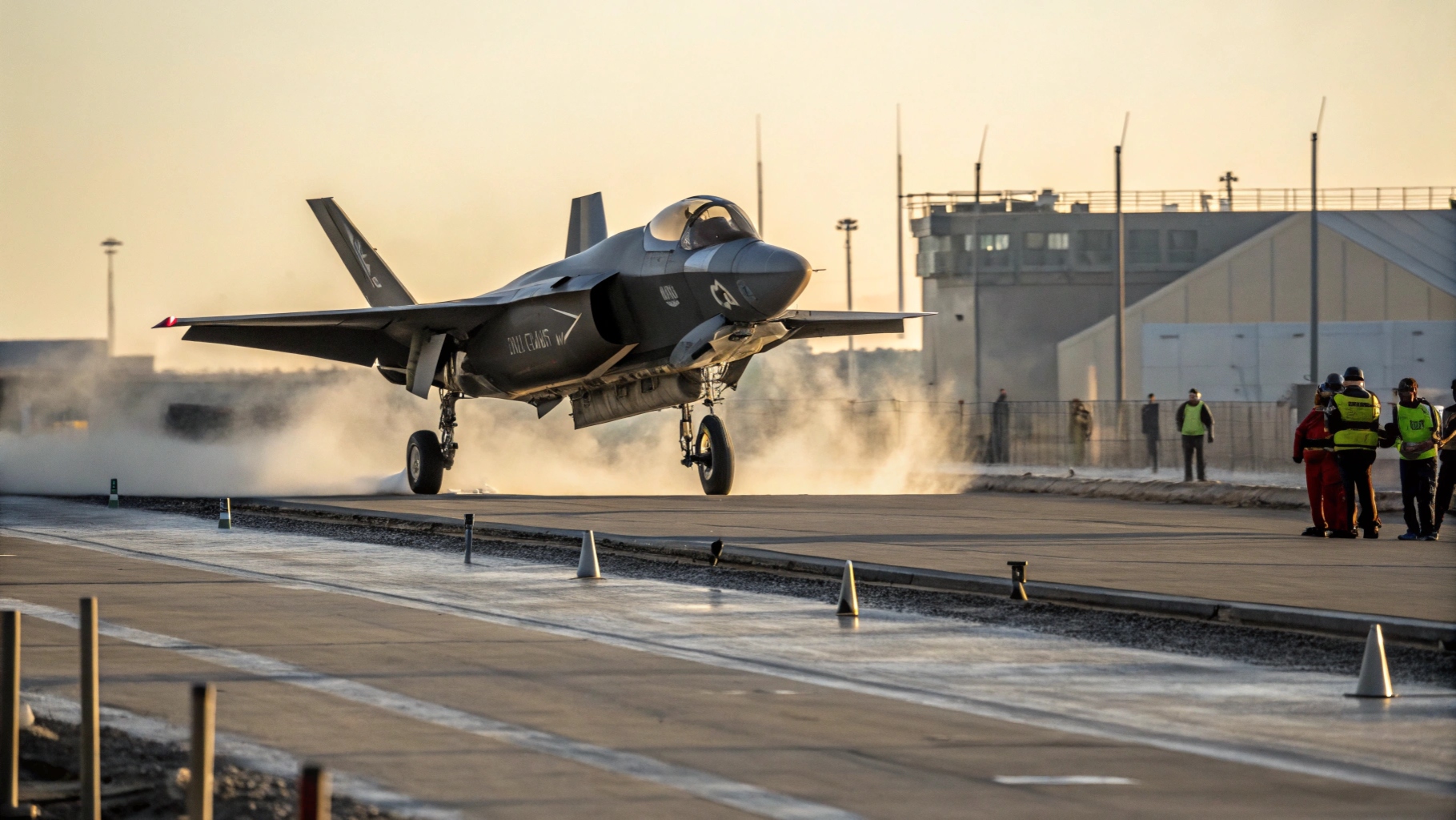

The Finnish Air Force has formally received its first two F-35A Lightning II fighter aircraft at the Lapland Air Wing in Rovaniemi, marking the beginning of in-country integration of Finland’s 64-aircraft order from US aerospace manufacturer Lockheed Martin.
Finland signed the $9.4 billion acquisition agreement in 2022 to replace its aging fleet of F/A-18 Hornet fourth-generation fighter aircraft.
The first two aircraft, designated JF-510 and JF-512, arrived in Finnish airspace following a transatlantic ferry flight from Lockheed Martin’s production facility in Fort Worth, Texas.
Beginning of Finland’s F-35 Programme
During the official reception ceremony, Finnish President Alexander Stubb named the first aircraft “Sisu,” a Finnish term associated with extraordinary determination and perseverance. The designation underscores the importance Finland places on the F-35 programme as part of its broader national defence and NATO deterrence posture.
The arrival also marks a major transition for Finland’s combat aviation, as the country begins integrating the fifth-generation fighter into its operational infrastructure, training system and wider defence architecture.
Operational Capability Expected by 2030
The milestone follows the completion of Finland’s first domestically manufactured F135 engine for its F-35 programme, representing an important step in the country’s industrial participation in the aircraft ecosystem.
Eight additional Finnish F-35 aircraft are currently based at Ebbing Air National Guard Base in Arkansas, where Finnish personnel are undergoing pilot training and sustainment-related activities.
Finland expects the F-35 fleet to achieve initial operational capability by early 2028. Full operational capability across the Finnish Defence Forces is planned to be achieved by the end of the decade.
The introduction of the F-35A is expected to significantly enhance Finland’s air combat, intelligence, surveillance and reconnaissance capabilities while strengthening interoperability with NATO allies and contributing to the alliance’s northern European deterrence posture.