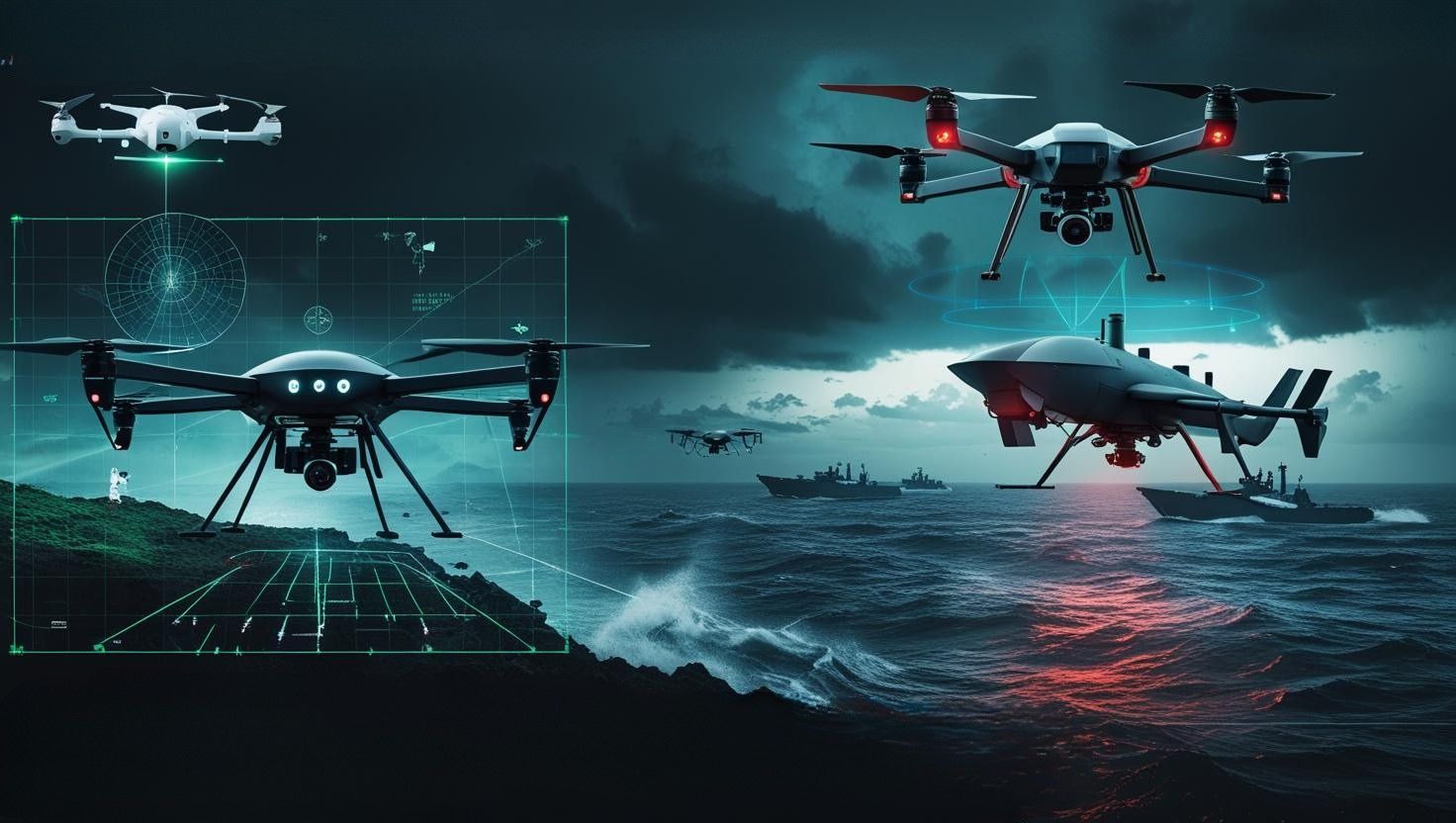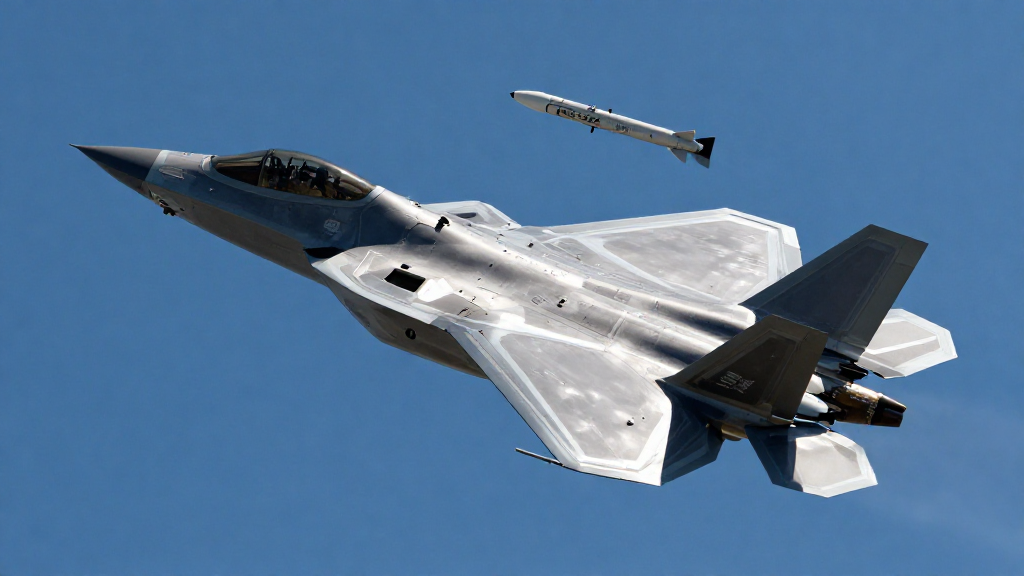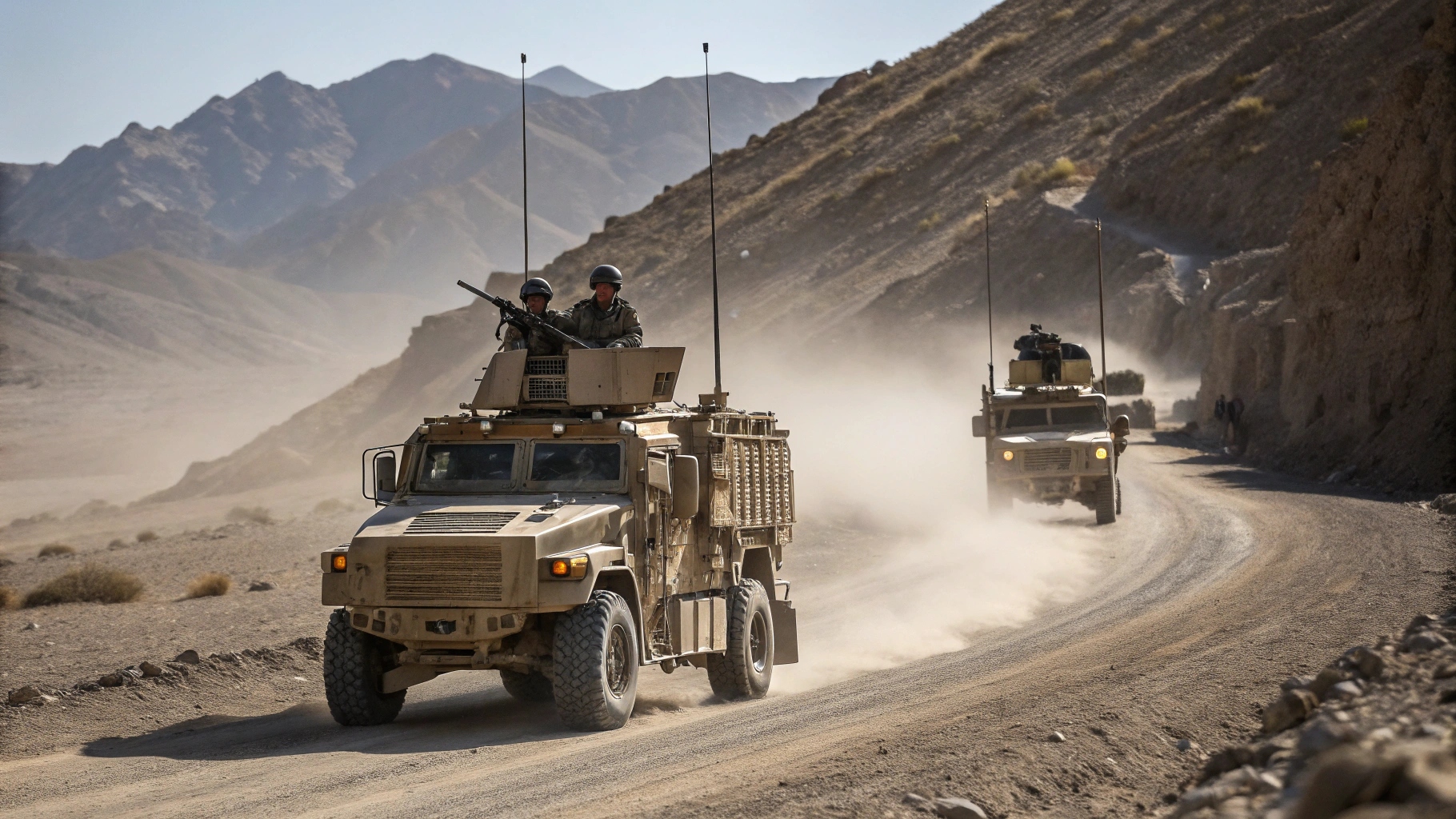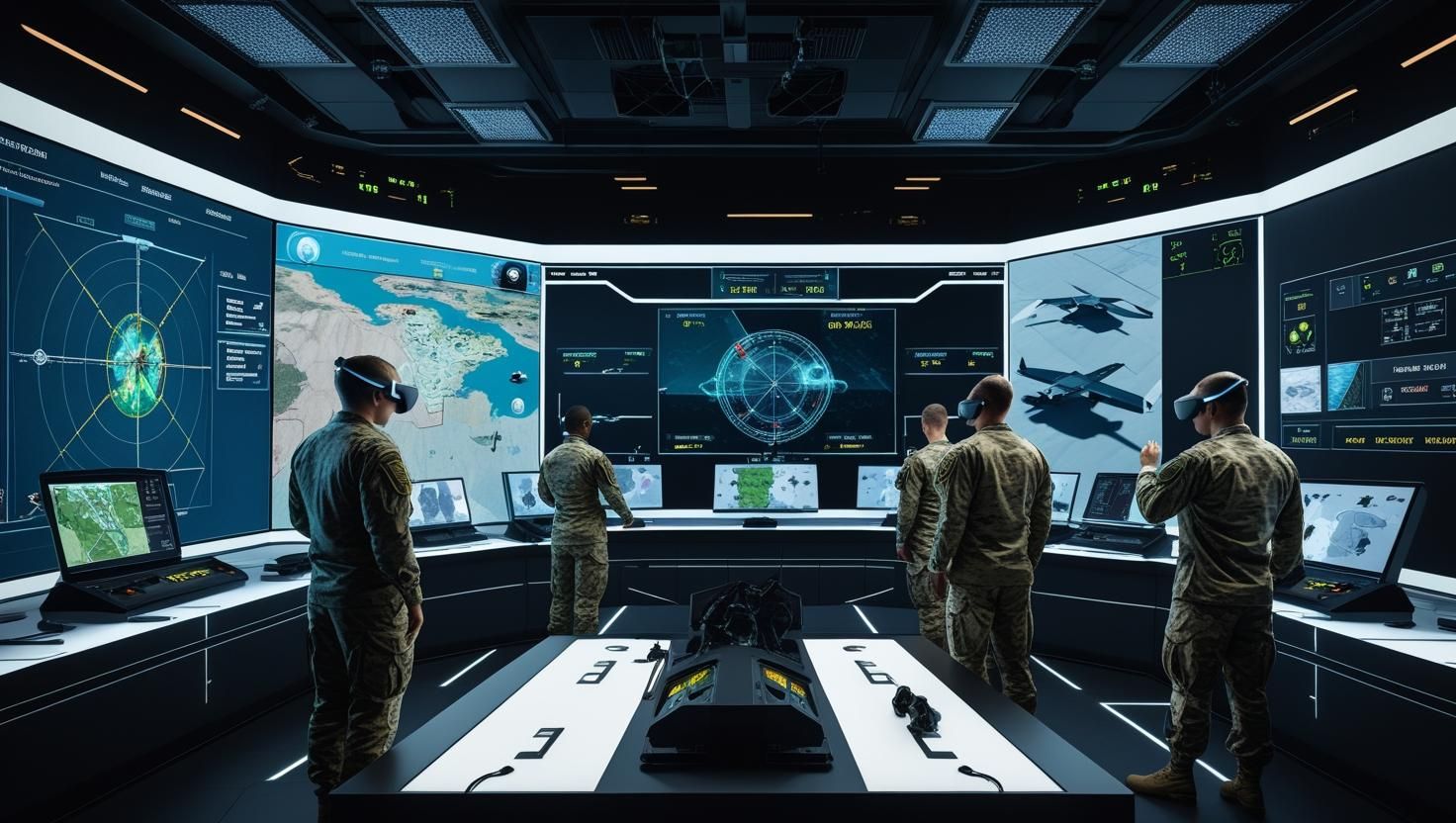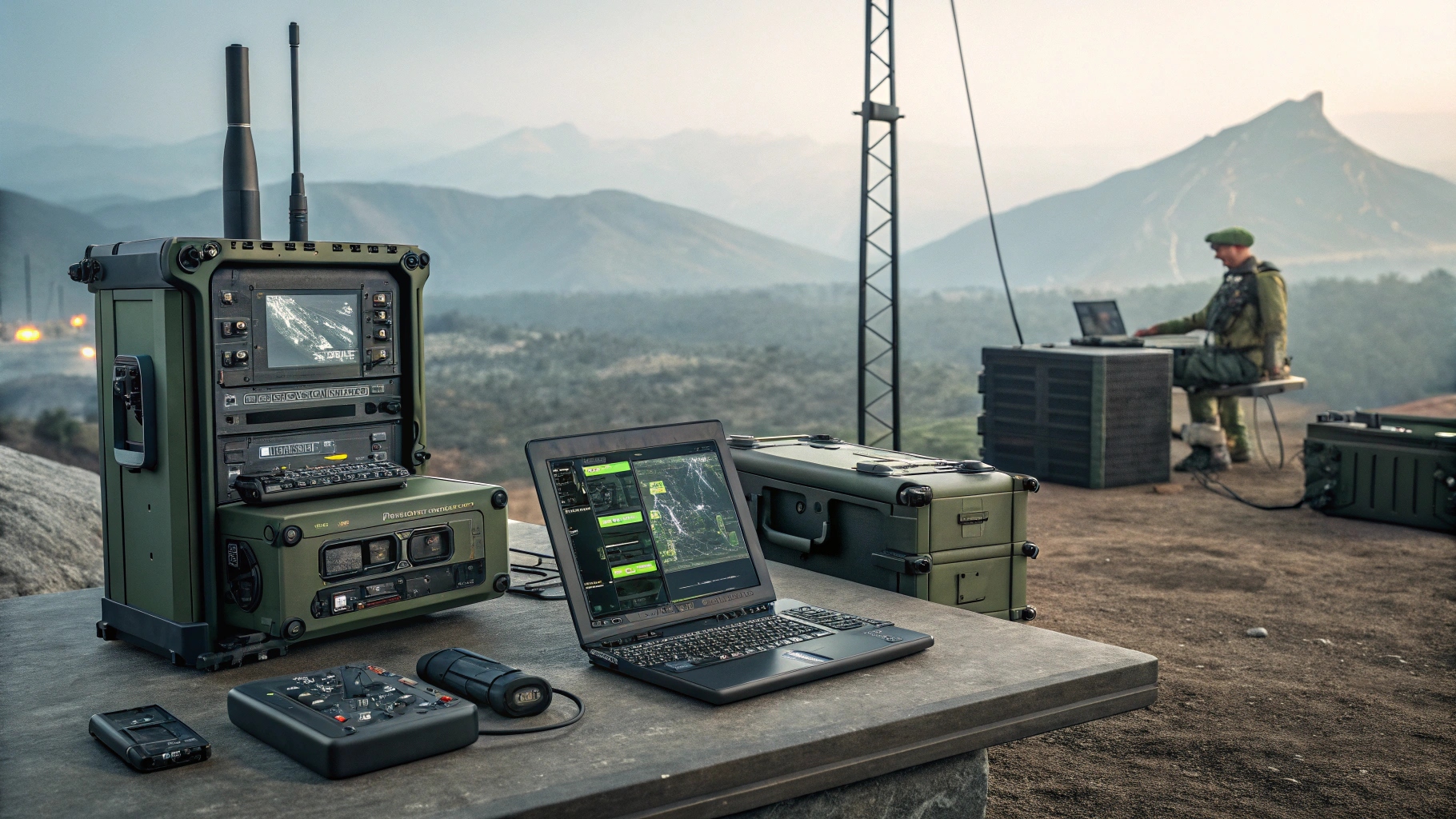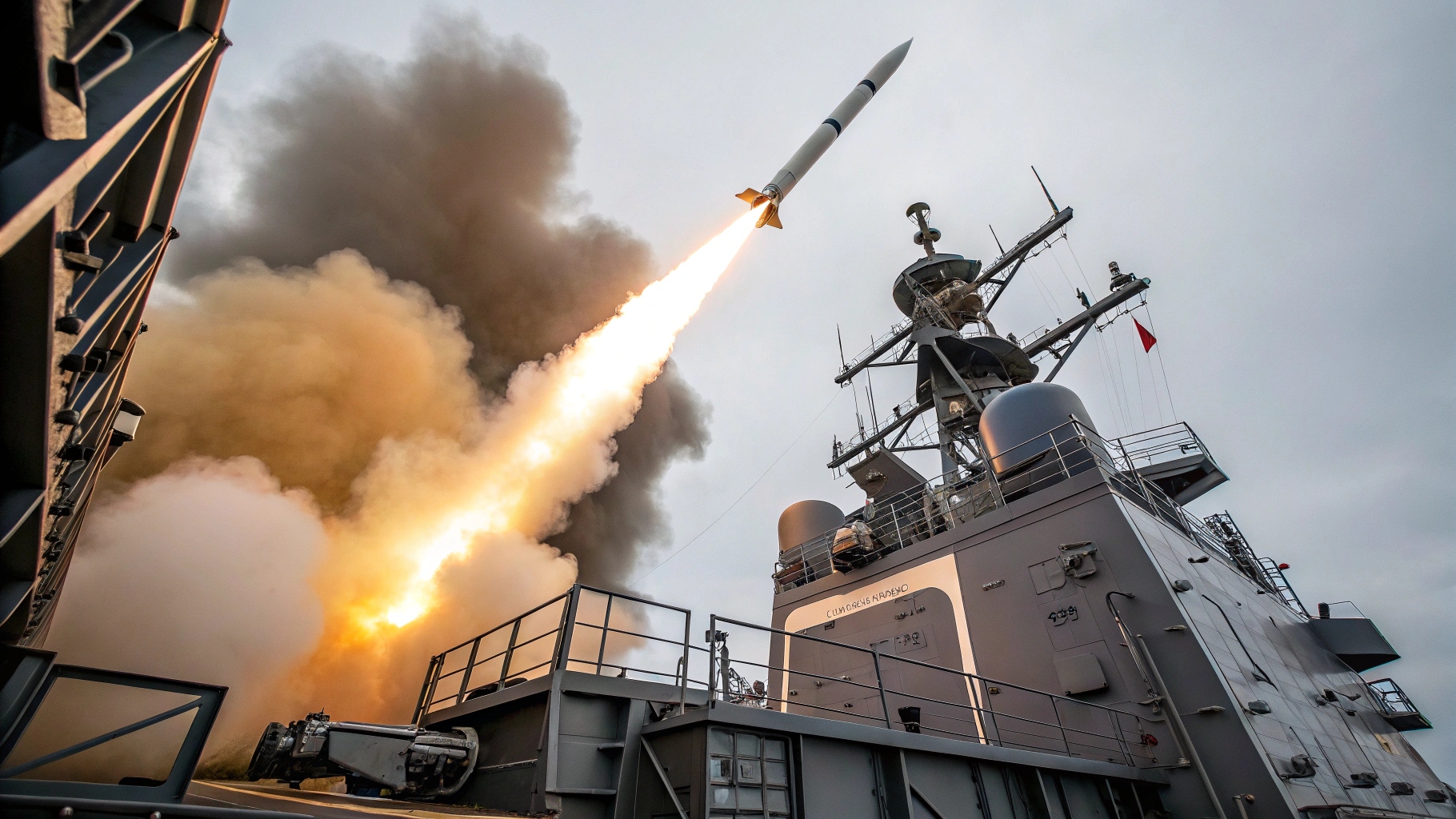

Turkey is accelerating the development of its national air defense architecture with fresh investments totaling $6.5 billion for its AI-driven “Steel Dome” system, according to local media reports. First announced in 2024, the Steel Dome initiative is designed to counter drones, aircraft, and missile threats across multiple ranges. Inspired by the layered-defense concept of Israel’s Iron Dome, the Turkish system integrates 47 major subsystems, including long-range radars, missile batteries, command-and-control centers, and short- to long-range interceptors.
Ankara has repeatedly emphasized that Steel Dome components will be entirely domestically developed, reinforcing Turkey’s strategic shift toward defense self-reliance. The project’s rapid progress comes amid heightened regional instability, with ongoing conflicts in Gaza, Syria, Lebanon, Iran, and the continuing Russia-Ukraine war increasing the urgency for a robust, multi-layer shield. Turkish leaders have described the Steel Dome as essential for national security and resilience against modern aerial threats.
Earlier in 2024, Turkey invested more than $460 million in supporting systems that form the core of the Steel Dome’s layered defense structure. These acquisitions included Hisar O 100 and Siper air defense platforms, Alp-series radar systems, the Puhu and Redet electronic warfare suites, and Korkut self-propelled anti-aircraft vehicles. Together, these assets enhance detection, tracking, and interception capabilities across altitudes and engagement ranges.
The Steel Dome initiative aligns with Turkey’s broader defense modernization push, which has significantly reduced foreign dependency—from nearly 80% two decades ago to under 20% today. Turkey’s defense exports continue to surge, driven heavily by its internationally recognized drone sector. Export revenues reached $7.15 billion in 2024, up from $5.5 billion the previous year, with official projections expecting sales to exceed $8 billion in 2025.