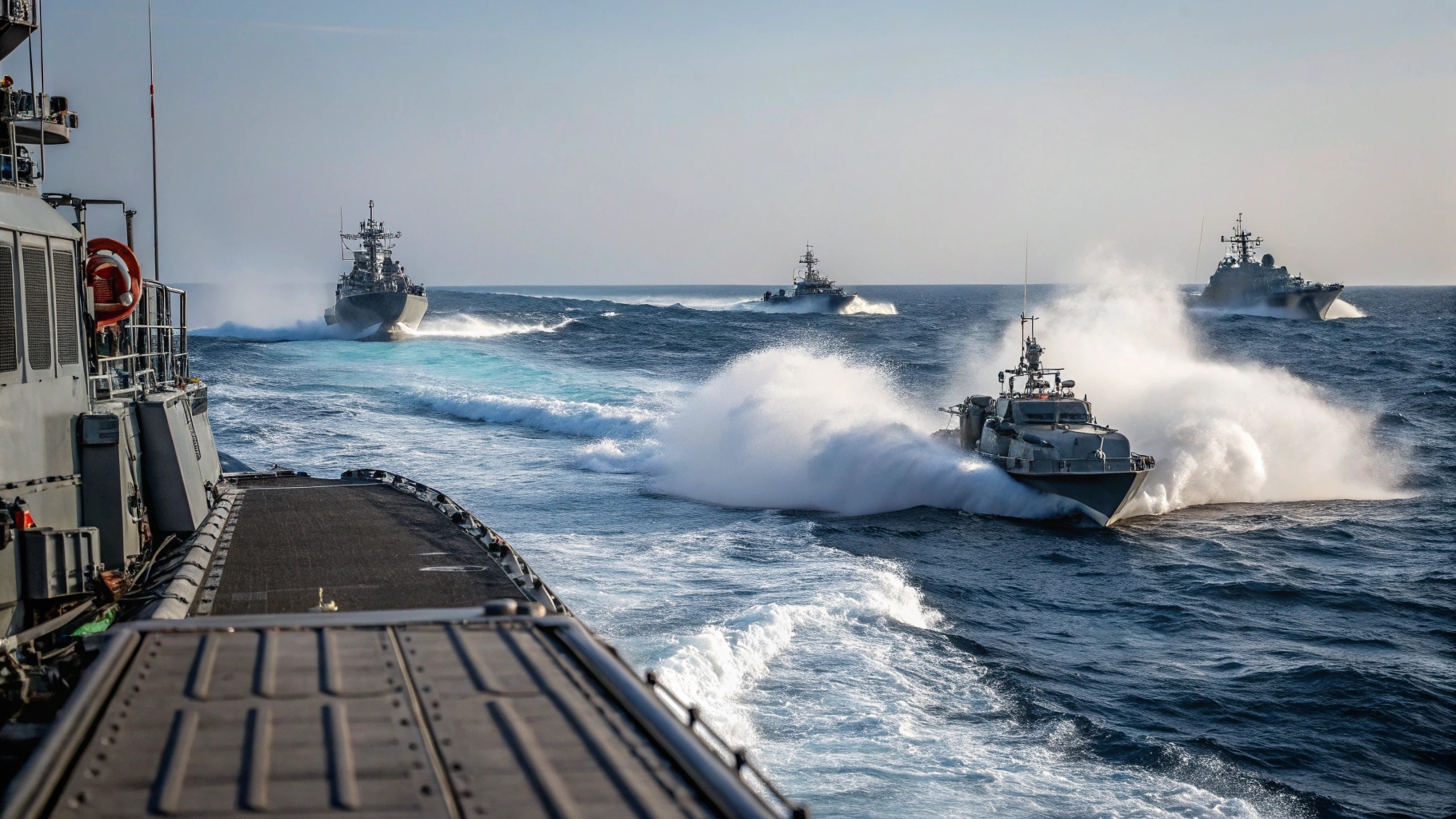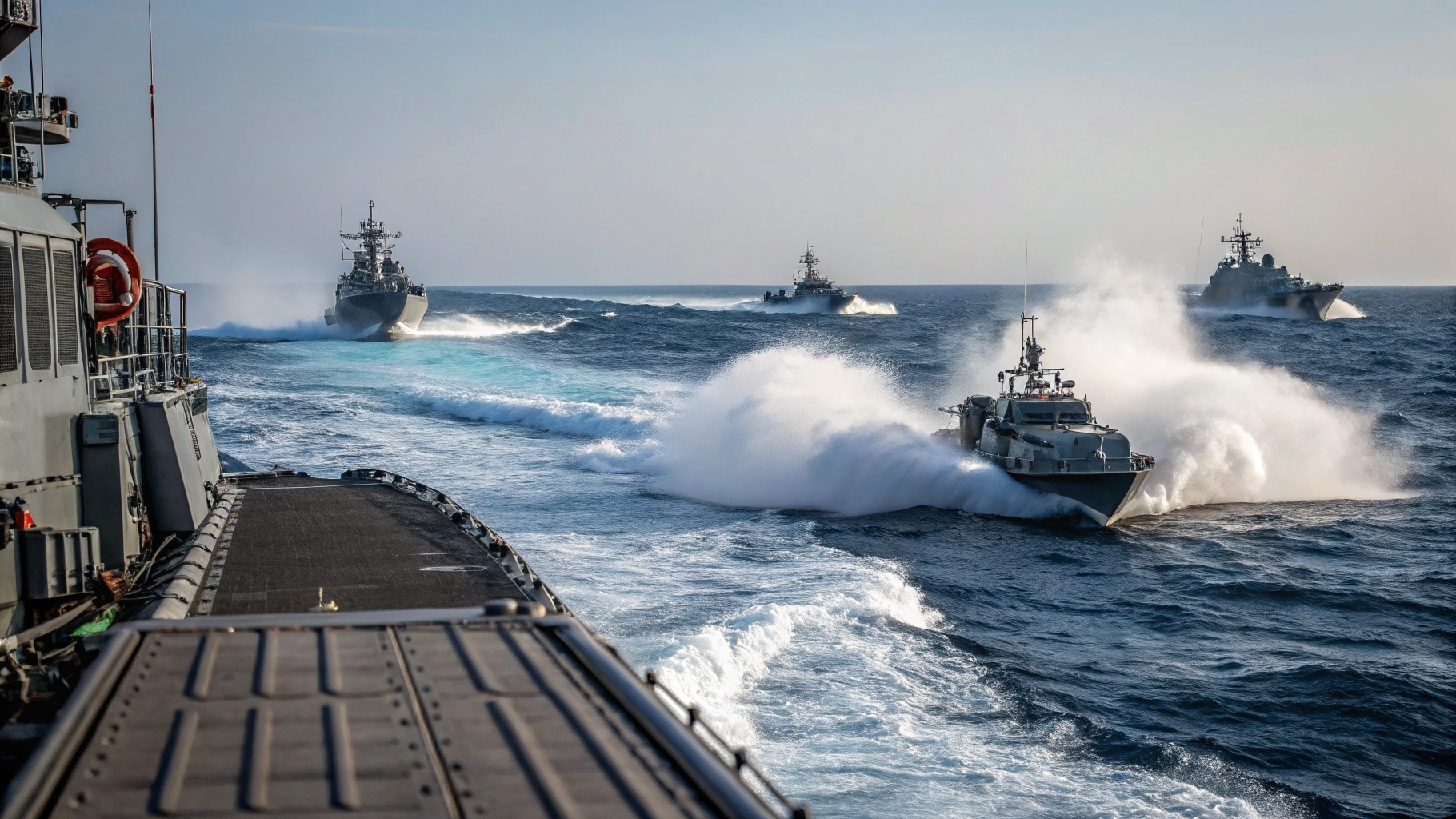

Sweden has signed an agreement worth approximately 47 billion Swedish kronor ($4.8 billion) with France’s state-owned shipbuilder Naval Group to procure four Frégate de Défense et d’Intervention (FDI) frigates.
The contract was finalized aboard the French Navy’s first FDI frigate, Amiral Ronarc’h (D660), in Stockholm, in the presence of French President Emmanuel Macron and Swedish Prime Minister Ulf Kristersson.
Once inducted, the vessels will form Sweden’s planned Luleå-class surface combatant fleet. The four frigates will be named after the coastal cities of Luleå, Norrköping, Trelleborg, and Halmstad. France is expected to deliver the ships annually between 2030 and 2034.
### Strengthening Baltic Sea Air Defense
The acquisition is intended to expand Sweden’s maritime defense capabilities and strengthen its contribution to air defense in the Baltic Sea region following the country’s accession to NATO in 2024.
Kristersson highlighted the ongoing war in Ukraine as evidence of the growing need to counter modern missile threats. The agreement also establishes a broader framework for deepening defense-industrial cooperation between France and Sweden.
The four-frigate package includes anti-ballistic missile interceptors, cruise missiles, torpedoes, and associated training.
### Luleå-Class Frigate Capabilities
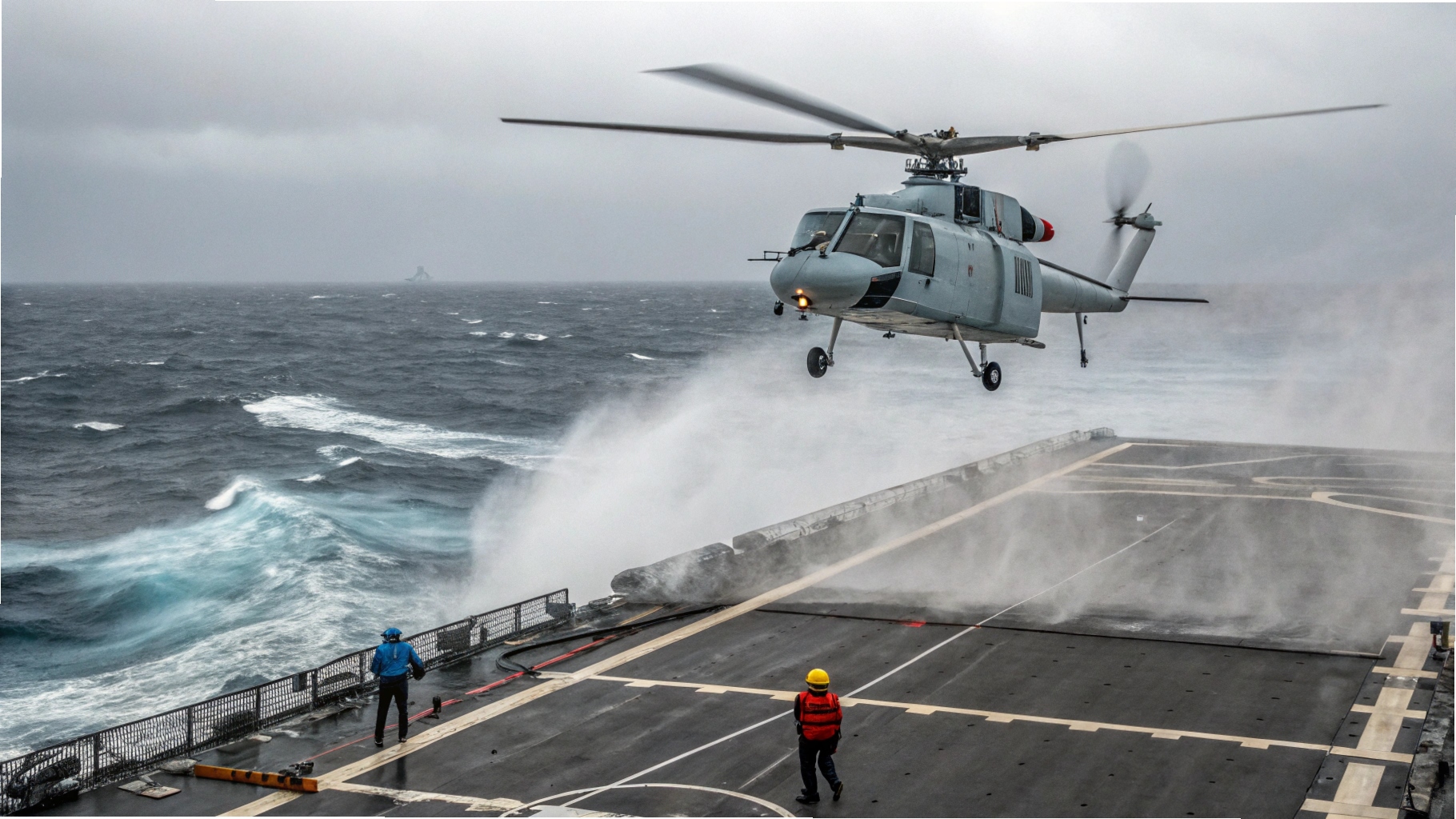
Sweden’s future Luleå-class frigates will measure 122 meters (400 feet) in length and 18 meters (59 feet) in beam. Each ship will accommodate more than 125 sailors, a rotary-wing aircraft comparable to the NH90, and an unmanned aerial system.
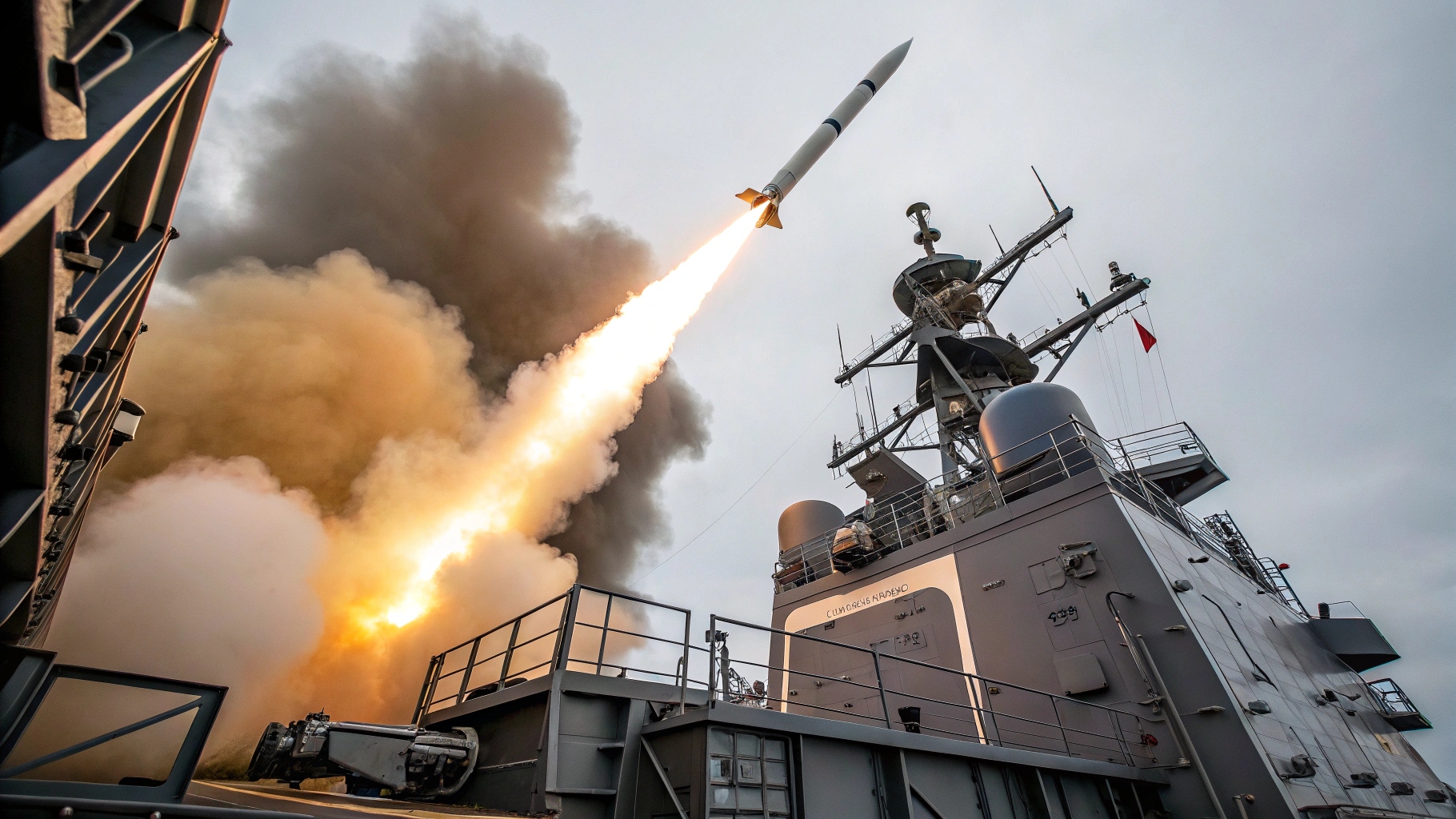
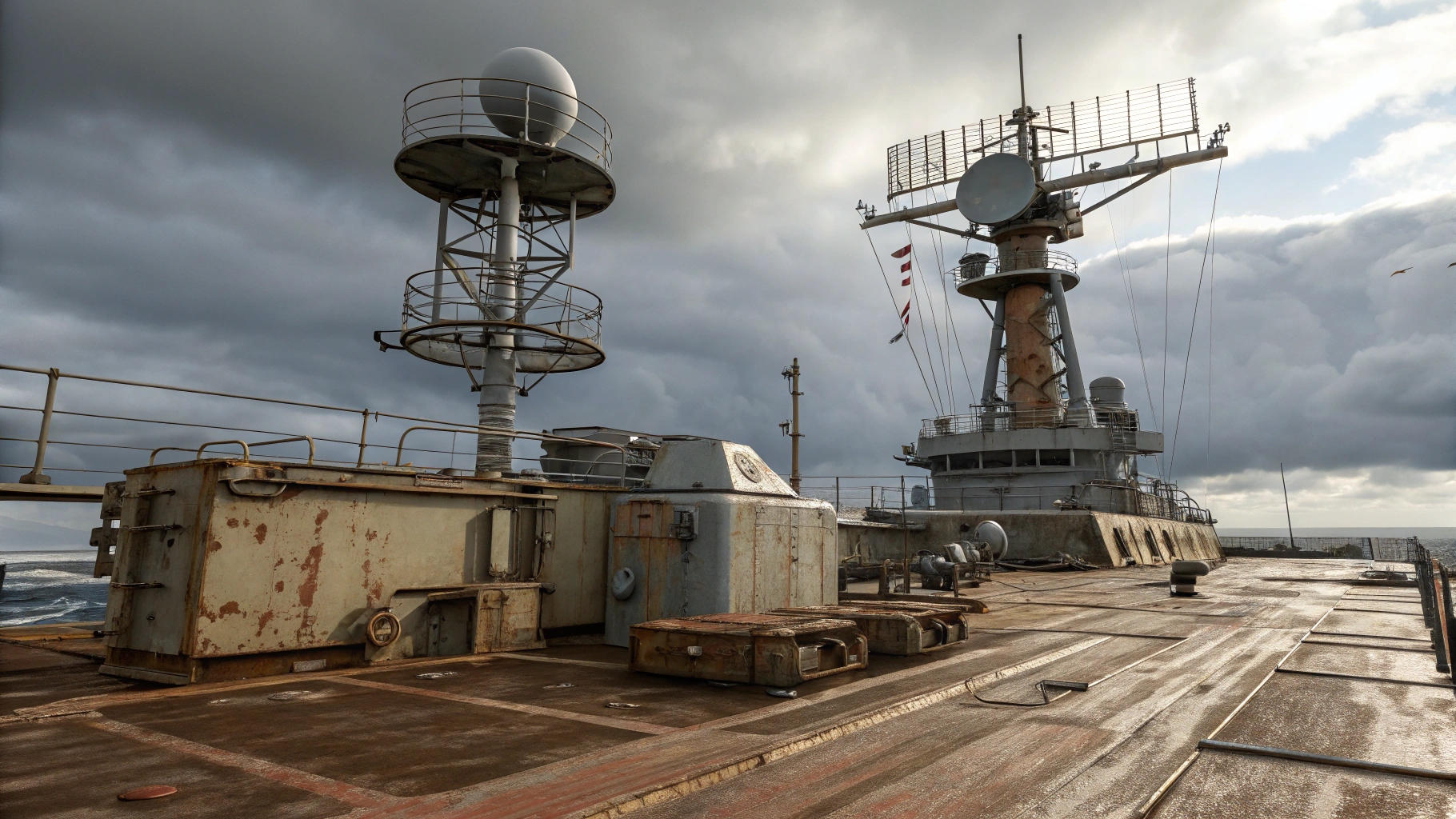
The vessels will feature Naval Group’s proprietary Setis combat management system, multiple sensors, an advanced digital communications network, navigation systems, and electronic warfare capabilities.
Their armament will include surface-to-air and anti-ship missiles, lightweight torpedoes, and 57mm and 40mm naval guns.
Powered by twin MTU 16V 8000 M91L engines producing a combined 43,000 horsepower, the frigates will achieve speeds exceeding 26 knots (48 kilometers/30 miles per hour). They will have a range of 5,000 nautical miles (9,260 kilometers/5,754 miles) and an endurance of up to 45 days of continuous operations.