
The US Air Force has awarded Lockheed Martin a $694 million contract to manufacture its Air-Launched Rapid Response Weapon (ARRW), marking a significant step toward advancing the hypersonic missile programme into production.
The contract follows several years of development and flight-testing of the air-launched weapon, which is designed to achieve speeds exceeding Mach 5. Lockheed Martin revealed that it had made advance investments in essential materials, equipment, and manufacturing infrastructure to prepare for production ahead of government funding.
To expand manufacturing capacity, the company has commenced construction of a 47,000-square-foot (4,366-square-metre) extension to its Building P-20 facility in Troy, Alabama. The expansion is expected to triple the facility’s existing production space dedicated to ARRW manufacturing and generate additional employment opportunities over the next four years.
Lockheed Martin has invested approximately $67 million in the facility expansion and associated equipment. The upgraded manufacturing infrastructure will incorporate advanced production processes, robotics, and digital technologies to improve manufacturing efficiency and support increased production requirements.
ARRW Hypersonic Missile
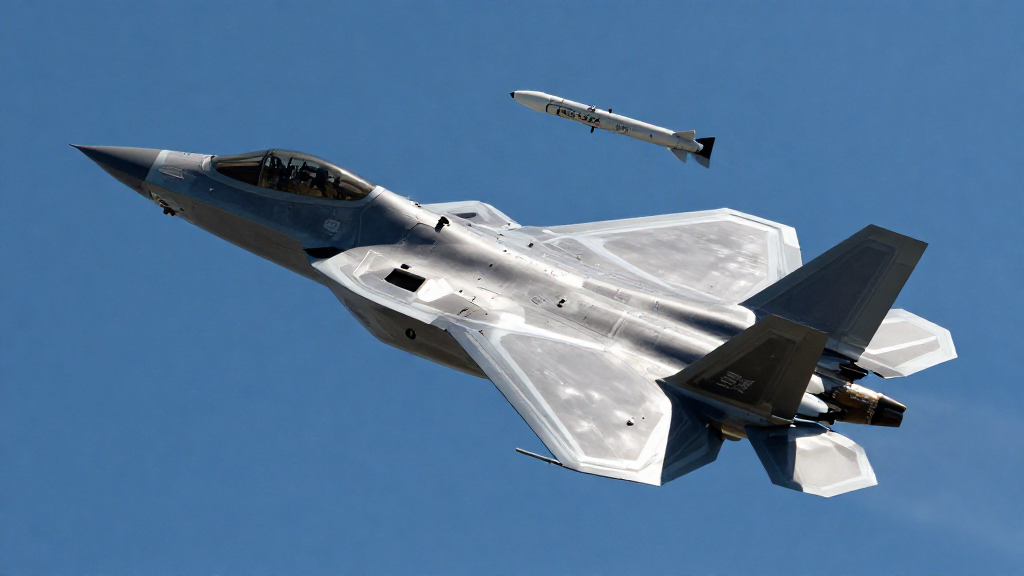
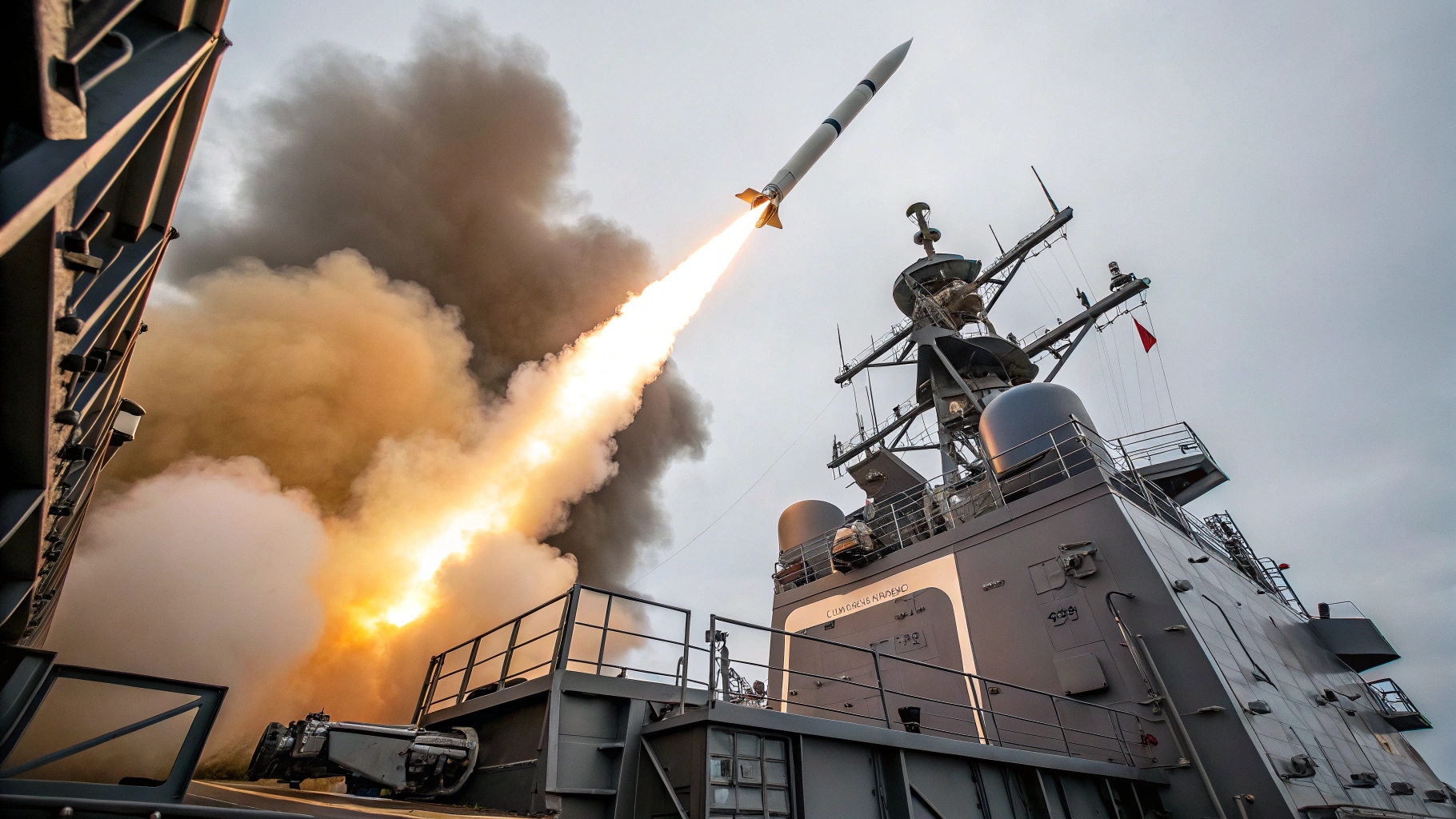
The Air-Launched Rapid Response Weapon (ARRW) is an air-launched boost-glide hypersonic weapon developed to engage high-value targets at extended ranges.
Designed for deployment from the US Air Force’s B-52 Stratofortress bomber, the missile uses a rocket booster to accelerate to hypersonic speeds before releasing its glide vehicle. The vehicle subsequently manoeuvres through the atmosphere at speeds exceeding Mach 5 towards its designated target.
Its combination of high velocity and manoeuvrability is intended to complicate interception by conventional air and missile defence systems. Air-launch capability also provides operational flexibility, allowing bombers to deploy the weapon from considerable distances without requiring ground-based launch infrastructure near hostile territory.
However, the ARRW programme has encountered several development and testing challenges over the years. These setbacks previously prompted the US Air Force to reconsider its investment priorities and explore reallocating resources towards other hypersonic weapon programmes.
The latest production contract and Lockheed Martin’s manufacturing expansion indicate continued investment in the ARRW programme, with the company preparing additional industrial capacity to support the weapon’s potential production requirements.