
The Indian Air Force’s decision to procure additional Tejas twin-seat trainer aircraft is reportedly driven by the introduction of an advanced pilot training framework known as LOHAR (Lead-in Fighter Trainer Optimized High-Altitude Readiness), a doctrine designed to prepare aircrew for the demands of fifth-generation and future combat aviation. Sources suggest the syllabus will serve as a critical stepping stone toward operating highly digitized aircraft such as the AMCA.
Rather than functioning purely as a jet trainer, the twin-seat Tejas is increasingly being utilized as a platform for developing skills in information warfare, sensor management, electronic warfare, secure networking, and collaborative combat operations. This shift reflects the growing complexity of modern air combat and the need to train pilots for data-driven battlespaces long before they enter frontline service.
The IAF had initially planned to acquire 29 twin-seat variants within the broader 97-aircraft Tejas procurement program. However, the emergence of the LOHAR concept and the increasing importance of network-centric warfare have reportedly prompted consideration of larger trainer numbers in future acquisition phases.
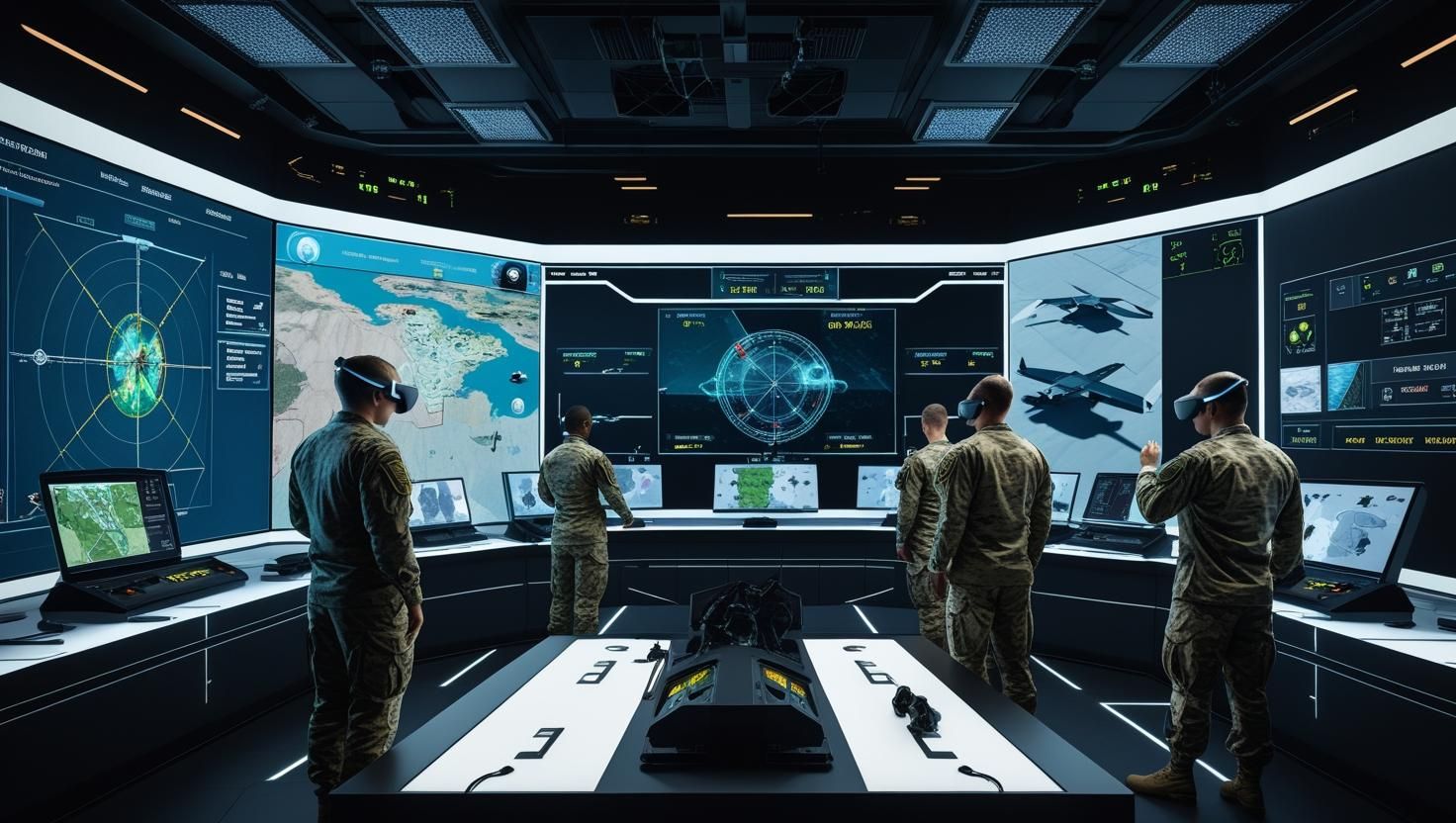
LOHAR introduces a major doctrinal shift by focusing on information dominance rather than purely aerodynamic proficiency. Early training phases develop advanced handling skills and high-performance flight techniques, while later stages immerse pilots in sensor-fusion operations, tactical data-link usage, low-signature combat tactics, and AESA radar management. Pilots learn to receive targeting information from external sources such as airborne early warning platforms while minimizing their own emissions, a key requirement for future combat operations.
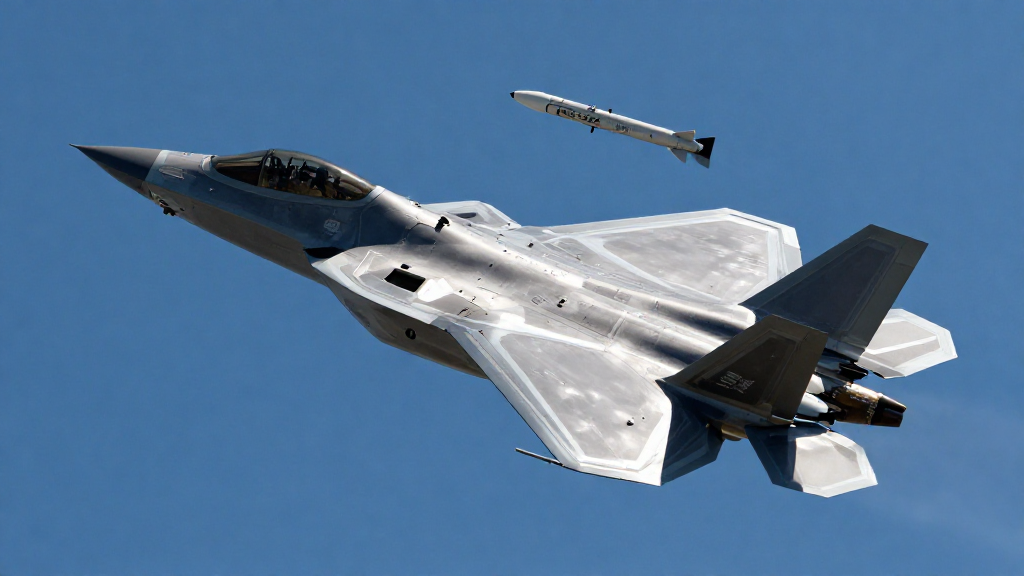
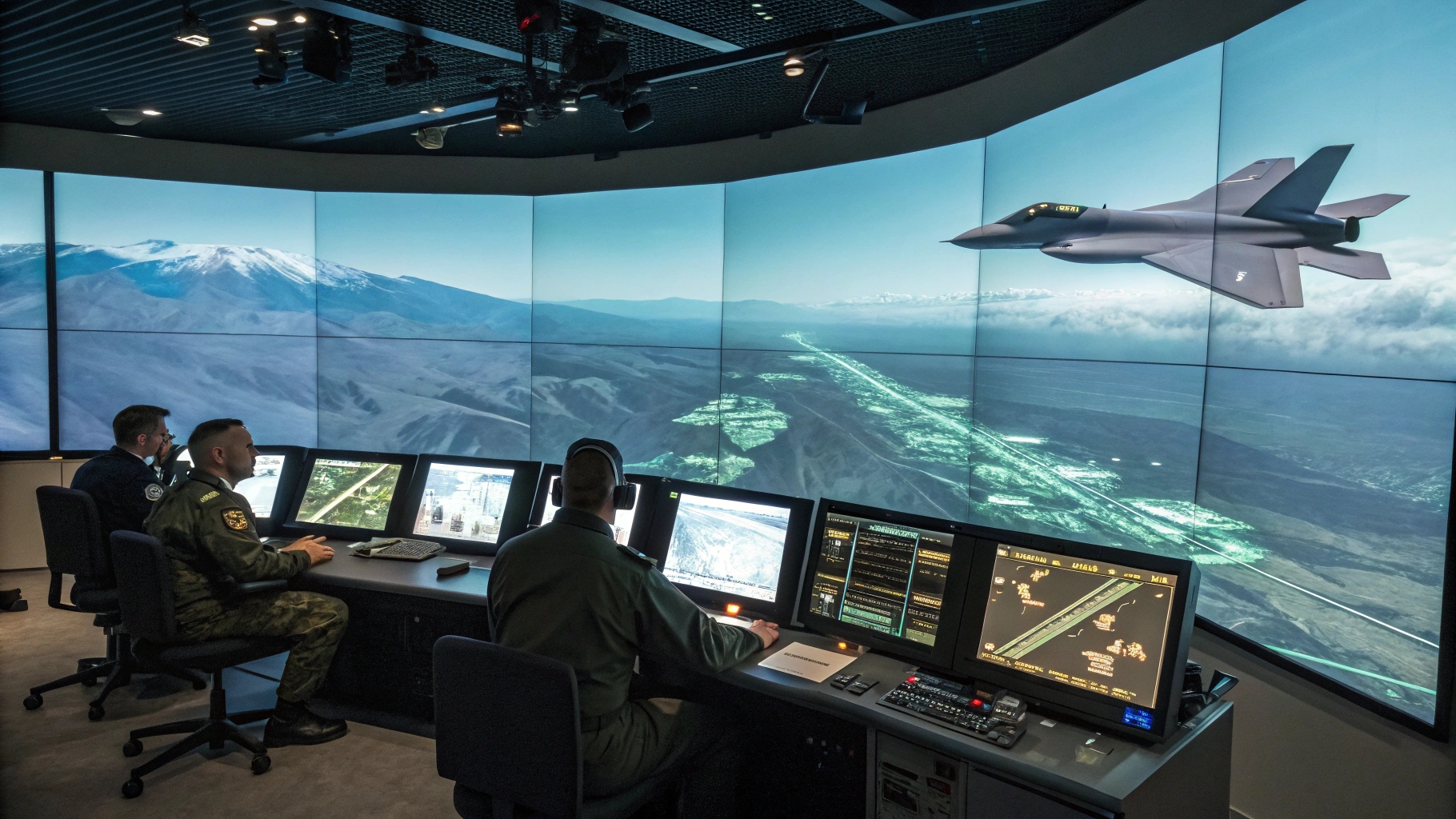
Electronic warfare training forms a central component of the syllabus, exposing pilots to simulated jamming, radar threats, deception tactics, and digital radio-frequency memory (DRFM) attacks. The program also includes extensive beyond-visual-range combat training with Astra and Derby missile scenarios, requiring pilots to complete numerous virtual engagements before progressing to operational fighter units.
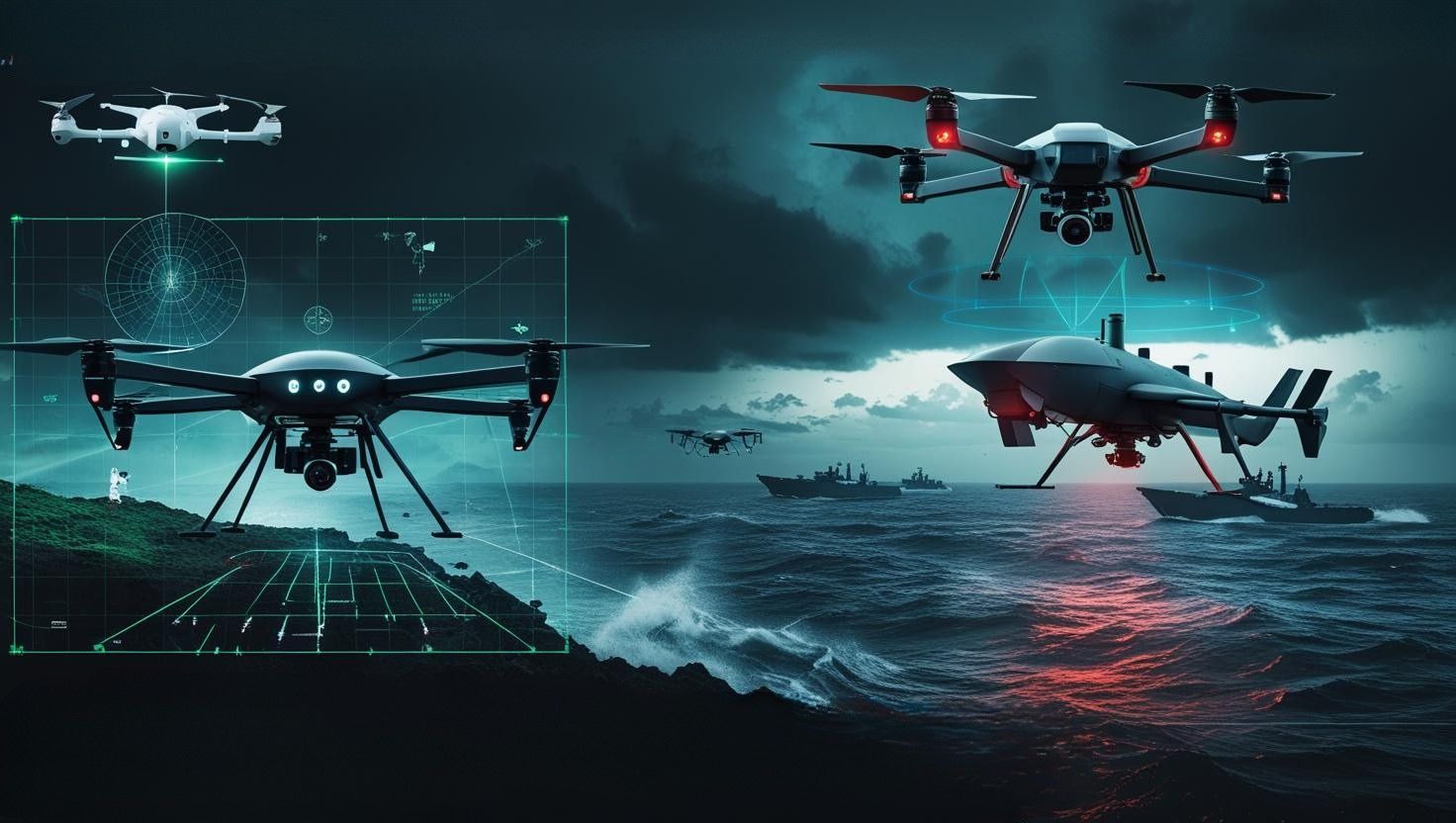
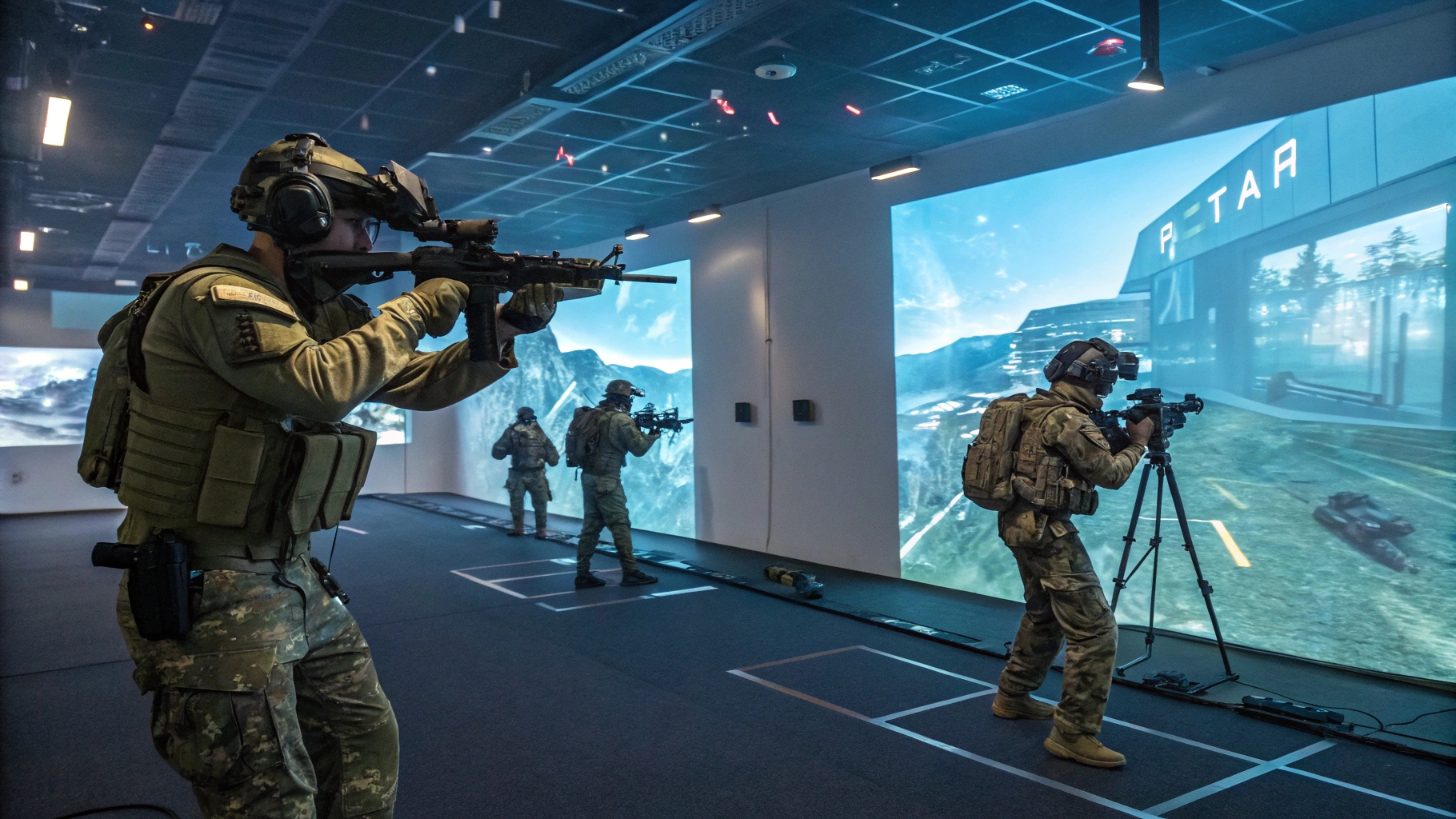
One of the most forward-looking elements of LOHAR is its emphasis on Human-Machine Teaming, with trainees practicing coordination with unmanned systems through the Virtual Training System environment. The initiative reflects the IAF’s effort to prepare future pilots for collaborative manned-unmanned operations that are expected to play a central role in next-generation air warfare. The successful completion of the first LOHAR training cycle at TACDE marks a significant step toward transforming India’s fighter pilot training ecosystem from a traditional flight-focused model to one centered on information, networking, and advanced combat management.