
The US Navy has awarded a combined $7.13 billion contract to 28 companies to develop, upgrade and support electronic warfare systems designed to protect its surface fleet against anti-ship missile threats.
The indefinite-delivery/indefinite-quantity (IDIQ) multiple-award contract covers the Surface Electronic Warfare Improvement Program (SEWIP) family of systems. The contract has a potential performance period extending through November 2036, provided all available options are exercised.
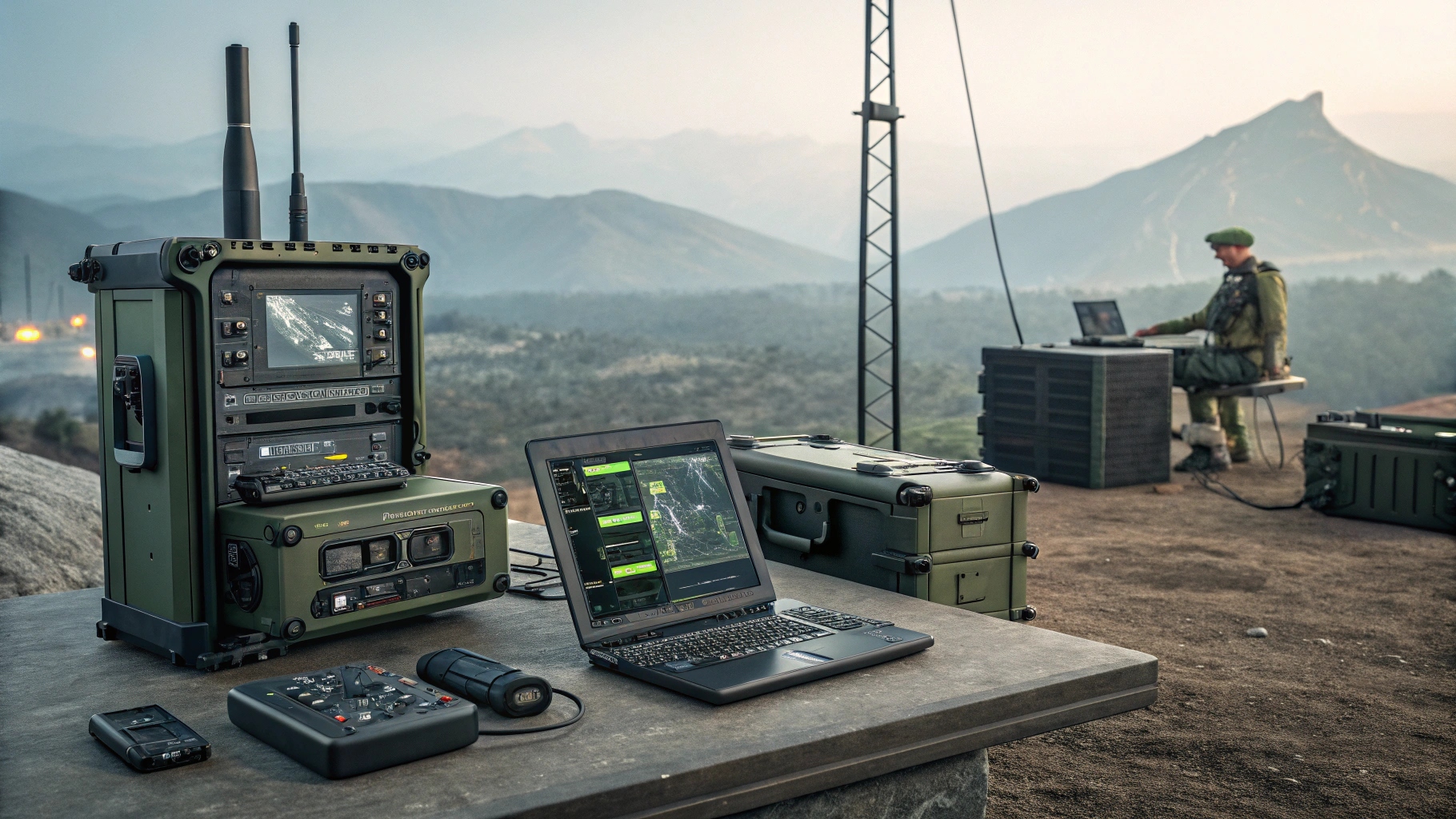
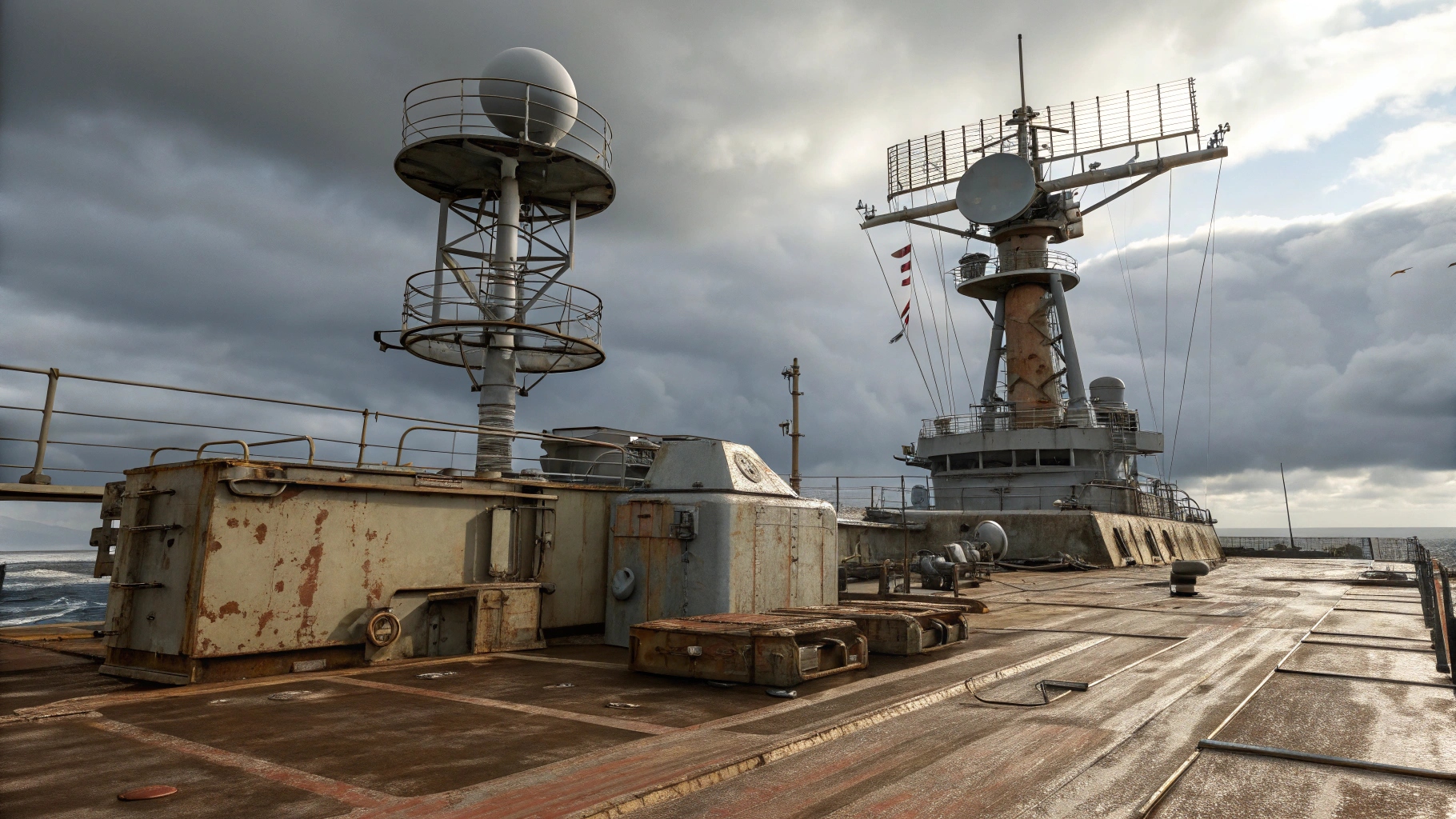
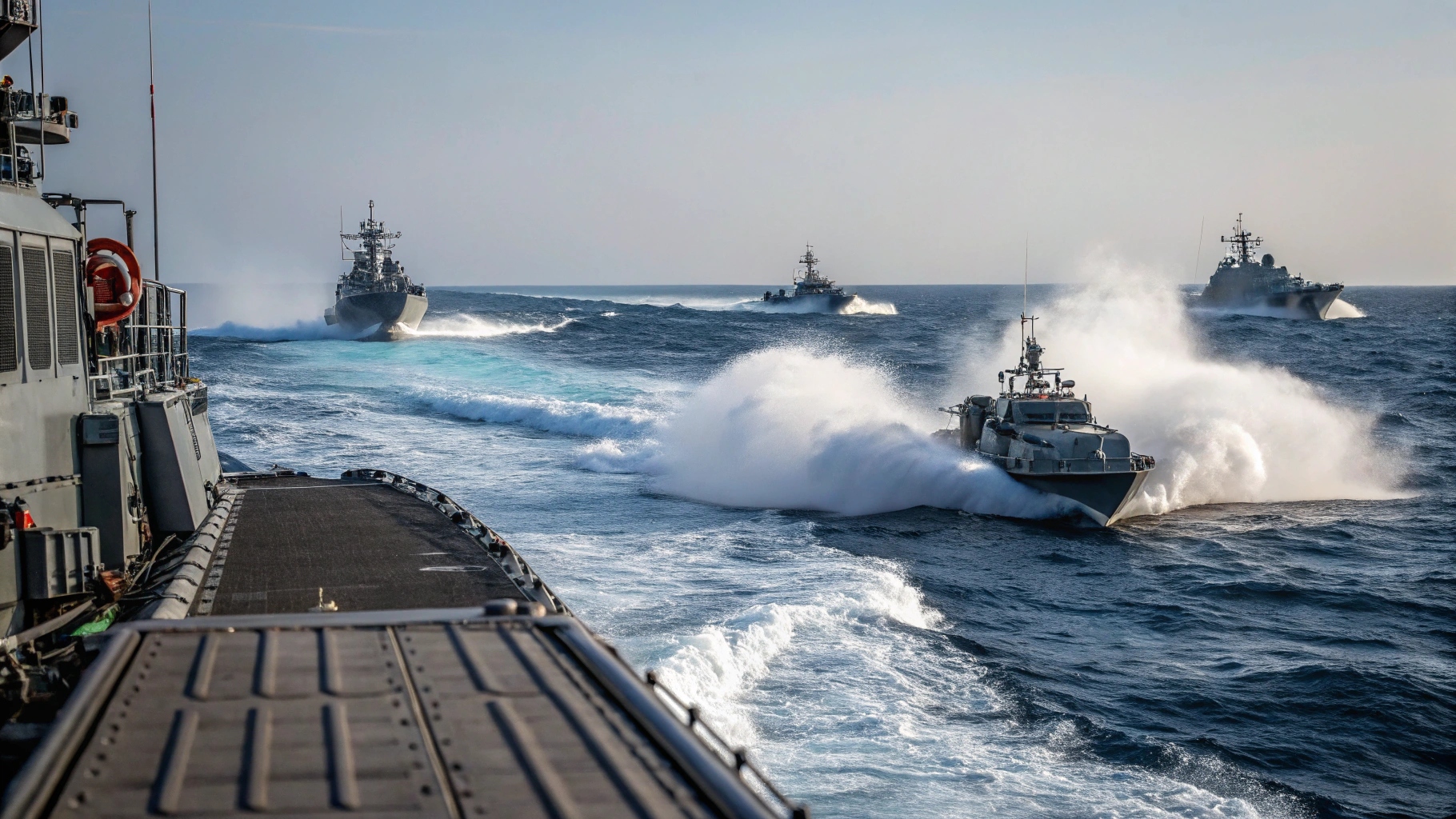
SEWIP comprises a series of technological upgrades to the AN/SLQ-32 electronic warfare suite deployed aboard US Navy destroyers, cruisers and other surface combatants. The integrated capabilities are designed to provide early threat detection, signal analysis, electronic warning and protection against anti-ship missiles. These systems are also deployed across US Coast Guard and allied naval platforms.
The selected contractors include major defence companies such as Lockheed Martin, Northrop Grumman, Raytheon, BAE Systems, General Dynamics Mission Systems, HII Mission Technologies, Leidos and CACI. Several small businesses, including Frequency Electronics, Distributed Spectrum, Innovative Defense Technologies and Simventions, are also among the awardees. The Navy received 31 proposals for the contract.
The announcement comes as the US Navy has deployed a third carrier strike group to the Middle East amid efforts to enforce the blockade against Iran, highlighting the importance of advanced electronic warfare capabilities in contested maritime environments.
SEWIP’s Four Development Blocks
The US Navy initiated the SEWIP programme in July 2002 following the cancellation of its Advanced Integrated Electronic Warfare System. The programme was established to progressively modernise the AN/SLQ-32 electronic warfare suite through four development blocks.
Block 1: Enhanced operator displays and introduced specific emitter identification capabilities, along with high-gain, high-sensitivity receivers to improve threat identification.
Block 2: Upgraded the electronic support antenna and receiver systems, achieving full-rate production in September 2016.
Block 3: Introduced electronic attack capabilities, including active jamming, to disrupt and counter hostile radar and missile guidance systems.
Block 4: Planned to incorporate electro-optical and infrared sensing technologies to expand detection and situational awareness capabilities.
Northrop Grumman developed the Block 3 configuration, designated AN/SLQ-32(V)7. The system was initially installed aboard the USS Pinckney as part of the DDG MOD 2.0 destroyer modernisation programme. Three additional destroyers were identified as test platforms, according to a January 2024 report by USNI News. However, the latest production status of Block 3 has not been established in the available reporting.
The $7.13 billion award further strengthens the US Navy’s investment in next-generation electronic warfare and maritime defence technologies. It also follows other naval procurement developments announced this month, including an HII contract for an additional 82 Lionfish unmanned underwater vehicles.
The contract comes amid ongoing discussions over the US fiscal year 2027 defence budget, with Senate appropriators proposing approximately $1.1 trillion in defence spending. These investments reflect the growing priority placed on strengthening naval survivability, electronic warfare readiness and integrated maritime threat protection.