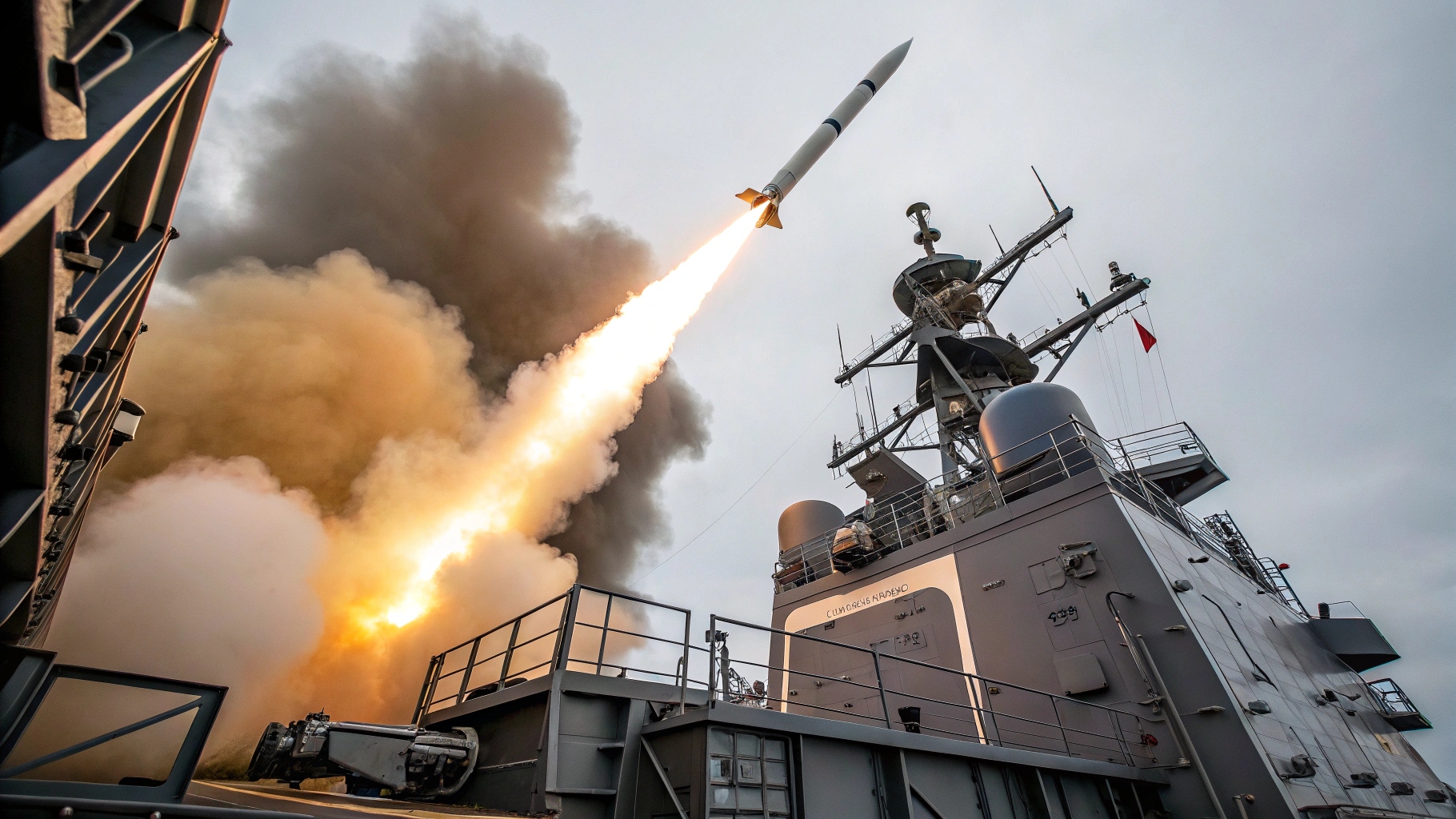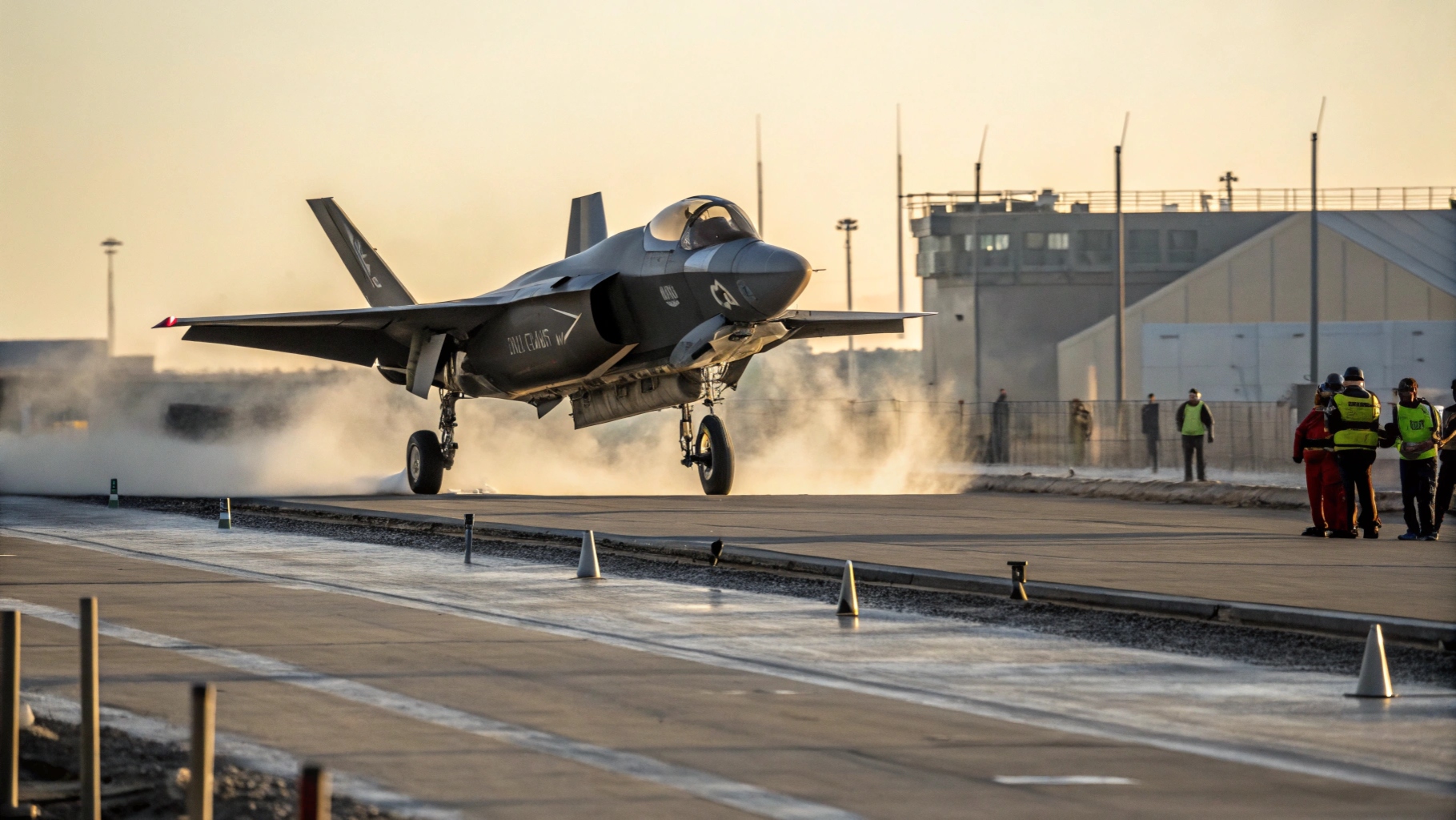

The US Department of Defense has awarded Boeing and RTX two seven-year framework agreements aimed at expanding the supply of key components for the Standard Missile-3 (SM-3) Block IB and Block IIA interceptors, strengthening the production base for the US Navy’s ballistic missile defense capabilities.
Boeing will increase the manufacturing of avionics and ejector assemblies used in both SM-3 variants, helping support a higher rate of interceptor production for the Aegis Ballistic Missile Defense System. The agreements also allow the company to initiate component manufacturing as discussions continue toward a long-term, multi-year production arrangement.
Expanding US Missile Manufacturing
The move aligns with the administration’s “Arsenal of Freedom” initiative and the Defense Department’s objective of speeding up the availability of critical military capabilities. The effort comes after Lockheed Martin received a contract worth as much as $53.86 billion to expand PAC-3 MSE interceptor production through 2033.
In parallel, the US Navy and Lockheed Martin are pursuing the integration of the PAC-3 MSE missile into the Aegis system aboard Ticonderoga-class cruisers and Arleigh Burke-class destroyers. Originally developed for the Patriot air defense system, the interceptor could provide naval forces with an additional layer of protection against increasingly complex air and missile threats.
Lockheed Martin has also received a separate multibillion-dollar award to increase the production of THAAD interceptors, further supporting US capabilities to counter ballistic missiles during both atmospheric and exo-atmospheric phases of flight.