Indian Air Force Garud Commandos Set to Receive High-Altitude Micro UAV Capability
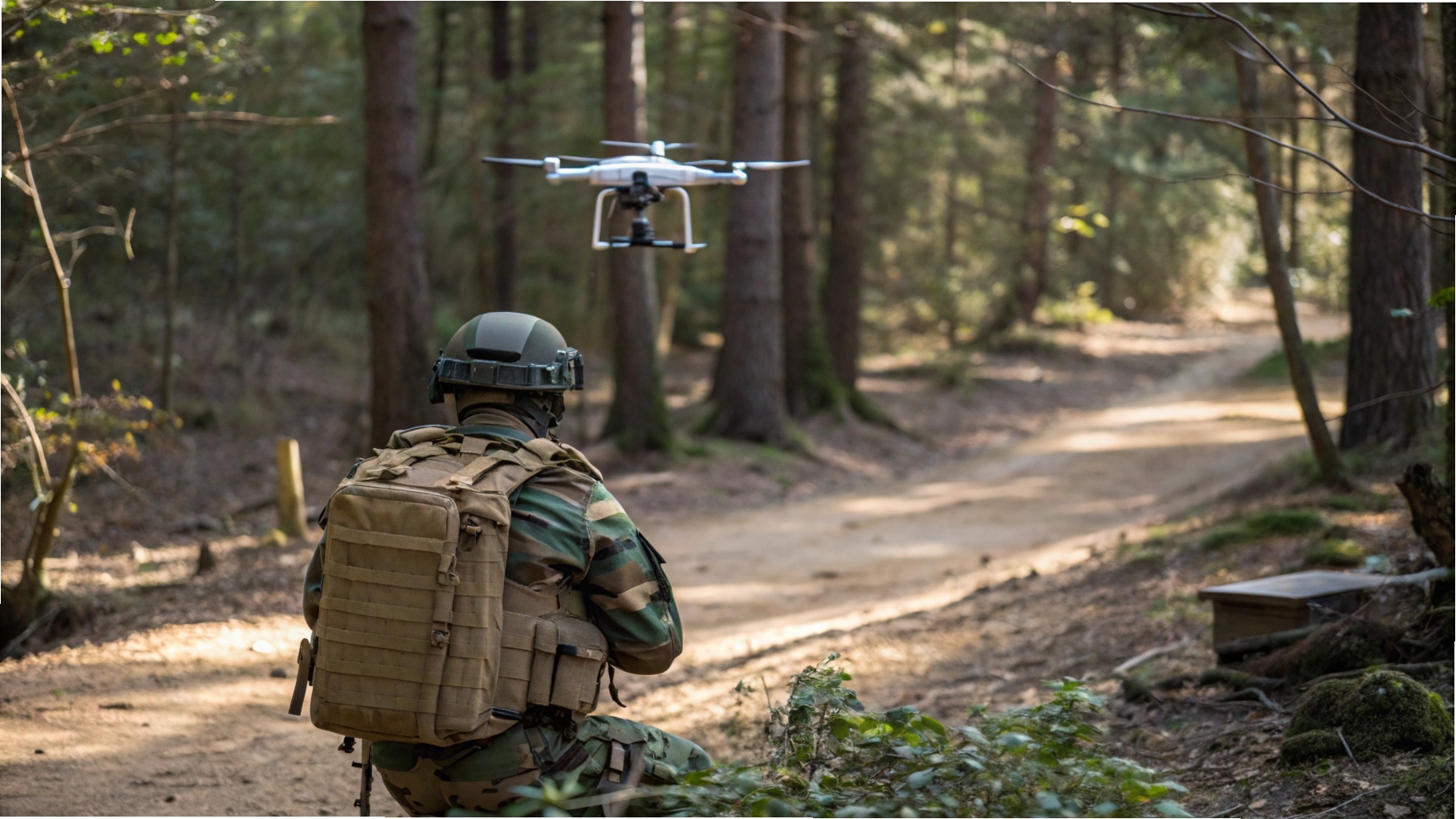
The Ministry of Defence has issued a Request for Information (RFI) for the acquisition of next-generation Micro Unmanned Aerial Vehicle (UAV) systems for the Indian Air Force’s Garud Special Forces, marking another step in strengthening India’s special operations surveillance capability.
The procurement seeks participation from both domestic and international manufacturers capable of supplying lightweight, military-grade drones designed for intelligence, surveillance, reconnaissance (ISR), and target acquisition missions across demanding operational environments, including the Himalayan region.
The requirement reflects the Indian military’s growing emphasis on equipping special forces with compact unmanned systems capable of delivering reliable battlefield intelligence in areas where conventional reconnaissance platforms face operational constraints.
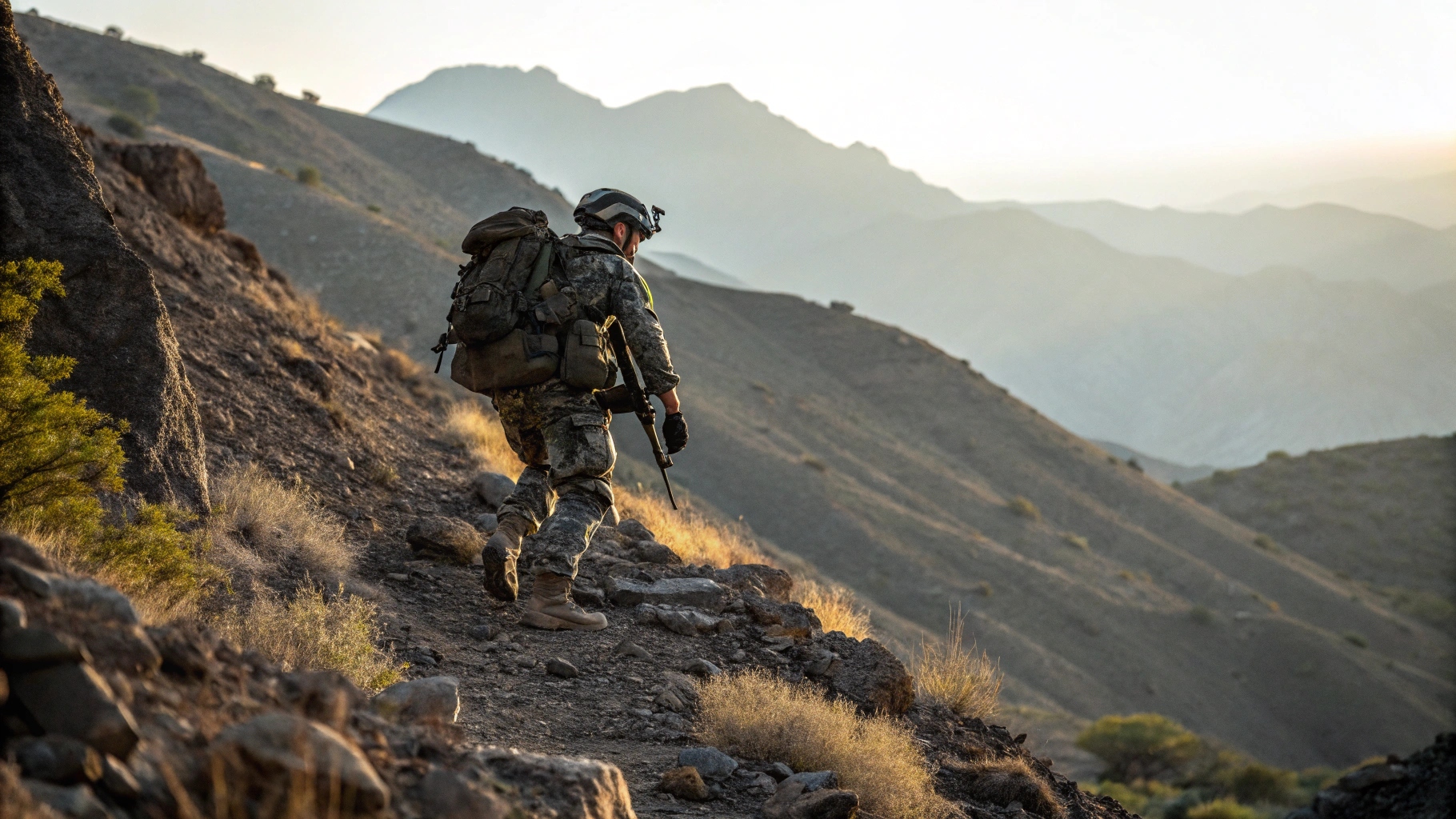
According to the RFI, the complete Micro UAV package must be transportable by two operators using two weather-resistant backpacks, with the total system weight limited to approximately 25 kilograms (±20%). The aerial platform itself should weigh around 12 kilograms (±20%), allowing Garud personnel to rapidly deploy the system during tactical missions.
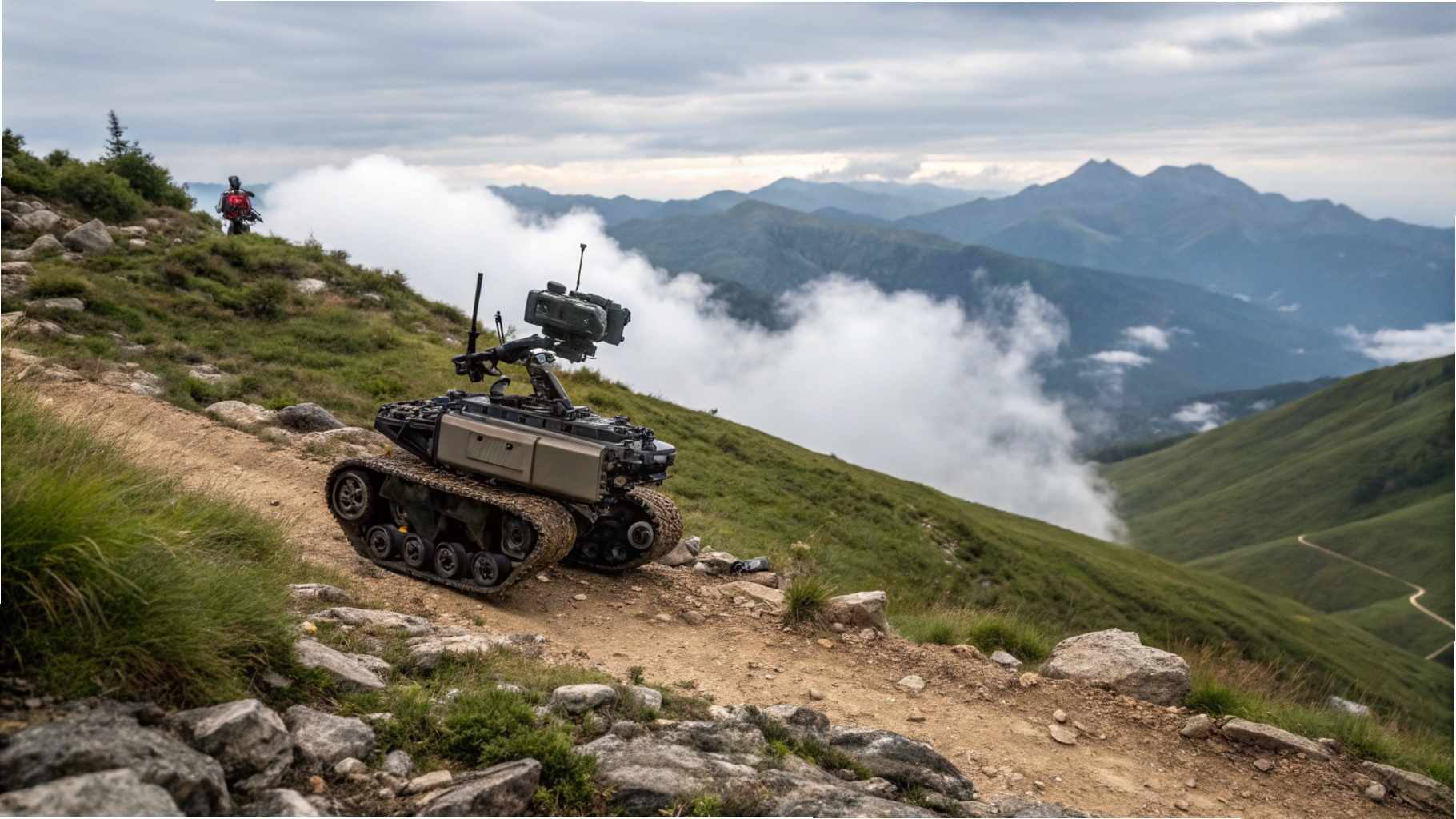
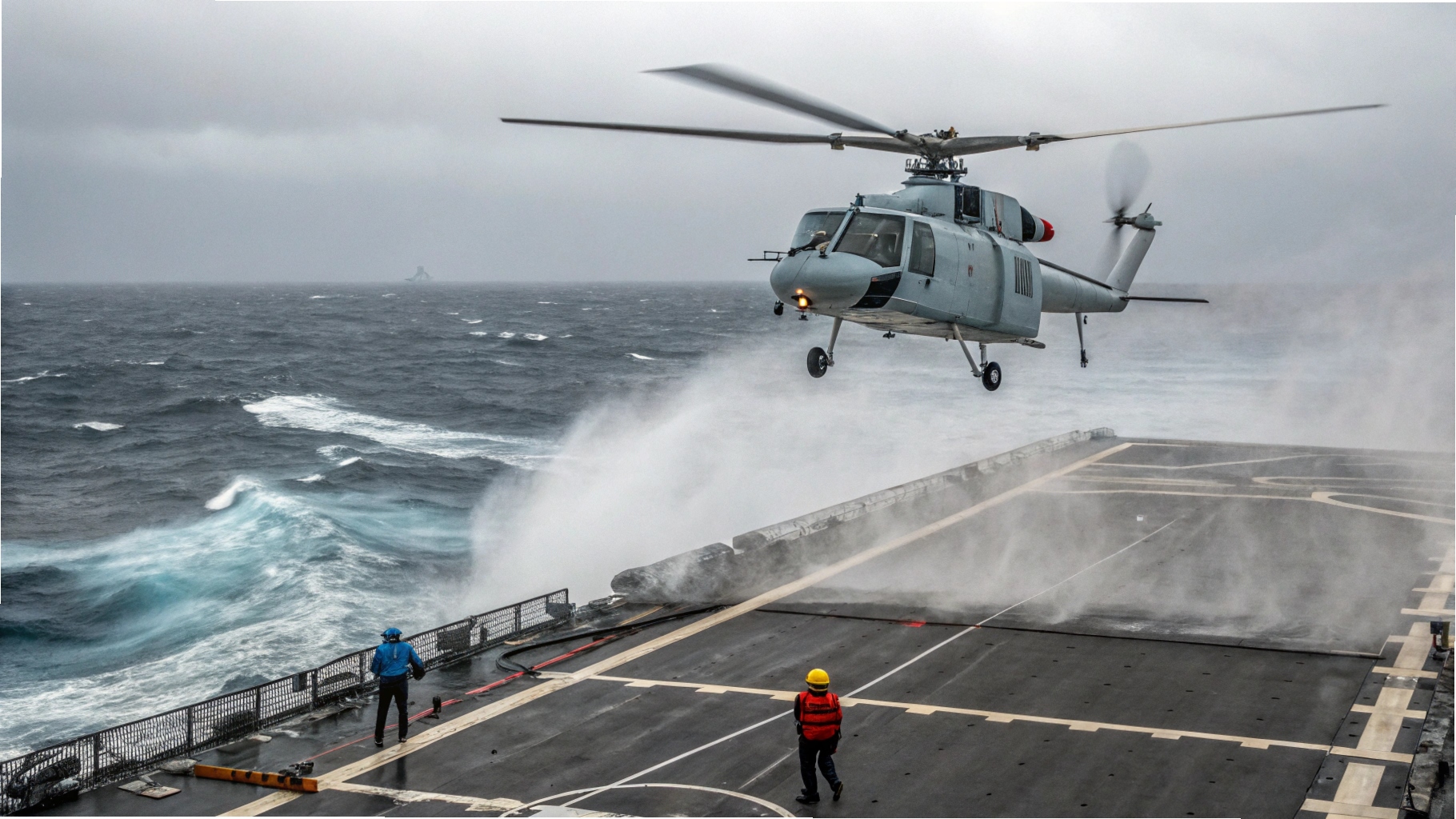
The Ministry has identified a twin-rotor coaxial VTOL configuration as its preferred solution, enabling autonomous take-off and landing without the need for runways. Such a configuration would allow operations from confined locations including mountain ridges, temporary forward operating bases, and isolated observation posts.
A key requirement is the drone’s ability to perform in high-altitude environments. The UAV must be capable of operating from launch sites located up to 16,400 feet AMSL while climbing to at least 1,700 feet AGL and maintaining stable flight characteristics.
Performance requirements include a minimum endurance of one hour and an operational radius of 15 kilometers using secure line-of-sight communications. The platform must also withstand winds of up to 30 km/h during VTOL operations and 50 km/h during flight to ensure reliable deployment under harsh mountain weather conditions.
The Ministry has mandated compliance with military standards for durability and electromagnetic compatibility. The system must meet MIL-STD-810 environmental standards and MIL-STD-461 electromagnetic compatibility requirements. The UAV itself must achieve at least an IP56 protection rating, while the EO/IR payload is required to meet IP65 specifications.
For surveillance missions, the UAV will carry a stabilized electro-optical and infrared sensor package incorporating a Full HD daytime camera with a minimum resolution of 1920×1080 pixels, 30x continuous optical zoom, a minimum 28-degree wide field of view, and a narrow field of view of 2 degrees or less for precision observation.
The sensor suite will also integrate a long-wave infrared thermal camera, enabling effective target detection during nighttime operations and in poor weather or degraded visibility conditions.
Mission flexibility remains central to the requirement. The UAV must support autonomous navigation, manual control, target tracking, loitering missions, and automatic Return-to-Home functionality to ensure safe recovery following communication interruptions or low battery warnings.
Secure battlefield connectivity is another major requirement. Encrypted communications between the UAV, Ground Control Station, and troop-carried Remote Video Terminals will provide real-time intelligence while reducing susceptibility to electronic warfare and signal interception.
The platform must support multiple satellite navigation constellations, including GPS, GLONASS, and India’s NavIC/IRNSS, while remaining compatible with Defence Series Maps, the WGS-84 geodetic reference system, and Indian Military Grid Reference coordinates.
Each system package will comprise two UAVs, spare battery sets, a portable Ground Control Station, two Remote Video Terminals capable of controlling the aircraft, dual EO/IR payloads, RF data-link equipment, charging systems, maintenance kits, and weather-resistant carrying backpacks.
The Ministry has specified an operational lifespan of seven years or 500 landings, demonstrating its requirement for a highly durable, mission-ready Micro UAV capable of supporting long-term deployment in India’s most demanding operational theatres.