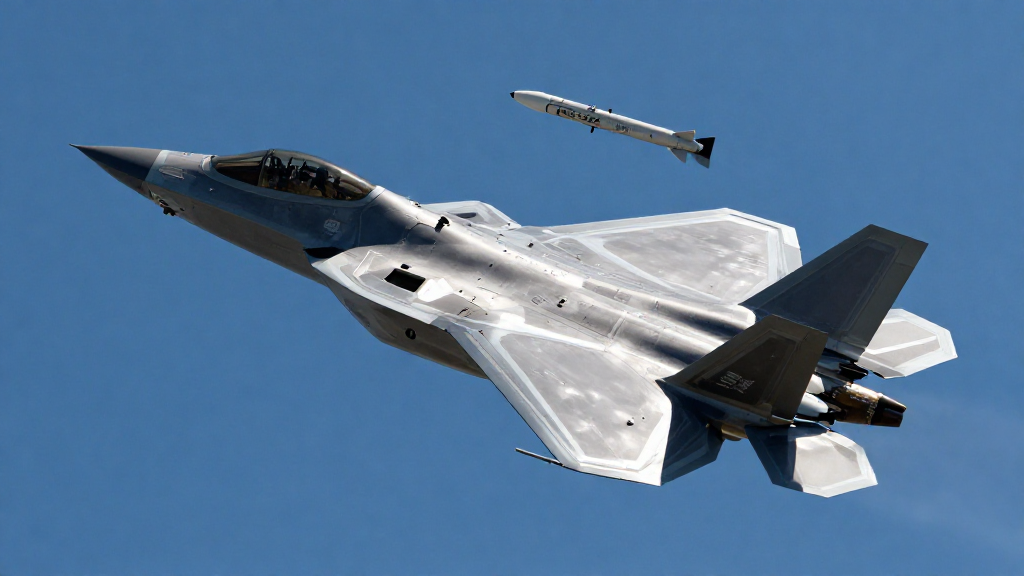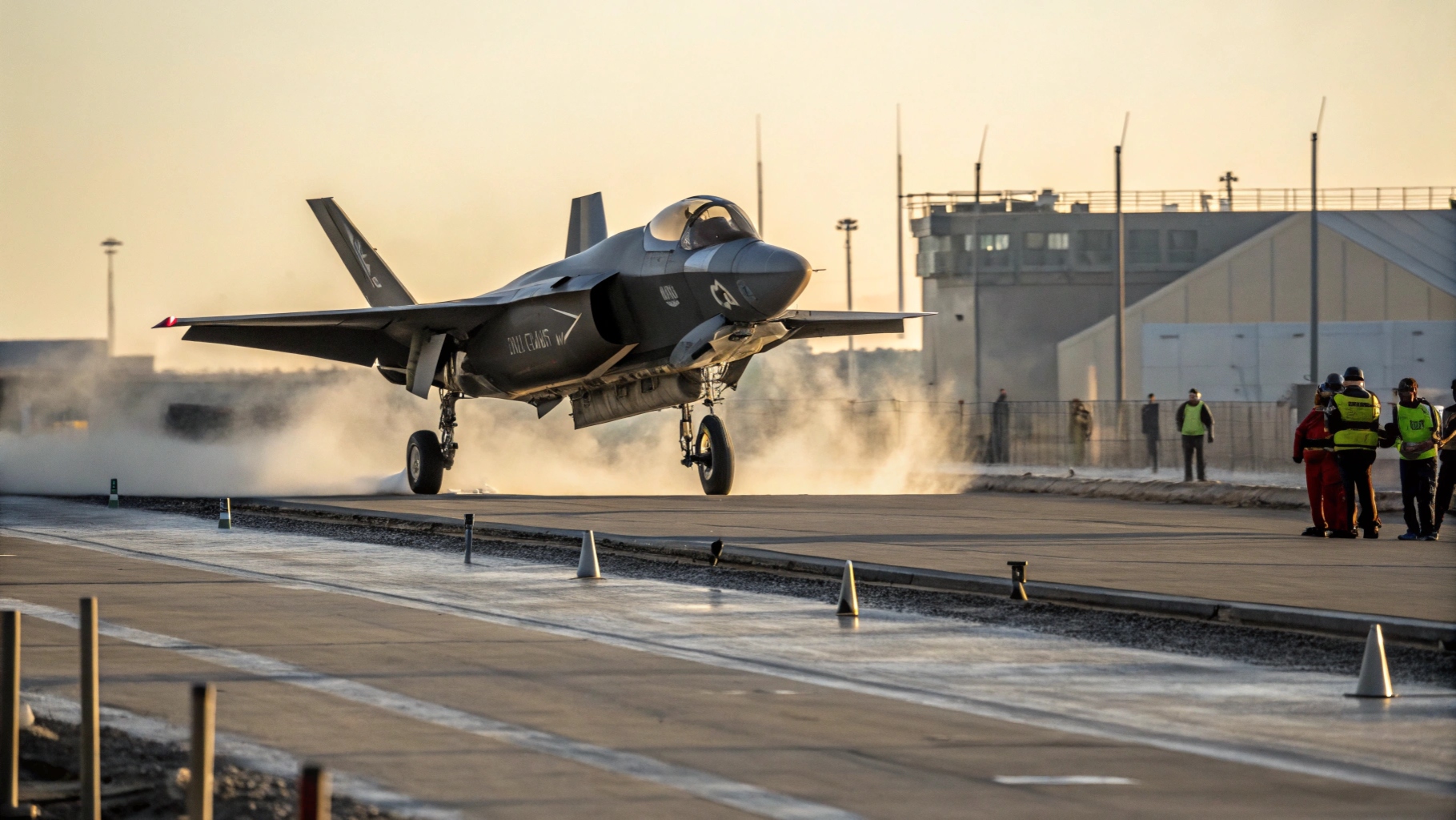

Japan is reportedly preparing to deploy its Mitsubishi F-2 fighter aircraft to India for a bilateral air exercise later this month, potentially marking the first time Japanese F-2s operate from Indian territory. The move would represent another step in the expanding defence and air-power cooperation between New Delhi and Tokyo.
The reported deployment comes as Japanese Defence Minister Shinjiro Koizumi is scheduled to visit India and Australia from August 17, with defence cooperation expected to be a key area of discussions during his engagement in New Delhi.
According to Chinese state media outlet Global Times, Japanese officials have linked the proposed fighter deployment to the wider strategic competition with China. While Beijing may interpret the exercise through the Indo-Pacific security rivalry, the operational significance of the deployment should also be considered within the broader expansion of India-Japan military cooperation.
There is an important distinction regarding the F-2’s involvement in bilateral fighter exercises. A deployment of Japanese F-2s to India would reportedly be the first occasion for the aircraft to operate from Indian territory during an India-Japan fighter exercise. However, it would not be the F-2’s first participation in such an exercise. During Veer Guardian 2023, Japan deployed four F-2s and four F-15s to Hyakuri Air Base, where they trained with four Indian Air Force Su-30MKIs. India’s Ministry of Defence described the event as the first bilateral fighter aircraft exercise between the two countries.
The potential change in the direction of deployment would make the upcoming exercise particularly significant. In 2023, Indian fighters travelled to Japan for the training. If the reported 2026 exercise proceeds with Japanese F-2s operating from an Indian base, Japanese pilots would gain practical experience with Indian airspace, operating procedures, logistics, and local environmental conditions.
Why the F-2 Matters
The Mitsubishi F-2 is a Japanese multirole fighter derived from the F-16 design but extensively modified to meet Japan’s operational requirements. It features a larger wing, Japanese-developed avionics and an indigenous active electronically scanned array radar, giving the aircraft capabilities and sensor characteristics distinct from conventional F-16 variants.
For the Indian Air Force, operating alongside or against the F-2 would provide valuable dissimilar air-combat training. India’s fighter fleet includes Russian-origin Su-30MKIs, French Rafales and Mirage 2000s, indigenous Tejas aircraft and other platforms. Training against aircraft with different radar signatures, electronic warfare capabilities, flight-control systems and tactical doctrines can improve pilot readiness for complex air operations.
Growing India-Japan Defence Cooperation
The proposed deployment also reflects the broader expansion of defence ties between India and Japan. The two countries have steadily increased bilateral military exercises, defence-industrial cooperation and engagement across air, maritime and land domains. Both are also members of the Quad alongside the United States and Australia.
China’s response is therefore unsurprising given the increasingly competitive Indo-Pacific security environment. Global Times has characterized the potential deployment as part of Japan’s efforts to strengthen military coordination with India and counter China’s influence.
For New Delhi, however, the exercise does not necessarily have to be viewed solely through an anti-China framework. India continues to pursue strategic autonomy while developing defence partnerships with multiple countries. Joint exercises with Japan can enhance interoperability, expose Indian and Japanese forces to different operational concepts, and strengthen practical cooperation without requiring either country to enter into a formal military alliance.