
India’s indigenous AEW&C capability could receive a major boost through the reported integration of a Multispectral Long Range Oblique Photography (LOROP) EO/IR sensor on DRDO’s Netra Mk1 Airborne Early Warning and Control System. The proposed system would provide long-range imaging of targets at distances exceeding 100 kilometres using both electro-optical and infrared sensing.
Why LOROP Matters
LOROP allows aircraft to collect high-resolution imagery of distant ground targets without flying directly over them. The technology uses a high-magnification optical system mounted at an oblique angle to observe targets from substantial stand-off ranges.
For Netra Mk1, this would represent a major expansion beyond its traditional AEW&C mission. The aircraft could potentially combine airborne radar surveillance with long-range visual and thermal reconnaissance, effectively functioning as both an early-warning platform and an airborne intelligence-gathering asset.
The Indian Air Force has previously identified long-range EO/IR LOROP capabilities exceeding 150 kilometres as part of its future ISTAR requirements, highlighting the importance of this technology for India’s airborne surveillance architecture.
EO and IR Imaging
The proposed multispectral payload would combine EO and IR imaging technologies. The EO channel would provide detailed visible-spectrum imagery for daytime target recognition, while the IR sensor would identify heat signatures and support operations at night and in low-visibility environments.
Operating these sensors together could give commanders continuous day-and-night imagery of areas of interest. From a long stand-off distance, the system could support surveillance of troop concentrations, border infrastructure, military facilities, and other strategically important targets.
Turning Netra Into a Multi-Mission ISR Platform
Netra Mk1, based on the Embraer EMB-145, has been primarily designed around its AESA radar for detecting and tracking airborne and maritime targets. The aircraft is also undergoing modernization, with reports indicating the installation of a GaN-based AESA radar on one of the three operational Mk1 platforms.
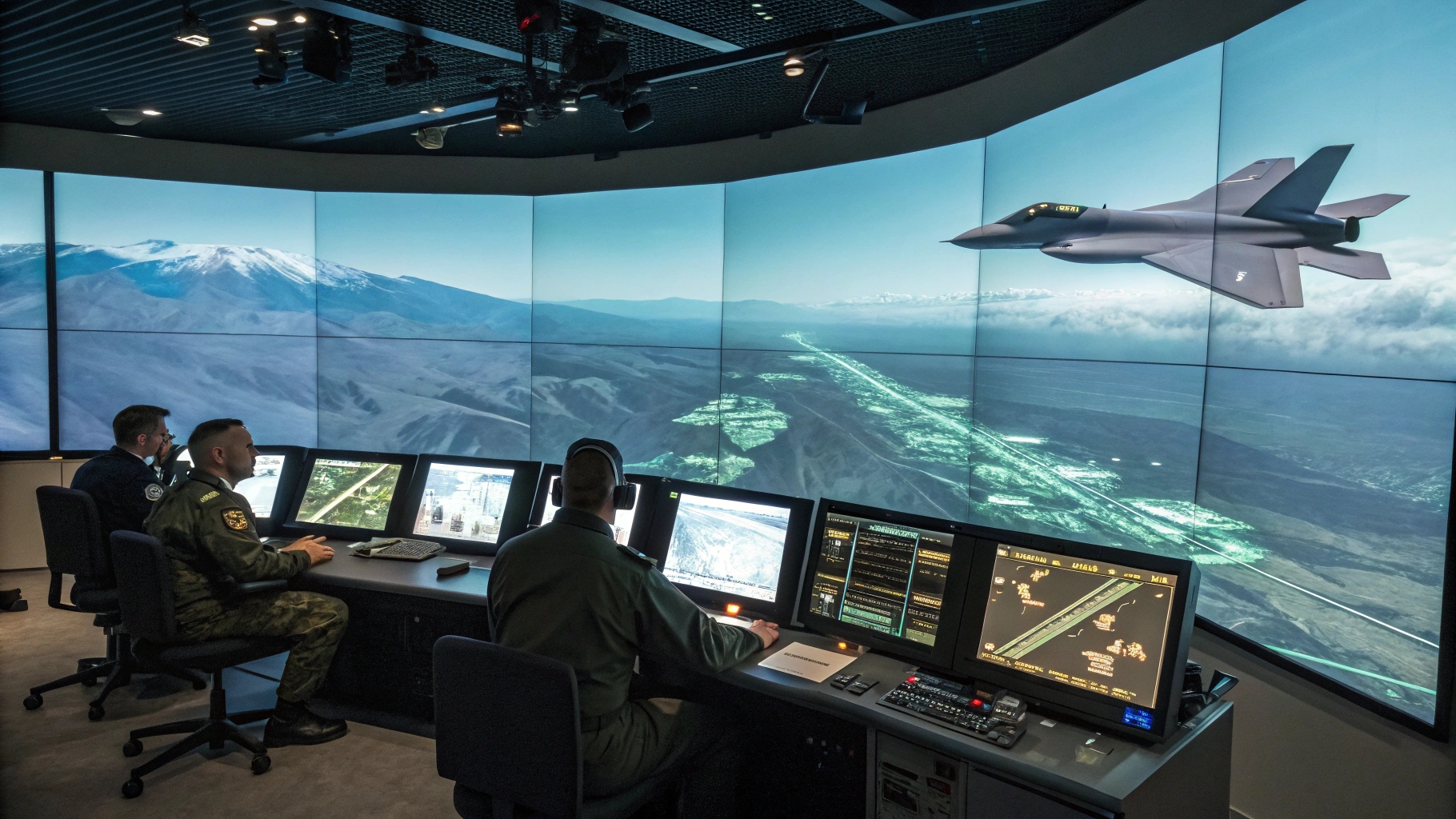
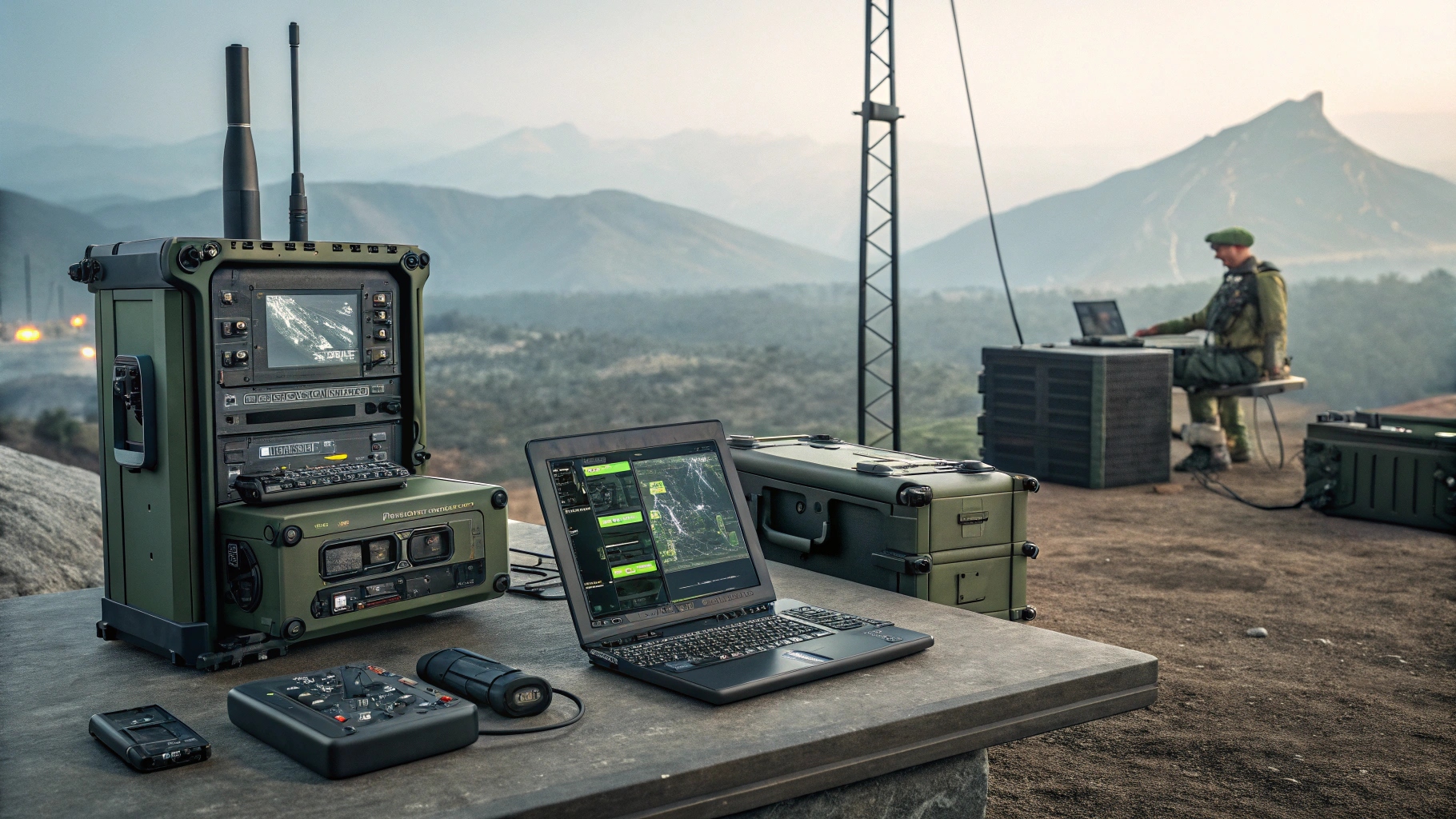
Integrating LOROP alongside the radar would create a more comprehensive sensor suite. The aircraft could detect and track targets using radar, obtain detailed EO/IR imagery for identification, conduct surveillance under different lighting conditions, and transmit intelligence to command centers and combat aircraft through secure communications networks.
Such integration could shorten the time between target detection and visual confirmation while reducing the requirement for separate reconnaissance platforms.
Advantages for Border Monitoring
A 100-kilometre-plus imaging capability would provide India with a valuable stand-off surveillance option along sensitive borders. Netra could potentially observe activities deep within adversary territory while remaining in friendly airspace.
Potential missions could include monitoring troop deployments, tracking military movements, identifying changes to infrastructure, assessing battlefield effects, and maintaining persistent ISR coverage without exposing the aircraft to contested airspace.
This capability would also support India’s broader transition toward sensor-fused and network-centric warfare, in which airborne platforms act as intelligence nodes connecting multiple sensors and combat units.
Netra Modernization Continues
The reported LOROP upgrade comes as India continues to expand and modernize its AEW&C fleet. The existing Netra Mk1 aircraft are being enhanced, while additional Netra Mk1A platforms are planned with improved mission systems.
At the same time, the larger Netra Mk2, based on the Airbus A321, is under development and is expected to provide greater endurance and wider surveillance coverage.
Adding LOROP to the existing Mk1 fleet could therefore provide an interim capability enhancement while India develops its next-generation AEW&C platform.
Strengthening Airborne ISR
If successfully integrated, the multispectral LOROP EO/IR system could significantly broaden Netra Mk1’s operational role. Instead of functioning primarily as an airborne early-warning and battle-management platform, it could also provide long-range photographic and thermal reconnaissance.
For India, the capability could deliver faster access to critical imagery, strengthen indigenous ISR capacity, reduce reliance on external intelligence sources, and improve situational awareness along strategically important borders.
Further information on the system’s manufacturer, integration schedule, and potential deployment on Netra Mk1A or Mk2 aircraft will determine the eventual scope of the modernization effort.