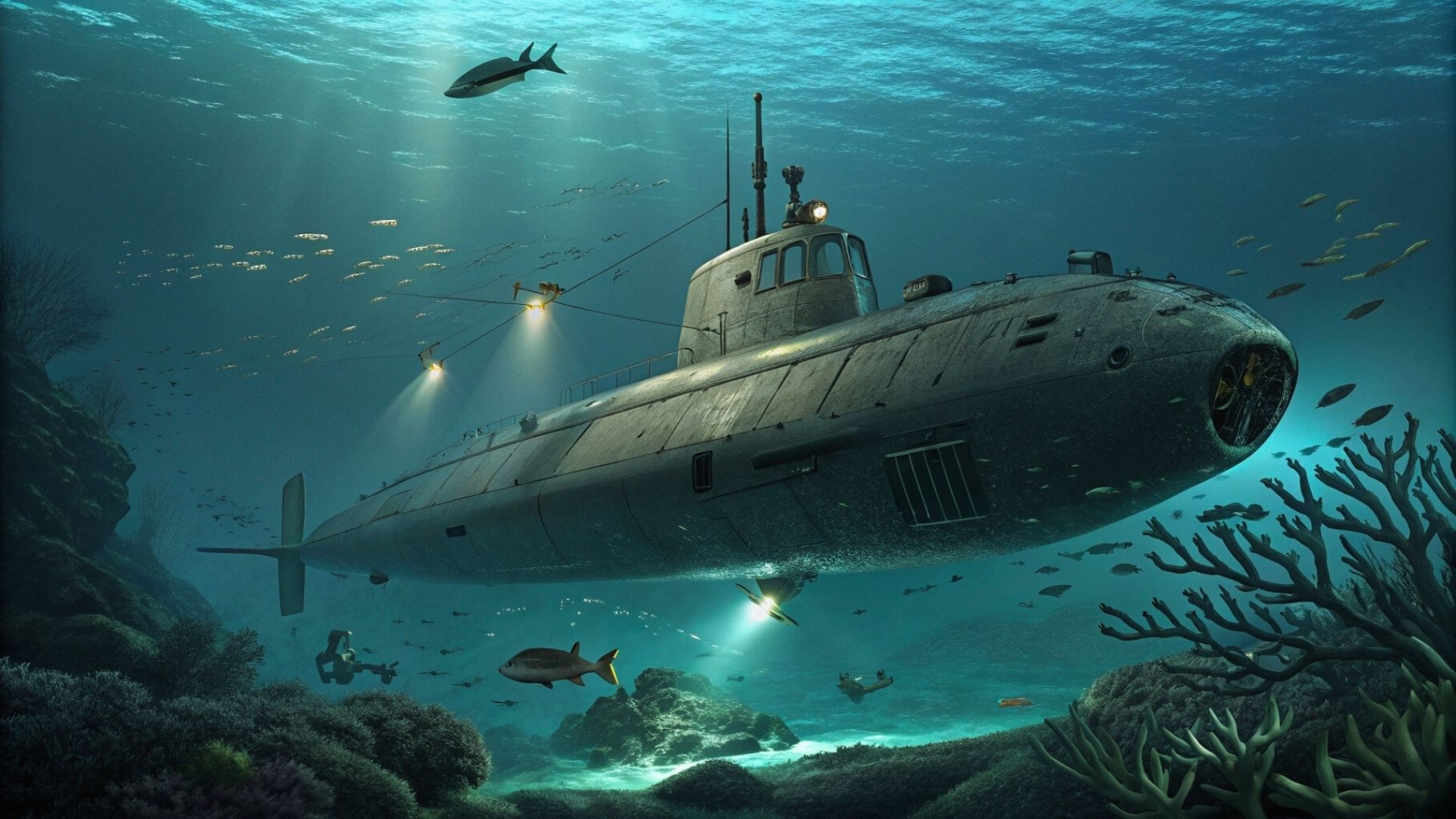
Prime Minister Mark Carney has announced that Canada has chosen Germany’s Thyssenkrupp Marine Systems (TKMS) as the preferred supplier for its future submarine fleet, reinforcing the country’s efforts to deepen defense collaboration with European NATO partners.
The announcement was made before Carney traveled to the NATO summit in Turkey, where member states are expected to reaffirm their commitment to higher defense spending. Canada intends to replace its aging Victoria-class submarines, originally built in the United Kingdom, which are scheduled to be retired within the next decade. In 2024, Ottawa initiated a competition to procure 12 new submarines, with TKMS and South Korea’s Hanwha Ocean emerging as the two finalists last August.
During remarks in Halifax, Carney confirmed that the German shipbuilder had secured the preferred bidder status. The Canadian government will now enter exclusive negotiations with TKMS for the purchase of up to 12 submarines, a process expected to take around 18 months. If negotiations fail, Canada reserves the right to resume discussions with Hanwha Ocean, although Carney said such a scenario is unlikely.
The prime minister did not reveal the expected value of the contract, citing the confidential nature of the negotiations, but indicated that the agreement would contribute tens of billions of dollars to the Canadian economy.
Hanwha Ocean had reportedly submitted an attractive proposal that included extensive industrial partnerships with Canadian companies in sectors such as steel production and automotive manufacturing. Nevertheless, defense expert Wesley Wark of the Center for International Governance Innovation suggested that TKMS was favored because the Canadian government placed greater emphasis on strengthening strategic ties with a European NATO ally.
The selection aligns with Canada’s broader defense policy as NATO members move toward a target of allocating five percent of GDP to defense by 2035. Since assuming office, Carney has introduced significant increases in military spending while seeking to reduce Canada’s long-term dependence on the United States. His government has prioritized closer cooperation with European allies, highlighted by Canada’s recent accession as the first non-EU participant in the European defense procurement program.