
The US Navy has approved an additional $150 million for Shield AI’s X-BAT vertical takeoff and landing fighter aircraft, supporting continued development ahead of planned flight testing later this year. The funding is provided through a contract modification under the Pentagon’s Defense Exportability Features program, with Shield AI committing an additional $150 million of its own investment.
The latest commitment follows a separate $50 million government investment announced in August under the Runway Independent Maritime Expeditionary Strike initiative. Shield AI matched the earlier funding, bringing the total announced government and company commitments to the X-BAT program to $400 million.
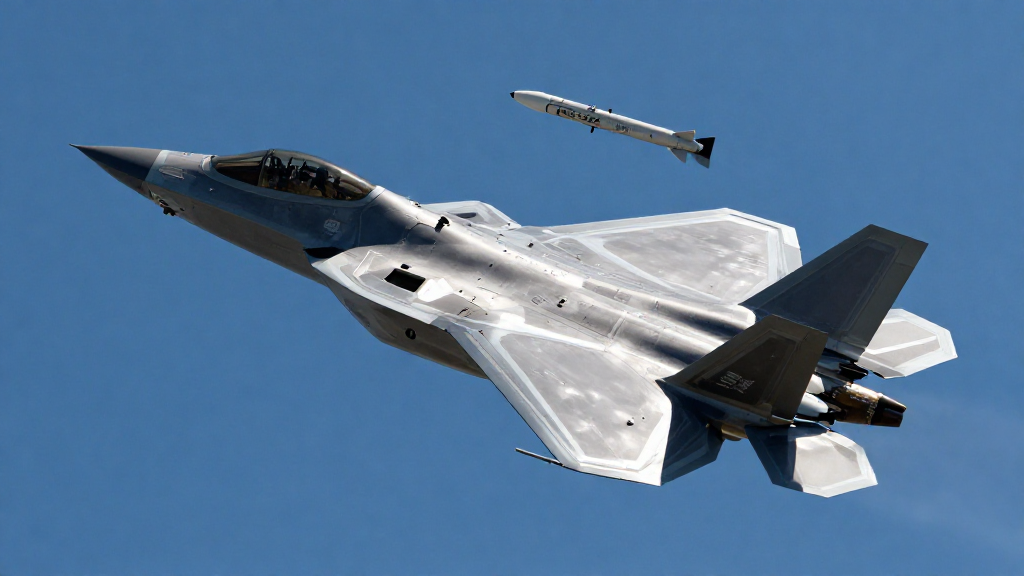
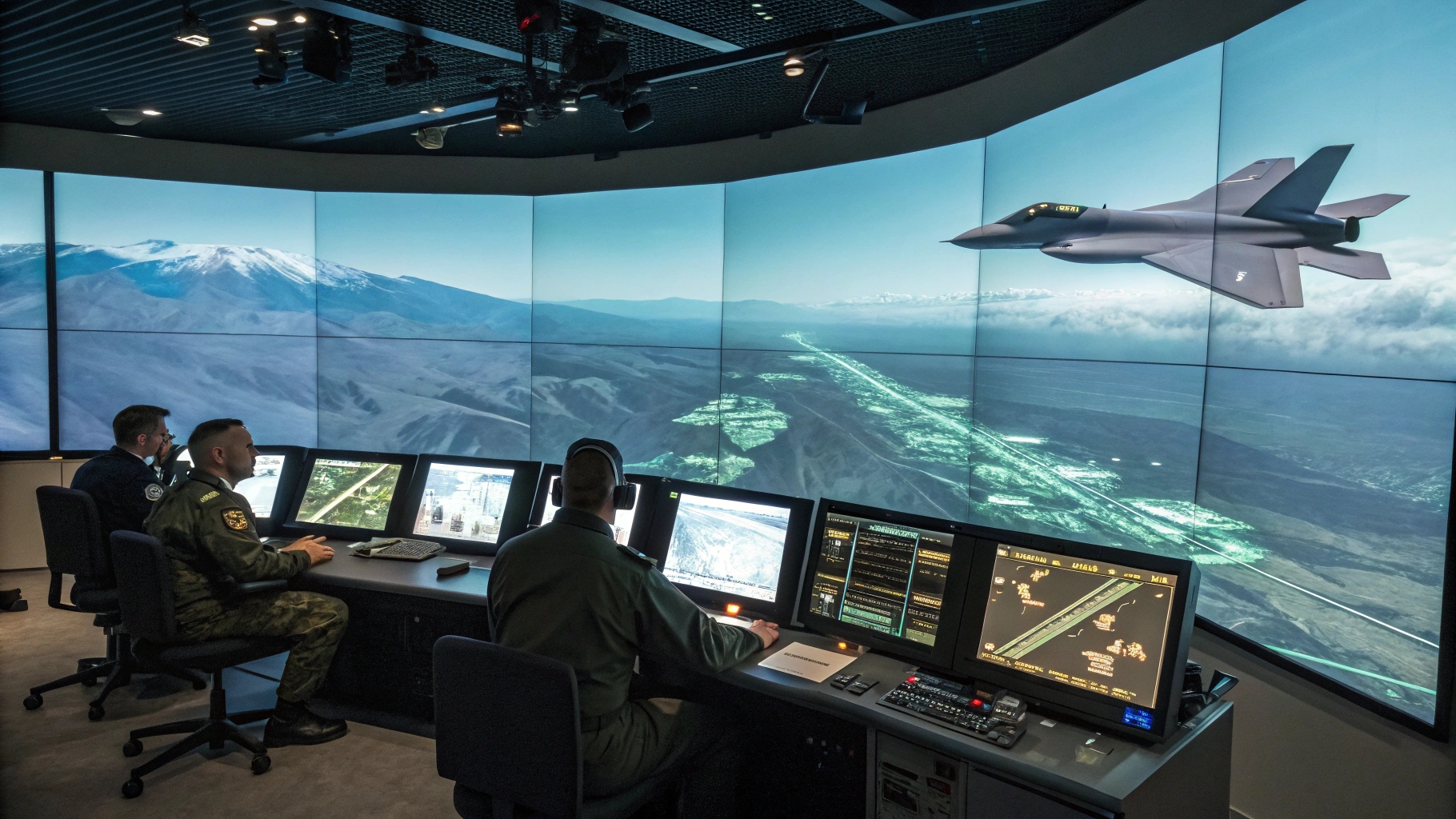
X-BAT is designed to operate from ships, islands, and remote locations without conventional runways. The aircraft will use Shield AI’s Hivemind autonomy software to support independent operations in contested environments, including situations where communications are disrupted. Its vertical takeoff and landing capability is intended to expand operational flexibility for expeditionary and maritime strike missions.
X-BAT Expands Industry Partnerships and Production Plans
Shield AI is building partnerships across engine development, manufacturing, testing, and international support to advance the X-BAT program. In July, GE Aerospace and Shield AI completed engine light-off testing following the integration of a thrust-vectoring nozzle with the F110-GE-129E engine selected to power the aircraft. The nozzle redirects engine thrust to enable vertical takeoff and landing operations.
In September, Shield AI outlined its planned US production and testing infrastructure. X-Forge 2, located at Newton City-County Airport in Kansas, will support flight testing and sustainment, while X-Forge 3 in Des Moines, Washington, is designated for aircraft manufacturing. A third facility in Frisco, Texas, is also planned as part of the production and delivery network.
International Cooperation and Global Support Network
Shield AI is pursuing overseas industrial partnerships to support the potential production, integration, and sustainment of X-BAT. In October, the company signed an agreement with Greek infrastructure group GEK TERNA to explore opportunities for component manufacturing, aircraft integration, and long-term support in Greece.
In September, Shield AI also signed a letter of intent with Poland’s PGZ and WZL-2 to explore potential cooperation in X-BAT design, manufacturing, delivery, and sustainment.
The additional funding and expanding industrial partnerships highlight Shield AI’s efforts to accelerate X-BAT development and establish a scalable production ecosystem. If successful, the aircraft could offer military operators greater flexibility for expeditionary operations by reducing dependence on conventional runways and enabling autonomous missions in contested environments.