
The Indian Air Force (IAF) is reportedly enhancing its operational doctrine for the S-400 Triumf after applying “shoot and scout” tactics during last year’s conflict with notable success. The refined approach is focused on increasing resilience against sophisticated surveillance threats, including alleged Chinese reconnaissance satellite support provided to the Pakistan Air Force (PAF) for tracking Indian air defense assets.
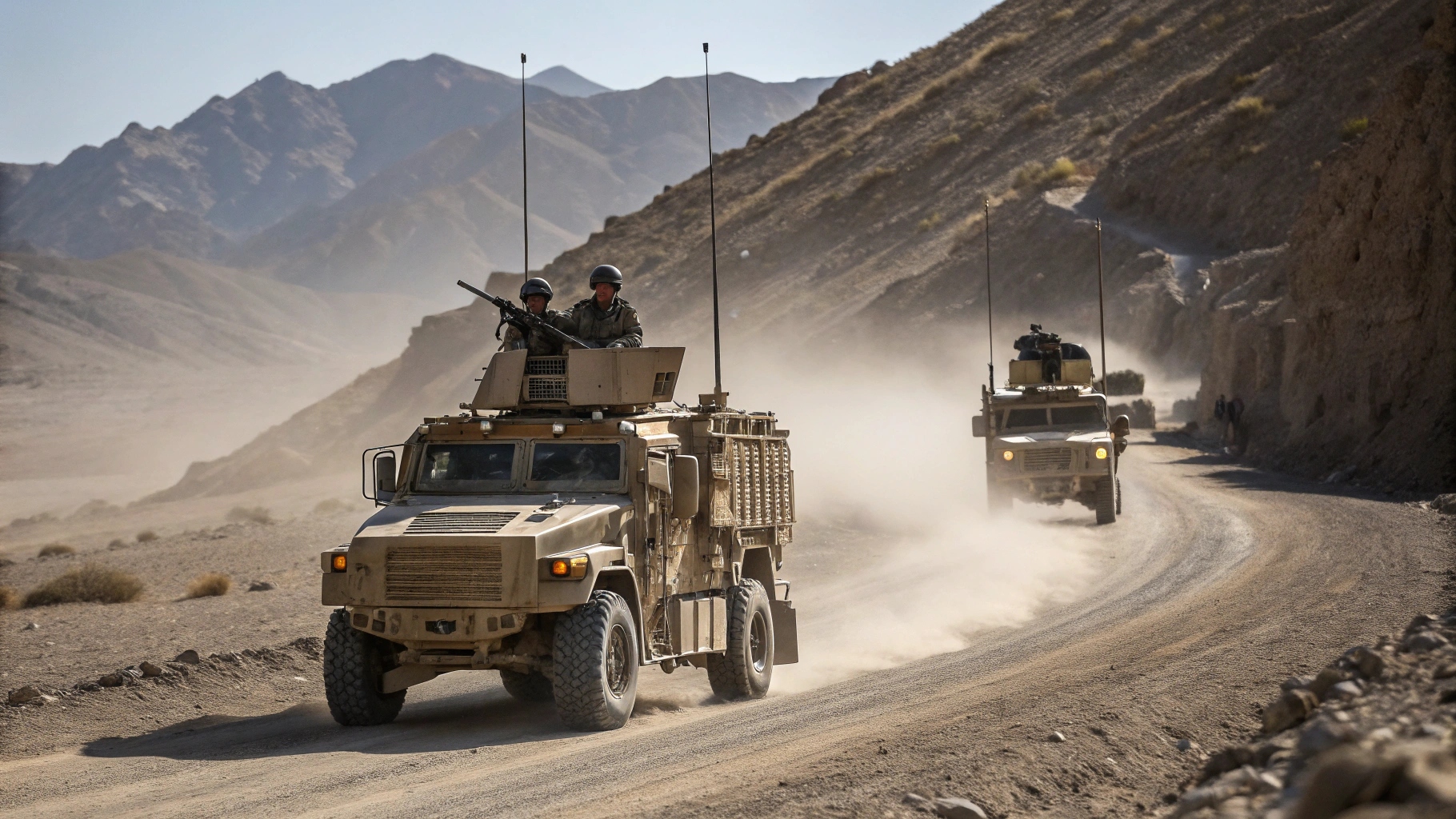
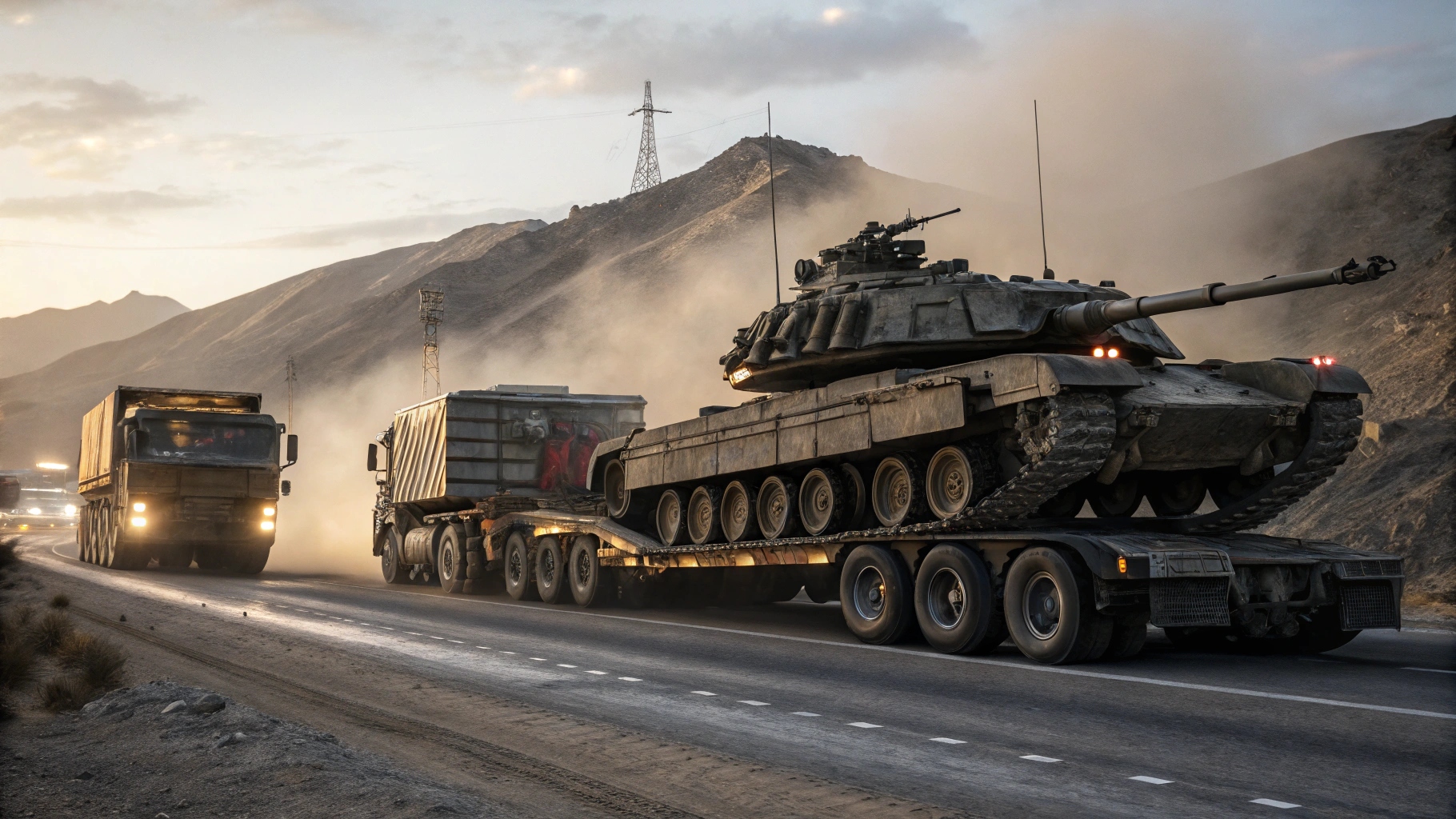
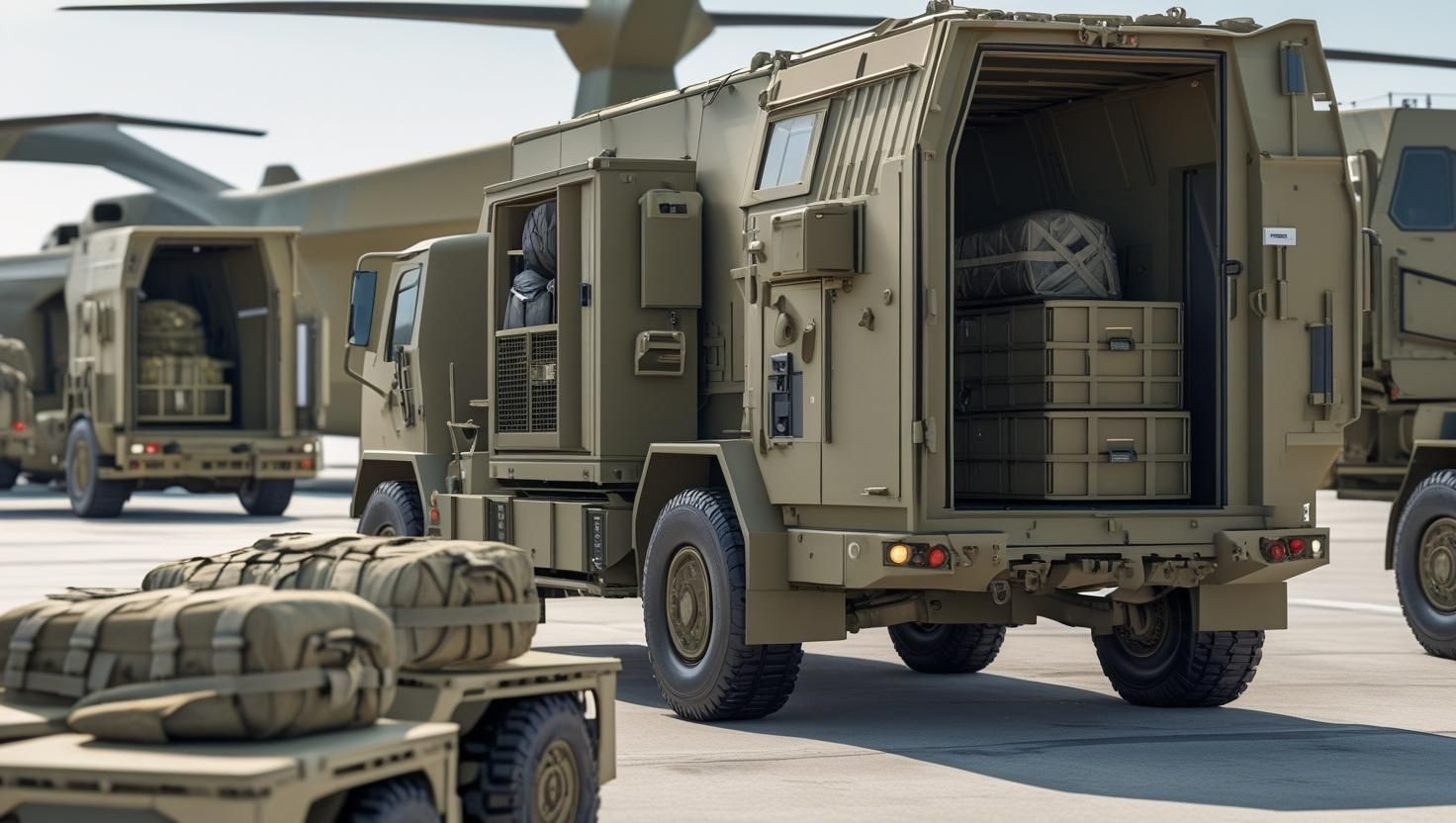
Sources indicate that the IAF had already adopted dispersed and highly mobile deployment methods for S-400 units in response to growing risks from space-based intelligence systems and long-range precision strike capabilities. During the conflict, India reportedly tracked satellite coverage cycles and repositioned missile batteries to prevent adversary targeting before engagement data could be collected.
The S-400 units, reportedly led by Group Captain Animesh Patni and initially stationed at Adampur Air Base, executed “shoot and scout” operations in which launcher vehicles immediately relocated after missile launches to avoid counterattacks from enemy aircraft, anti-radiation weapons, and stand-off strike systems. These tactics are believed to have significantly improved survivability during repeated PAF attempts to locate the batteries, which were also credited with six aerial kills during the engagement period.
The IAF is now reportedly developing a more advanced “shoot while moving” doctrine. Under this concept, S-400 launchers would conduct firing operations while moving slowly at approximately 5–7 kmph, minimize stationary launch time, and rapidly accelerate away immediately after firing. The goal is to reduce exposure to real-time satellite reconnaissance, electronic intelligence platforms, and precision-guided weapon systems.
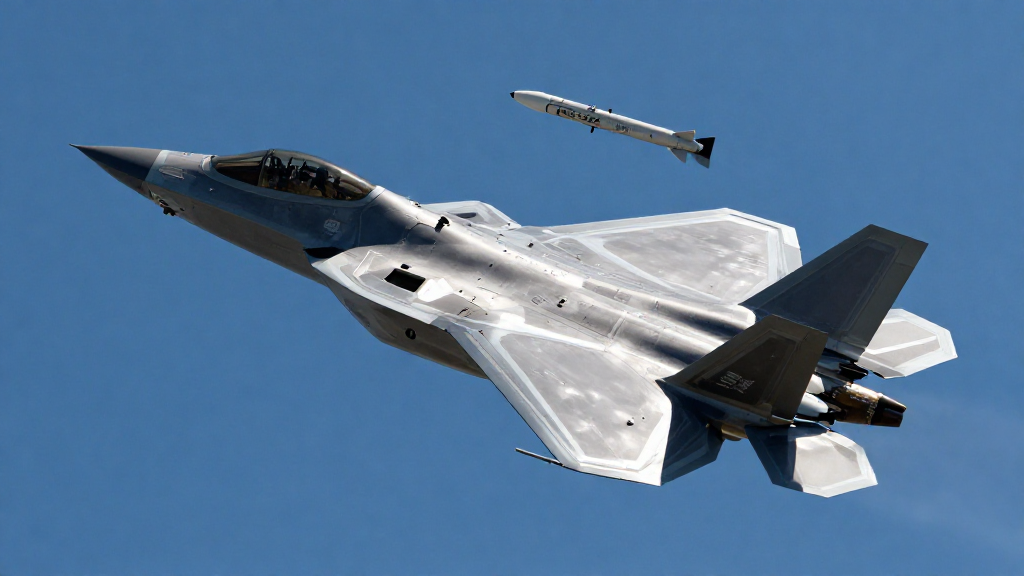
Reports further suggest that the PAF attempted to detect and target S-400 positions using JF-17 aircraft equipped with CM-400AKG missiles in coordinated bait-and-detect missions. However, these attempts allegedly failed, with one missile intercepted and another striking an empty area due to incorrect targeting assumptions. Another strike reportedly hit a previously suspected location that had already been abandoned by Indian forces.
These evolving tactics underscore how the IAF is adapting the S-400 Triumf for high-mobility, deception-oriented operations suited to a modern contested air environment shaped by satellite surveillance, electronic warfare, and networked targeting systems.