
The Aeronautical Development Agency (ADA) has issued a specialised tender for automated cable-harness testing for the LCA Air Force Mk2 Prototype Vehicle 1 (PV1), indicating that India’s indigenous medium-weight fighter programme is advancing into a critical phase of aircraft integration and systems validation.
The tender, identified as GEM/2026/B/7909097, was issued by ADA on August 12, 2026, with the bidding process scheduled to close on August 22. The work package, expected to span approximately five months, is specifically associated with PV1 and is therefore closely linked to the assembly and integration activities of the first LCA Mk2 prototype.
The requirement focuses on automated testing of the extensive electrical and avionics wiring harnesses distributed throughout the aircraft. These harnesses serve as the central network of a modern combat aircraft, linking flight-control computers, sensors, avionics line-replaceable units, electrical power systems, communication equipment and other mission-critical subsystems.
Given the complexity of the LCA Mk2, manually inspecting thousands of electrical connections would be highly time-consuming and could make the detection of intermittent faults or wiring discrepancies more challenging. Automated harness-testing systems can systematically examine continuity, insulation, connectivity and other electrical parameters, helping engineers identify incorrect connections and potential defects before the aircraft undergoes initial power-on procedures.
The timing of the tender is particularly noteworthy because PV1 will be the first flying prototype of the LCA Mk2 programme. As the aircraft transitions from structural assembly into full systems integration, validation of its electrical architecture becomes an essential step before power-on activities and subsequent ground testing can begin.
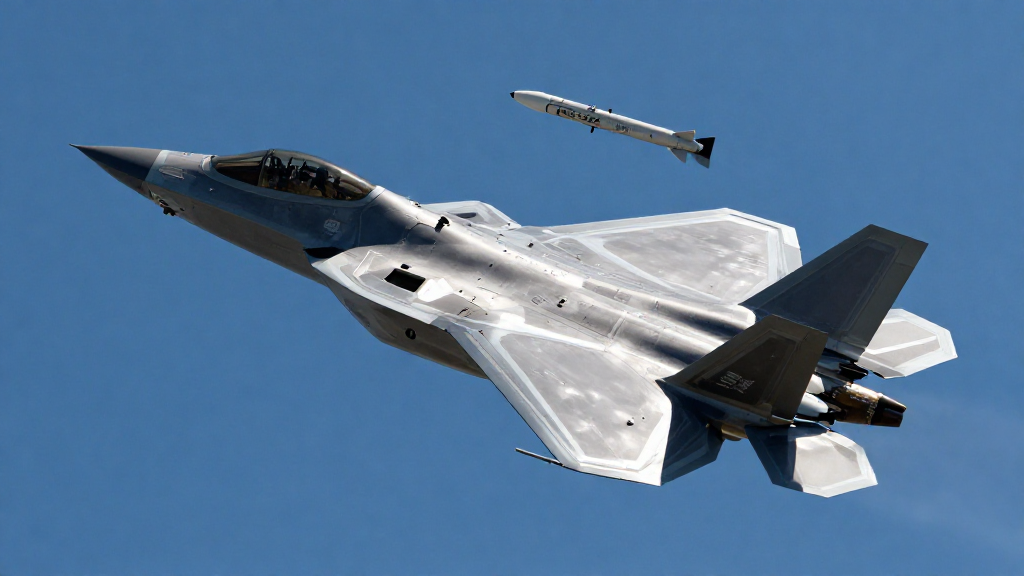
The LCA Mk2 represents a significant advancement over the Tejas Mk1 and Mk1A variants. Designed as a medium-weight multirole fighter, the aircraft will feature greater internal fuel capacity, a higher payload capability and a substantially more advanced avionics architecture. It is also planned to be powered by the General Electric F414 engine, providing a higher thrust class than the F404 engines used on the current Tejas variants.
The cable-harness testing requirement offers insight into a critical but often overlooked aspect of aircraft development. While engines, radars and weapons systems typically receive greater public attention, the reliability of an aircraft’s electrical architecture is fundamental to ensuring that all onboard systems can operate together effectively as an integrated combat platform.
For the first prototype, early identification of electrical issues is particularly important. Faults discovered after the aircraft enters advanced systems testing could lead to significant delays, especially if engineers need to access wiring installed deep within the airframe. Detecting and correcting such issues before initial power-on can reduce troubleshooting efforts and minimise disruption to the overall integration schedule.
The estimated five-month contract duration also indicates that the activity may involve comprehensive validation of a substantial portion of the prototype’s wiring architecture rather than a simple one-time inspection.
The tender comes as the LCA Mk2 programme moves closer to several major development milestones. HAL continues to advance prototype manufacturing and assembly, while ADA is progressing with contracts for specialised systems and integration activities required for the aircraft.
More broadly, the development suggests that PV1 is steadily evolving from a partially assembled airframe into a complete aircraft undergoing detailed systems integration. Although individual procurement notices may appear routine, collectively they provide valuable indications of the programme’s progress toward power-on, ground testing and eventually its maiden flight.
Automated cable-harness testing will play an important role in establishing confidence in the LCA Mk2’s electrical and avionics architecture before engineers begin energising onboard systems and conducting increasingly complex ground-validation activities.