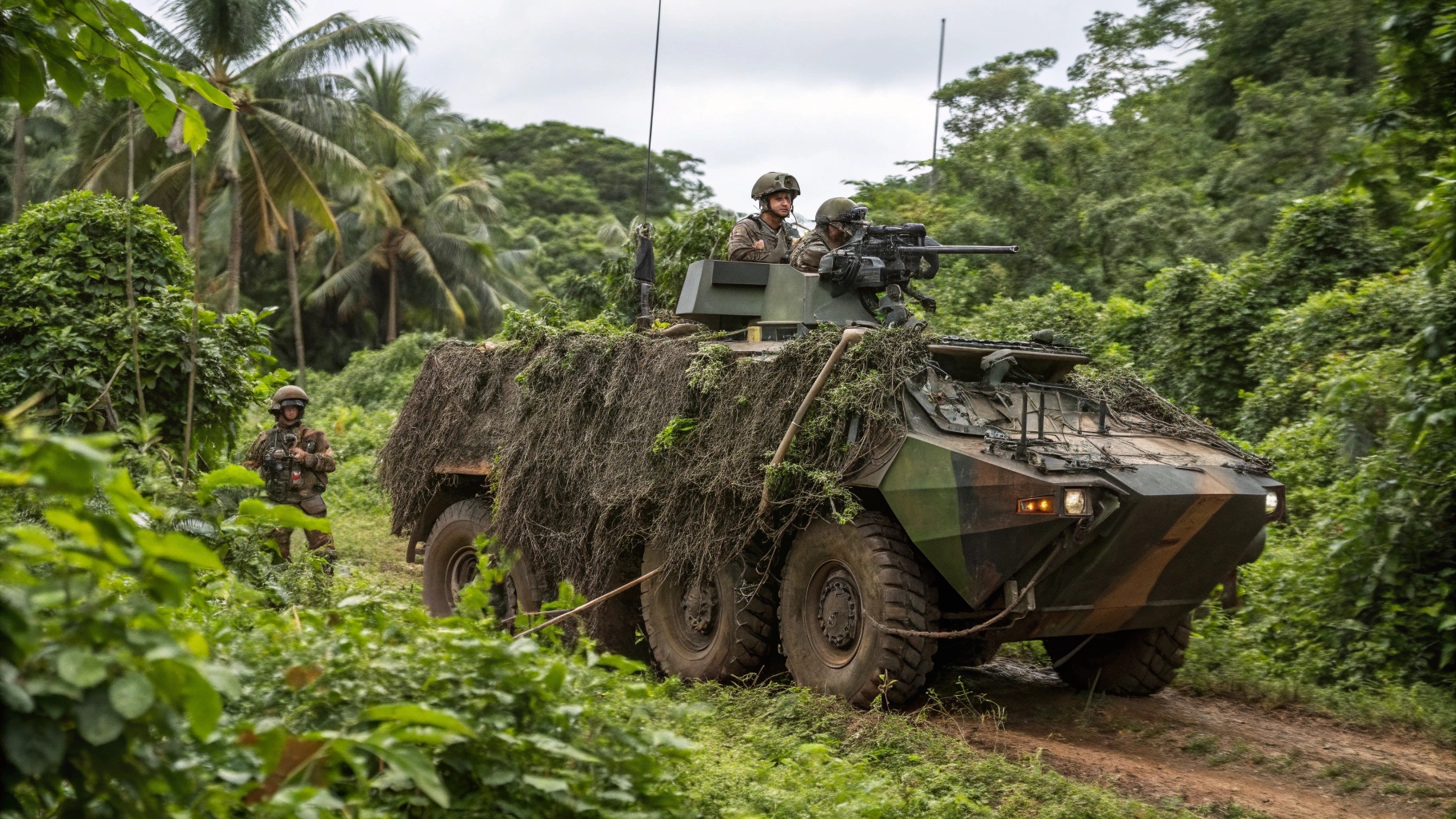
An armored vehicle built not only for firepower and protection, but for an era where data dominance shapes the battlefield.
That’s the ambition behind the British Army’s Ajax fighting vehicle — a digitally connected reconnaissance platform developed to transform battlefield information into immediate combat advantage.
But Ajax has also become one of the most scrutinized armored vehicle programs in recent years. Technical complications, prolonged delays, and rising development costs pushed the project into controversy even as the platform moved closer to service readiness.
To understand Ajax fully, it’s essential to explore its origins, variants, capabilities, operational role, and future trajectory.
The Ajax Concept
Developed by General Dynamics UK for the British Army, Ajax is a family of tracked armored fighting vehicles centered around advanced digital integration and battlefield networking.
Unlike traditional armored reconnaissance vehicles, Ajax is engineered to collect, process, and distribute battlefield intelligence instantly. Its systems combine sensors, communications, and mission-management tools to provide commanders with real-time situational awareness during fast-moving operations.
The platform forms part of the UK’s wider effort to modernize its reconnaissance and strike forces, replacing legacy armored systems that date back to the 1970s.
A Troubled Development Journey
The Ajax program began under the UK’s Future Rapid Effects System (FRES) initiative in the early 2010s. Based on the ASCOD 2 chassis, the vehicle family received its production contract in 2014, with planned deliveries beginning in 2017.
However, the program soon faced major setbacks. Trials revealed excessive vibration and noise inside the vehicle, creating concerns about crew safety and forcing lengthy pauses in testing and redesign work.
After years of modifications and additional evaluations, production and deliveries resumed, allowing the platform to move gradually toward operational capability.
The Ajax Vehicle Family
Ajax was designed as a modular vehicle family rather than a single armored platform. Every variant uses a shared chassis and digital systems architecture while supporting specialized operational roles.
Main Variants
Ajax – Armed reconnaissance and strike vehicle equipped with advanced sensors and turreted firepower
Ares – Protected troop transport and reconnaissance support platform
Athena – Mobile battlefield command-and-control center
Apollo – Combat repair and maintenance vehicle
Atlas – Armored recovery platform for disabled vehicles
Argus – Engineering reconnaissance and terrain survey vehicle
This modular approach allows British forces to field multiple mission-specific systems while maintaining common logistics and mobility characteristics.
Core Capabilities
Network-Centric Battlefield Operations
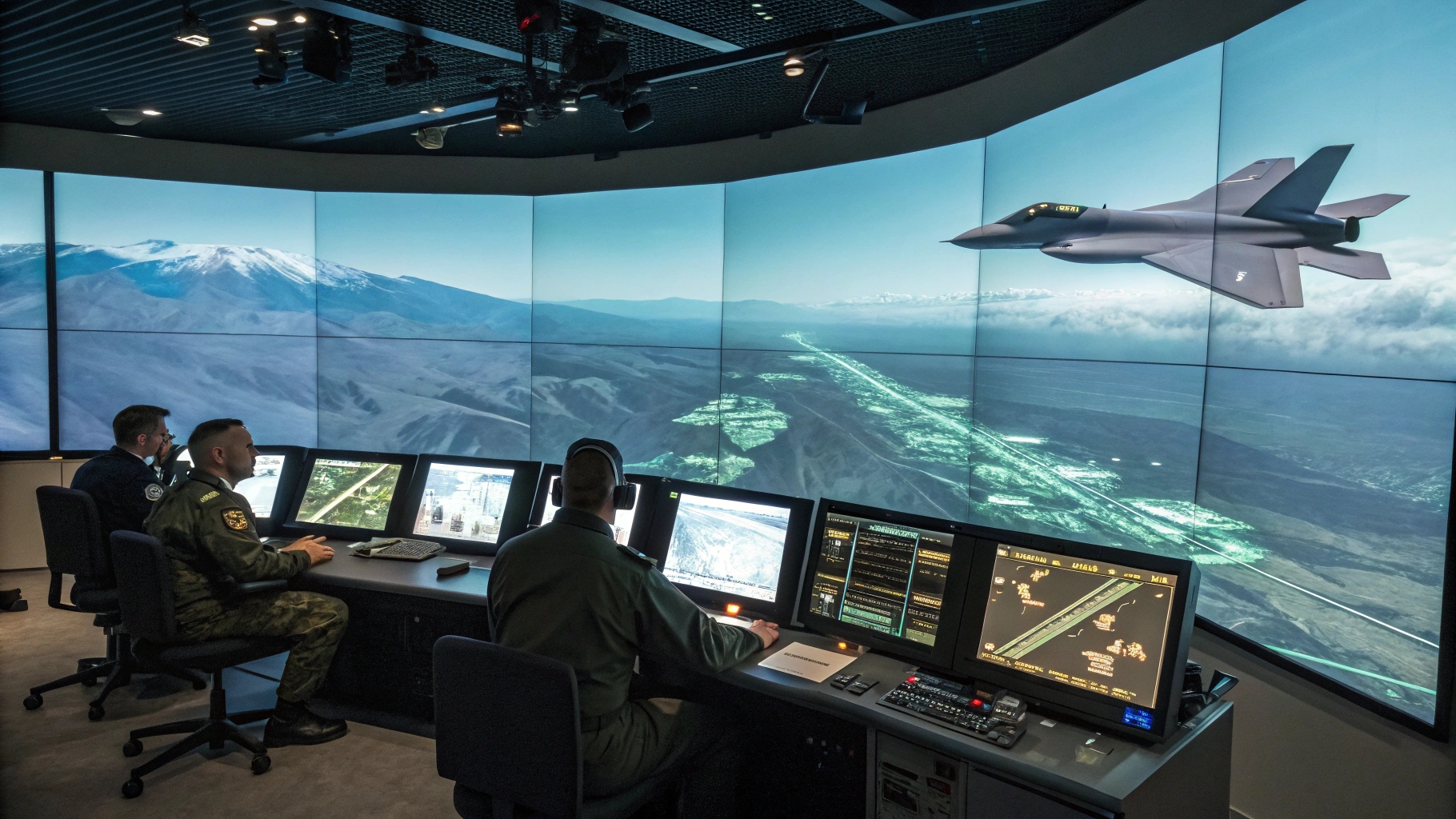
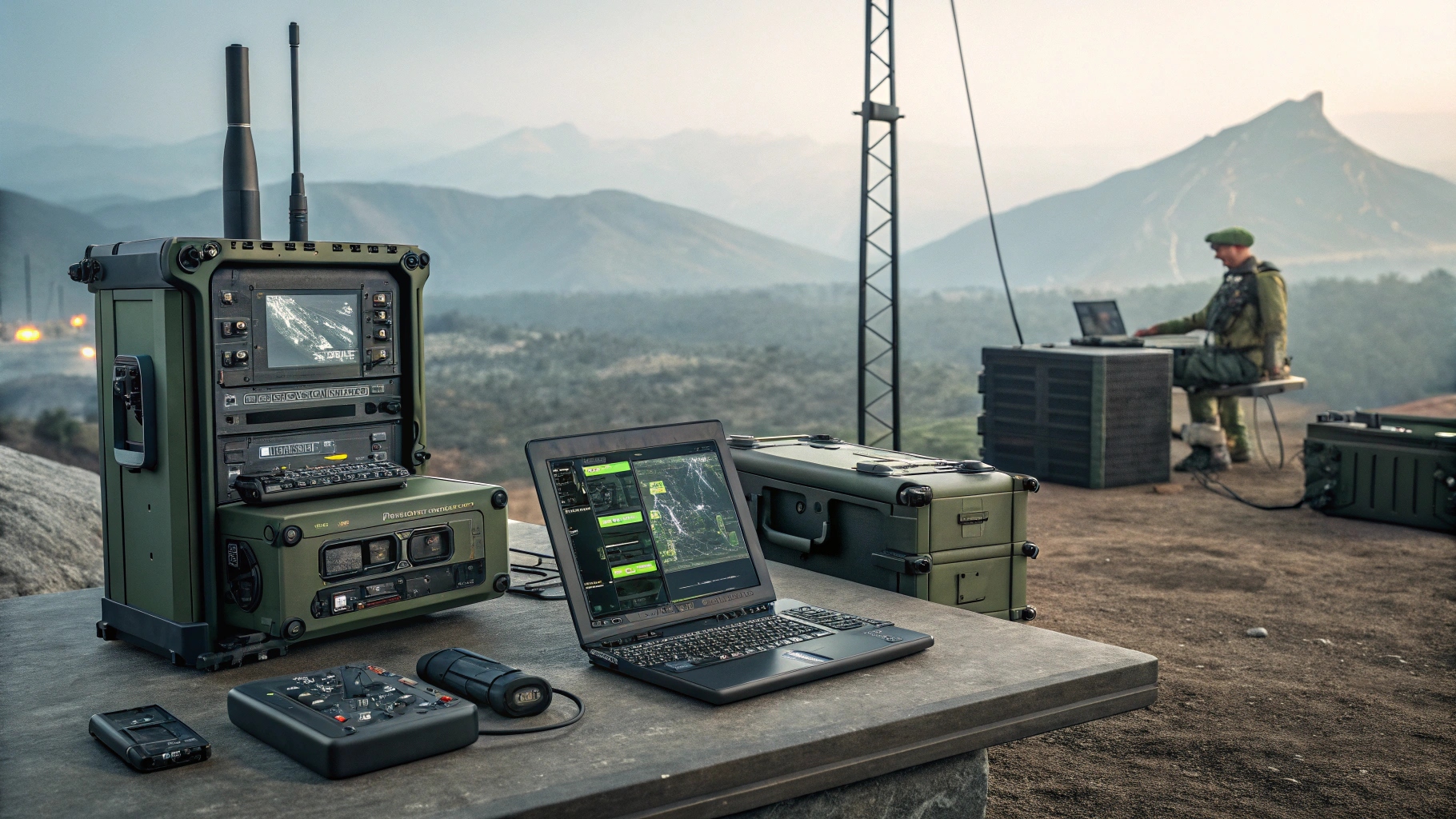
Ajax’s defining feature is its digital open architecture. The platform can process and share large volumes of battlefield data in real time, improving coordination between units and accelerating command decisions.
The vehicle effectively acts as a mobile intelligence and communications node on the battlefield.
Weapon Systems and Protection
The main Ajax reconnaissance variant is armed with the 40mm CTA International CT40 cannon supported by a 7.62mm coaxial machine gun.
Its telescoped ammunition technology improves ammunition storage efficiency while delivering precision firepower at extended ranges. The vehicle also incorporates armor and survivability systems intended for modern multi-domain combat environments.
Mobility and Crew Efficiency
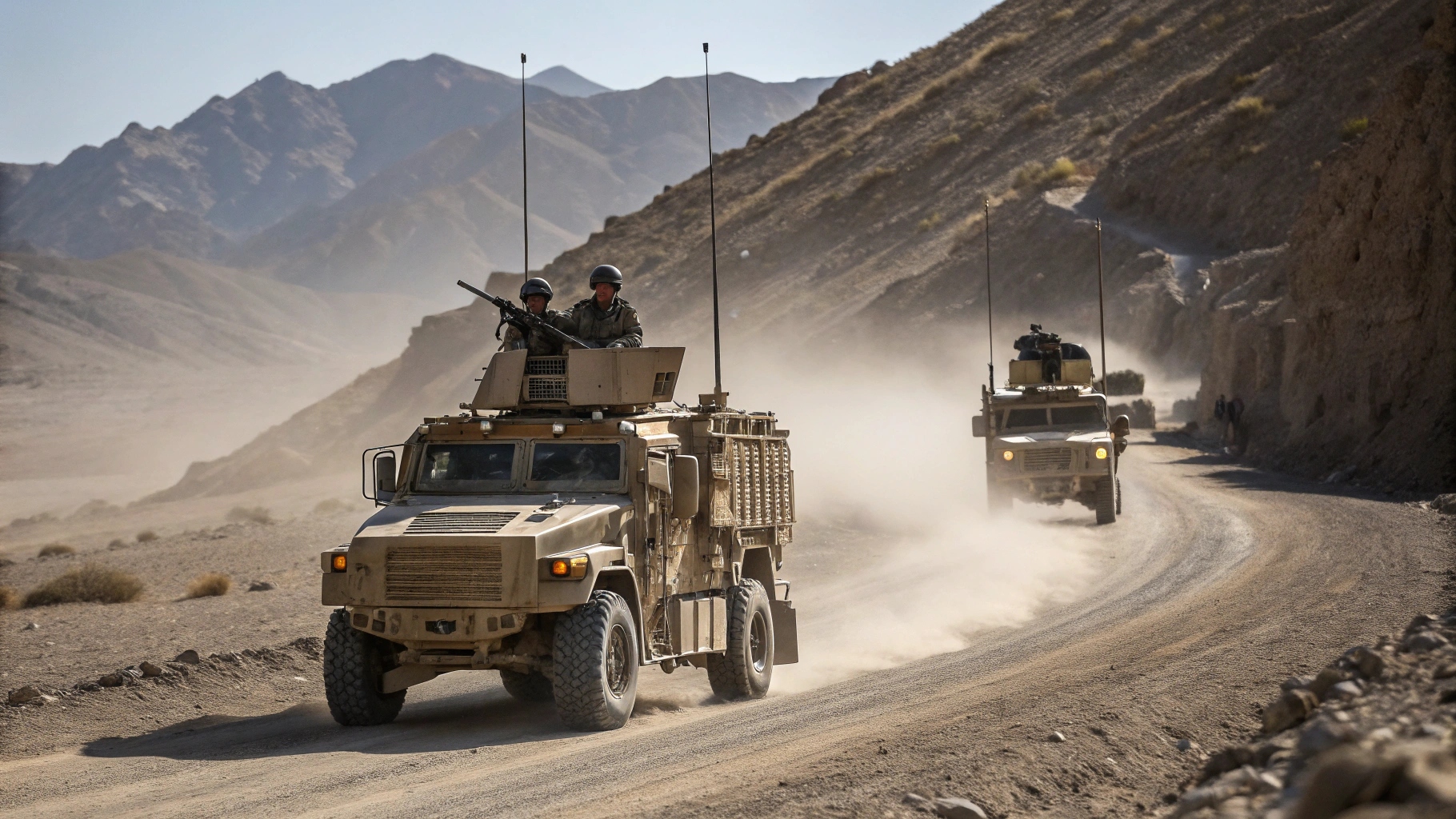
Powered by a diesel engine and advanced suspension, Ajax combines high road speed with cross-country maneuverability.
Crew stations are designed around digital displays and ergonomic interfaces intended to reduce operator workload during long-duration missions. However, earlier concerns regarding vibration and acoustic levels highlighted the challenges of integrating advanced systems into heavily protected tracked vehicles.
Key Advantages
High-speed digital networking and battlefield data sharing
Common platform architecture across multiple combat support roles
Advanced reconnaissance sensors and precision engagement capability
Ongoing Challenges
Technical setbacks and lengthy development delays
Continued debate over survivability against advanced anti-tank threats
Limited operational experience under sustained combat conditions
Expanding Role in Future Warfare
Ajax is expected to become a cornerstone of the British Army’s future reconnaissance and deep-strike formations while supporting broader NATO interoperability goals.
Interest from countries such as Poland highlights growing international demand for digitally networked tracked combat vehicles optimized for modern high-intensity warfare.
The platform’s open digital architecture also positions it for future upgrades, including AI-assisted command systems, active protection technologies, unmanned teaming capability, and additional combat variants such as infantry fighting vehicles and mortar carriers.
Despite its difficult development path, Ajax remains one of the UK’s most ambitious attempts to redefine armored reconnaissance for the digital battlefield era.