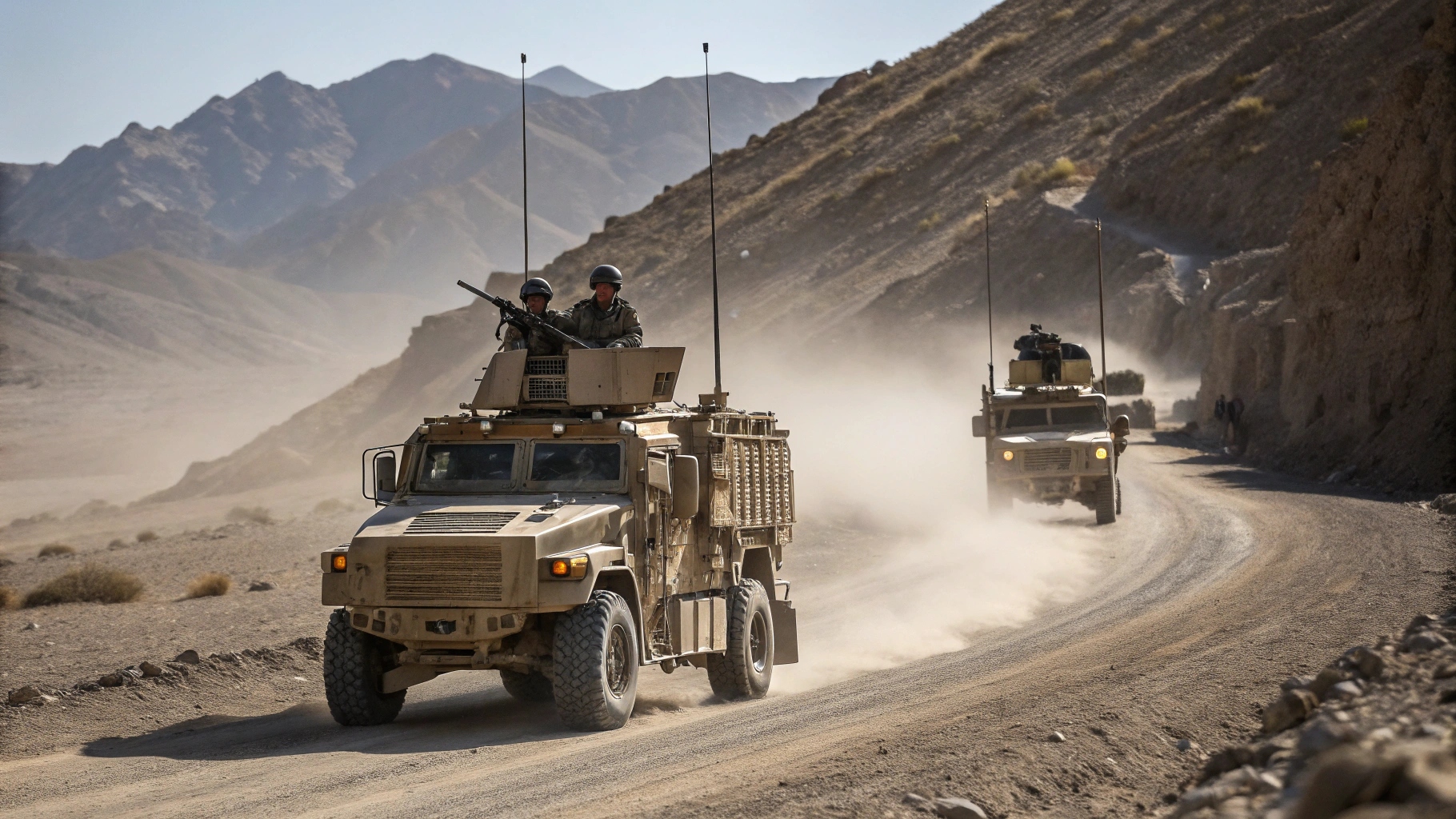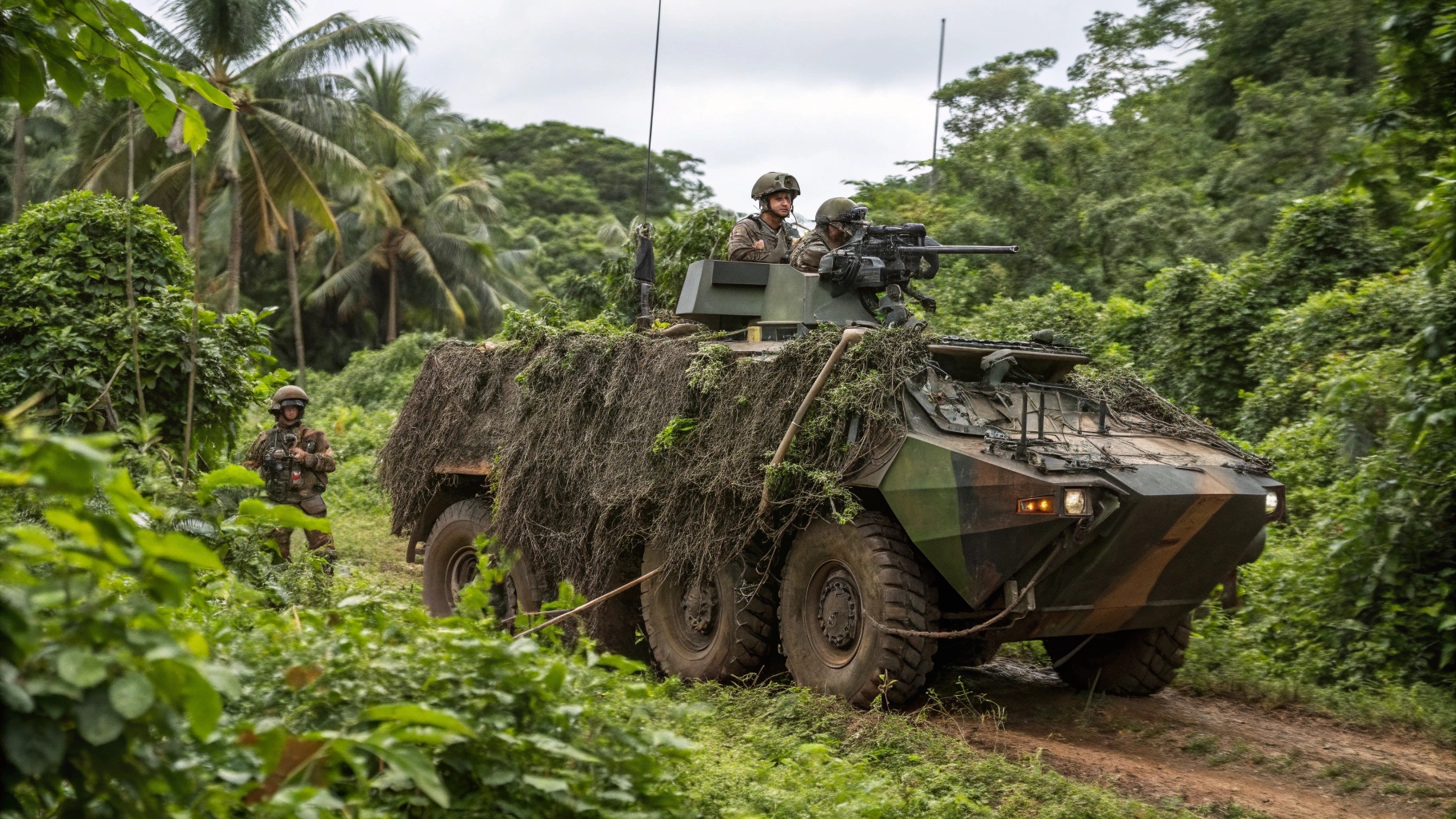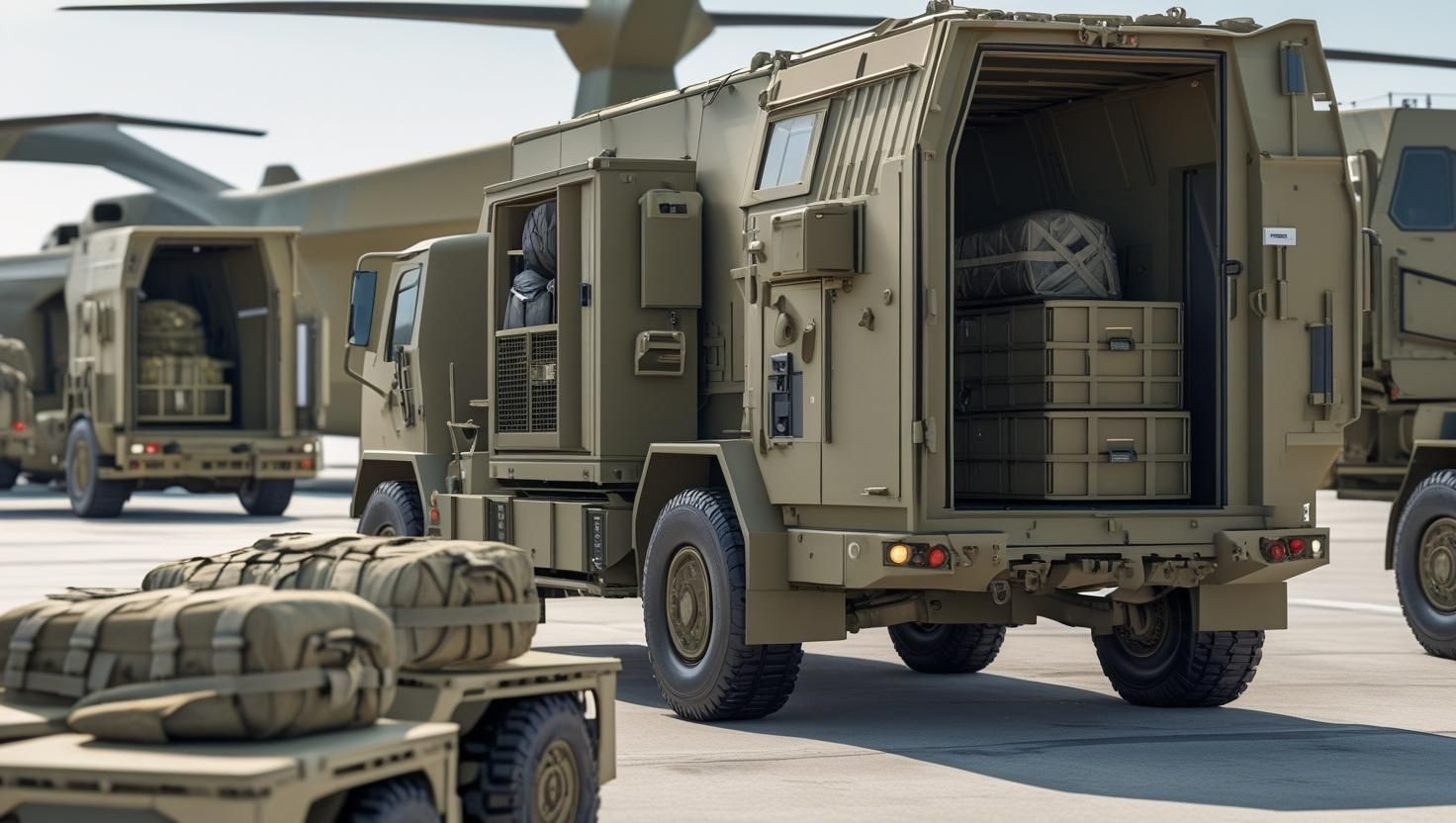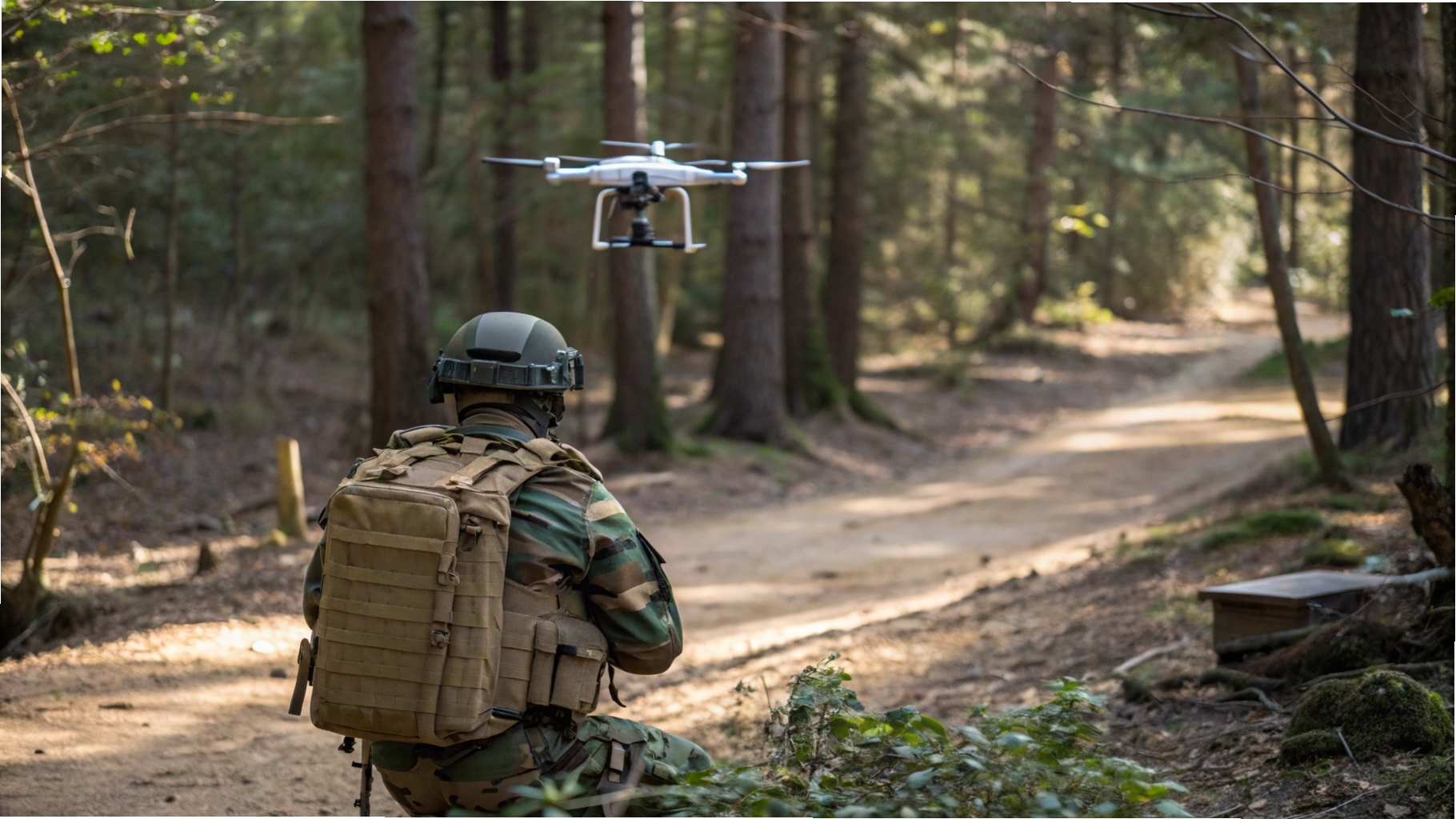
The Netherlands is modernizing its Boxer armored vehicle fleet with advanced anti-drone systems and upgraded digital technologies as part of a broader military renewal effort after more than ten years of operational service. The Dutch Ministry of Defence confirmed a midlife upgrade program for the Boxer vehicles, which includes the integration of counter-UAV capabilities, replacement of aging components, and improvements to onboard digital architecture to extend the fleet’s operational lifespan. Since entering service in 2013, the Boxer has become the Royal Netherlands Army’s main wheeled armored platform and has supported deployments such as NATO’s Enhanced Forward Presence mission in Lithuania. A key feature of the upgrade is a new Remote Controlled Weapon Station capable of detecting and engaging hostile drones independently, highlighting the growing battlefield threat posed by small unmanned aerial systems. In parallel with the anti-drone enhancements, the Netherlands is working with manufacturer Artec to replace obsolete systems and improve long-term maintenance and spare-parts support. The Boxer modernization aligns with wider Dutch efforts to reinforce counter-drone defenses. In December, the Dutch Ministry of Defence ordered 100 drone-detection radars from local firm Robin Radar to enhance surveillance at military bases, critical infrastructure, and airfields. The radars are designed to differentiate drones from birds and other airborne objects, allowing quicker threat response. During the same period, the Netherlands selected Rheinmetall Air Defence to provide Skyranger air defense systems for the Dutch Armed Forces under a contract valued in the high triple-digit million-euro range, with deliveries expected between 2028 and 2029.