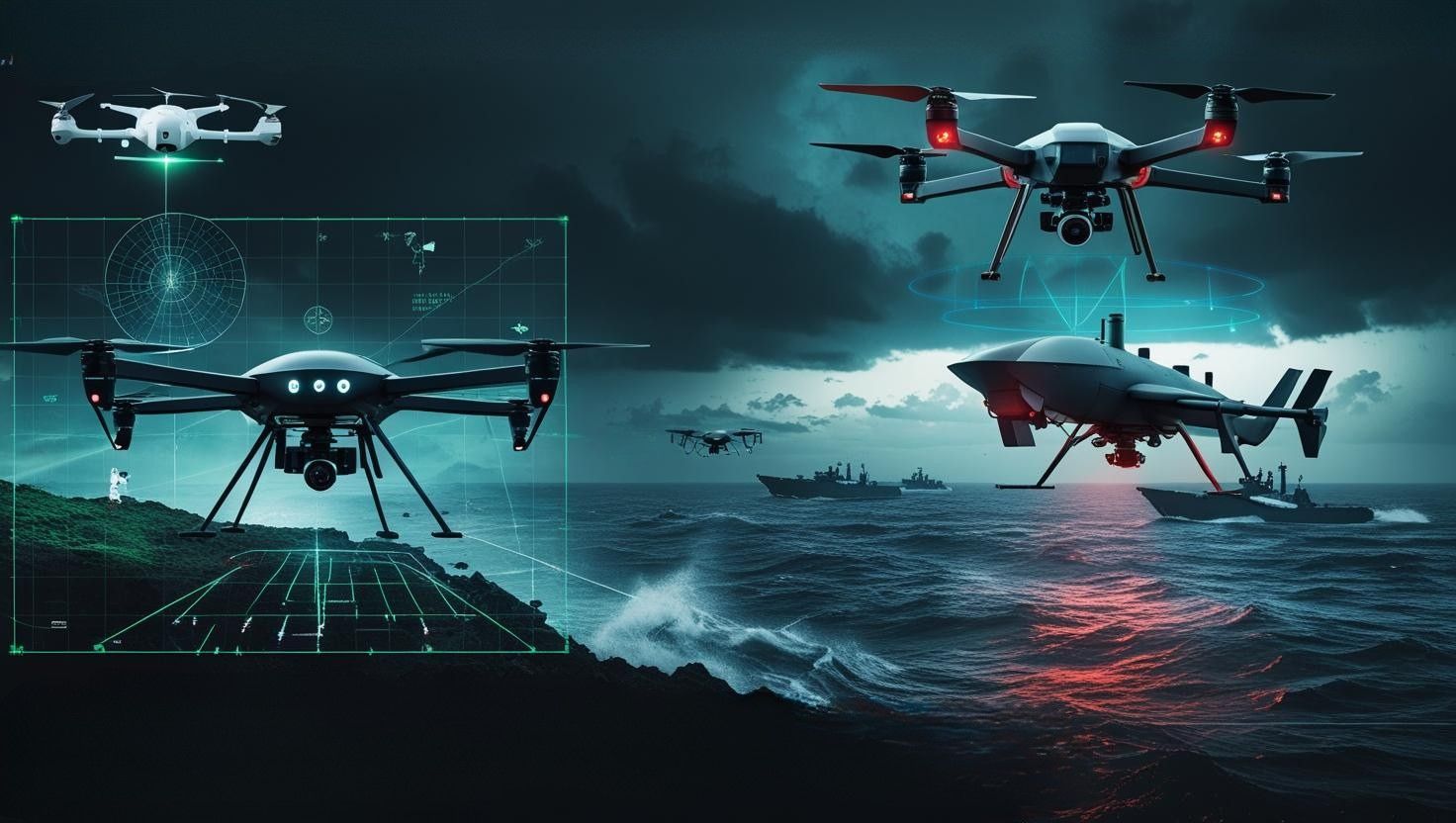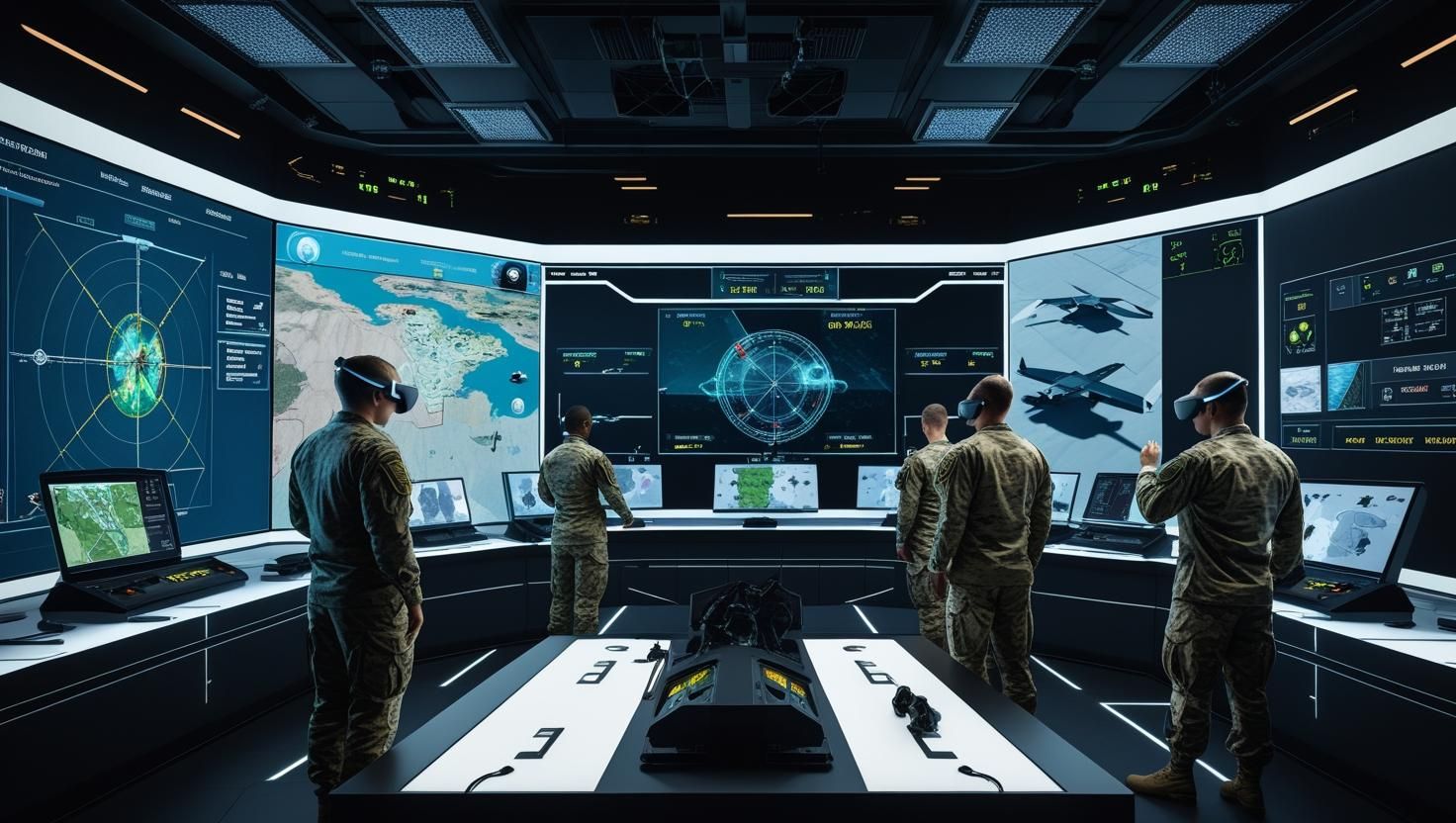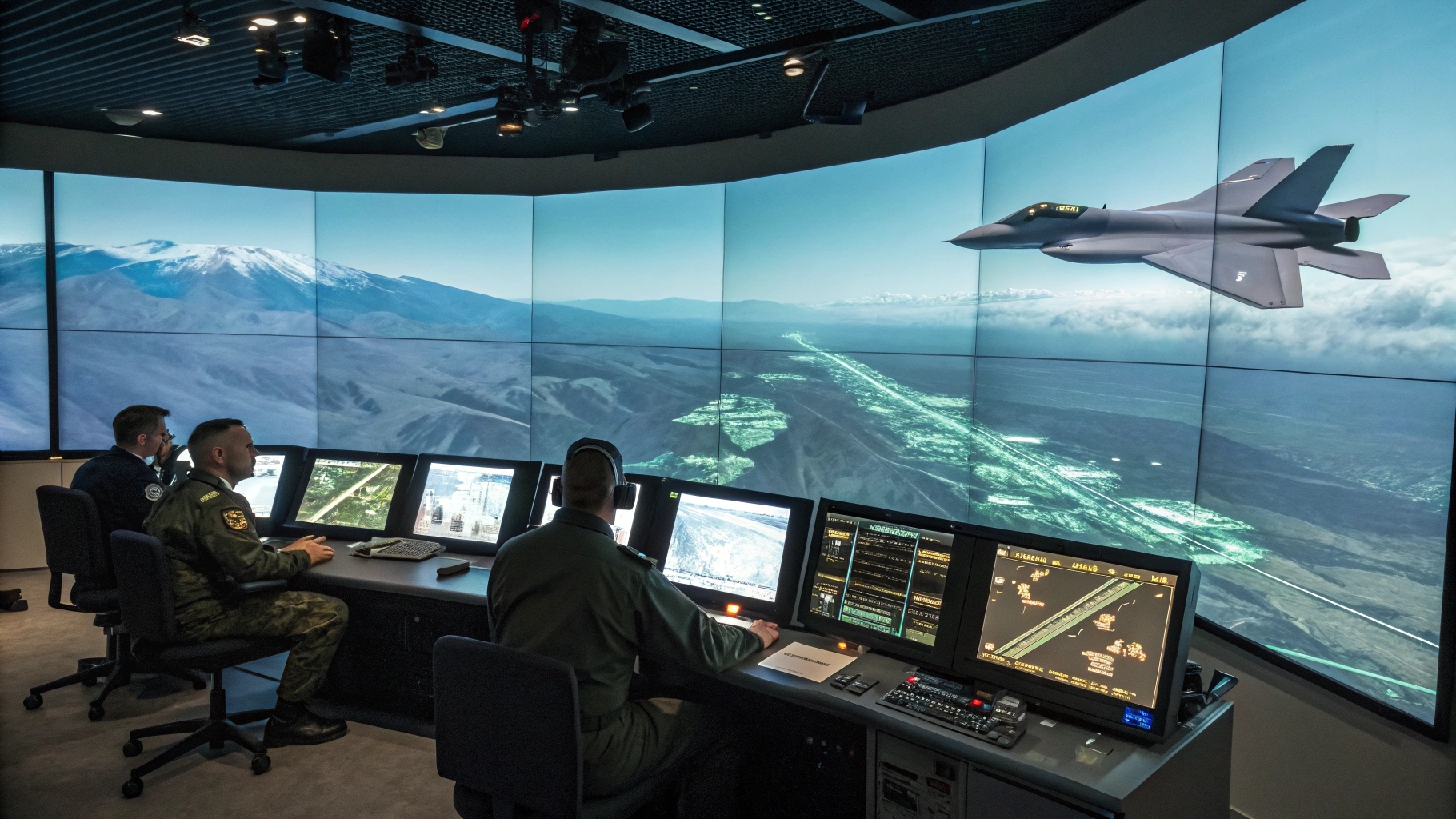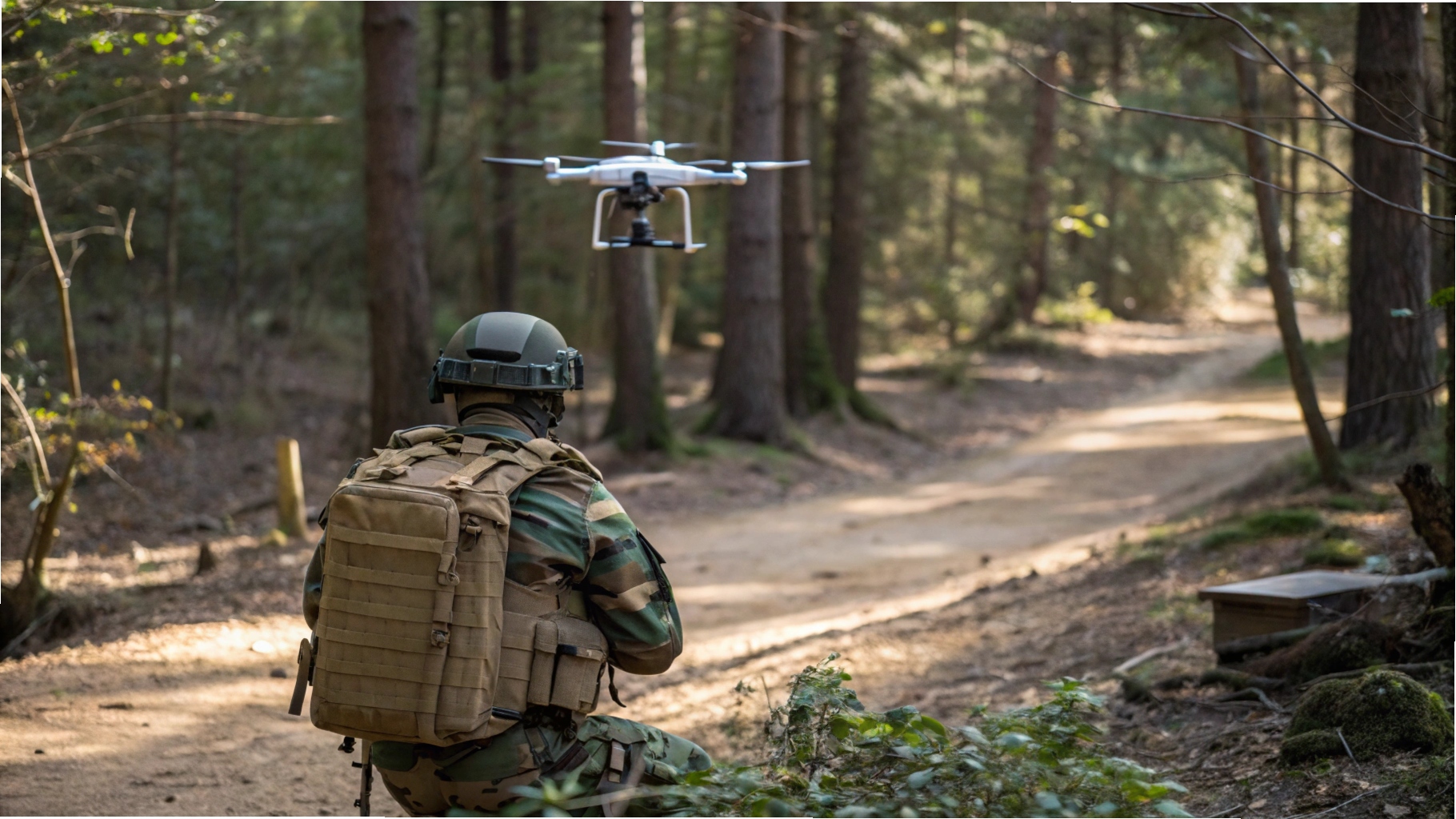
Latvia’s LMT Defence and Italy-based Thales Italia are exploring the potential of mobile telecommunications networks to detect and track unmanned aerial vehicles (UAVs), bringing commercial communication infrastructure into Europe’s expanding counter-drone technology landscape.
The two companies have signed a memorandum of understanding (MoU) to evaluate the integration of LMT’s expertise in mobile network technologies with Thales’ defence-oriented 4G and 5G capabilities. The collaboration will focus on identifying and tracking drones by analysing their behavioural patterns through existing mobile communication networks.
Rather than depending exclusively on dedicated military radar and sensor systems, the proposed approach aims to leverage commercial telecommunications infrastructure as an additional layer of drone detection and surveillance. This could provide defence operators with new capabilities to monitor aerial threats while making use of existing network infrastructure.
The partnership builds on the European Defence Fund-backed 5G COMPAD programme, which examines the integration of commercial 5G technologies into military communication systems. Both companies are also involved in its successor initiative, 5G COMPAD 2.0, which continues to advance the application of next-generation connectivity technologies in defence operations.
Europe Strengthens Counter-Drone Cooperation
The agreement between LMT Defence and Thales Italia reflects Europe’s broader efforts to strengthen collaboration in developing and deploying advanced counter-unmanned aerial systems (C-UAS). European defence initiatives are increasingly prioritising joint technology development, coordinated procurement, and improved industrial capabilities to address evolving drone threats.
In November, NATO introduced a dedicated marketplace designed to accelerate allied access to tested counter-drone technologies. The platform features 16 solutions from five companies, covering systems suitable for fixed, transportable, and mobile operational deployments. The initiative aims to improve access to proven technologies and support faster adoption across allied forces.
Earlier, in September, the Council of the European Union approved the Drone and Counter-Drone European Resolve project. The initiative seeks to coordinate the development, industrial scaling, and deployment of drone and counter-drone capabilities among participating European countries. It also focuses on facilitating joint procurement programmes and strengthening Europe’s domestic manufacturing capacity.
These developments highlight Europe’s growing emphasis on integrating commercial telecommunications, advanced sensor technologies, and defence systems to establish more comprehensive and adaptable counter-drone capabilities.