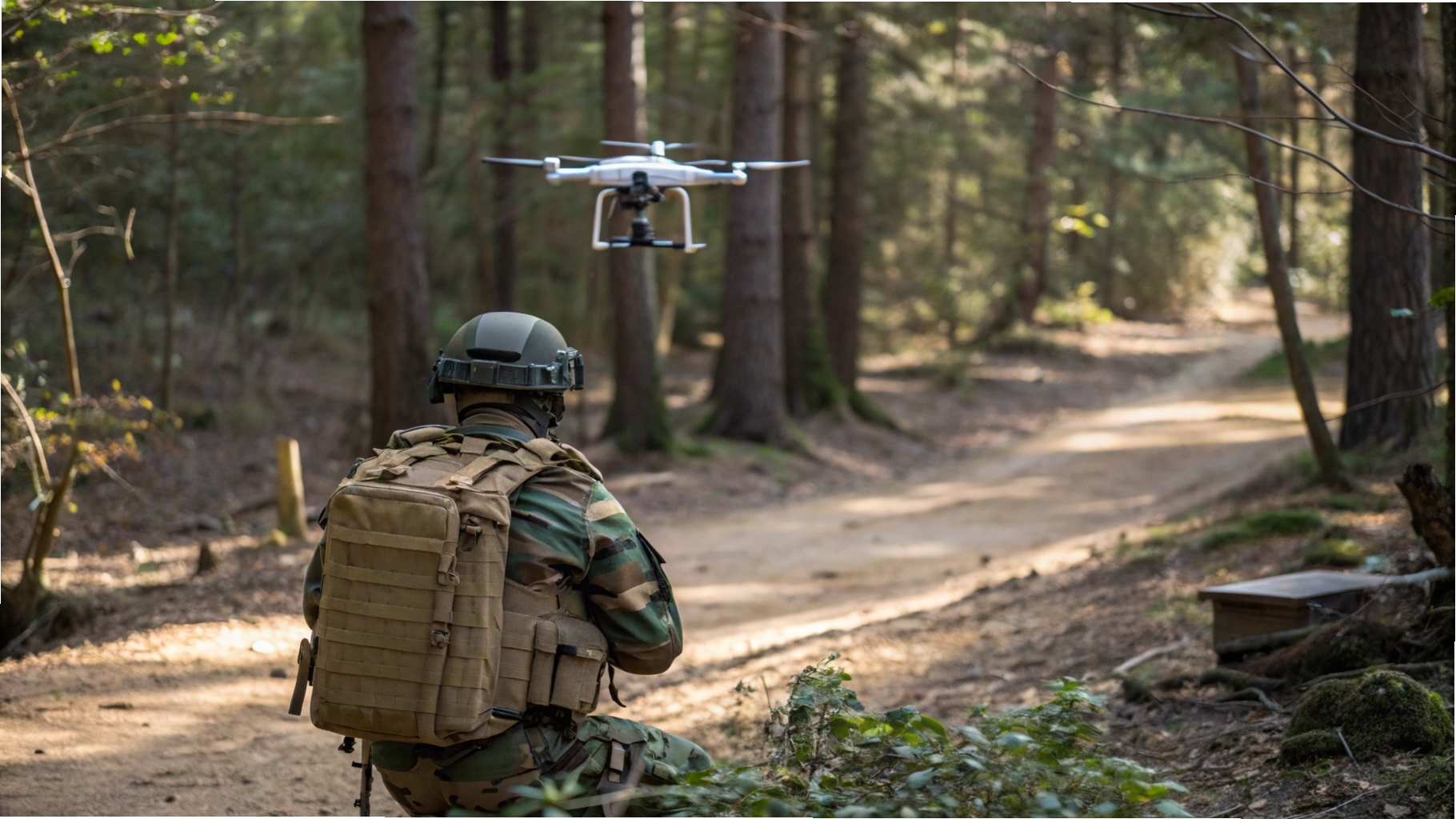

India’s defence modernization is increasingly extending beyond advanced aircraft and weapons into the realm of autonomous combat artificial intelligence, AI-driven drone operations, machine-speed targeting, and intelligent aerial coordination. Although programmes such as the AMCA, Ghatak UCAV, Tejas Mk2, and HAL’s CATS Warrior receive considerable attention, the software and AI technologies underpinning these platforms are likely to become the defining factor in future air warfare.
Unlike traditional autopilot systems, autonomous combat AI is designed to perform highly complex battlefield functions independently. Future AI architectures are expected to evade incoming missile threats, identify and rank targets, coordinate operations with multiple unmanned systems, optimize flight routes, conduct synchronized attacks, manage electronic warfare, and continuously adapt to rapidly changing combat environments. As a result, future drones may evolve from remotely operated platforms into intelligent combat assets capable of making tactical decisions with minimal human intervention.
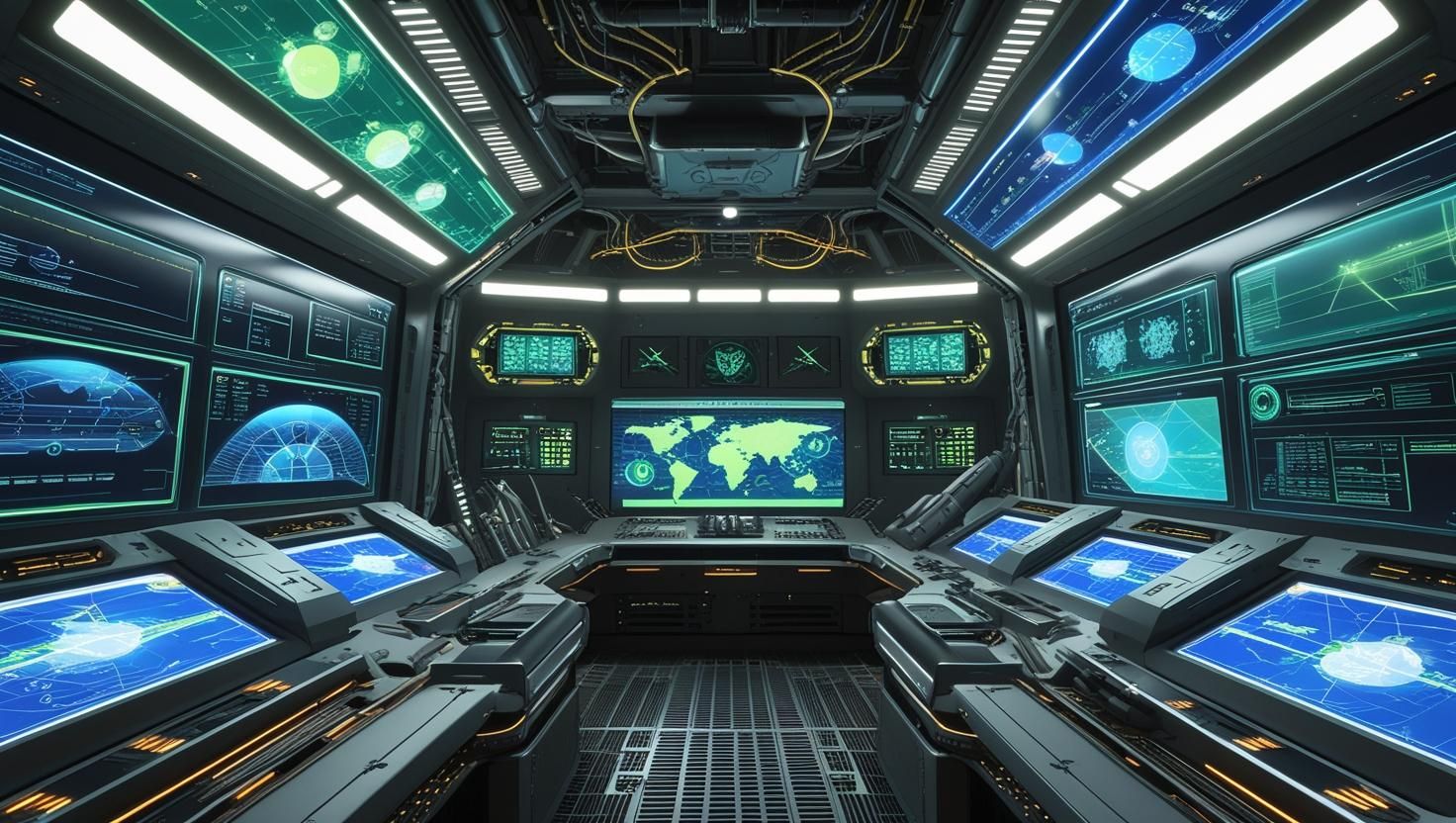
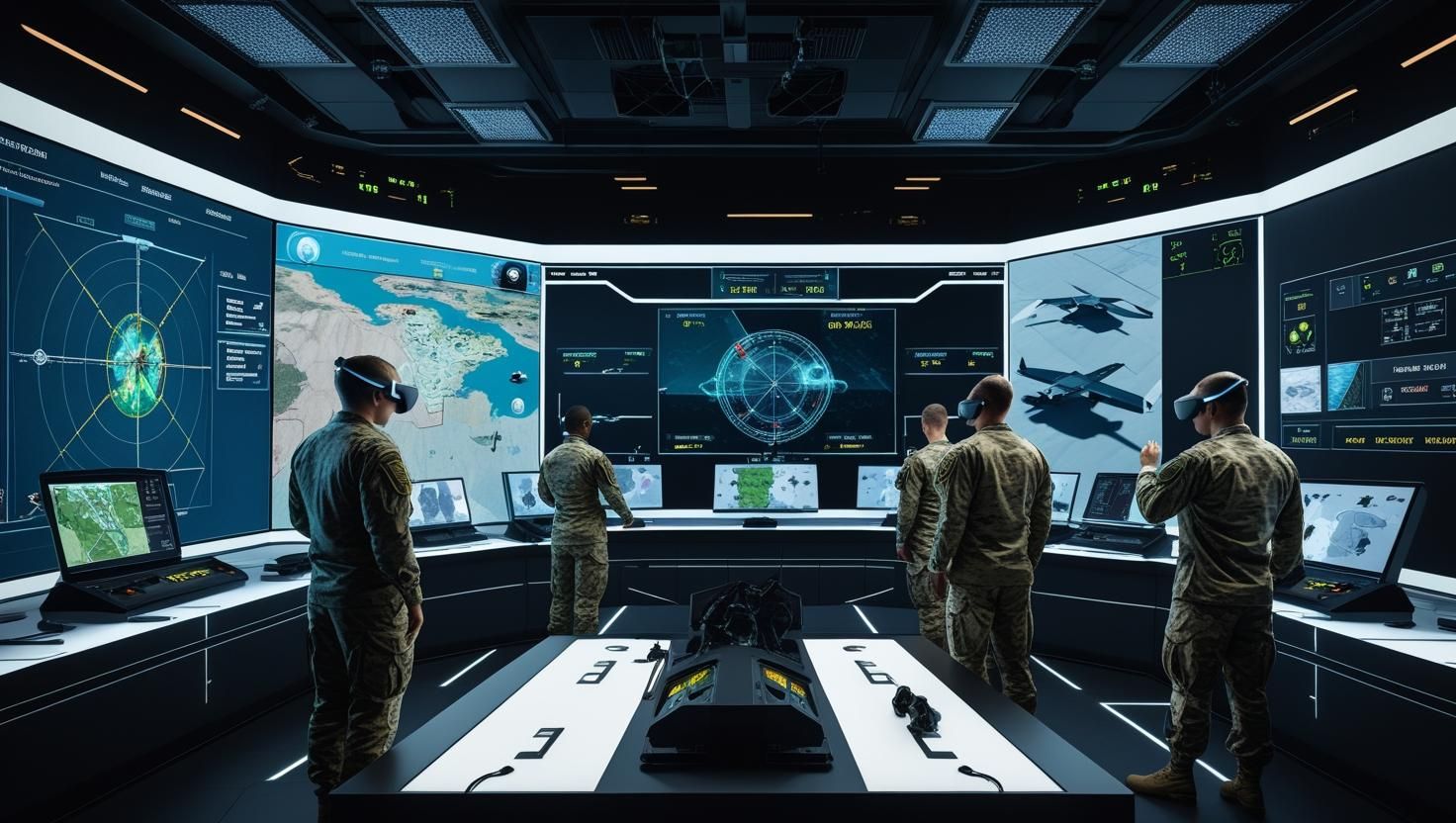
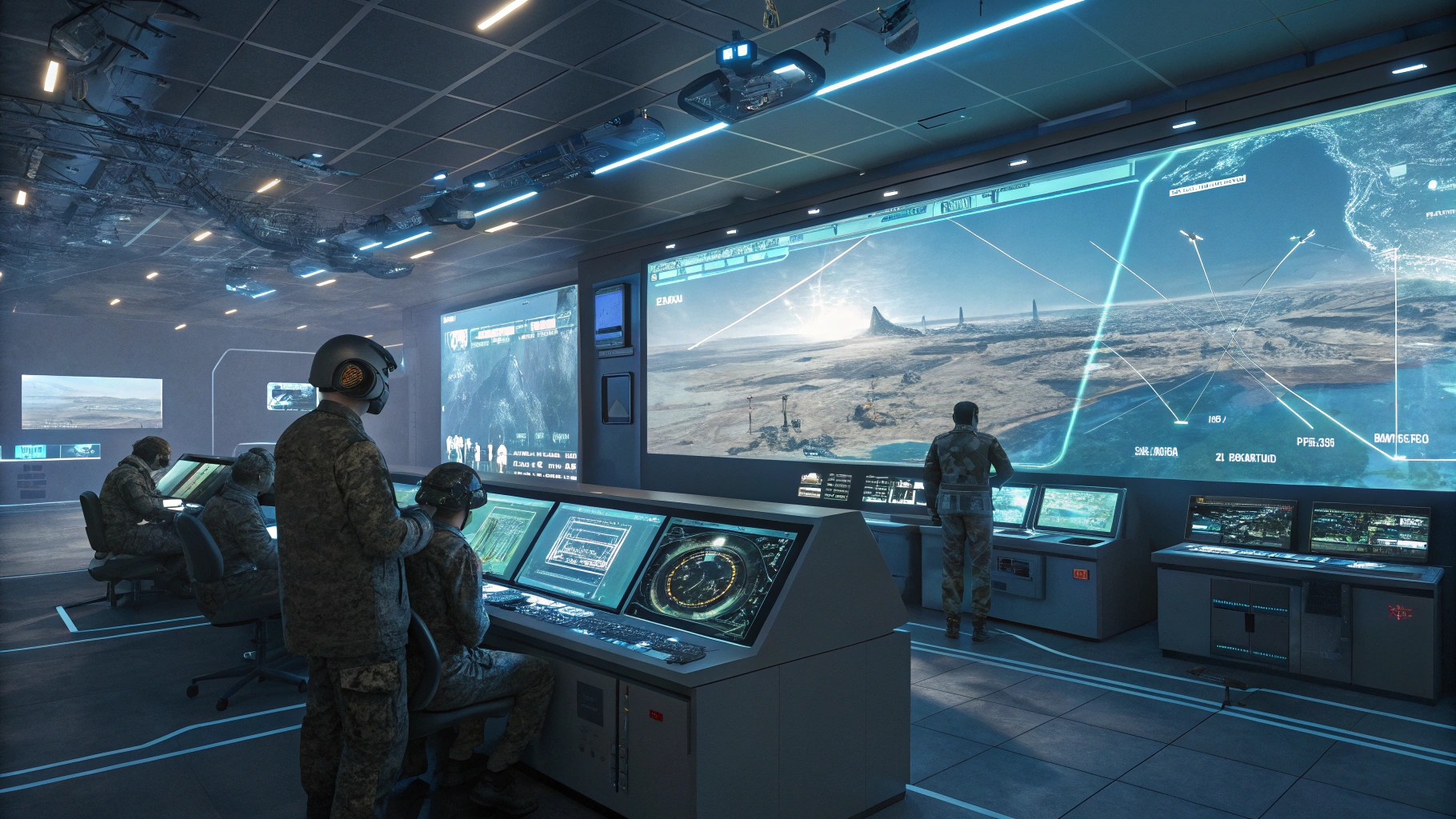
The increasing reliance on AI reflects the growing complexity of modern aerial combat. Future operational environments will involve interconnected fighter aircraft, drone swarms, advanced missile systems, electronic warfare platforms, and distributed sensors operating simultaneously. The sheer volume of information generated in such scenarios exceeds the processing capacity of human operators alone, making artificial intelligence essential for rapid sensor fusion, faster decision-making, and coordinated swarm operations.
The international competition to develop autonomous combat AI is accelerating. The United States continues to invest heavily in programmes including Collaborative Combat Aircraft (CCA), Skyborg, and DARPA’s autonomous dogfighting initiatives, while China is integrating AI-enabled swarms, loyal wingman aircraft, and machine-learning algorithms into its broader intelligentized warfare doctrine. Russia and Türkiye are likewise expanding autonomous strike coordination, AI-assisted target recognition, and collaborative drone combat capabilities.
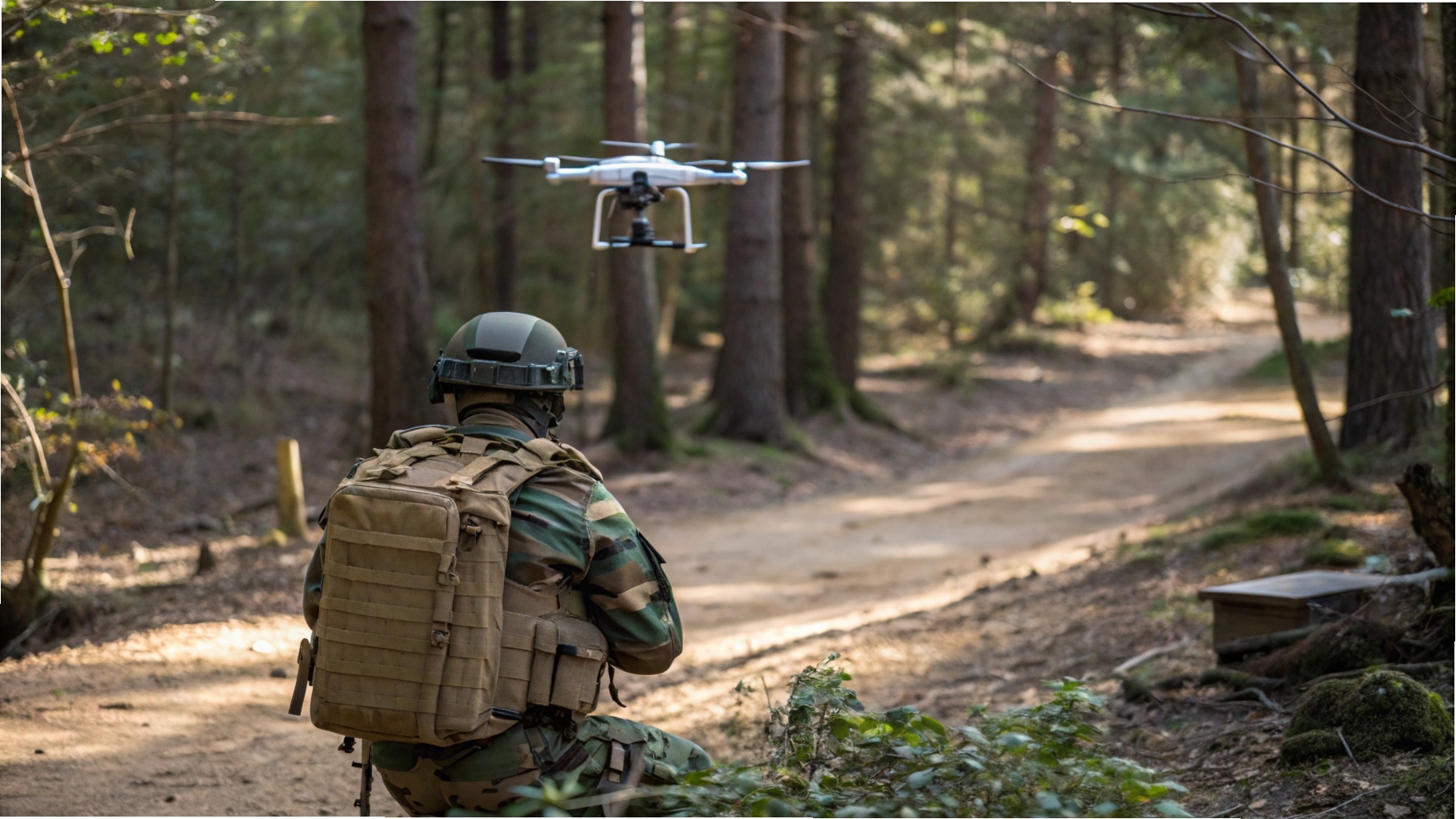
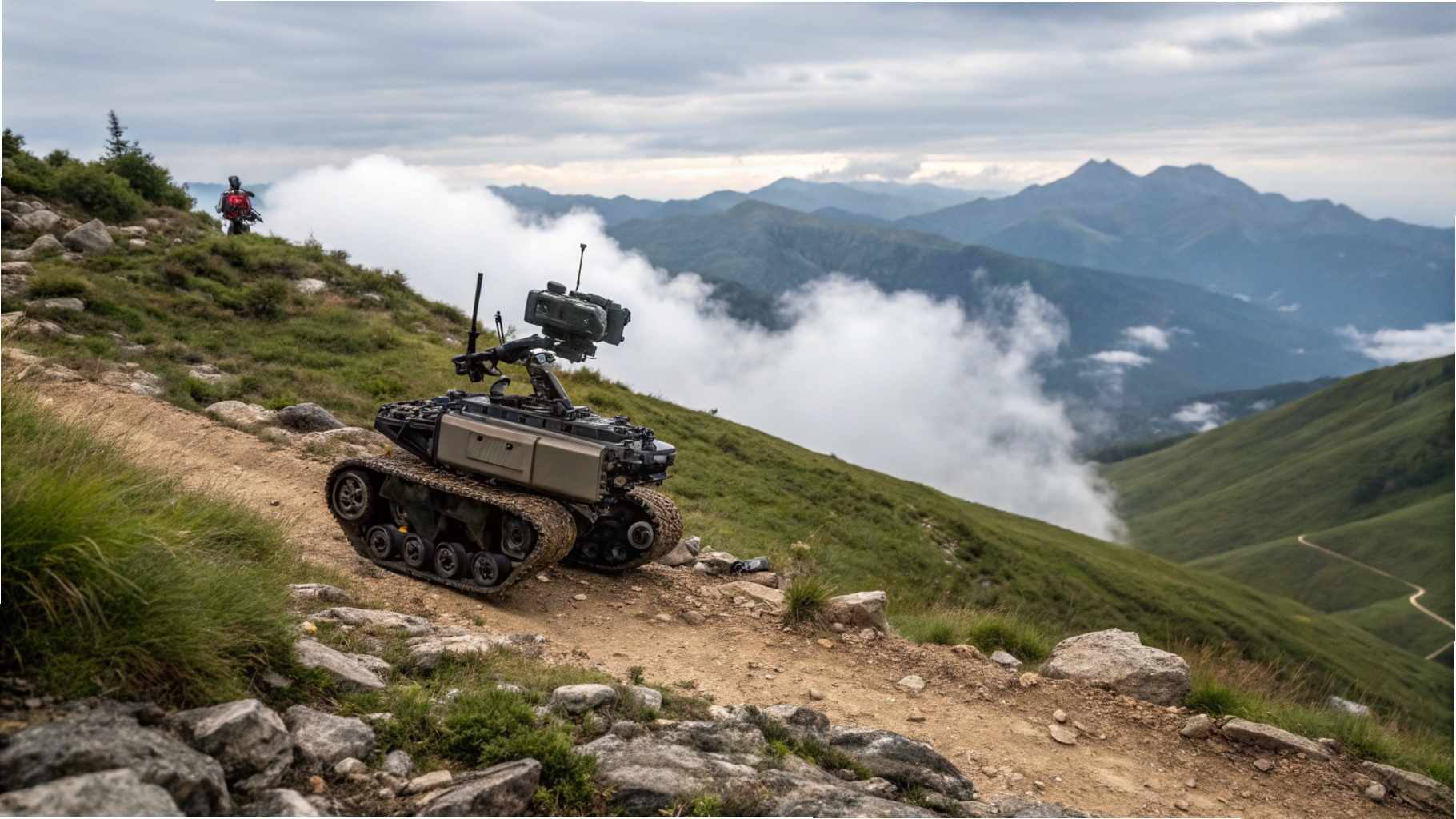
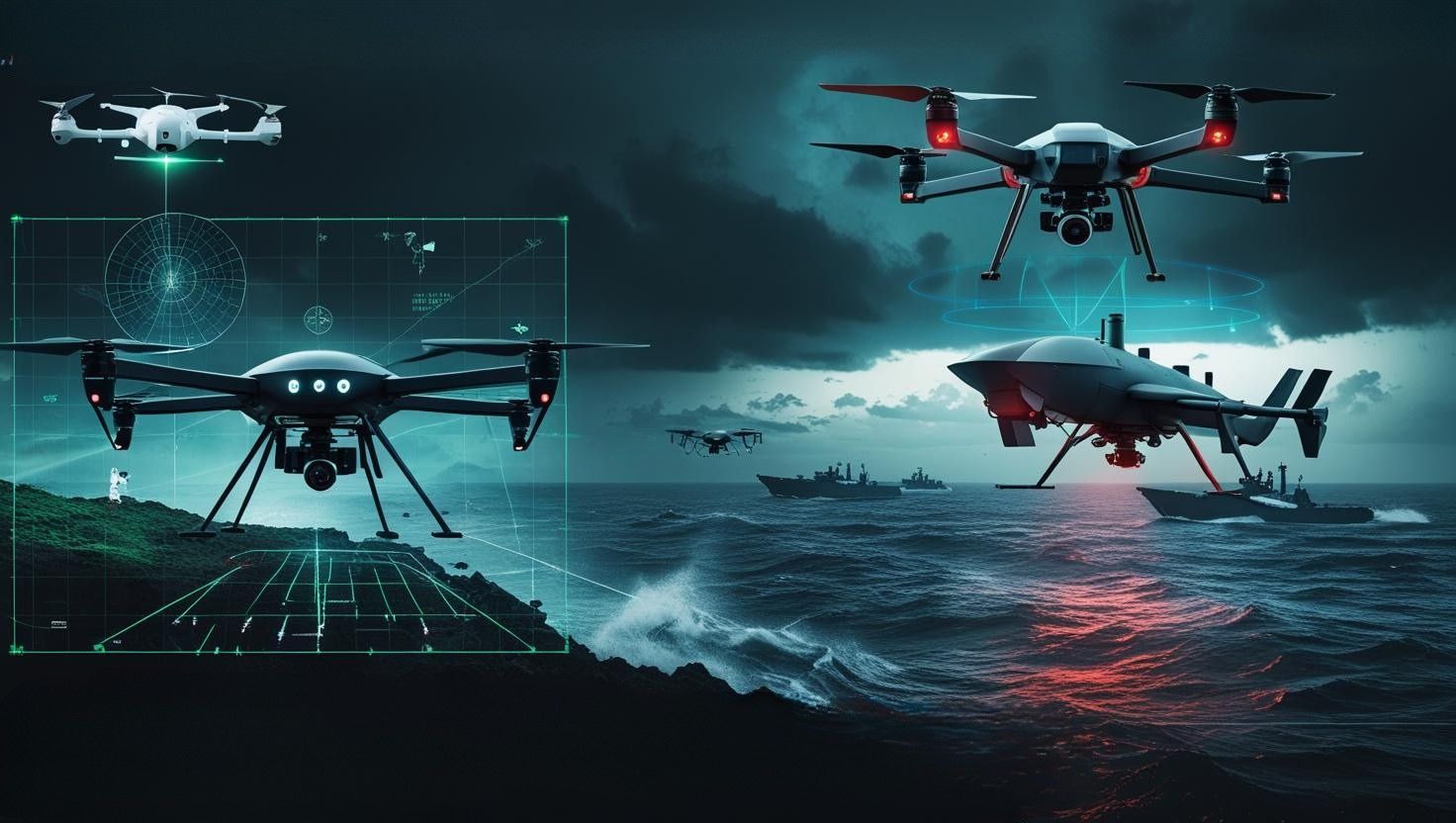
India has already begun laying the technological foundation for similar capabilities. HAL’s Combat Air Teaming System (CATS) focuses on seamless cooperation between manned fighters and autonomous drones, requiring advanced AI-based mission management and coordination. Simultaneously, India’s swarm drone programmes demonstrate progress in autonomous navigation, collaborative mission planning, target allocation, collision avoidance, and coordinated strike operations.
An equally important development is India’s increasing self-reliance in mission computers, onboard software, processing architecture, and secure tactical data links. These indigenous technologies enable the integration of sovereign AI capabilities while reducing dependence on foreign software platforms and ensuring greater operational control.
Machine-speed warfare is emerging as one of the primary long-term objectives of these efforts. Future AI systems could analyze battlefield conditions, identify threats, assign priorities, coordinate multiple drones, and recommend or execute responses within milliseconds—dramatically reducing decision timelines compared with human operators. Such capabilities are expected to become a decisive advantage in next-generation conflicts.
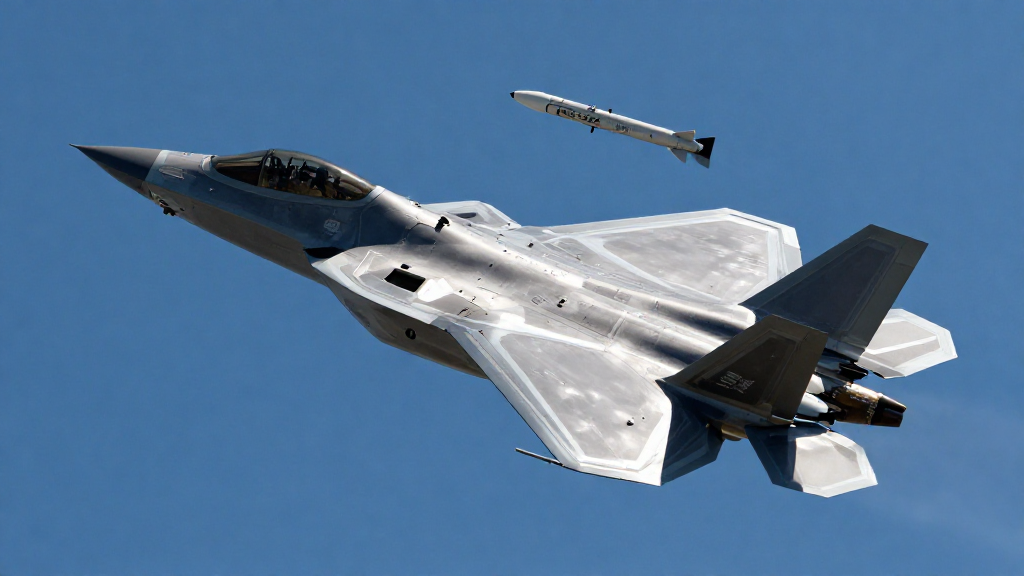
Future Indian autonomous systems could include AI-powered missile avoidance technologies capable of calculating evasive maneuvers independently, intelligent threat assessment systems that continuously prioritize hostile assets, and advanced drone swarms that share sensor information, distribute attack tasks, conduct electronic warfare, and overwhelm adversaries through coordinated autonomous operations.
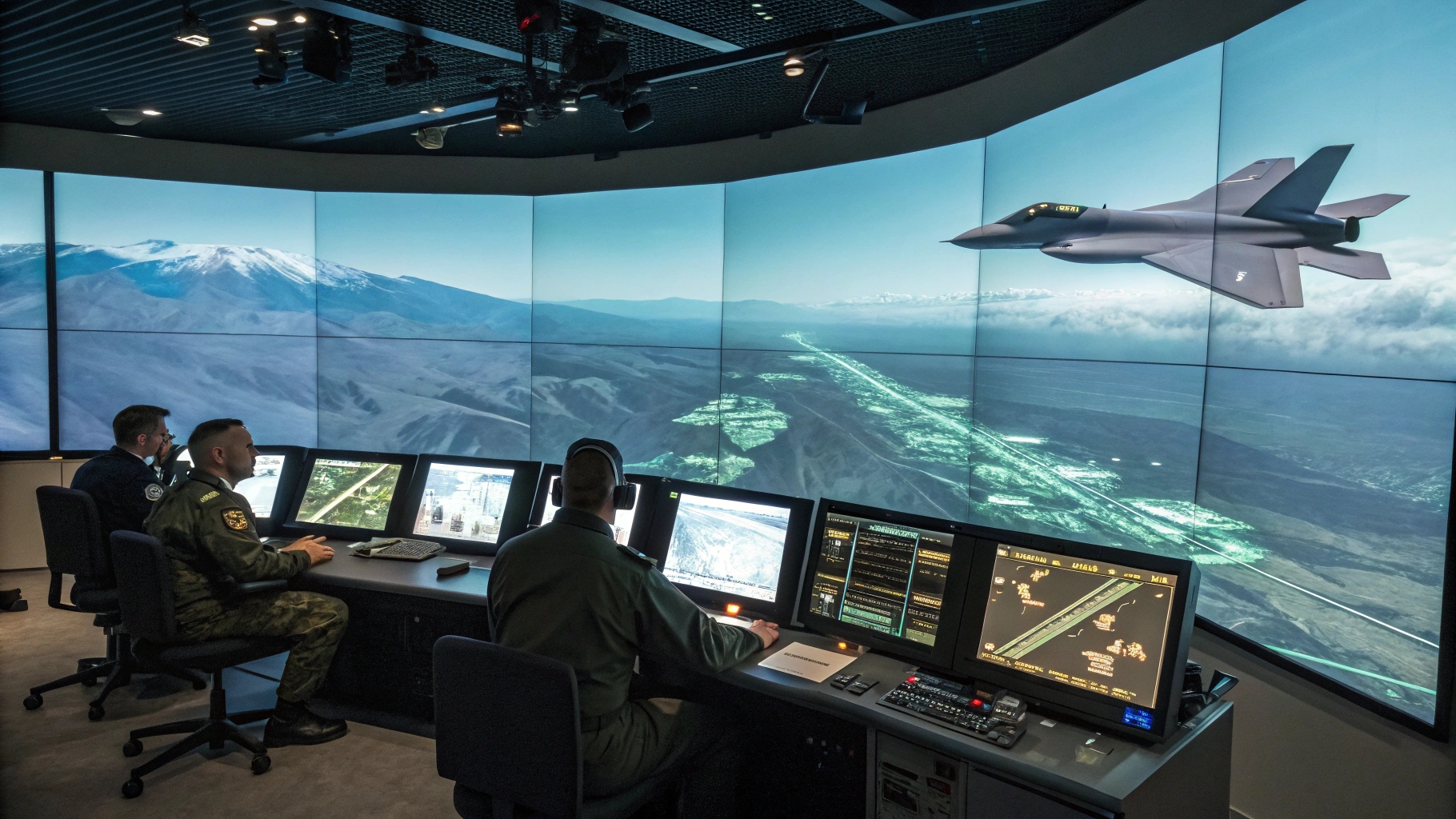
AI is also expected to revolutionize electronic warfare by enabling autonomous platforms to detect hostile radar emissions, modify jamming techniques dynamically, deploy electronic countermeasures, and adapt to changing electromagnetic environments in real time. The loyal wingman concept further enhances this vision by allowing a single pilot to command multiple autonomous drones responsible for reconnaissance, strike missions, electronic attack, and defensive operations.
These capabilities are particularly relevant as China rapidly expands its investments in AI-enabled military technologies, integrated battlefield networks, and autonomous combat systems. India’s growing emphasis on indigenous AI suggests recognition that future military superiority may depend not only on advanced platforms but also on the speed and intelligence of the algorithms controlling them.
In the long term, Indian combat aircraft may evolve into central coordination hubs within a layered autonomous combat network. Tejas Mk1A could oversee unmanned systems, Tejas Mk2 could manage drone swarms, AMCA could function as an AI-enabled network warfare platform, and Ghatak could execute autonomous stealth strike missions as part of an integrated combat ecosystem.
As future warfare increasingly becomes driven by artificial intelligence, sovereign control over military software will be essential. Indigenous AI development provides secure algorithms, unrestricted upgrade capability, protection against cybersecurity risks, and operational independence. Ultimately, success in future conflicts may depend less on possessing superior aircraft or missiles and more on the ability to process information, coordinate assets, and make combat decisions faster than an adversary.