
The US Army has selected Xtremis to develop advanced technology capable of detecting unmanned aerial systems (UAS) that use changing radio frequencies to evade conventional counter-drone detection systems.
The contract comes under AUGUR SHIELD, a research initiative led by the US Army Combat Capabilities Development Command Army Research Laboratory. The programme aims to strengthen the military’s ability to identify and track drones operating with unfamiliar or rapidly changing radio frequency (RF) signals.
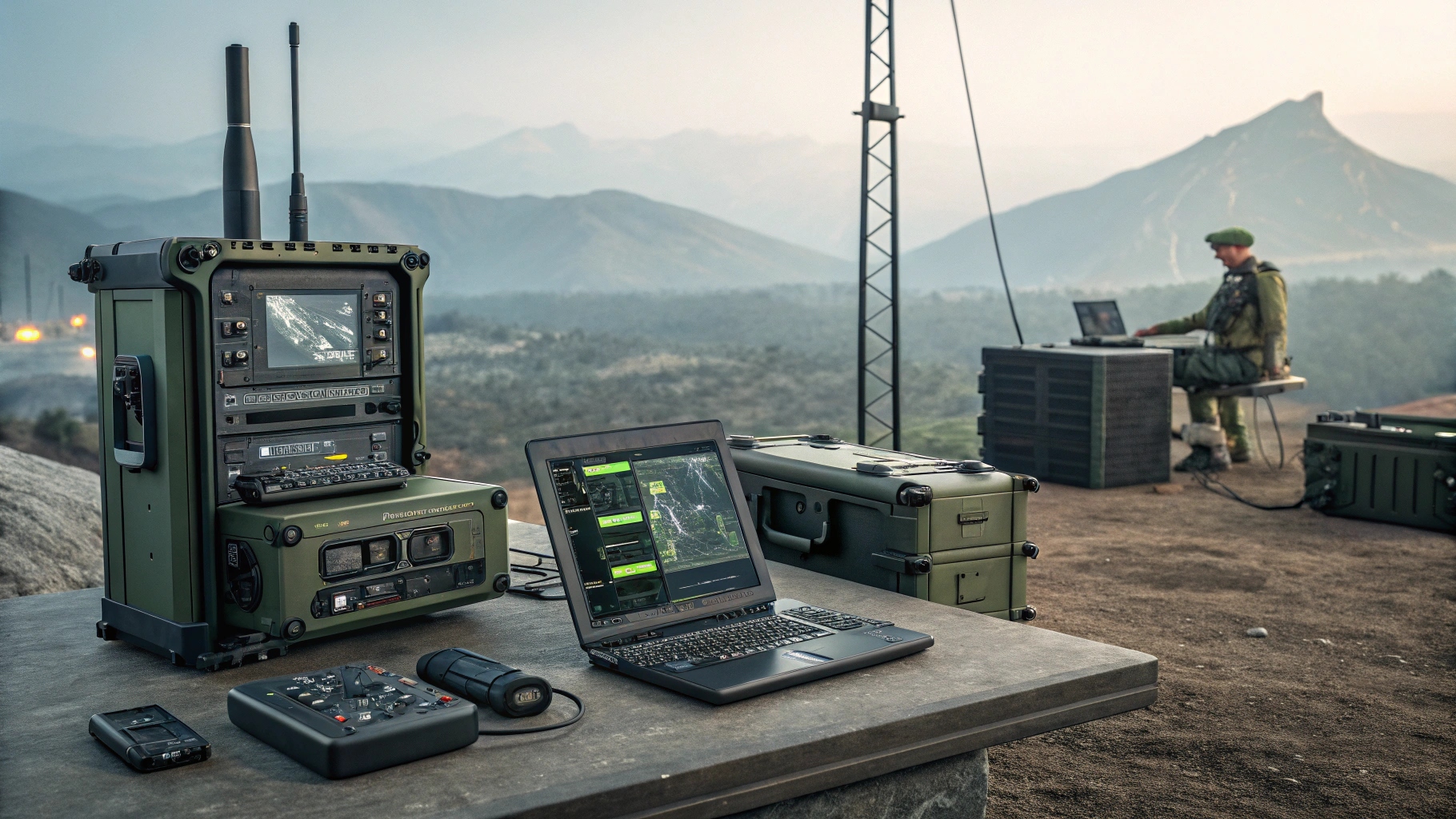
Under the initiative, Xtremis will develop artificial intelligence (AI)-powered spectrum monitoring capabilities and integrate them with electro-optical, infrared, radar and acoustic sensors to improve drone detection and tracking. The system will combine information from multiple sensors to identify previously unrecognised drone signals and provide actionable intelligence to military operators.
Initial development activities will include operational experiments, AI model development, spectrum data collection and multi-sensor integration. Xtremis will use its SpectrumOS platform as the technological foundation for the project. The company describes the software as a solution designed for continuous spectrum monitoring across complex operational environments.
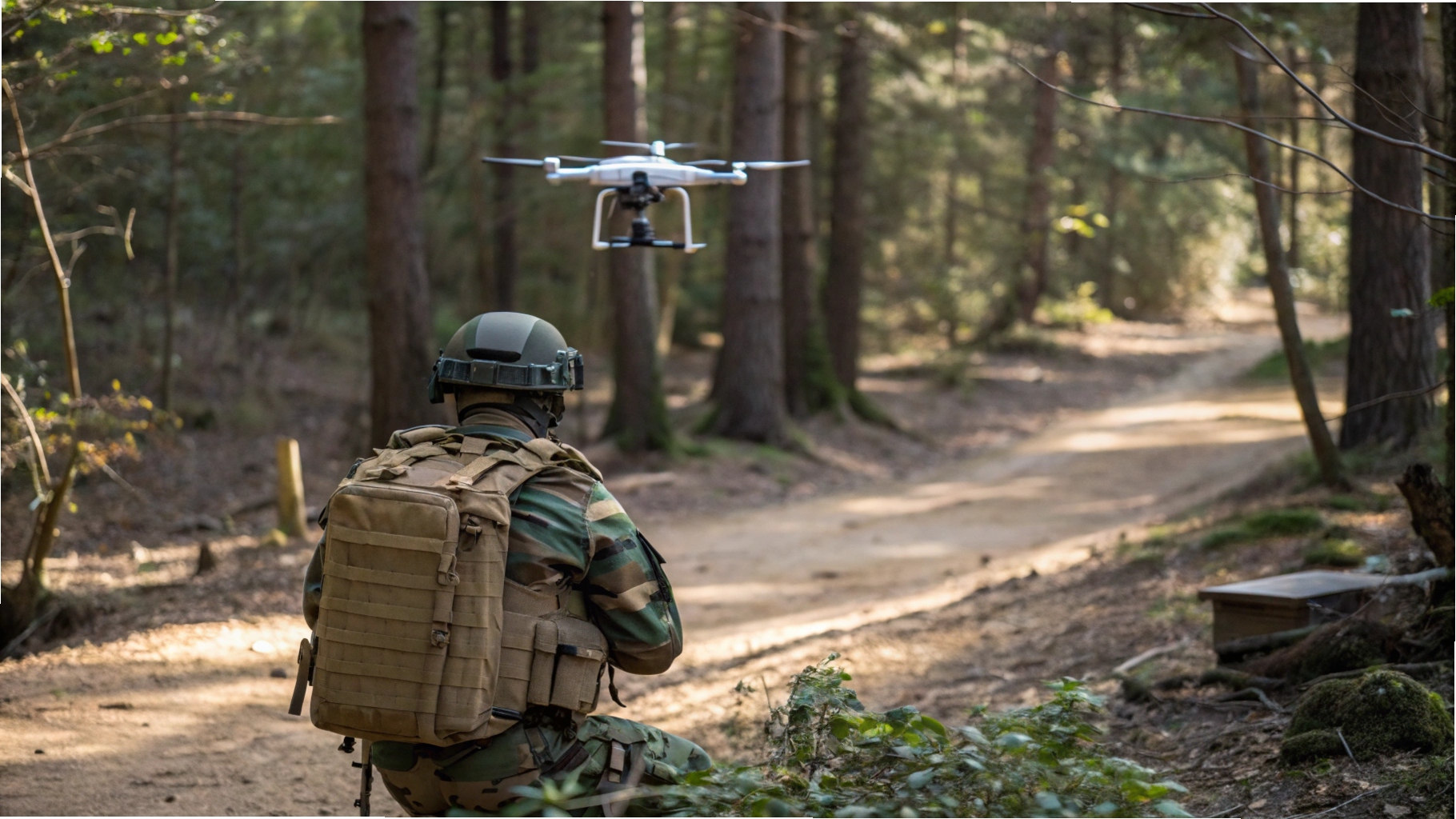
The initiative addresses the growing challenge posed by modified commercial drones that frequently alter their communication frequencies to bypass conventional detection technologies.
AUGUR SHIELD Advances Multi-Sensor Counter-Drone Capabilities
AUGUR SHIELD is a US Army research programme focused on identifying and countering unmanned aerial threats that employ changing, unfamiliar or difficult-to-detect radio frequency signals.
The initiative seeks to develop AI and machine learning capabilities that can recognise unusual RF activity, analyse emerging threats and combine intelligence from multiple sensor systems. These technologies are expected to improve situational awareness and enable faster responses to evolving drone threats.
The US Army is also examining how these advanced detection capabilities can operate on compact computing hardware deployed closer to the battlefield, supporting faster data processing and operational decision-making.
Research activities include evaluating passive radio frequency detection technologies in real-world operational environments, including Combat Training Centers and locations along the southern US border.
The programme highlights the US Army’s growing emphasis on AI-enabled electronic surveillance, multi-sensor data fusion and adaptable counter-UAS technologies to address increasingly sophisticated unmanned aerial threats.