
Before an enemy can react, the battle may already be lost. A fleeting radar contact appears, disappears, and moments later the threat has been neutralized. This ability to operate unseen and strike first is at the heart of the F-22 Raptor, a fighter aircraft engineered to control the skies through stealth, speed, and overwhelming situational awareness.
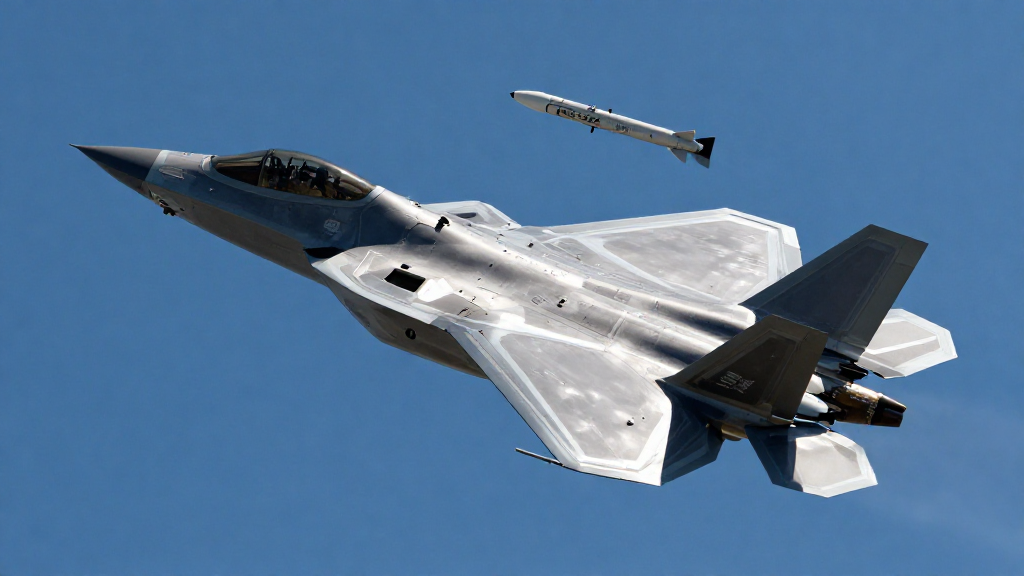
The F-22 Raptor is a fifth-generation stealth fighter designed primarily to achieve and maintain air superiority. Developed jointly by Lockheed Martin and Boeing, it combines advanced low-observable technology with multi-role capabilities that allow it to perform air-to-air combat, precision strike missions, electronic warfare, and intelligence collection. According to the U.S. Air Force, the aircraft remains unmatched by any known operational fighter.
Its development began under the Advanced Tactical Fighter program, launched in 1981 to counter future Soviet air threats. The program sought to exploit emerging technologies such as stealth design, composite materials, and advanced flight control systems. After a fly-off competition between the YF-22 and YF-23 prototypes, the YF-22 was selected as the winning design. The aircraft entered production in 2004 and officially joined the U.S. Air Force fleet as the F-22A in 2005.
The Raptor’s effectiveness is built on several key technologies. Its stealth design minimizes radar reflections through specialized shaping, radar-absorbent materials, and internally carried weapons, allowing it to operate deep inside contested airspace with reduced risk of detection. Its ability to supercruise—maintaining supersonic speeds without afterburners—provides a significant tactical advantage while improving fuel efficiency and mission endurance. Thrust-vectoring engines further enhance agility, giving the aircraft exceptional maneuverability during air combat.
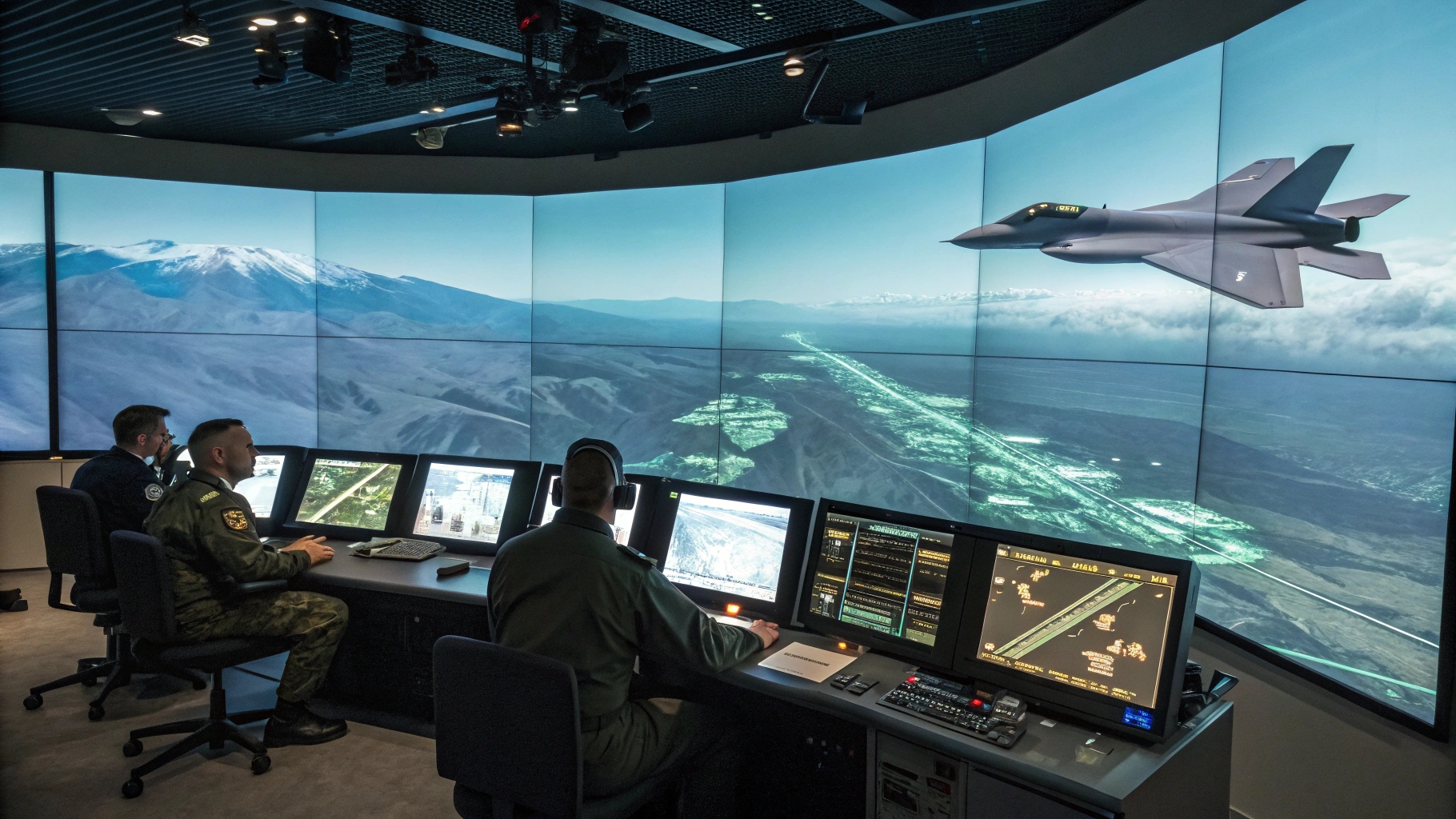
Another major strength is its advanced avionics suite. Through sensor fusion, the aircraft combines data from radar, electronic support measures, and other onboard systems into a single comprehensive tactical picture. This enables pilots to identify threats earlier, make faster decisions, and engage targets before opponents are aware of their presence.
The aircraft excels in air superiority missions, offering stealth, high-speed performance, and unmatched situational awareness. However, its sophisticated design also brings challenges, including high operating costs, a relatively small fleet size, and the need for continuous modernization to counter evolving threats. Additionally, U.S. export restrictions have ensured that the F-22 remains exclusively in American service.
Over the years, the Raptor has supported operations in multiple regions, including combat missions in the Middle East. Meanwhile, rival powers have introduced advanced fighters such as the Chinese J-20 and Russian Su-57 in an effort to narrow the capability gap and challenge U.S. dominance in the air domain.
Despite the end of production, the F-22 remains a vital element of American air power. Ongoing upgrades are enhancing its sensors, software, weapons integration, and electronic warfare systems to keep it relevant in increasingly complex combat environments. While the future NGAD family of systems is expected to succeed it eventually, the transition remains years away.
The F-22 was created to guarantee control of the skies at a time when air superiority had become indispensable to military success. Decades later, it still serves as the benchmark against which modern fighter aircraft are measured, maintaining a reputation as one of the most formidable air combat platforms ever built.