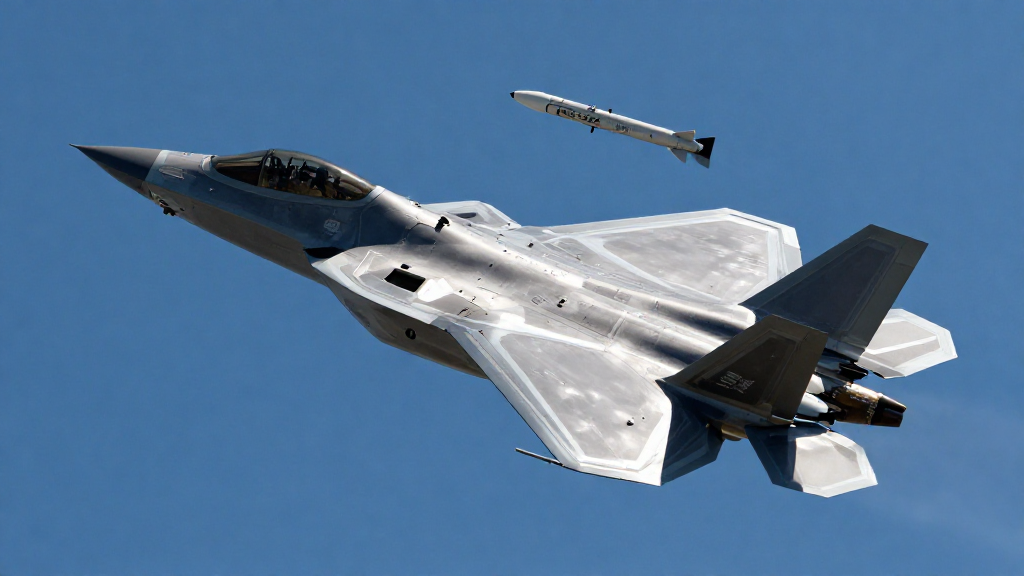

India is independently developing the Advanced Medium Combat Aircraft (AMCA) MkII as a 5.5-generation stealth fighter featuring an Artificial Intelligence-based Electronic Pilot (E-Pilot) that will function as an intelligent digital assistant for the pilot. Led by the Aeronautical Development Agency (ADA), the programme is entirely indigenous, although the growing India-France strategic partnership under the Innovation Roadmap 2030 may create opportunities for cooperation in AI technologies, mission systems, and advanced combat avionics.
Designed as a next-generation combat platform, the AMCA MkII will combine stealth characteristics with advanced network-centric warfare capabilities. At the core of its architecture is the AI-powered E-Pilot, which will continuously analyze operational data and provide real-time mission support to enhance combat effectiveness.
The E-Pilot is intended to augment, rather than replace, the pilot by automating complex processes such as sensor integration, threat evaluation, target selection, and mission coordination. This approach is expected to reduce cognitive workload while enabling quicker and more informed responses in high-threat environments.
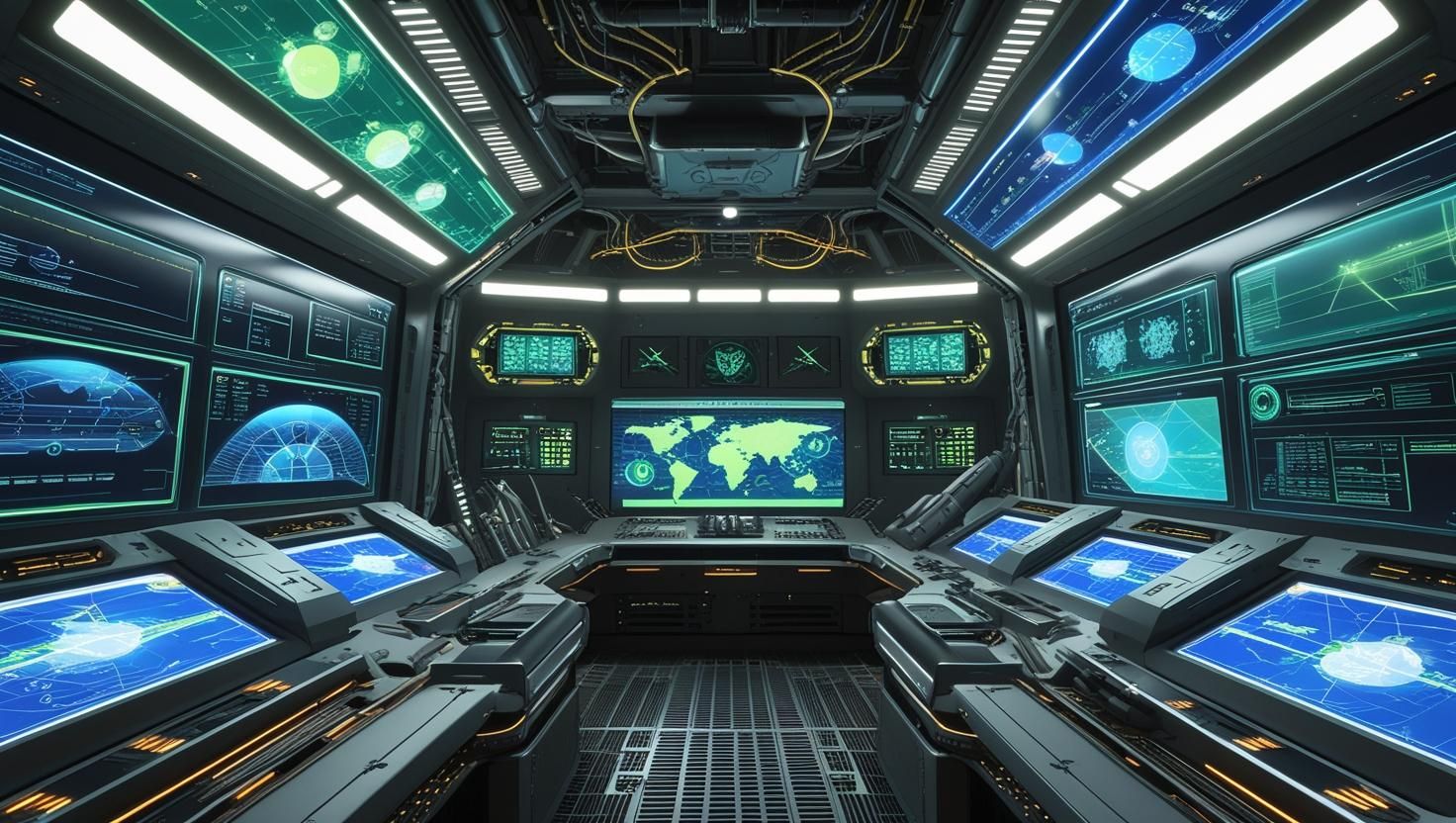
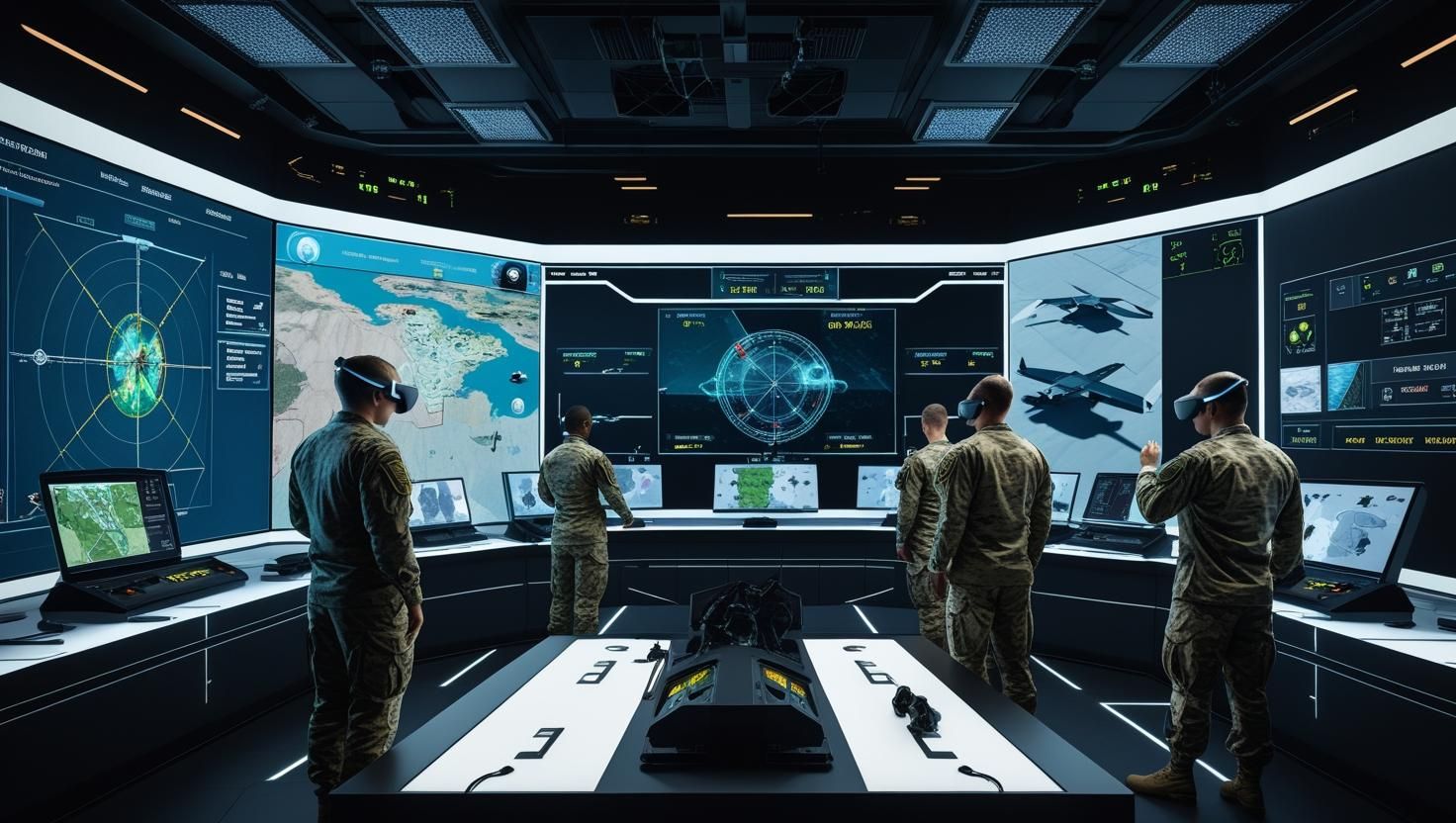
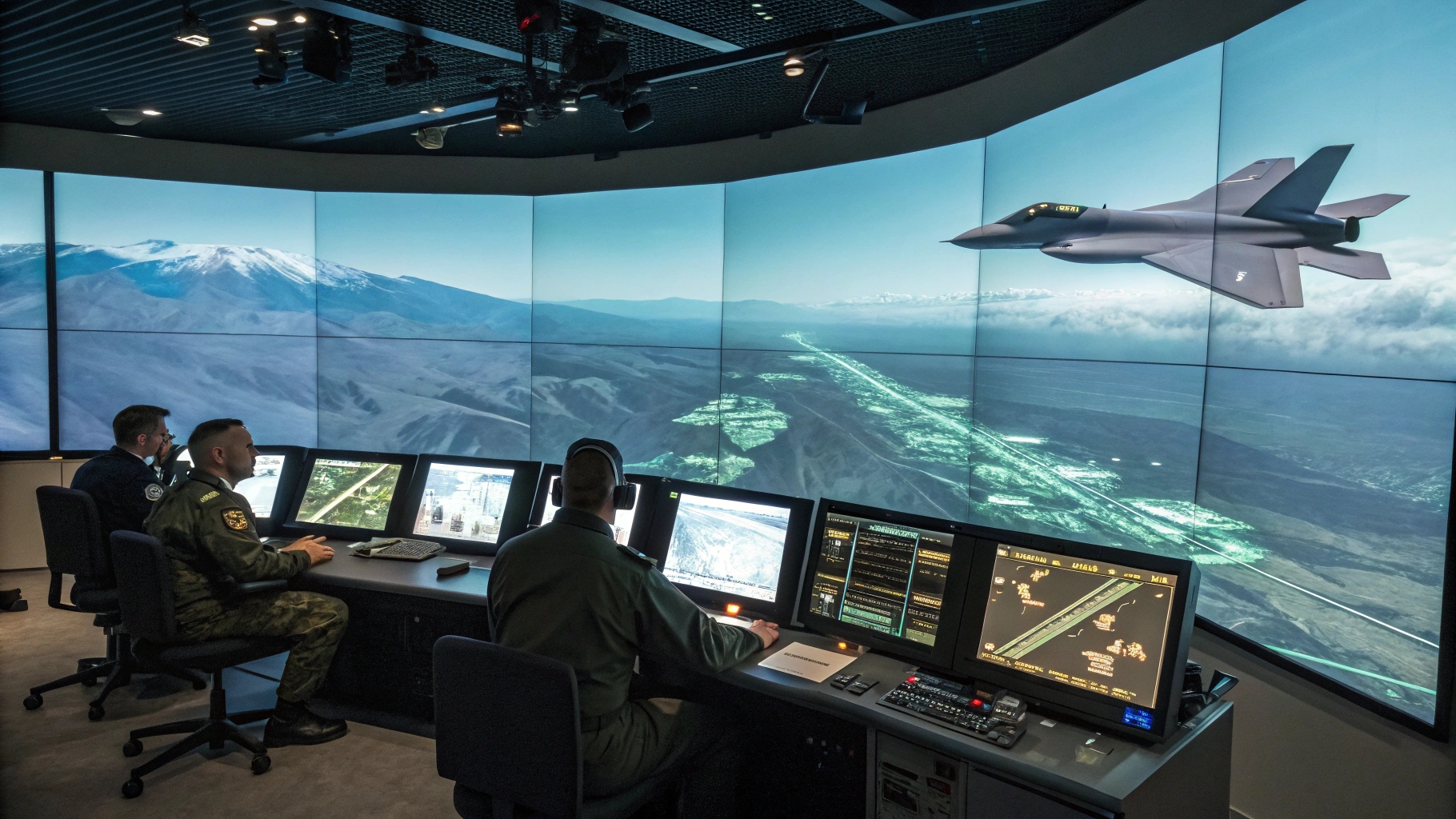
A major feature of the aircraft will be its advanced sensor fusion capability. Information from the AESA radar, Infrared Search and Track (IRST) system, and electronic warfare sensors will be merged into a single, comprehensive tactical display, providing pilots with a clearer understanding of the battlespace and improving operational efficiency.
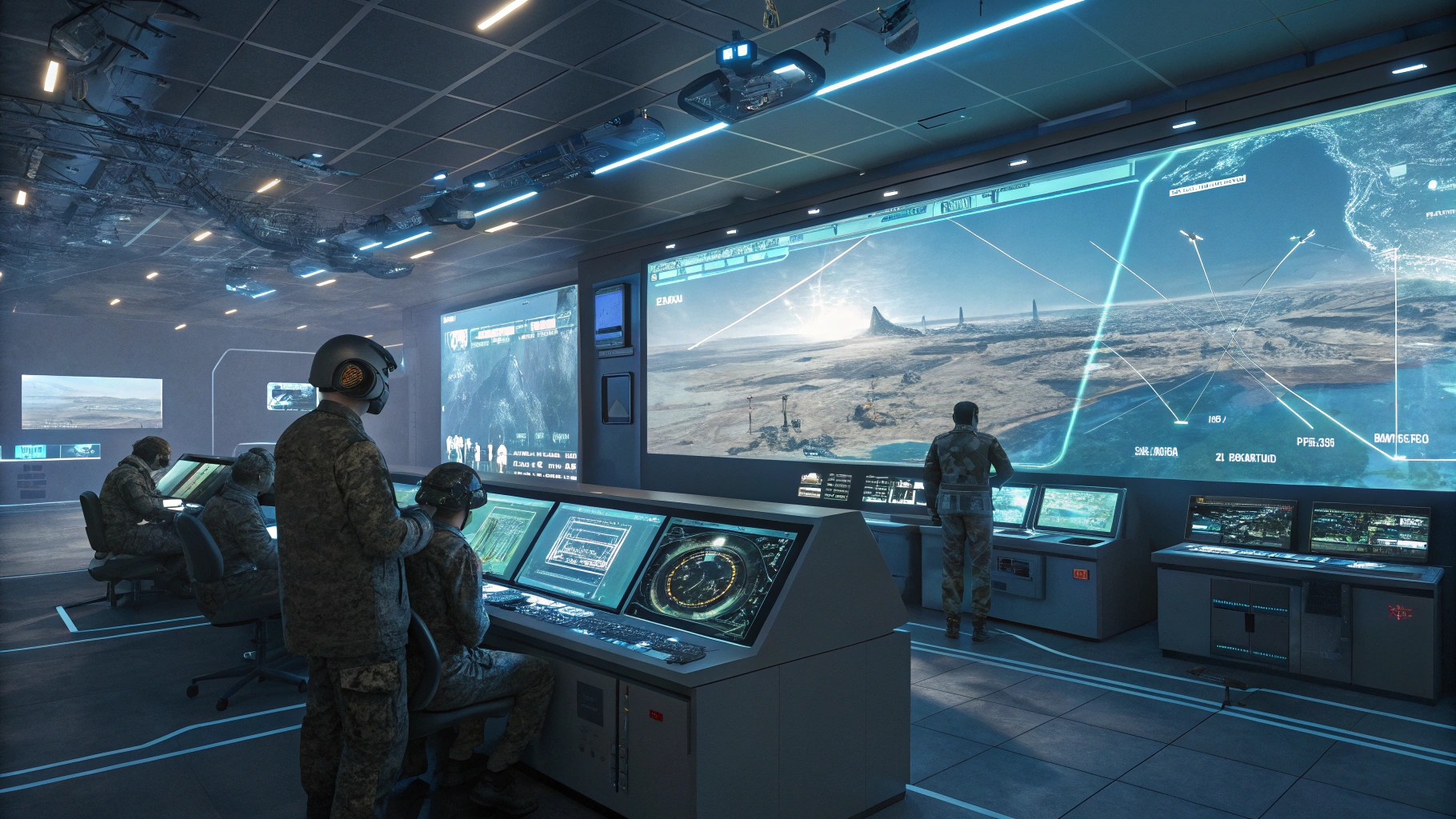
The AMCA MkII is also being developed to function within an interconnected combat network. Through secure communication links, it will be able to share real-time information with ground command centers, naval forces, airborne surveillance platforms, and other fighter aircraft, supporting a Combat Cloud-style operational framework similar to those envisioned for future sixth-generation fighter programmes.
Although the fighter is being developed domestically, India’s expanding defence relationship with France and the establishment of the India-France AI Working Group offer opportunities for collaboration in key technologies, including mission computing, artificial intelligence, integrated avionics, and advanced propulsion. France’s expertise from Rafale F4, future Rafale F5 developments, and broader future combat air programmes could strengthen India’s indigenous technological capabilities.
India and France also share a common vision of transitioning toward a System-of-Systems combat architecture, where manned aircraft, unmanned systems, sensors, and command networks operate as a unified force. This alignment could facilitate future interoperability in secure data links, AI-enabled mission management, and Loyal Wingman operations.
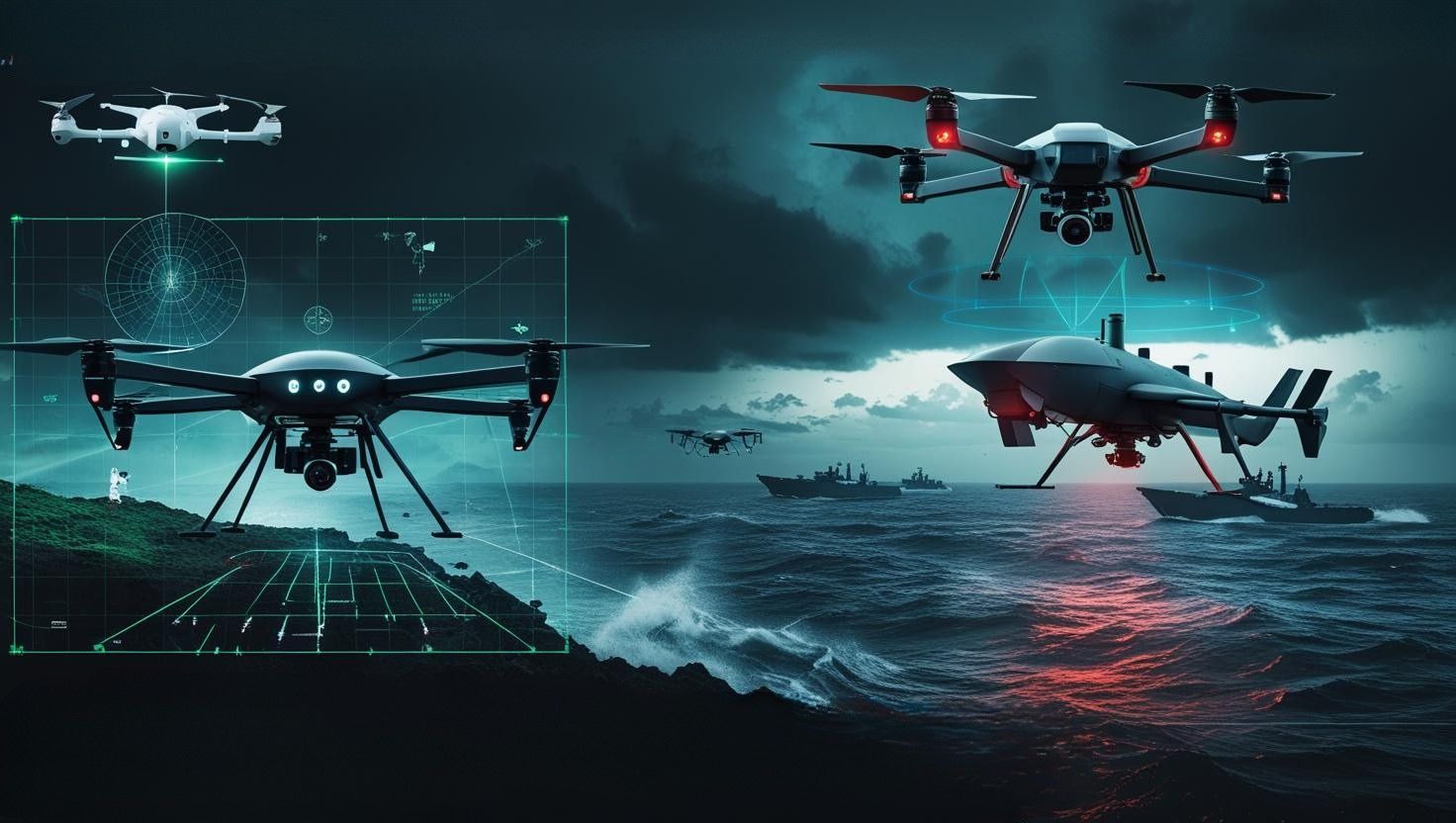
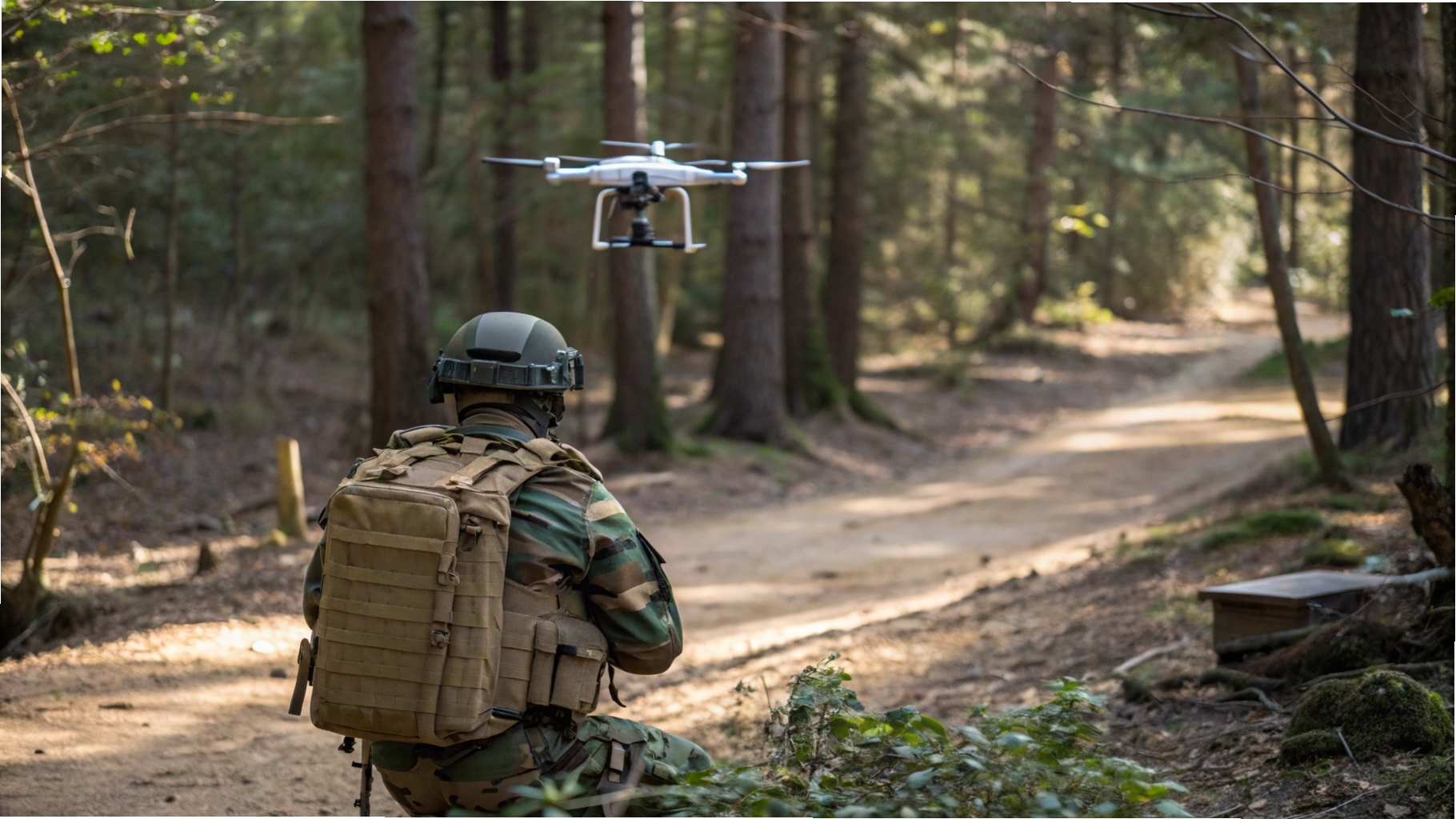
Future air combat is expected to rely increasingly on manned-unmanned teaming, enabling the AMCA MkII to command autonomous or semi-autonomous drones performing reconnaissance, electronic attack, decoy missions, and precision strike operations. The E-Pilot would coordinate these assets while assisting pilots in managing increasingly complex combat scenarios.
Although AI integration and network-centric warfare are already integral to the AMCA MkII’s design, stronger India-France defence cooperation could serve as a catalyst for faster technology maturation and the adoption of cutting-edge collaborative combat capabilities.