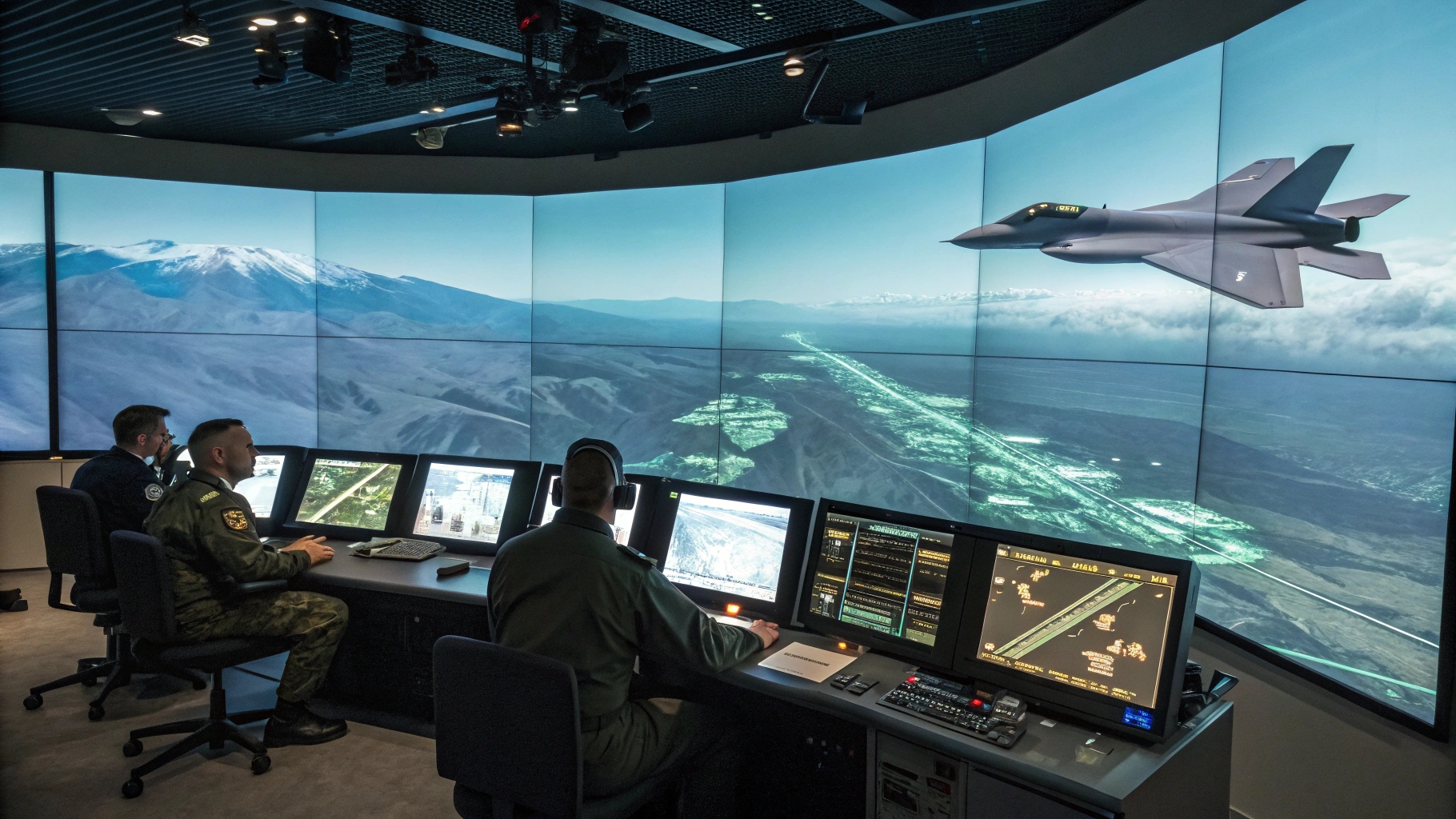
New Delhi has issued a request for information (RFI) for the acquisition of around 150 jet trainer aircraft to modernize the Indian Air Force’s pilot training pipeline.
The proposed procurement is intended to replace the aging BAE Systems Hawk Mk 132 fleet, which has served as the IAF’s advanced jet trainer since 2008. The new aircraft are expected to prepare pilots for operating current and future 4.5- and fifth-generation fighters, including the Rafale, Tejas Mk-1A, Su-30MKI, and the upcoming Advanced Medium Combat Aircraft (AMCA).
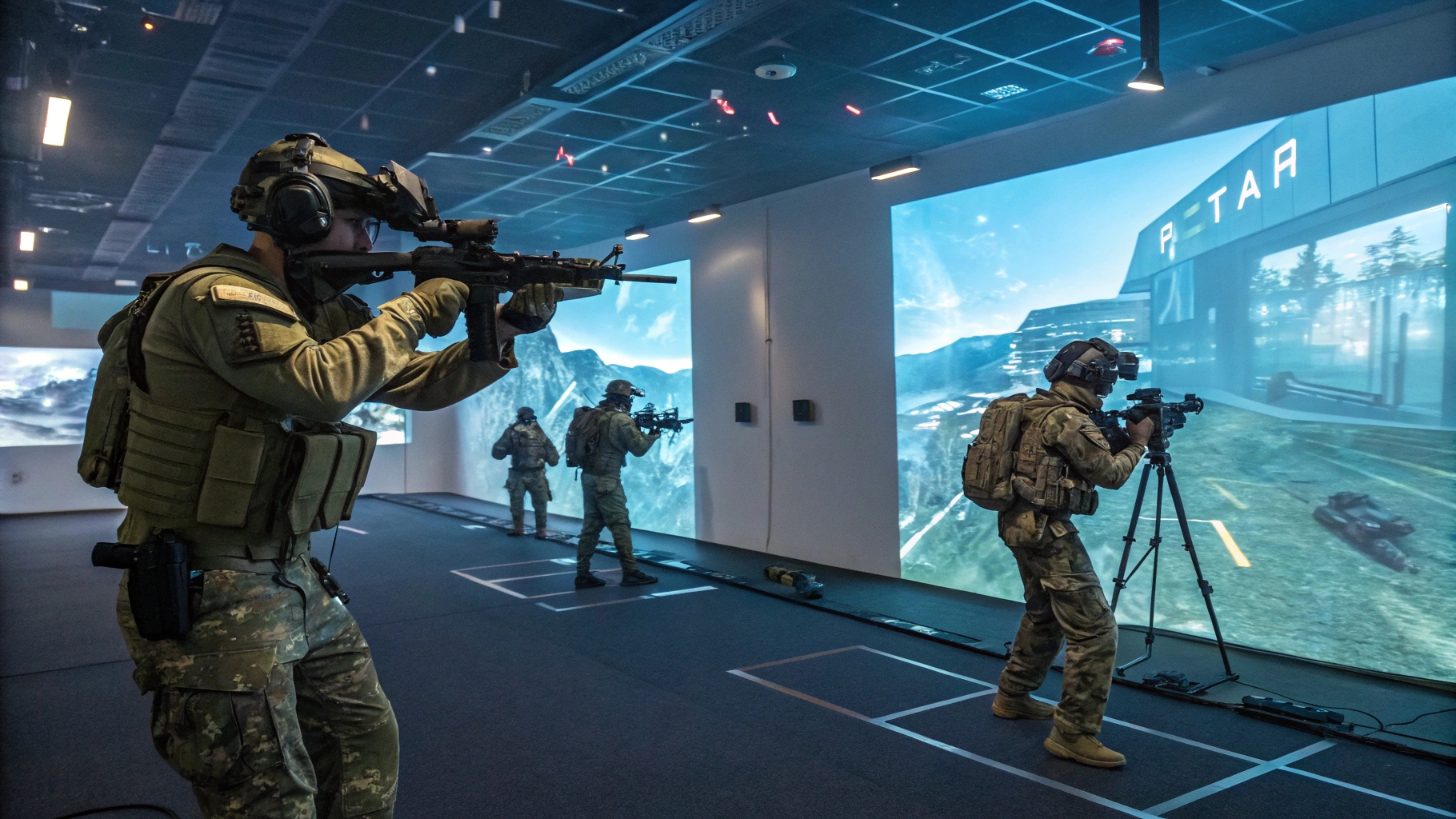
The RFI outlines several advanced capability requirements, including fly-by-wire flight controls, glass cockpits, modern ejection seats, and full-authority digital engine control systems. The aircraft must also incorporate embedded virtual avionics and electronic warfare systems, support India’s indigenous NavIC satellite navigation network, and be compatible with 360-degree dome simulators for integrated live and virtual training sessions.
Bidding and Production Timeline
Potential industry participants can submit their responses by October 2026, while a formal request for proposals is expected to be issued by December 2027. The Indian Air Force plans to receive all 150 aircraft within 60 months of the contract award.
The program is expected to emphasize indigenous manufacturing and technology transfer, in line with India’s defence procurement and self-reliance policies. Possible contenders include the indigenous HAL HLFT-42, the Boeing-Saab T-7 Red Hawk, South Korea’s KAI T-50 Golden Eagle, and Italy’s Leonardo M-346 Master.
Expanding India’s Air Power Capabilities
The trainer aircraft initiative forms part of India’s broader efforts to strengthen its combat aviation and military logistics capabilities. The country has continued to pursue several major aerospace programs, including next-generation fighter development, military transport aircraft production, and aerial refueling capabilities.
These initiatives reflect New Delhi’s focus on expanding indigenous aerospace manufacturing while modernizing the Indian Air Force for future operational requirements across advanced combat and training environments.