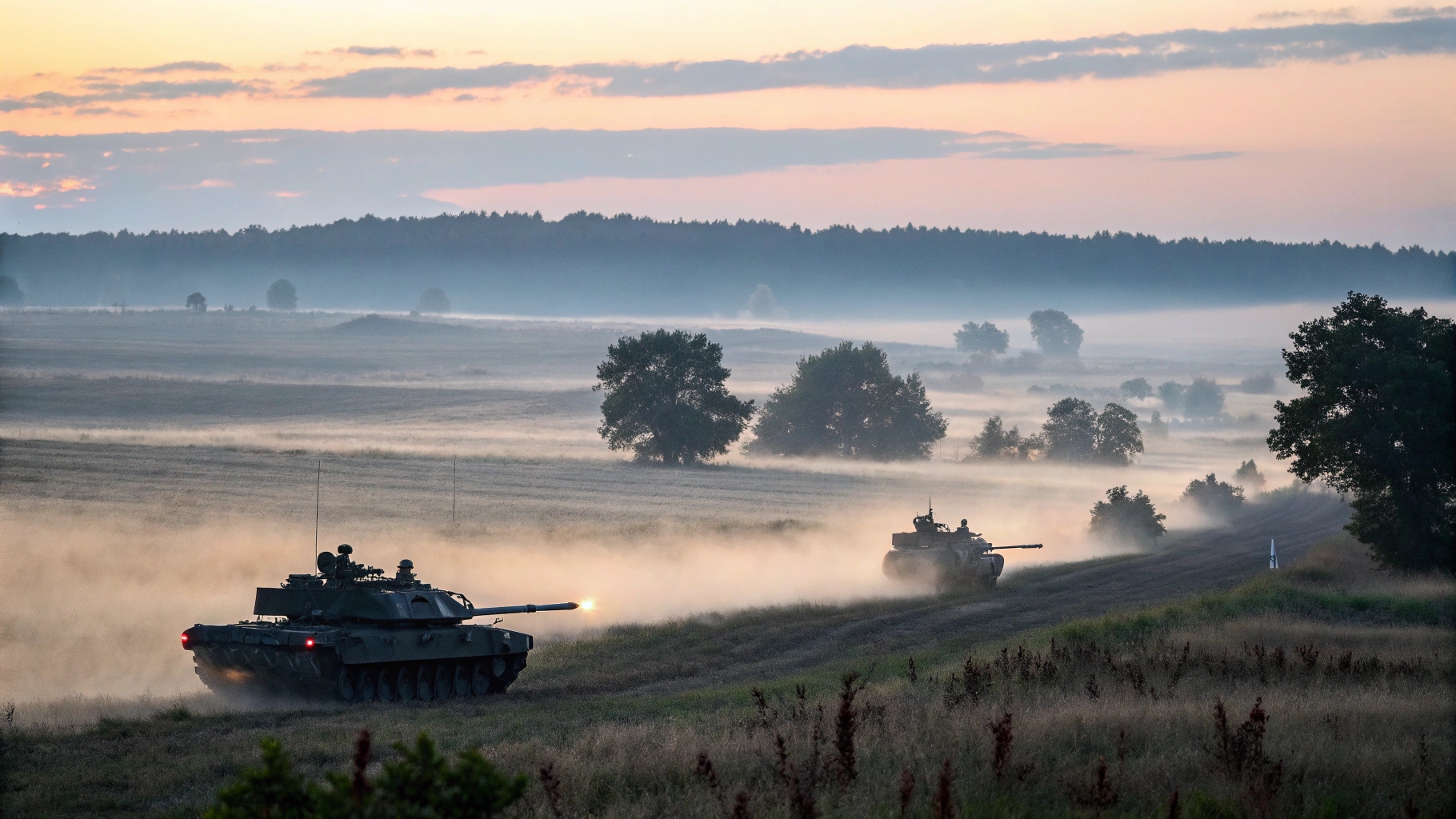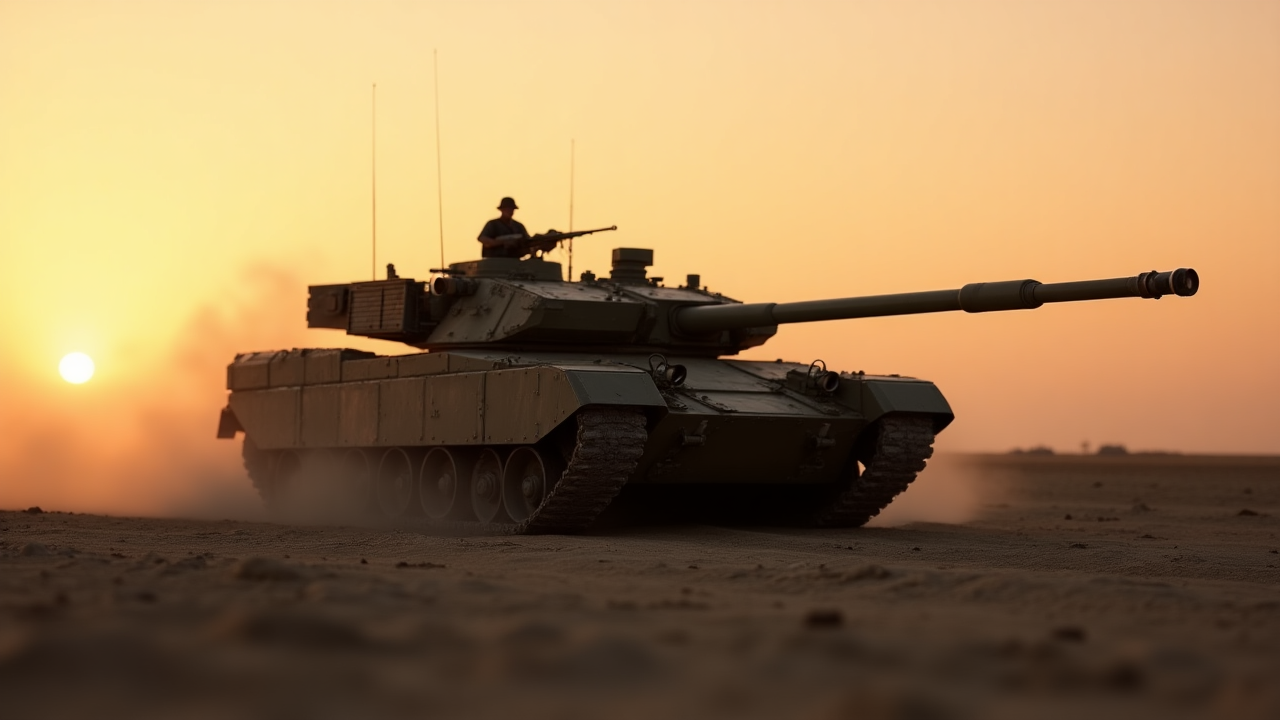
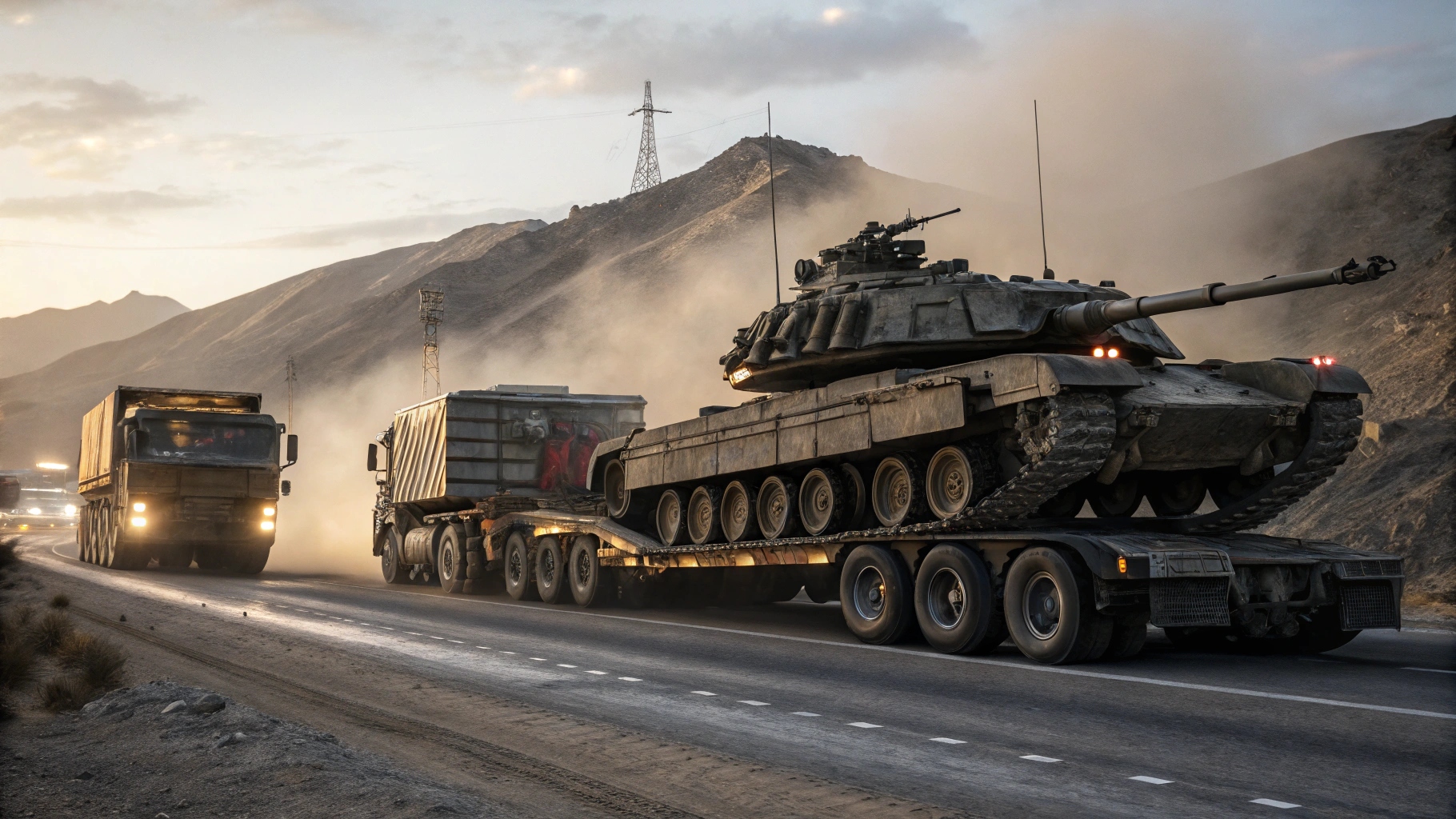
India’s long-awaited Future Infantry Combat Vehicle (FICV) programme has entered a critical stage of development, with Armoured Vehicles Nigam Limited (AVNL) intensifying industry engagement through new Expressions of Interest (EOIs) focused on blast protection technologies and broader platform development. The latest activity linked to RFP File No. 75961/GS/CD/RFP-A/FICV signals a renewed push by the Indian Army to accelerate its flagship mechanised infantry modernisation effort from the design phase toward industrial selection and prototype refinement.
The FICV programme is among the largest and most ambitious armoured vehicle initiatives undertaken by India. It is intended to replace more than 2,600 BMP-2 “Sarath” infantry combat vehicles that have served as the backbone of the Army’s mechanised formations since the late 1980s. Once fielded, the new platform is expected to significantly enhance the operational capabilities of India’s mechanised infantry for decades to come.
Current plans call for the induction of approximately 1,750 vehicles during the first phase, while total requirements are projected to exceed 2,600 units. With an estimated value ranging between ₹60,000 crore and ₹65,000 crore, the programme ranks among the country’s largest indigenous land warfare acquisitions.
The urgency of the programme has increased in response to lessons learned from recent conflicts, where infantry fighting vehicles have faced growing threats from drones, loitering munitions, precision-guided weapons, top-attack systems, and advanced anti-armour missiles. Army leadership has indicated that efforts are underway to begin induction during the 2026–27 timeframe.
Being executed under the Make-I category of India’s defence procurement framework, the project benefits from government funding covering roughly 70–80 percent of prototype development costs. This model is designed to reduce industry risk while encouraging indigenous innovation in advanced combat vehicle technologies.
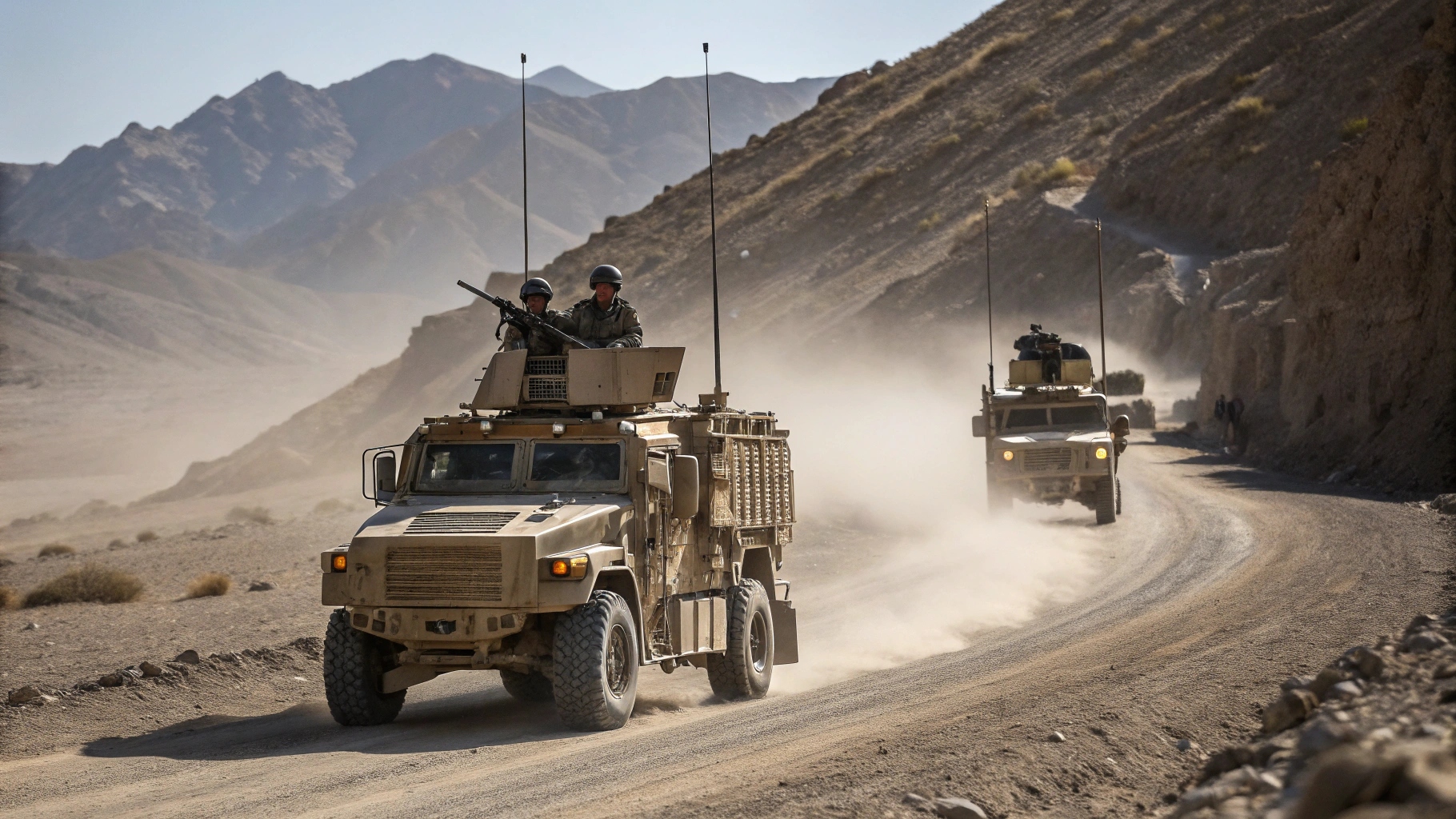
The recent focus on blast protection systems highlights the Army’s emphasis on survivability. Unlike the BMP-2, which was designed around Cold War battlefield requirements, the FICV is being developed for modern network-centric warfare environments where vehicles must withstand threats ranging from mines and improvised explosive devices to precision artillery strikes and drone attacks.
According to programme requirements, the vehicle is expected to achieve protection levels broadly equivalent to STANAG Level 4 and Level 5 standards, offering resistance against heavy machine-gun fire, artillery fragments, mine blasts, and selected anti-armour threats. The armour architecture is expected to be modular, enabling mission-specific protection configurations.
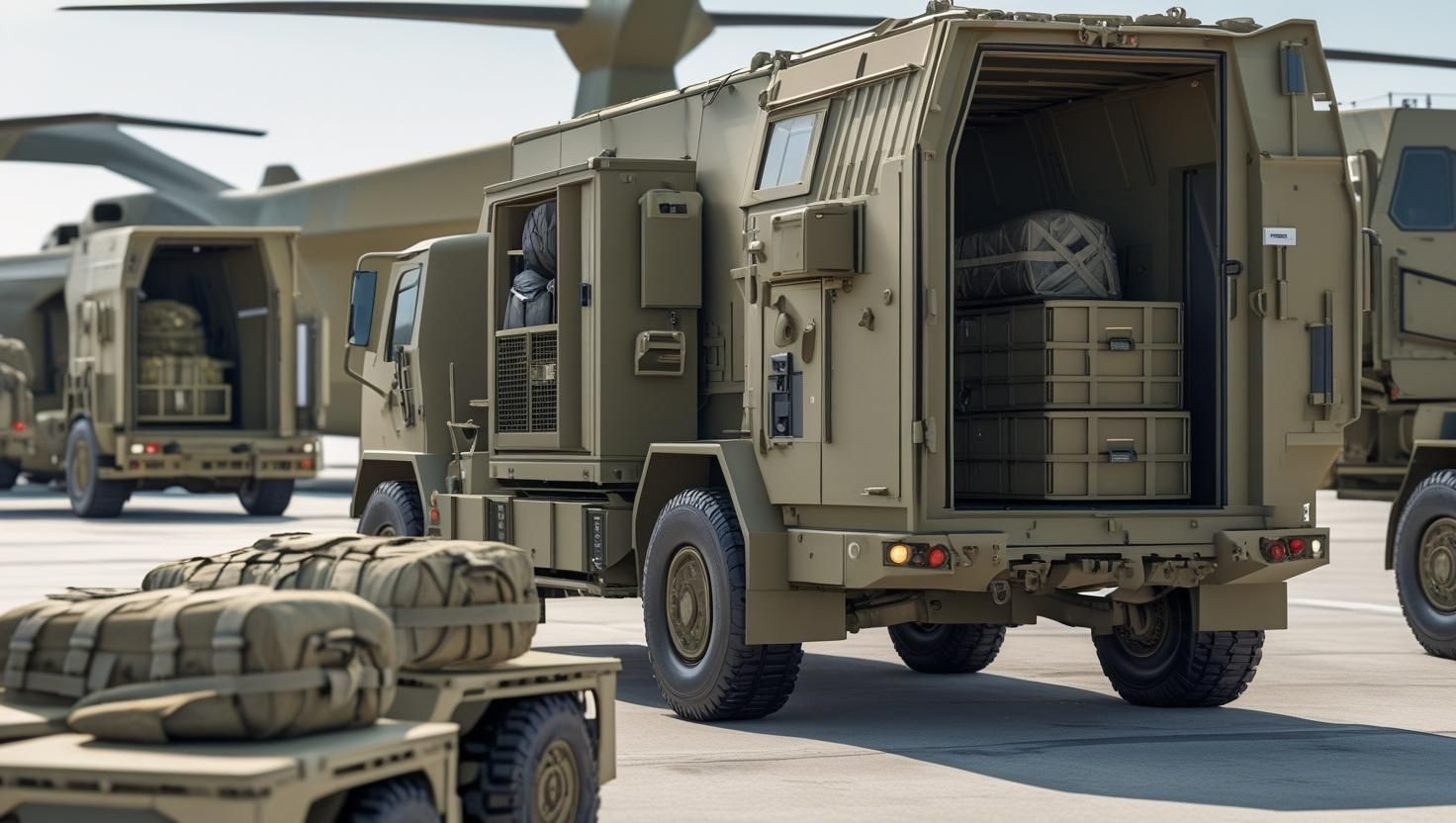
One of the programme’s key challenges is balancing protection, mobility, and deployability. The Army seeks a vehicle weighing around 20–22 tonnes while remaining transportable by strategic airlift platforms such as the C-17 Globemaster III and Il-76. Rapid deployment capability is considered essential for operations in sensitive sectors such as Eastern Ladakh and other high-altitude border regions.
The FICV must also retain amphibious capabilities, allowing it to cross rivers and water obstacles without external support. This requirement remains important for mechanised operations in riverine and canal-dominated environments.
Mobility specifications are equally demanding, with the vehicle expected to operate across terrains ranging from deserts to mountainous regions at altitudes approaching 18,000 feet. To achieve this, the Army has specified a high power-to-weight ratio supported by an engine in the 600–700 horsepower class capable of maintaining performance under extreme environmental conditions.
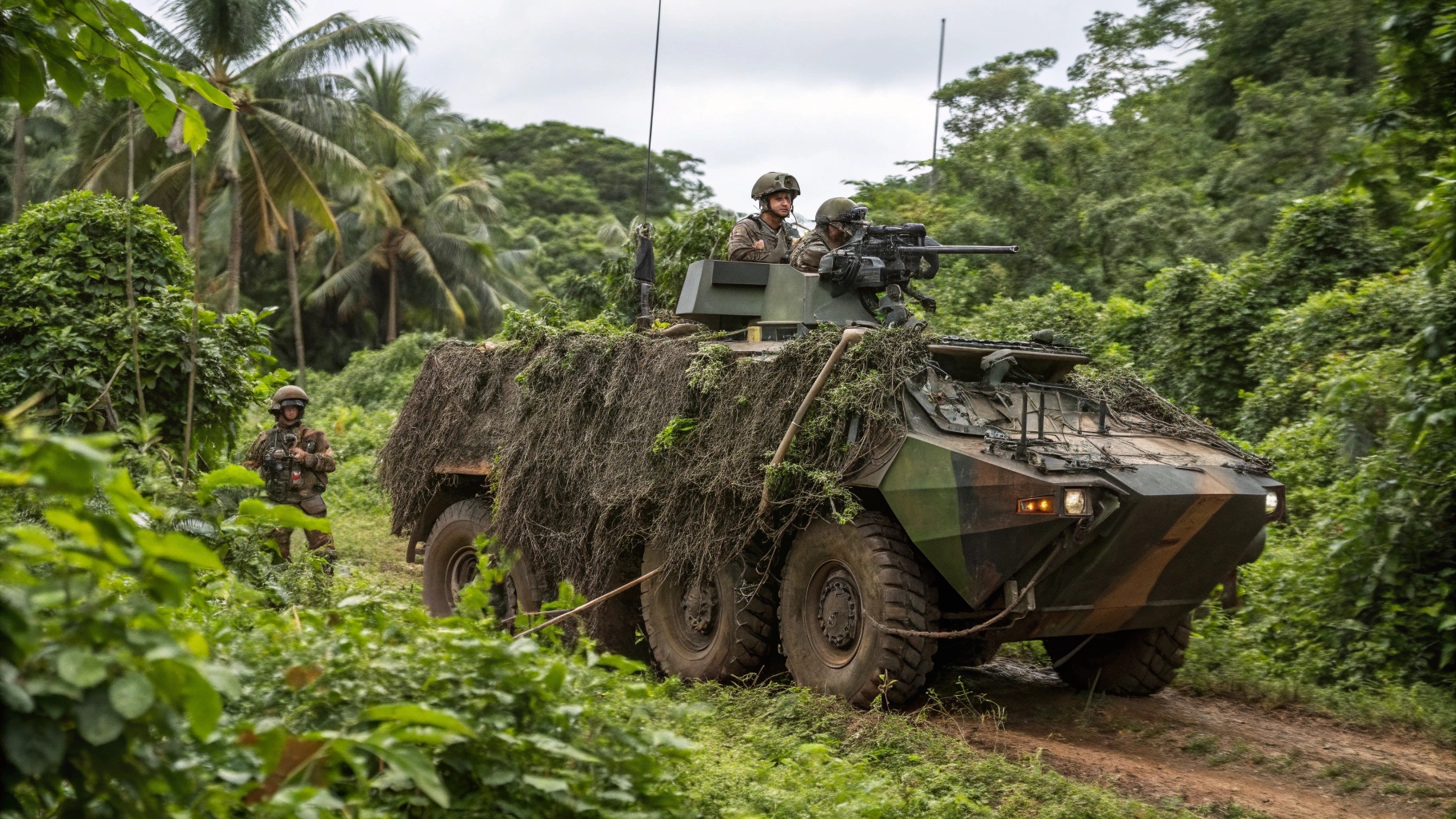
Firepower will represent a substantial improvement over the BMP-2. The baseline combat variant is expected to feature a 30mm automatic cannon, a 7.62mm coaxial machine gun, and fifth-generation anti-tank guided missiles. This combination will allow engagement of infantry, armoured vehicles, fortified positions, drones, and even main battle tanks in complex battlefield environments.
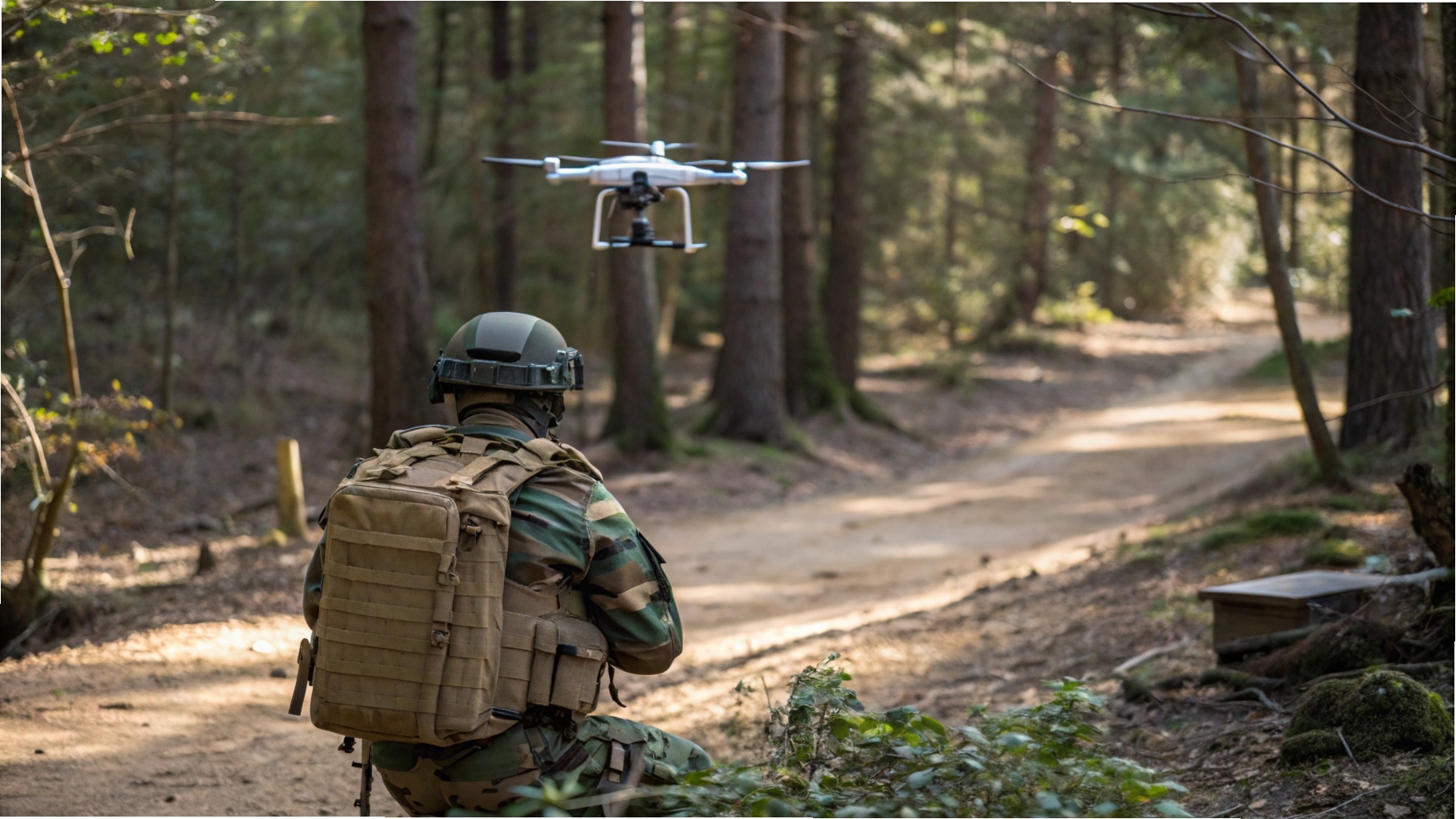
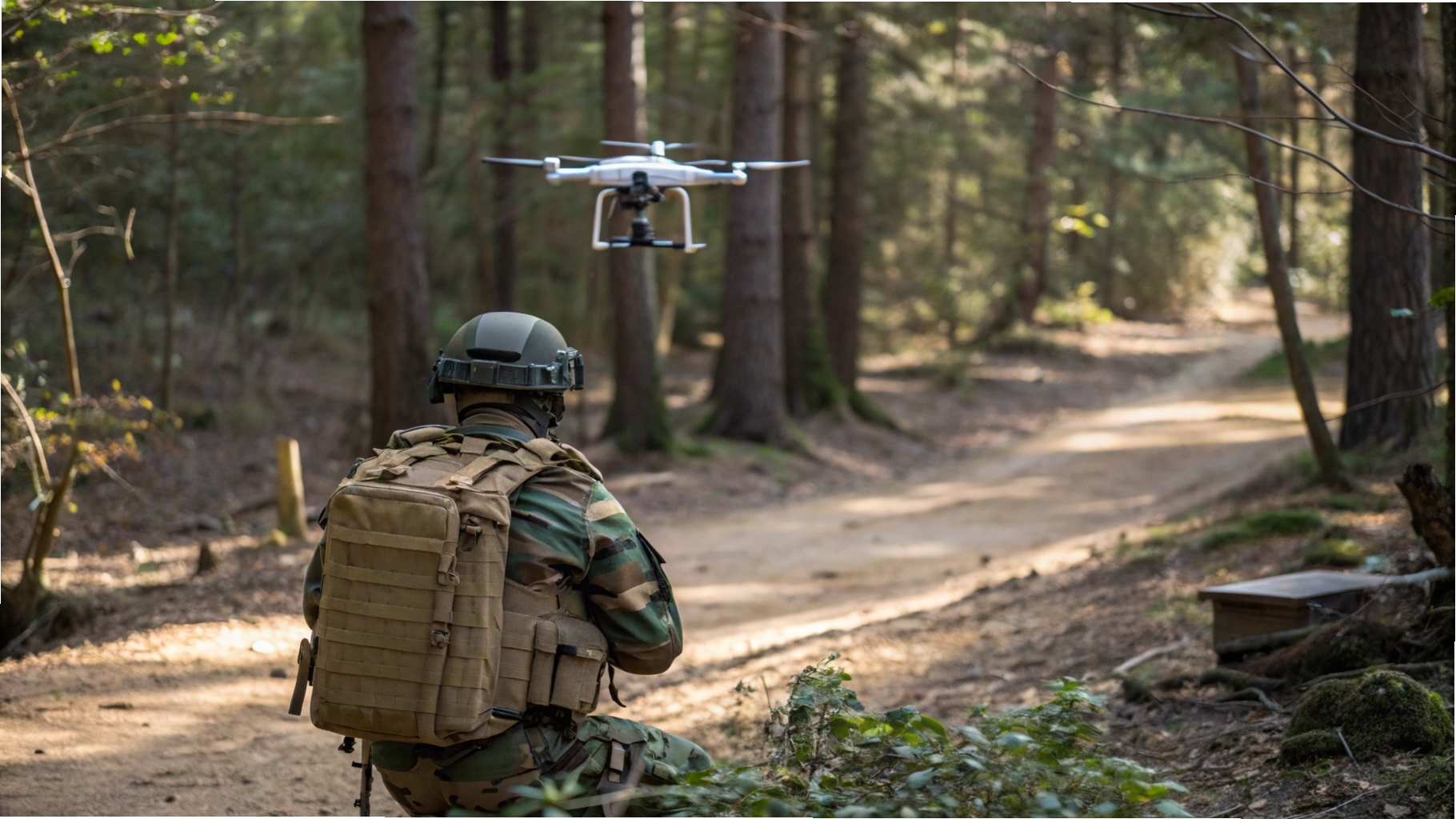
The Army is also moving toward a family-of-vehicles concept rather than relying on a single configuration. Around 55 percent of the fleet is expected to consist of standard combat variants equipped with turrets and anti-tank missiles. Another 20 percent will comprise command vehicles fitted with advanced battlefield management and C4I systems, while the remaining 25 percent will be dedicated command-and-surveillance variants equipped with long-range sensors, reconnaissance systems, and mini-UAV capabilities.
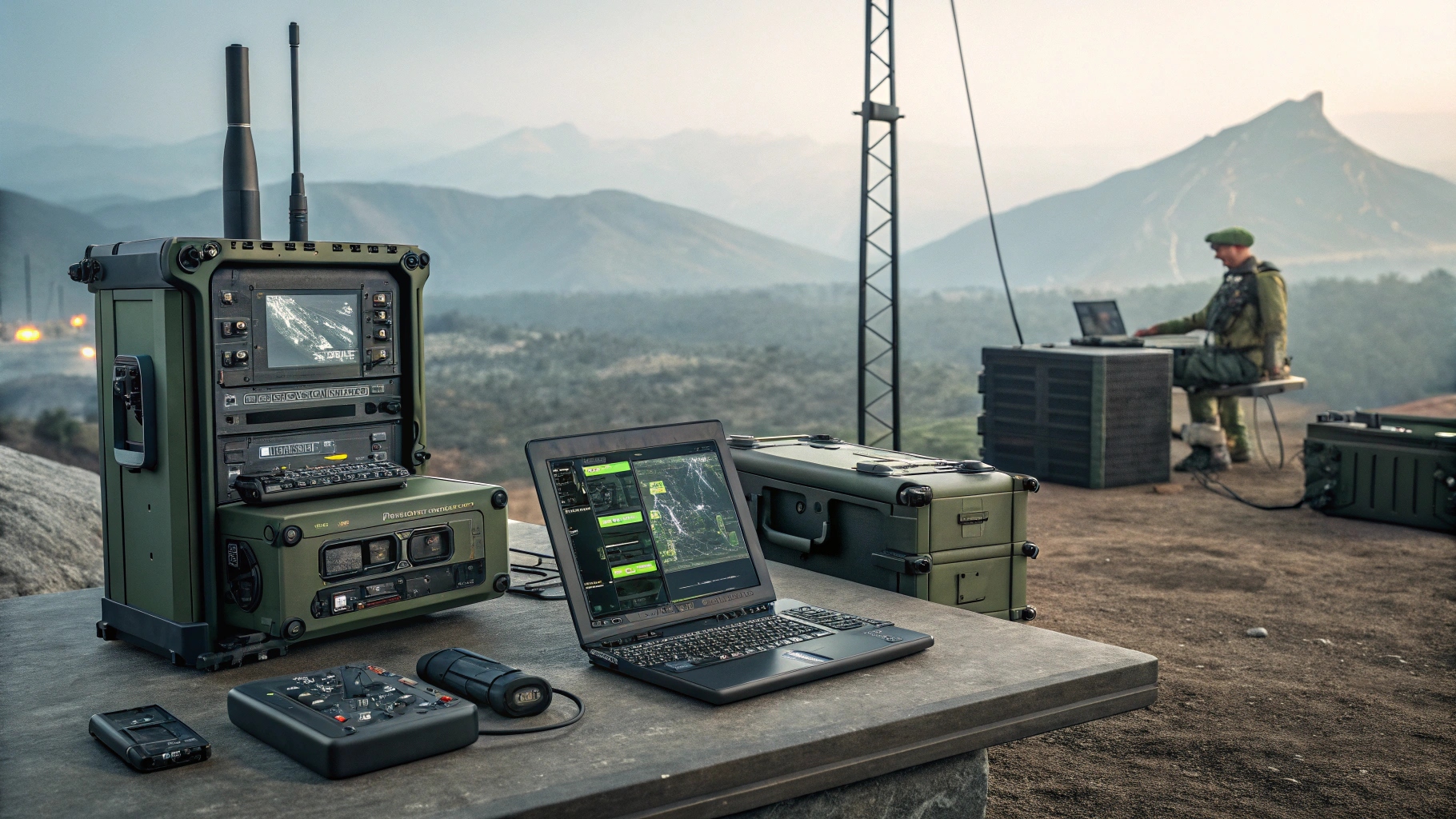
This approach reflects the Army’s broader transition toward digitally connected mechanised warfare, where infantry combat vehicles serve not only as troop carriers but also as mobile command, surveillance, and fire-support nodes. The inclusion of dedicated reconnaissance and UAV-equipped variants highlights the growing importance of real-time battlefield intelligence at the tactical level.
AVNL’s focus on survivability and blast-protection technologies also underscores India’s commitment to developing indigenous armour solutions. Efforts are increasingly focused on building domestic expertise in advanced armour steels, ceramic protection systems, blast-resistant vehicle structures, and energy-absorbing designs to reduce reliance on imported technologies.