
The Aeronautical Development Establishment (ADE), one of the Defence Research and Development Organisation’s (DRDO) premier aerospace laboratories, has initiated a series of infrastructure upgrades to strengthen India’s indigenous aircraft and unmanned aerial vehicle (UAV) development capabilities. The latest initiatives focus on modernising advanced manufacturing assets and enhancing sophisticated simulation facilities used to validate flight-control systems before aircraft proceed to developmental flight testing.
The upgrades are part of ADE’s broader effort to support a new generation of military aviation programmes, including autonomous UAVs, advanced unmanned combat systems and the Advanced Medium Combat Aircraft (AMCA). These programmes depend heavily on precision manufacturing, advanced materials and rigorous ground-based validation.
A key area of investment is the modernisation of Tooling, Assembly and Machining Systems (TAMS), which form a critical part of ADE’s prototype manufacturing infrastructure. These facilities produce precision components for experimental aircraft, unmanned aerial systems, flight-control hardware and advanced aerodynamic structures.
The TAMS modernisation programme includes retrofitting existing multi-axis Computer Numerical Control (CNC) machines with enhanced machining capabilities. The upgraded systems will allow engineers to manufacture increasingly complex aerospace components with tighter dimensional tolerances, an essential requirement for modern combat aircraft and low-observable structures.
Alongside machining improvements, ADE is strengthening its high-precision metrology and inspection infrastructure. Modern aerospace manufacturing requires extremely high levels of dimensional accuracy, particularly for composite airframe components, flight-control actuators and radar-signature-sensitive structures. Advanced metrology systems will enable engineers to inspect and verify components with greater precision before they are cleared for assembly or testing.
The infrastructure programme also includes enhanced calibration equipment capable of supporting machining operations involving aerospace-grade titanium alloys and advanced composite materials. These materials are increasingly used in military aircraft because of their high strength-to-weight ratios, corrosion resistance and potential to reduce radar signatures.
The upgraded manufacturing infrastructure is expected to improve ADE’s ability to rapidly produce prototype hardware for developmental programmes while maintaining the stringent quality standards required for aerospace applications.
In parallel, ADE is strengthening its Flight Control System (FCS) Integration Complex in Bengaluru, one of India’s advanced facilities for testing fly-by-wire control systems and autonomous flight technologies.
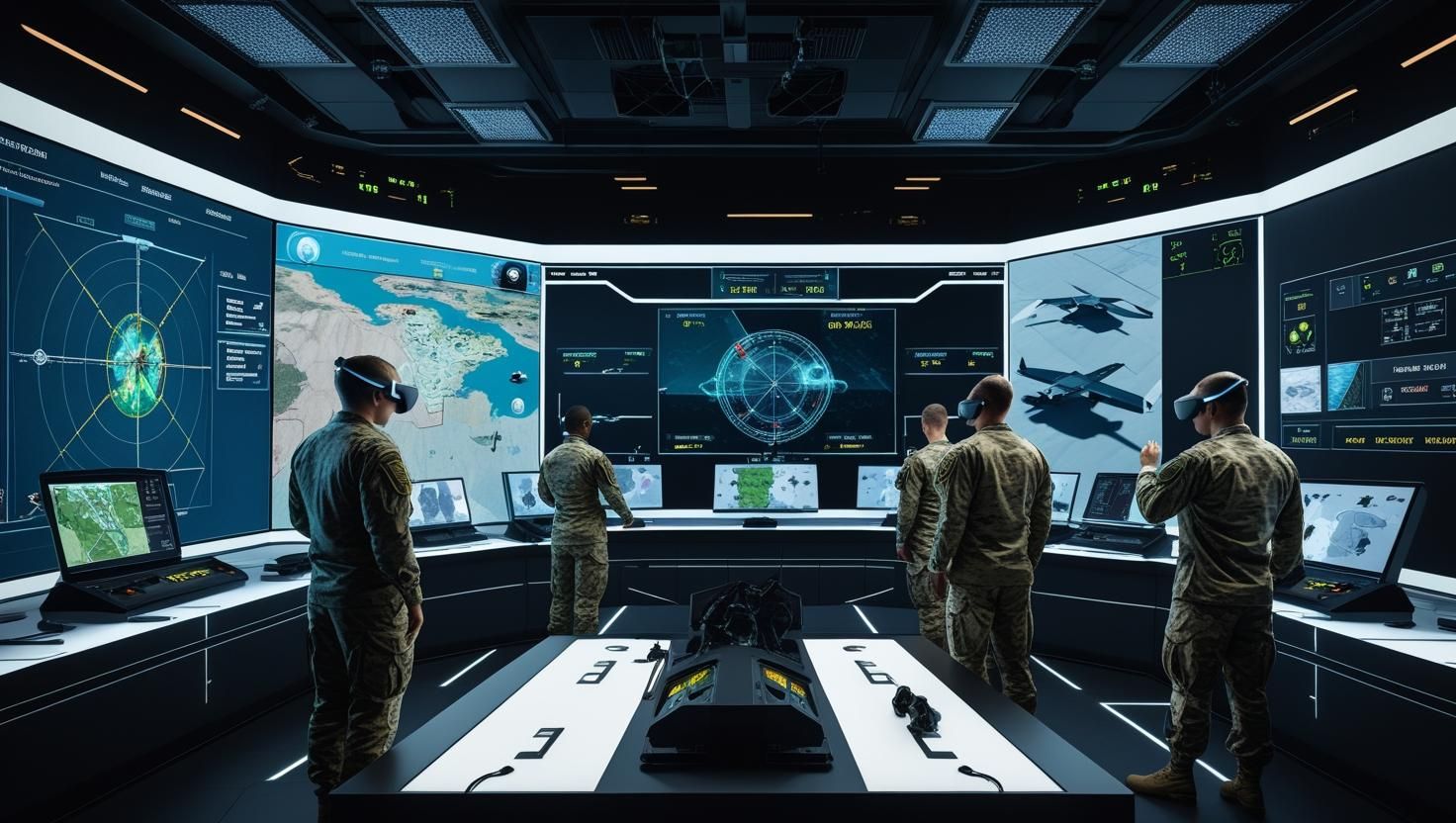
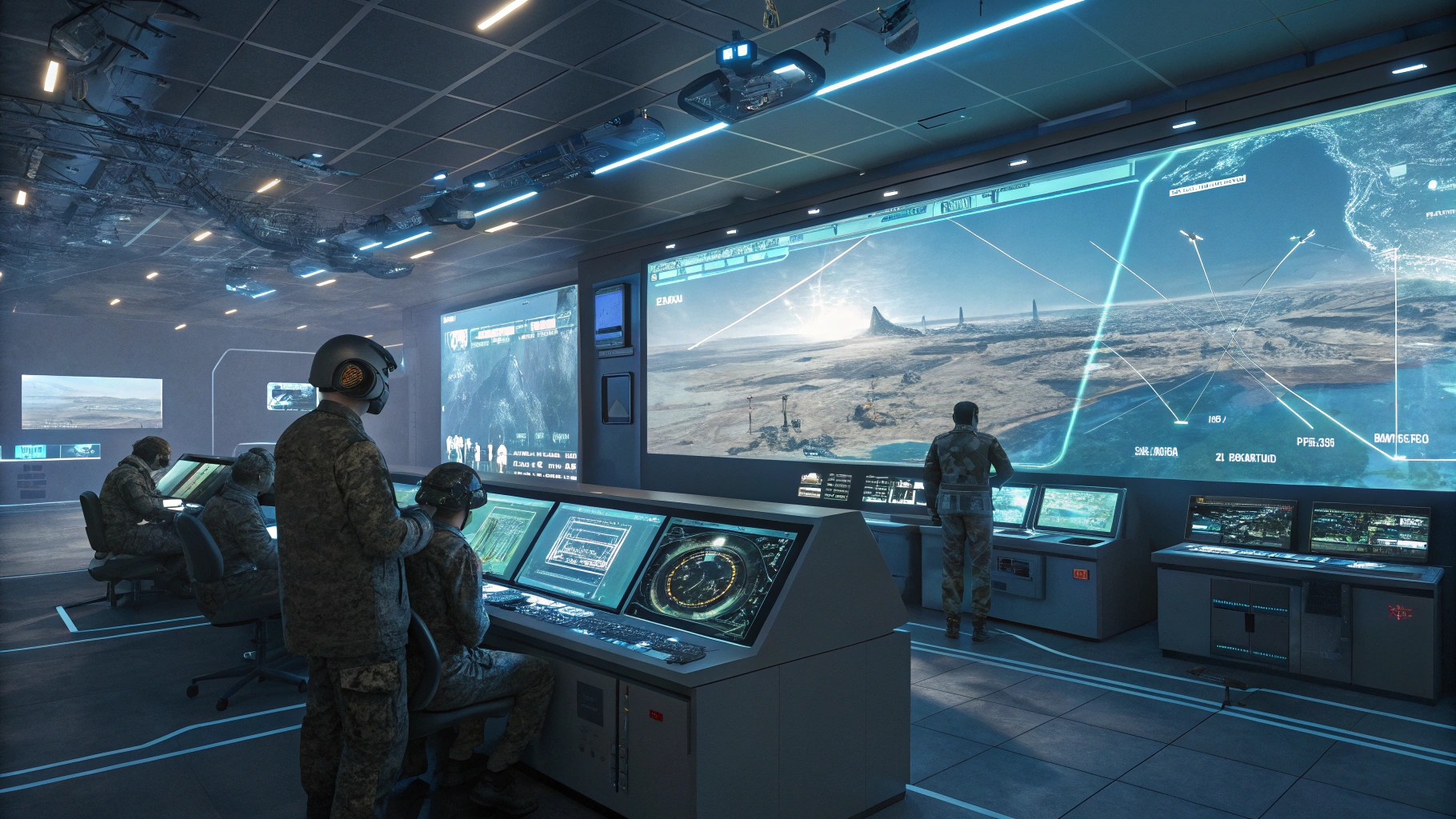
The seven-storey facility houses sophisticated simulation laboratories where engineers validate flight-control software before it is integrated into actual aircraft. Instead of relying exclusively on computer-based models, the complex recreates complete aircraft control systems by connecting real hardware with advanced simulation environments.
The latest infrastructure support initiatives are designed to maintain uninterrupted operation of specialised testing facilities, including Hardware-in-the-Loop (HIL) simulation laboratories and Iron Bird test rigs.
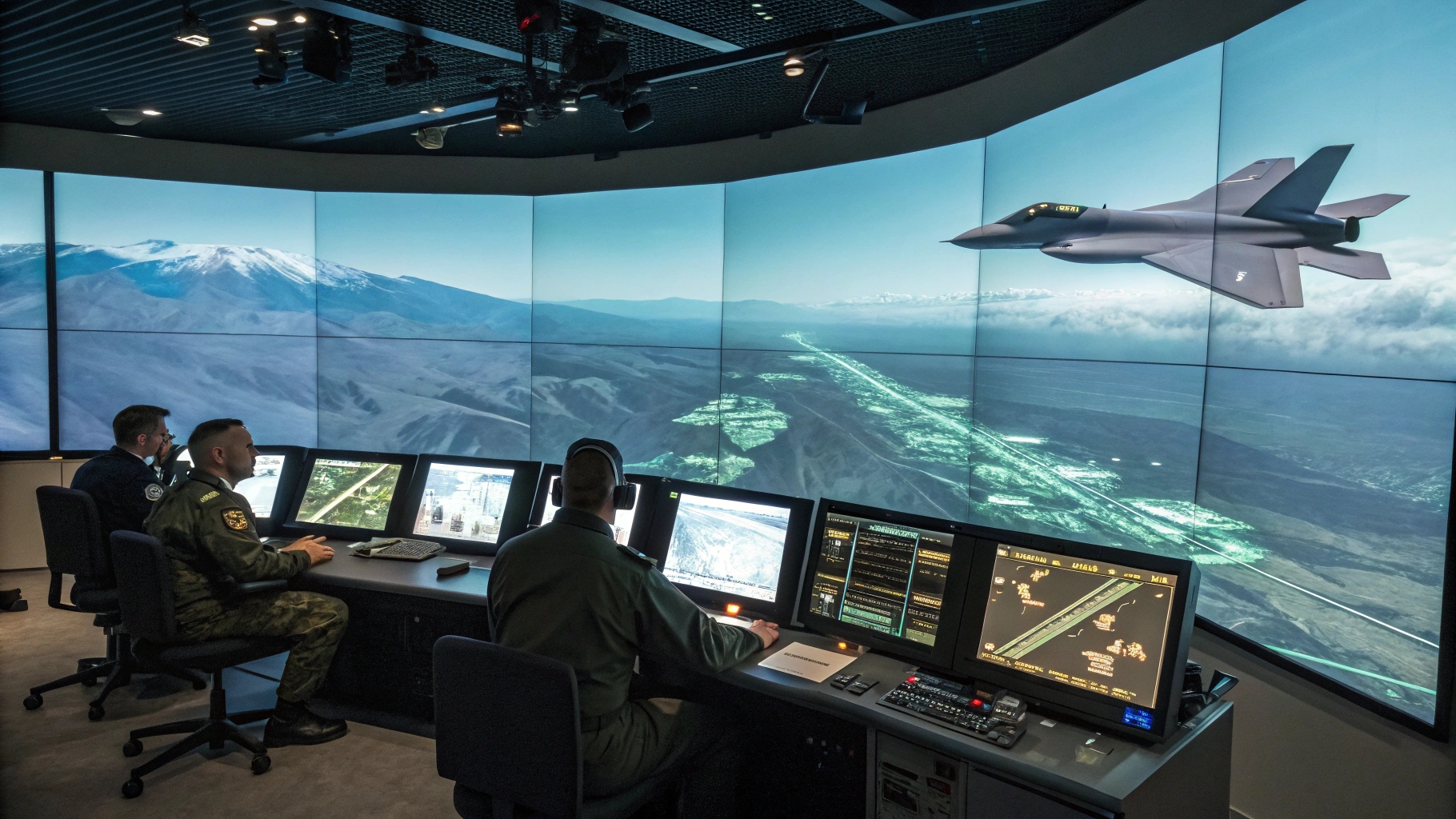
HIL testing enables engineers to connect actual flight-control computers, sensors, actuators and avionics with simulated aircraft models. This allows system behaviour to be evaluated under realistic flight conditions without putting an aircraft at risk. The approach helps identify software and hardware problems at an early stage, reducing technical risks before developmental flight trials.
Iron Bird test rigs provide another critical ground-testing capability by recreating an aircraft’s complete flight-control architecture. These systems integrate hydraulic actuators, electronic flight-control computers and mechanical control surfaces, allowing engineers to assess interactions between major subsystems before they are installed on prototype aircraft.
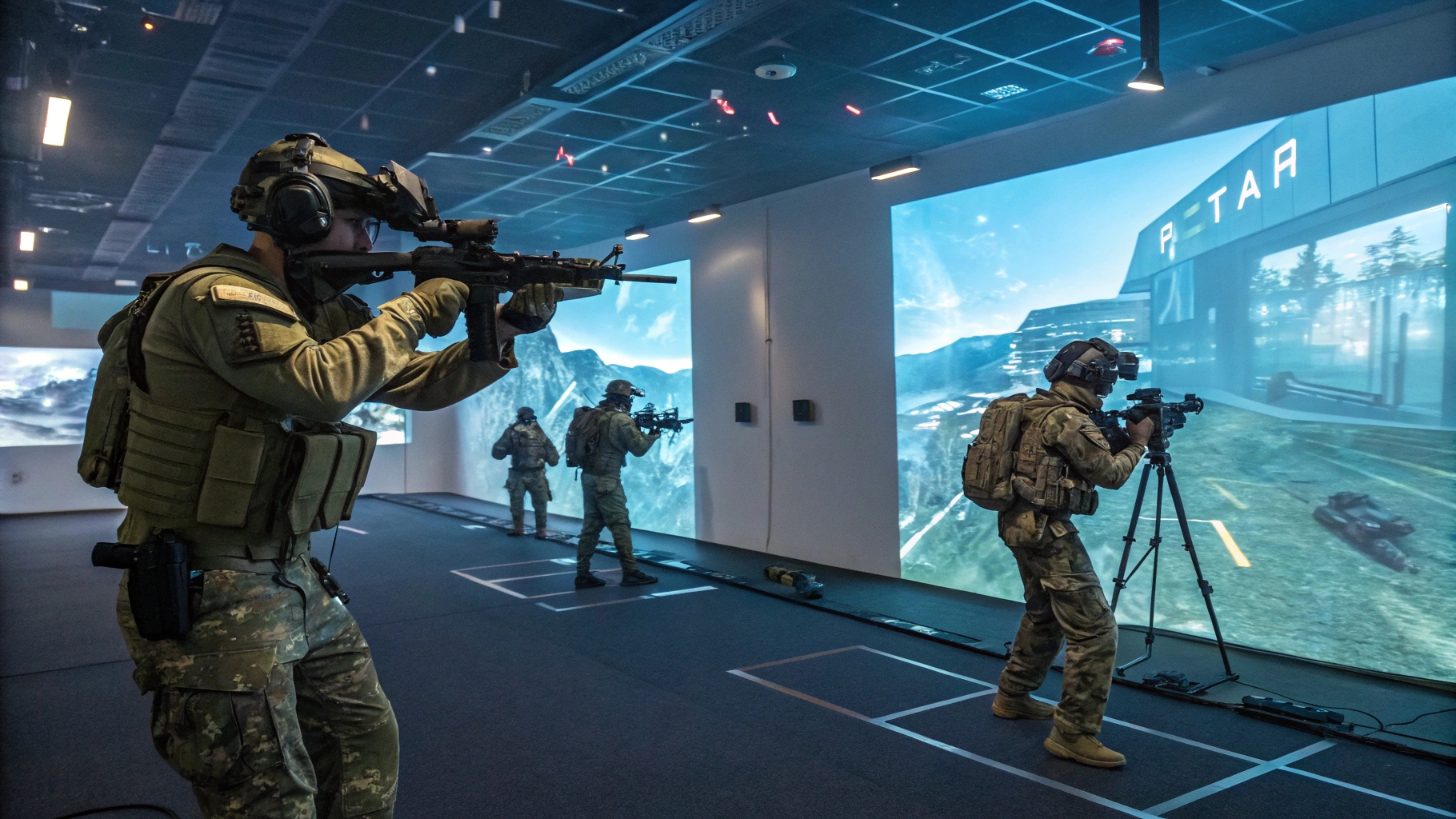
The upgraded facilities also support pilot-in-the-loop simulators, enabling test pilots to assess aircraft handling qualities and flight-control laws within realistic cockpit environments. Engineers can analyse pilot inputs, evaluate aircraft responses and refine control software before actual flight testing begins.
These simulation capabilities are particularly important for validating Control Laws (CLAW), the sophisticated software algorithms that govern the behaviour of fly-by-wire aircraft. Advanced combat aircraft such as the AMCA will rely heavily on digital flight-control systems to maintain stability, execute manoeuvres and optimise handling characteristics across different flight conditions.
By extensively validating control laws through HIL simulations and Iron Bird testing, ADE can ensure that flight-critical software performs safely and predictably during normal operations and emergency scenarios before prototype aircraft take to the skies.
The latest infrastructure upgrades demonstrate that ADE’s role extends beyond aircraft design and development. Advanced aerospace programmes require an equally sophisticated ecosystem encompassing precision manufacturing, advanced inspection technologies and comprehensive ground-test infrastructure.
Modernising these capabilities will strengthen India’s ability to rapidly prototype, validate and certify future military aircraft and autonomous systems while reducing development risks and improving the efficiency of indigenous aerospace programmes.