
India’s MiG-29UPG fleet is undergoing a comprehensive modernization effort designed to ensure the aircraft remains a viable frontline asset well into the next decade. As the Indian Air Force prepares for the eventual transition to the Tejas Mk2, it is simultaneously pursuing upgrades that improve combat capability while reducing long-term dependence on foreign suppliers.
One of the most significant developments is the accelerated push toward indigenous maintenance and spare-part support. Recent procurement initiatives launched by the IAF are focused on sourcing critical MiG-29UPG components through domestic industry rather than relying exclusively on Russian supply chains. These efforts involve Indian aerospace companies, MSMEs, and emerging MRO facilities, helping establish a more resilient support ecosystem for the fleet.
The localization program extends to high-use consumables, structural hardware, support equipment, and key replaceable components. By developing domestic production and repair capabilities, the IAF hopes to safeguard fleet readiness against external disruptions while lowering lifecycle sustainment risks.
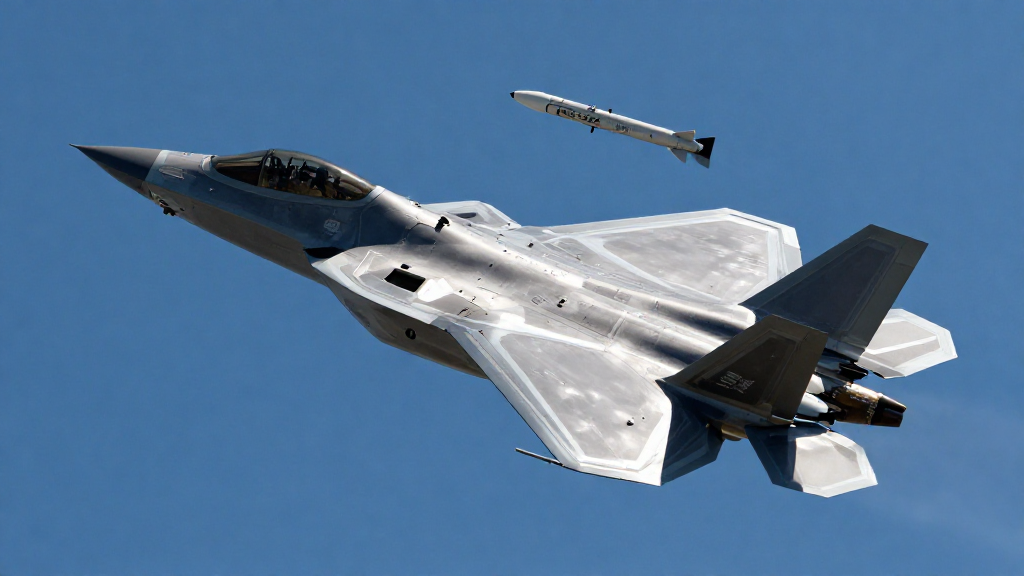
Combat modernization is being driven primarily by the introduction of the ASRAAM missile. The new weapon significantly enhances the MiG-29UPG’s ability to engage modern aerial threats, including drones, loitering munitions, and highly maneuverable aircraft. Equipped with an advanced imaging infrared seeker and capable of engaging targets at extended ranges, ASRAAM provides a substantial improvement over the older R-73 missile.
The aircraft may also see future upgrades in its radar and mission systems. Concerns over long-term supportability of the Russian-origin Zhuk-ME radar have prompted discussions around indigenous AESA radar alternatives. Solutions being explored by Indian industry and DRDO could provide improved performance while reducing reliance on foreign hardware and software architectures.
Such upgrades would also facilitate integration of indigenous air-to-air weapons such as the Astra Mk1 and Astra Mk2. Establishing a locally controlled radar and fire-control environment would allow the MiG-29UPG to operate with Indian-developed missile systems without depending on foreign source-code access or external integration support.
As the IAF manages the transition toward next-generation indigenous fighters, the MiG-29UPG remains an important component of its combat inventory. Through targeted upgrades, domestic sustainment initiatives, and indigenous weapons integration, the fleet is being transformed into a capable interim platform that can continue contributing to India’s air defense and multirole operations until the arrival of the Tejas Mk2 era.