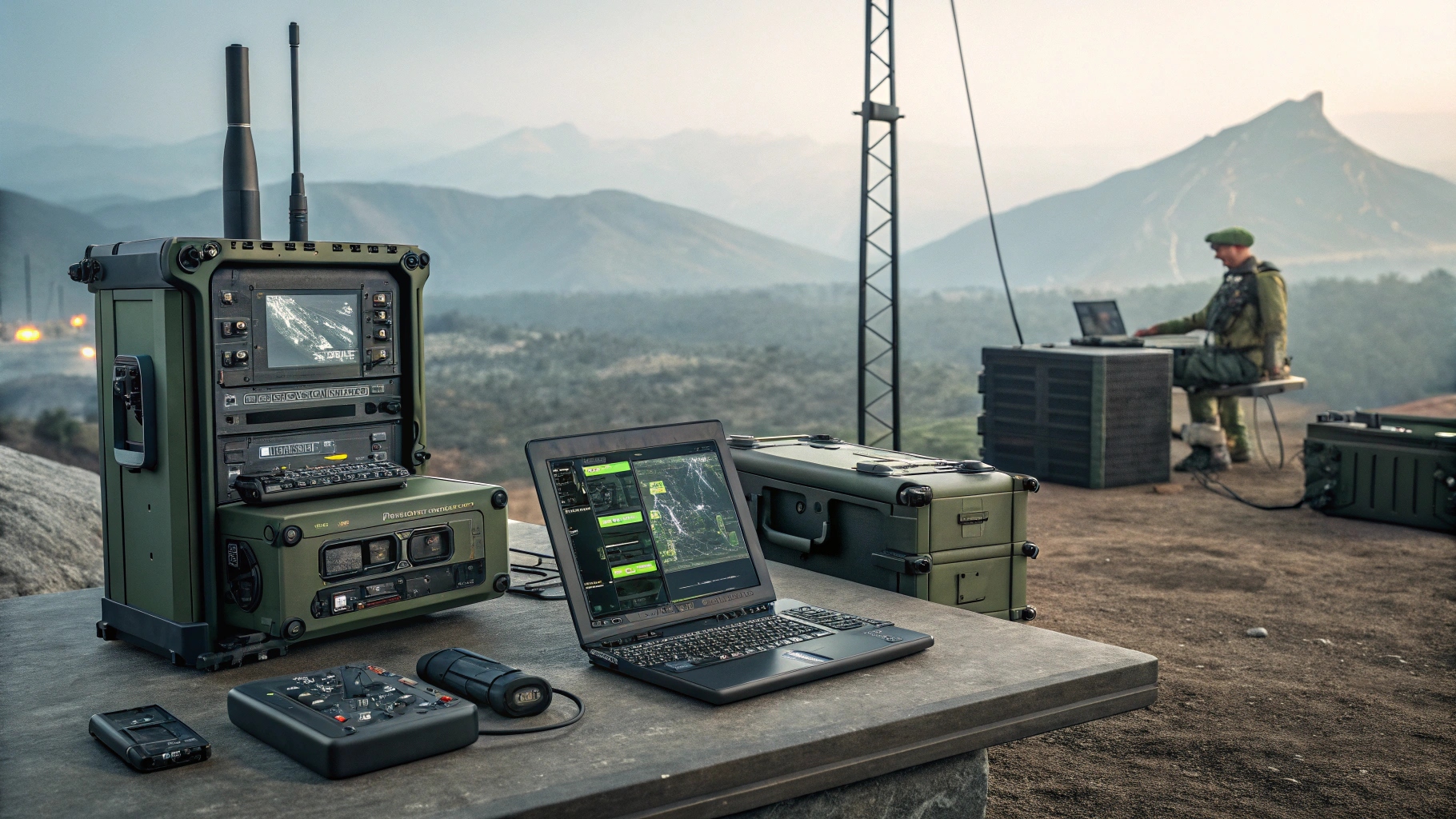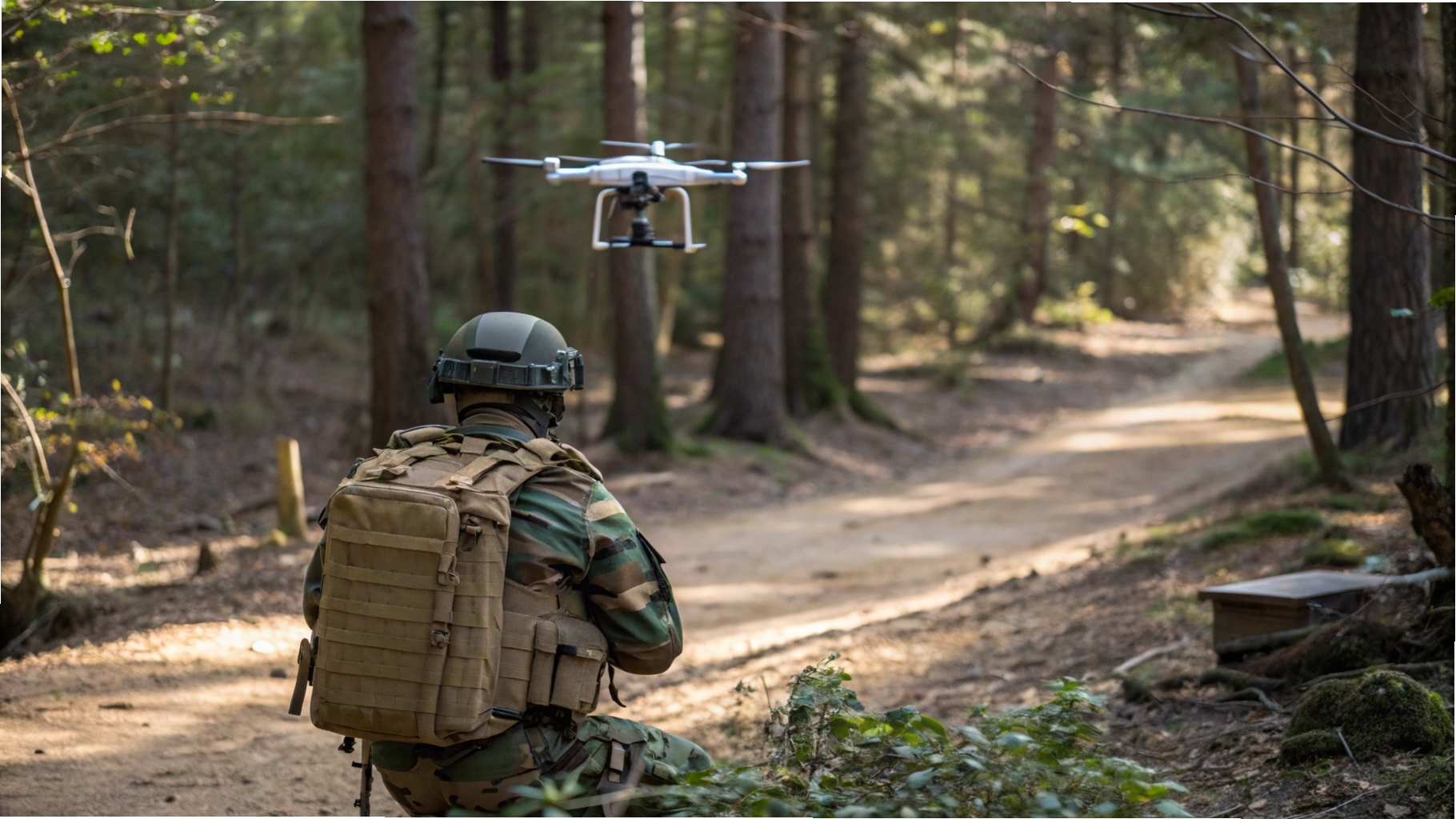

India’s critical infrastructure is facing a growing need for protection against unauthorised and hostile drone activity. Indian counter-drone company Indrajaal has introduced Indrajaal Infra, a system designed to safeguard sensitive facilities, including nuclear power plants, ports, oil installations, and electricity grids.
According to the company, Indrajaal Infra can detect approaching drones from a distance of up to 8 km. It can track and identify targets at ranges of up to 3 km, while its stated neutralisation range extends to 2 km.
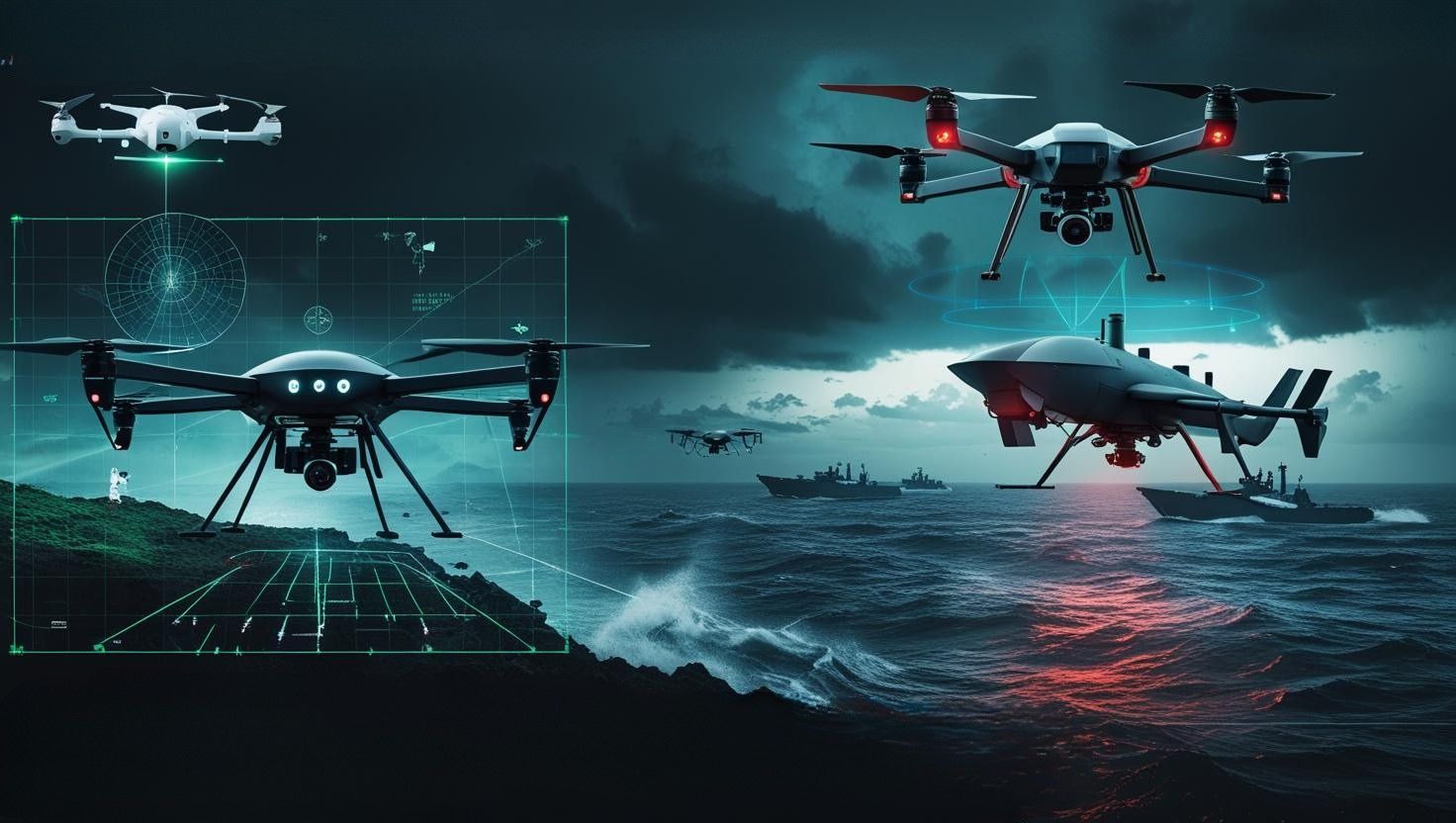
The system uses a layered counter-drone approach that is intended to give security personnel additional time to evaluate and respond to potential threats before they reach a protected facility. RF jamming disrupts the communication link between a drone and its operator, while GNSS spoofing can interfere with the drone’s navigation if it continues operating.
Depending on the drone’s design and configuration, these countermeasures may cause it to return to its launch point, crash, or deviate from its intended flight path. Indrajaal claims that its Infra system can achieve a 95% mitigation rate against different types of drones, including commercial platforms, FPV drones, DIY systems, and swarm formations.
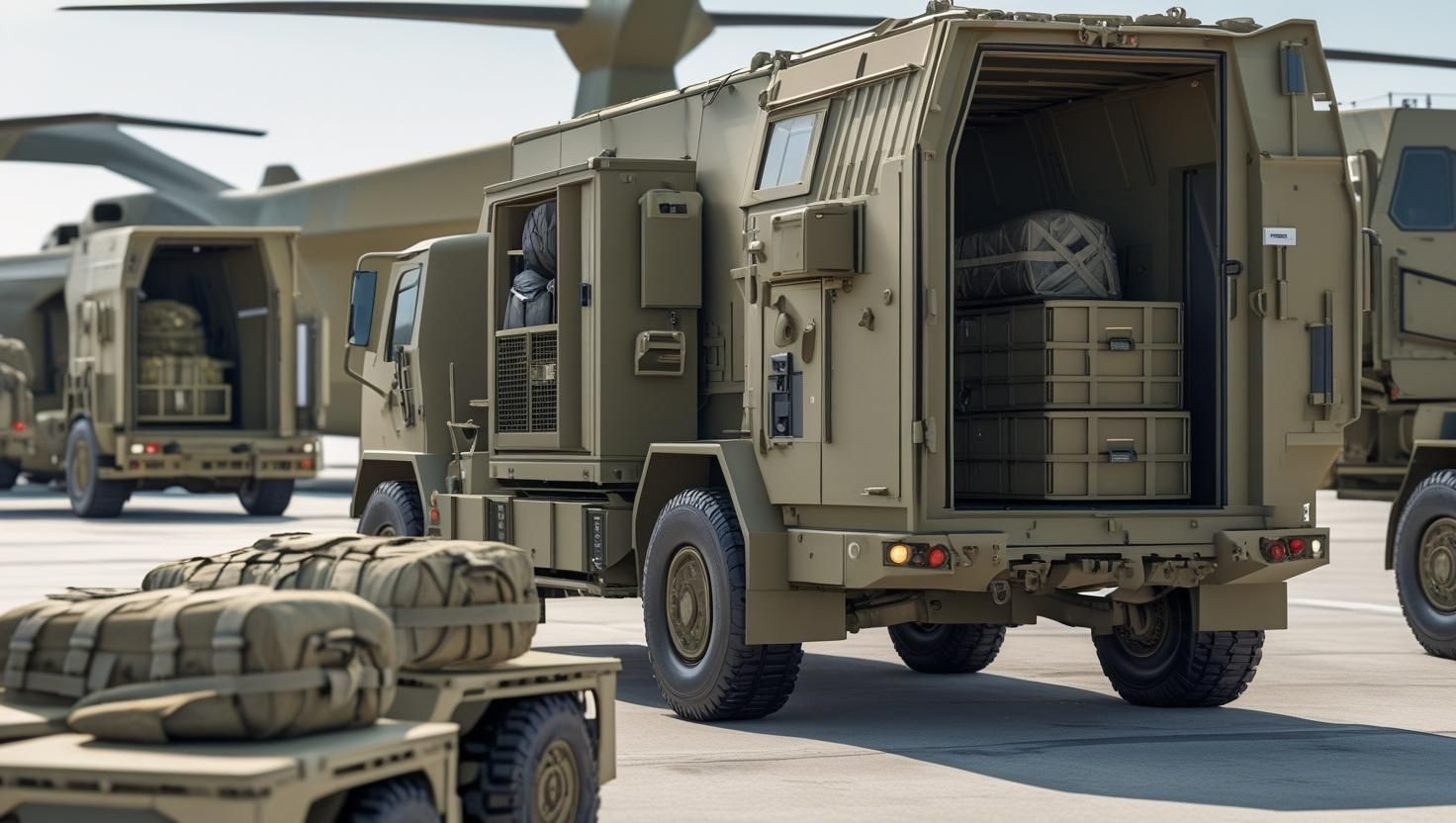
The company is also positioning Indrajaal Infra as an autonomous solution capable of operating during both day and night, as well as in various weather conditions. Its vehicle-deployable configuration allows the system to be transported and repositioned according to operational requirements.
Indrajaal further claims that the system can be installed and made operational within 48 hours of reaching a site. It is also designed to comply with civilian airspace regulations from the beginning of deployment.
The growing availability of low-cost drones has made counter-unmanned aircraft systems increasingly important for protecting both strategic and civilian infrastructure. Small drones can be used for surveillance, smuggling, or hostile attacks, making early detection, accurate tracking, and rapid threat mitigation essential for facility security.