
Talks between India and Dassault Aviation for the acquisition of 114 Rafale fighters are reaching a pivotal phase, with New Delhi prioritizing long-term control over upgrades and weapons integration. At the core of these discussions is the Interface Control Document (ICD), a critical framework that will determine the extent of India’s autonomy in integrating indigenous systems onto the platform.
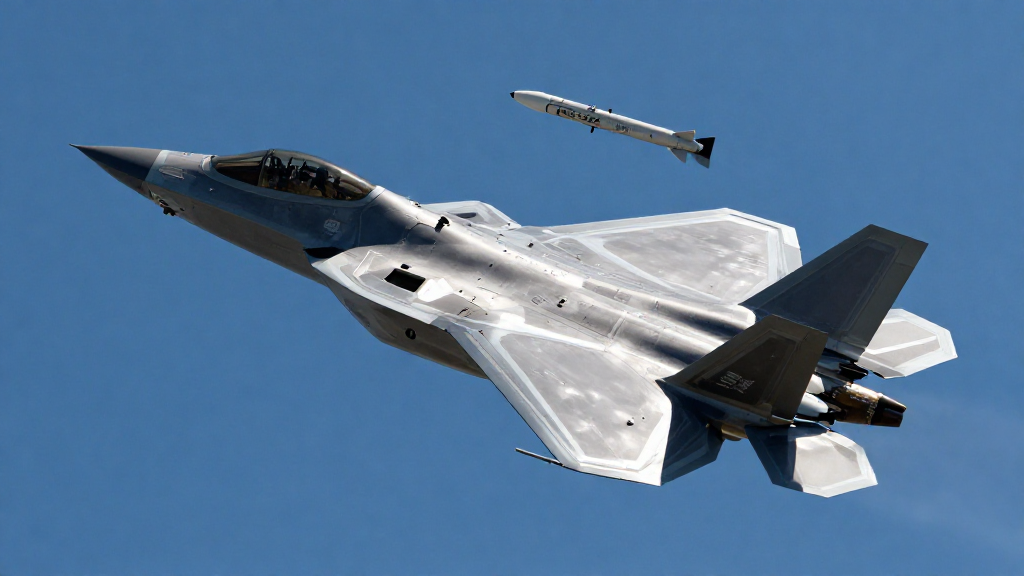
The Indian Air Force is pushing for the inclusion of several advanced indigenous weapons in the deal. Among them is the Astra Mk2 BVR missile, offering an estimated range of 220 km and significantly enhancing air combat capability. The integration of the BrahMos-NG cruise missile—expected to exceed 300 km in range—would further expand Rafale’s stand-off strike potential against high-value targets across land and sea domains.
Also part of the integration plan is the Rudram anti-radiation missile family, including Rudram-1, Rudram-2, and Rudram-3, which are essential for SEAD/DEAD missions in modern warfare. In addition, India is seeking compatibility with two indigenous subsonic cruise missiles under development, reflecting a strategic shift toward building a fully domestic weapons ecosystem around frontline fighters.
Parallel to the new procurement, the IAF intends to upgrade its current fleet of 36 Rafales from the F3R standard to the F4+ configuration, bringing improvements in avionics, sensor fusion, electronic warfare, and network-centric operations. Furthermore, a segment of the new fleet—estimated at 24 to 30 aircraft—is expected to feature the advanced F5 standard, incorporating next-generation technologies such as enhanced stealth, AI-driven decision-making, and seamless integration with unmanned platforms.
By securing ICD access, India aims to overcome limitations experienced in earlier programs, where foreign control restricted upgrades, ensuring that the Rafale fleet can evolve independently in line with future operational needs.