
Modern radar technology has undergone a dramatic transformation with the introduction of Active Electronically Scanned Array (AESA) systems. Earlier mechanically scanned radars relied on rotating antennas that required time to complete each sweep, limiting their ability to track rapidly evolving threats. AESA radars replaced mechanical movement with electronic beam steering, allowing radar beams to shift almost instantaneously. The result is faster target detection, simultaneous multi-target tracking, enhanced resistance to jamming, and significantly greater operational flexibility.
Understanding AESA Radar
An AESA radar consists of hundreds or thousands of miniature transmit/receive modules (TRMs), each independently generating and receiving radio-frequency signals. Rather than moving the antenna physically, the radar electronically controls these modules to steer the beam in virtually any direction within microseconds.
This design enables continuous surveillance, simultaneous engagement of multiple targets, and rapid switching between missions such as air defense, ground mapping, missile guidance, and electronic warfare.
Development History
The concept originated from Passive Electronically Scanned Array (PESA) technology developed during the 1960s, but practical AESA systems only became possible after advances in solid-state electronics and semiconductor manufacturing.
Leading defense manufacturers—including Raytheon, Northrop Grumman, Lockheed Martin, Thales, Leonardo, and Mitsubishi Electric—helped transform AESA from an experimental concept into an operational capability.
Important milestones include:
GaAs MMIC technology during the 1980s and 1990s enabled compact active phased-array radars.
Japan introduced the first production naval AESA radar, OPS-24, aboard the Asagiri-class destroyers in 1988.
The J/FPS-3 became the world’s first operational land-based military AESA radar in 1995.
Mitsubishi’s J/APG-1 entered operational service aboard the F-2 fighter in 2000 as the first fighter-mounted AESA radar.
The United States later introduced Raytheon’s APG-63(V)2 aboard the F-15, bringing AESA technology into frontline American fighter operations.
Operating Principle
Conventional radars relied on mechanically rotating antennas, meaning targets could only be observed during periodic sweeps. Fast-moving aircraft or missiles could significantly change position between scans.
AESA radars overcome this limitation by electronically controlling thousands of transmit/receive modules. Through precise phase control, the radar redirects its beam almost instantly without moving any mechanical components.
The system can simultaneously monitor airborne threats, map terrain, guide weapons, and search for new targets while maintaining uninterrupted situational awareness.
Another major advantage is its Low Probability of Intercept capability. AESA radars rapidly change frequencies and transmission characteristics, making them extremely difficult for hostile electronic intelligence systems to detect or jam.
Additionally, the distributed architecture enhances reliability since failure of individual modules has minimal impact on overall radar performance.
Advantages
Major operational benefits include:
Simultaneous tracking and engagement of multiple threats.
Extremely fast beam steering and target updates.
Strong resistance to electronic warfare and jamming.
Increased reliability due to modular architecture.
Seamless integration of surveillance, targeting, and mapping functions.
Challenges
AESA technology also introduces several technical complexities:
Significant cooling requirements because thousands of active modules generate heat.
High computational demands for beam control, sensor fusion, and signal processing.
Greater acquisition and maintenance costs than conventional radar systems.
AESA Configurations
Airborne Platforms
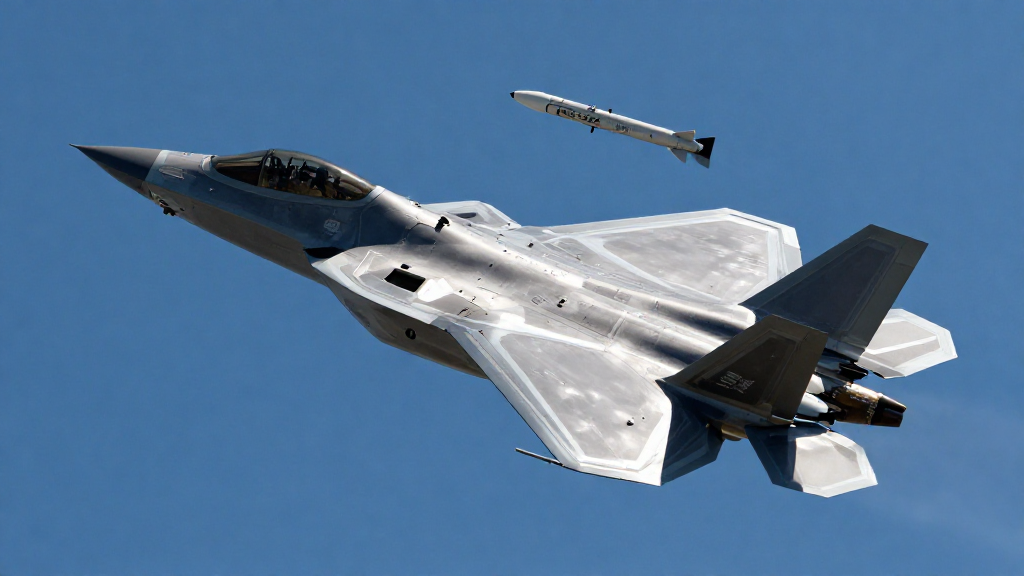
Combat aircraft employ compact AESA radars capable of air superiority, strike, and reconnaissance missions. Notable systems include the AN/APG-81, AN/APG-77, and Captor-E.
Naval Platforms
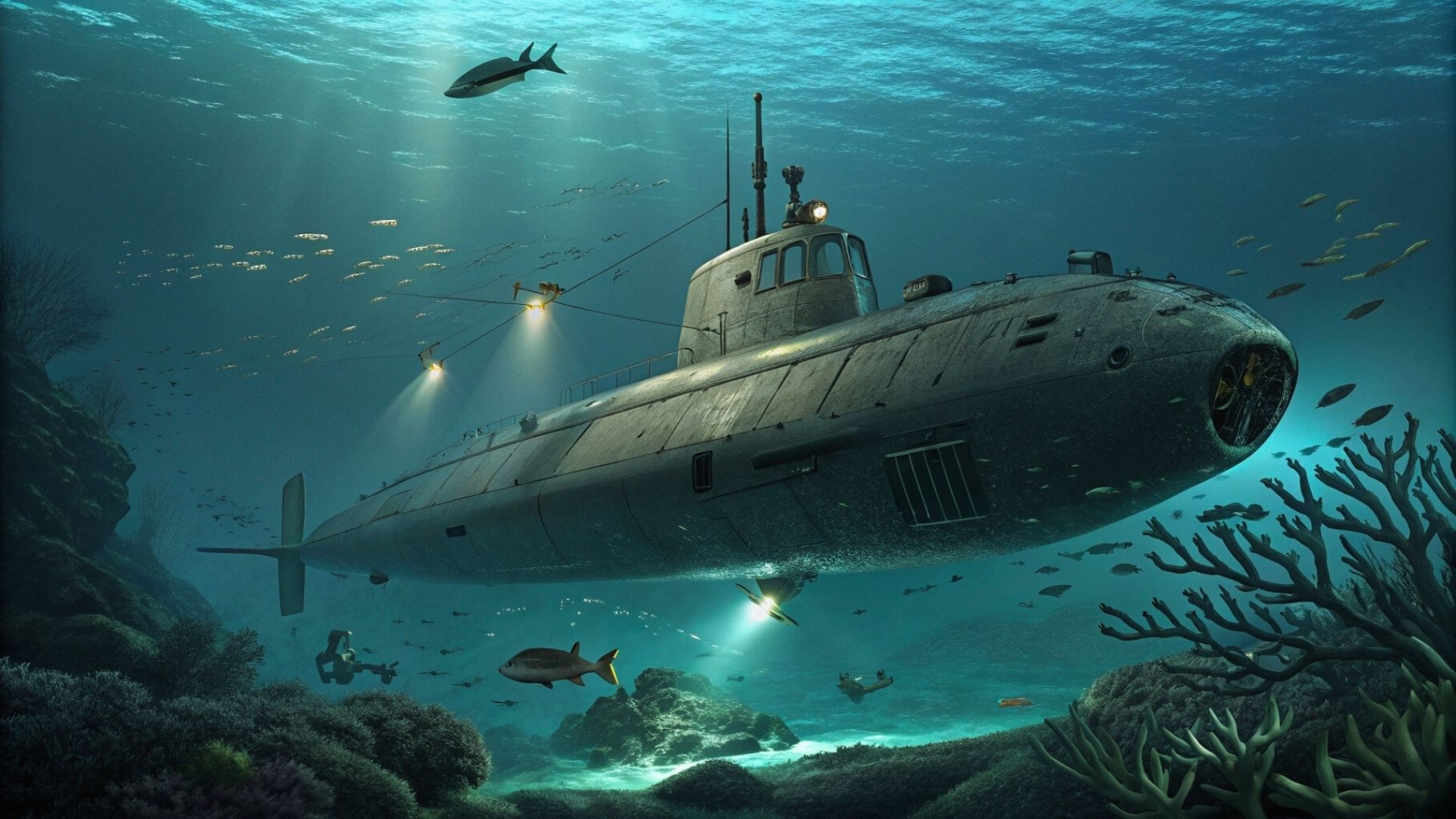
Shipborne AESA radars provide long-range surveillance, ballistic missile defense, and coordinated fleet air defense. The SPY-series radars remain among the most capable naval AESA systems in service.
Ground Systems
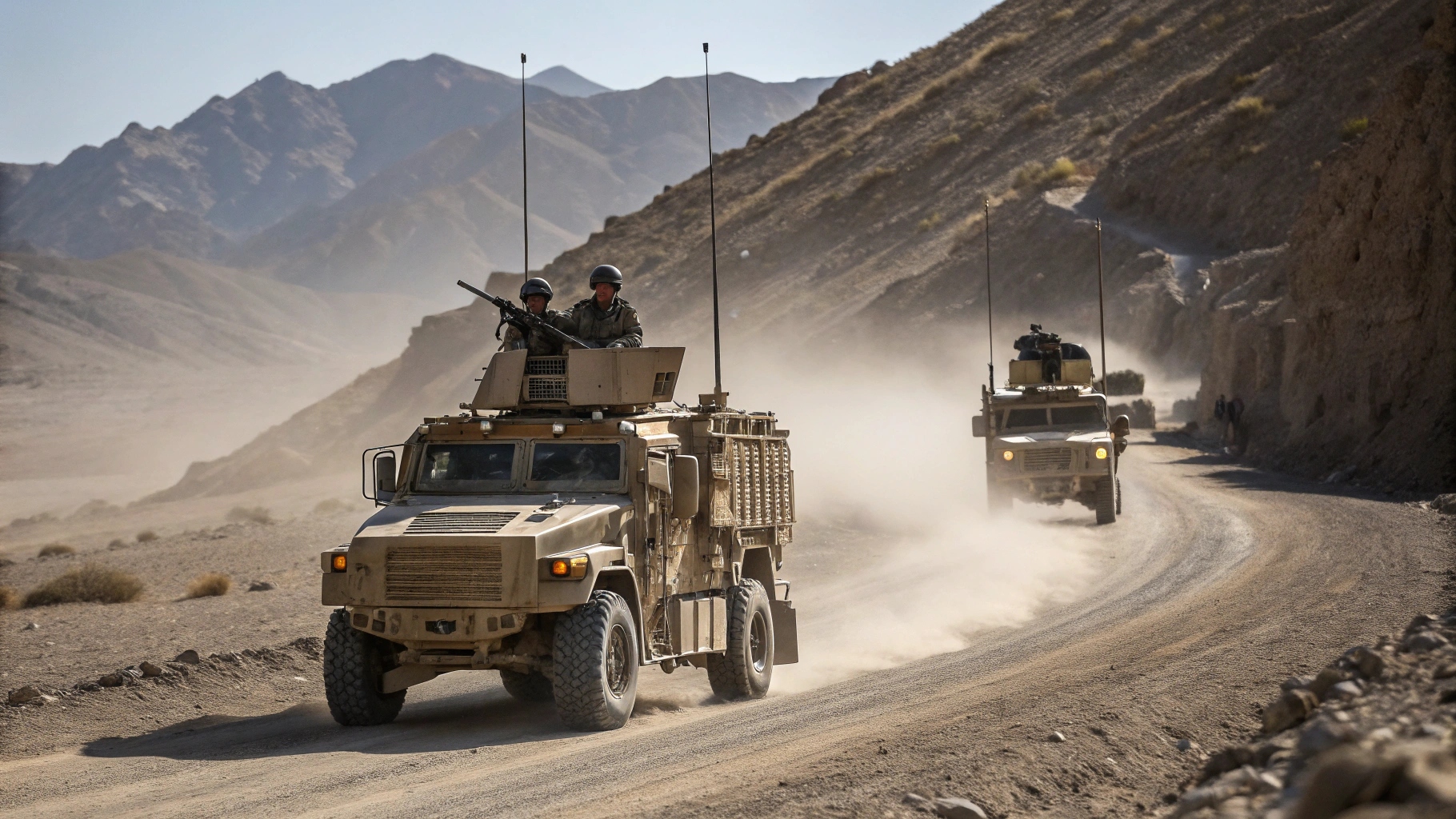
Land-based AESA radars are widely deployed for integrated air defense, counter-artillery operations, and strategic surveillance. Examples include the Patriot AN/MPQ-65, Arabel radar, and TRML-4D.
Worldwide Deployment
Although the United States initially maintained a decisive technological advantage in AESA radar, numerous countries have since developed indigenous capabilities.
China now fields advanced AESA radars aboard aircraft such as the J-20 and J-16, while Russia continues integrating AESA into newer combat platforms despite industrial challenges.
European nations, Israel, Japan, and South Korea have also developed highly capable AESA systems, making electronically scanned radar a standard feature across modern air combat and missile defense platforms.
With widespread adoption, competitive advantage increasingly depends on advanced software algorithms, sensor fusion, artificial intelligence, and network-centric integration.
Looking Ahead
Future AESA radars will benefit from Gallium Nitride semiconductor technology, offering higher power output, greater efficiency, and extended detection ranges.
Artificial intelligence will further improve automatic target classification, threat prioritization, and autonomous decision-making, while tighter integration into multi-domain combat networks will allow AESA systems to function not only as radar sensors but also as communications and electronic warfare nodes.
As military operations become increasingly interconnected, AESA radar will remain a foundational technology shaping the future of surveillance, air defense, and battlefield awareness.