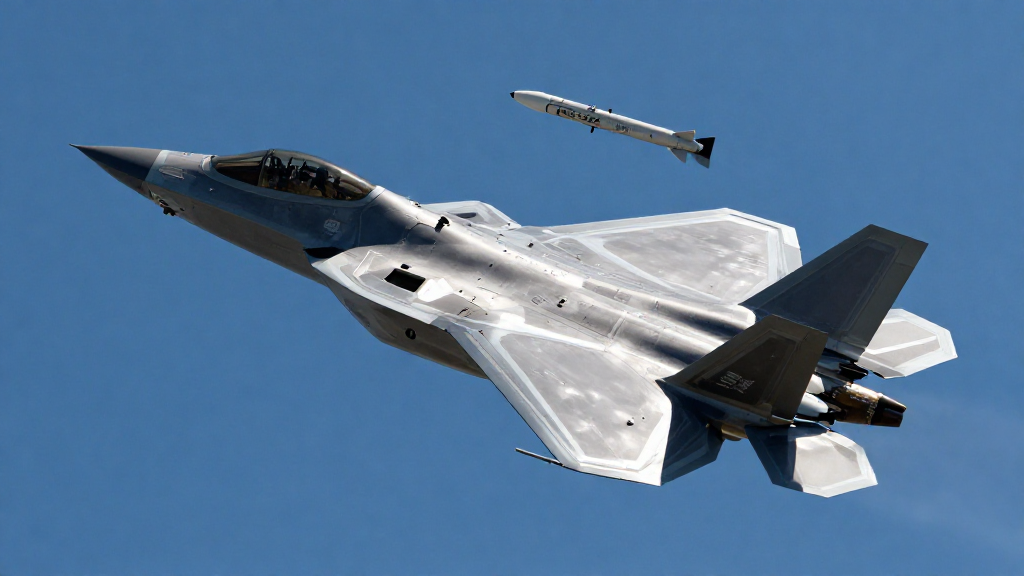
The Rafale F5 upgrade is set to significantly enhance beyond-visual-range combat performance by increasing its Meteor missile loadout from four to as many as six. This configuration leverages additional wing stations that have always been structurally viable but were previously limited by aerodynamic drag and performance compromises.
In its current F3R/F4 variants, the Dassault Rafale typically carries four Meteors while maintaining a balanced mix of fuel tanks and mission stores. Adding two more missiles increases drag and reduces efficiency and kinematic performance, which has historically restricted operational deployment of a six-missile configuration.
The F5 standard addresses this challenge through propulsion upgrades, most notably the introduction of the Safran M88 T-REX engine. With increased thrust and improved thermal efficiency, the engine is expected to compensate for added weight and drag, enabling the aircraft to retain high-performance characteristics even with a heavier air-to-air payload.
From an operational perspective, carrying six Meteors transforms the Rafale into a more potent air superiority platform, particularly in high-threat environments where multiple engagements may occur simultaneously. The Meteor’s ramjet propulsion and extended no-escape zone already offer a strong advantage, and a larger missile inventory enhances mission endurance and tactical flexibility.
These developments are particularly significant for the Indian Air Force under the MRFA program. While most aircraft are likely to be procured in the F4 configuration, a subsequent batch—estimated at over 20 units—may adopt the more advanced F5 standard. This phased procurement strategy enables the gradual introduction of advanced capabilities such as enhanced electronic warfare, loyal wingman integration, and expanded weapon options.
Equipping Rafale F5 aircraft with six Meteor missiles would provide the IAF with a clear edge in long-range air combat, especially in contested environments and against larger adversary formations. It also supports the broader shift toward maximizing first-shot effectiveness through networked operations, sensor fusion, and precision engagement at extended ranges.