India is moving to strengthen its national emergency preparedness framework through a joint initiative by the Ministry of Home Affairs (MHA) and the Indian Army to establish a modern, responsive Civil Defence network. The programme aims to improve the country’s ability to address emerging security threats, respond to emergencies and protect critical infrastructure.
The initiative aligns with the vision outlined by Prime Minister Narendra Modi during his Independence Day address at the Red Fort on 15 August 2026. He called for a modern Civil Defence framework supported by advanced technologies, improved training and contemporary emergency preparedness capabilities.
Three-Day Training Programme for Civil Defence Master Trainers
As the first phase of the initiative, the Directorate General of Fire Services, Civil Defence and Home Guards (DGFSCDHG), under the Ministry of Home Affairs, will coordinate with the Indian Army to conduct a specialised three-day training programme for Civil Defence Master Trainers.
The pilot programme will cover 12 states and Union Territories: Jammu and Kashmir, Punjab, Rajasthan, Gujarat, Delhi, Meghalaya, Sikkim, Assam, Uttar Pradesh, Kerala, Karnataka and Tamil Nadu.
A total of 600 Master Trainers, comprising 50 participants from each participating state or Union Territory, will receive instruction at designated Indian Army training establishments. The programme is scheduled for completion by the second week of November 2026.
Training Focuses on Modern Threats and Emergency Response
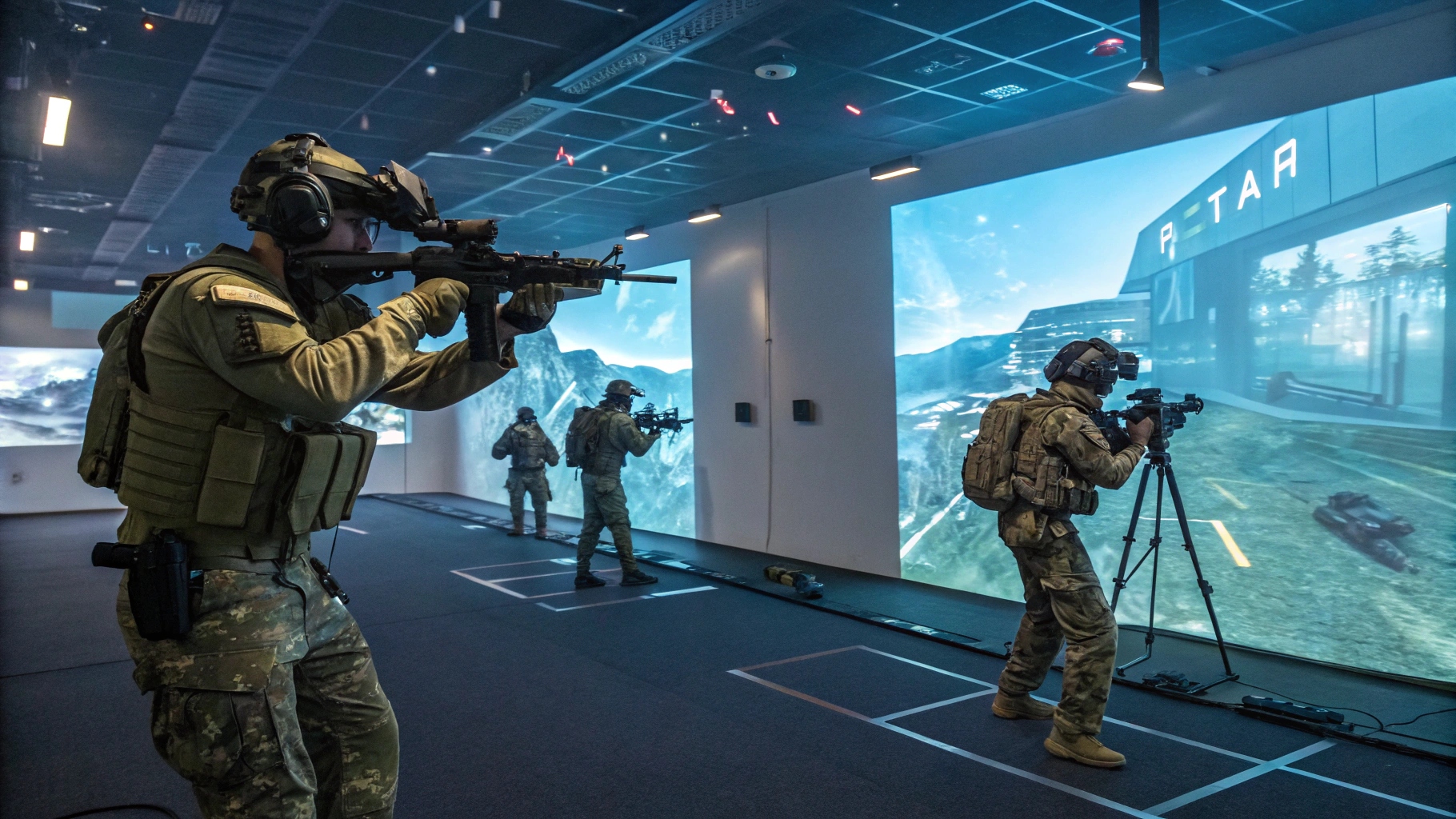
The training curriculum is organised around three core pillars: threat awareness; protection and emergency response; and communication and coordination. Together, these modules are designed to equip participants with the knowledge and practical skills required to support civil authorities during security incidents and emergencies.
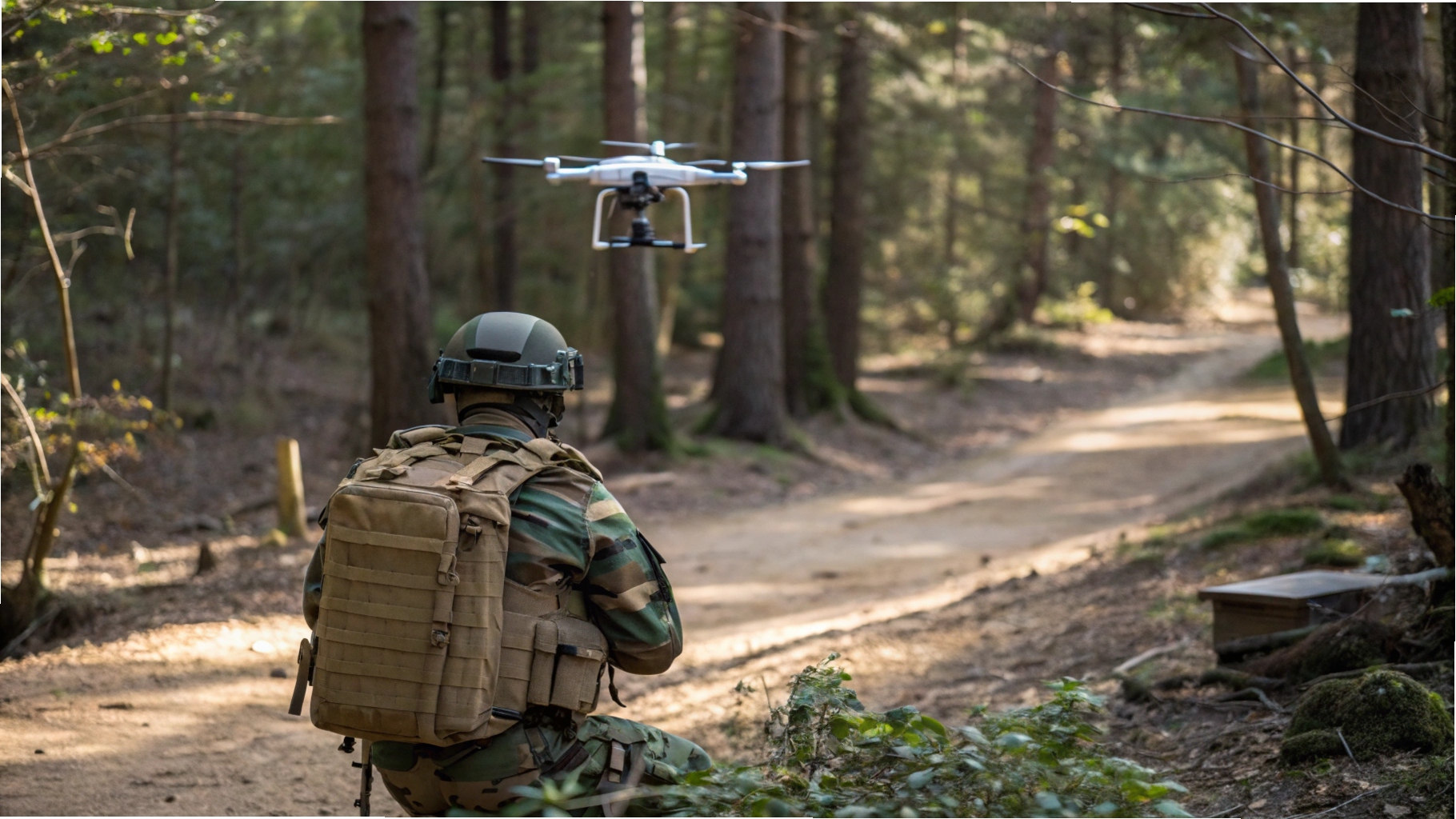
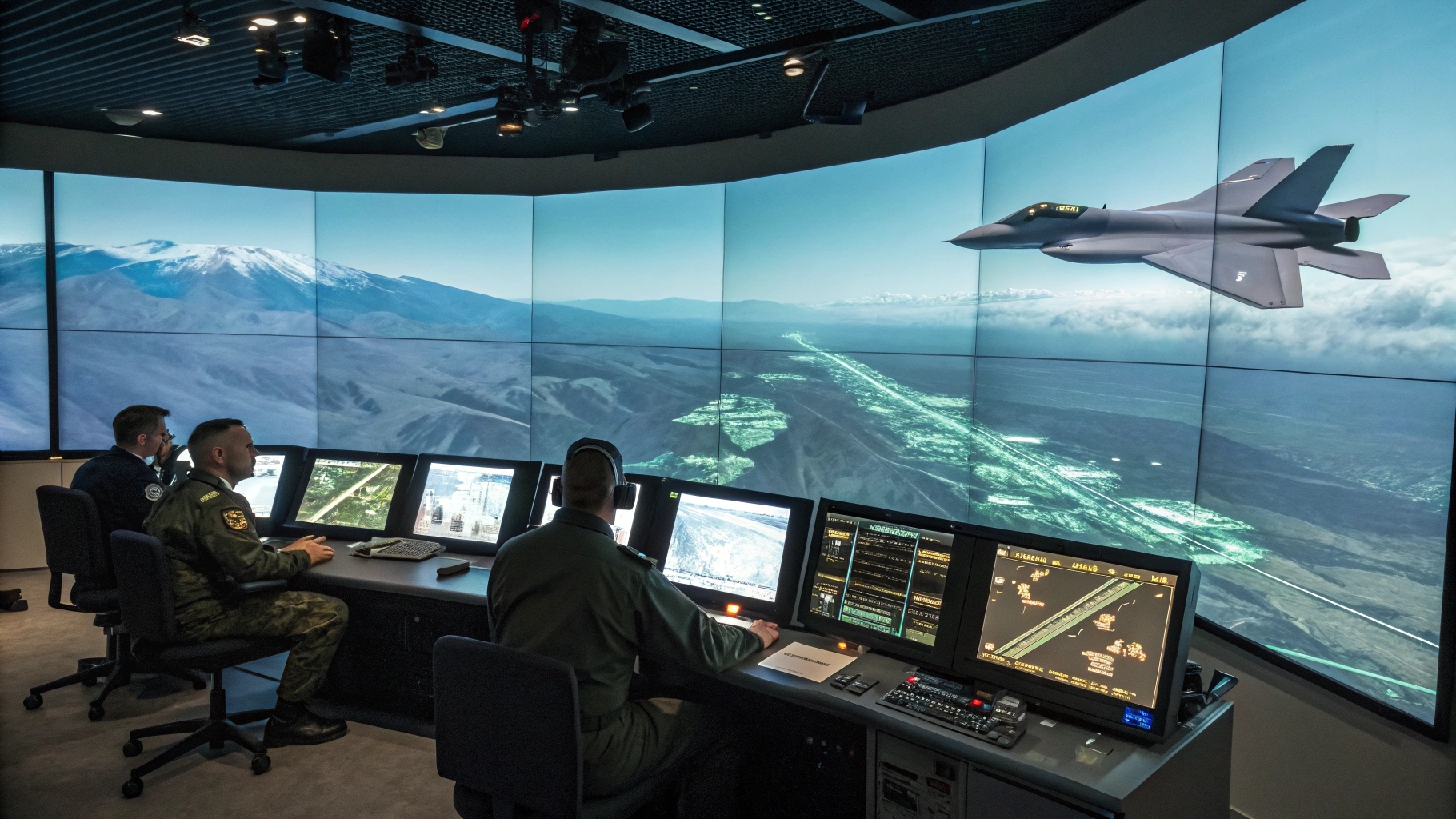
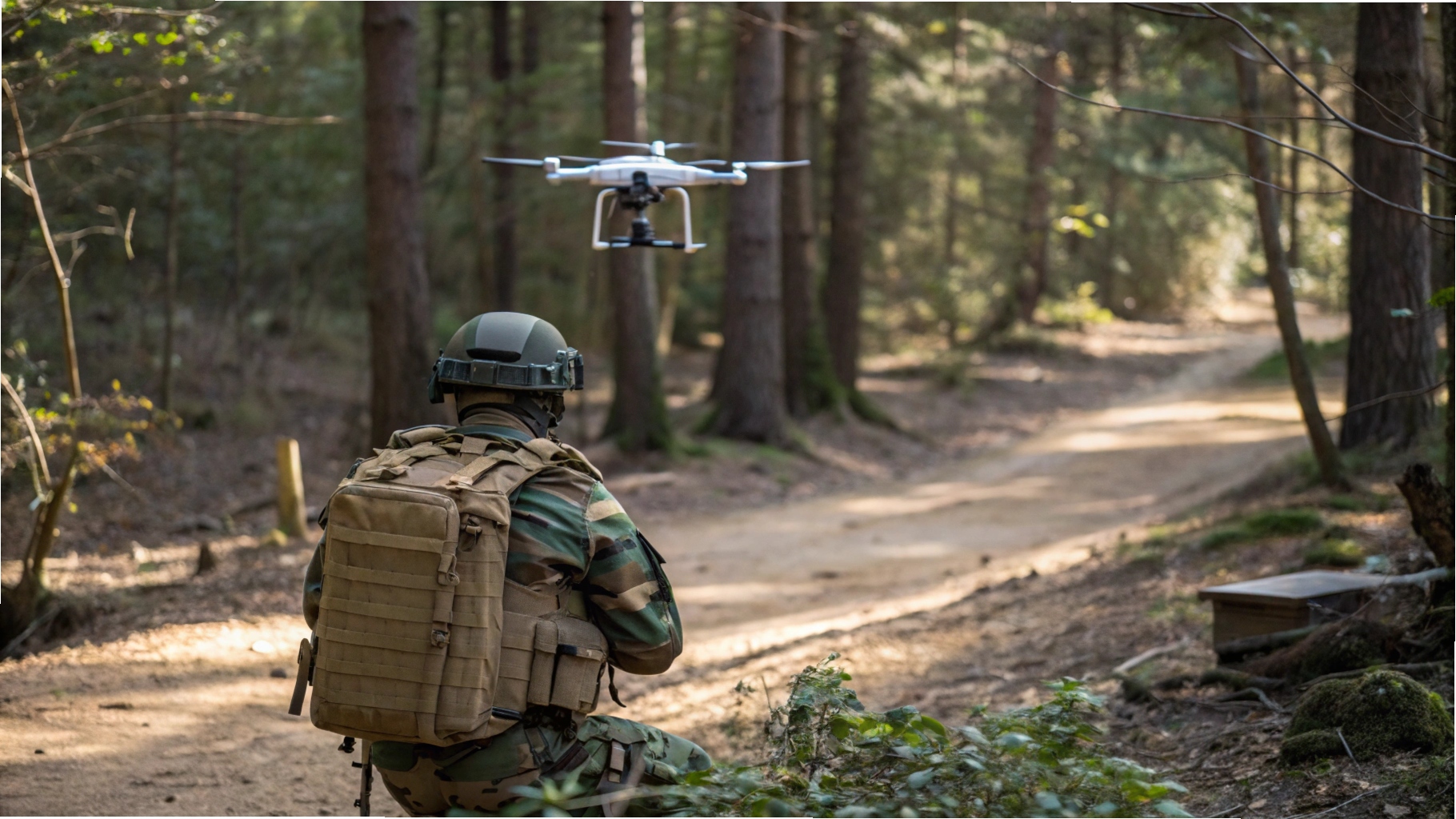
Threat awareness: Participants will receive training on modern and hybrid warfare, drone-related threats and air-raid awareness. This component reflects the growing need for civilian preparedness amid evolving security challenges and the increased use of emerging technologies in military operations.
Protection and emergency response: The second module will cover critical infrastructure protection, fire safety, Chemical, Biological, Radiological and Nuclear (CBRN) awareness, casualty management, and search-and-rescue operations. These skills are intended to strengthen local response capabilities during disasters, infrastructure emergencies and other high-impact incidents.
Communication and coordination: The final module will address emergency communications, cyber hygiene, digital resilience, civil-military coordination and incident command. These capabilities are essential for facilitating information-sharing, coordinating response teams and maintaining operational continuity during complex emergencies.
Cascading Training Model Targets 60,000 Volunteers
A key feature of the programme is its cascading training structure, through which trained Master Trainers will transfer their knowledge to Civil Defence volunteers in their respective states and Union Territories.
Each of the 600 Master Trainers is expected to train 100 volunteers, potentially extending specialised preparedness training to approximately 60,000 Civil Defence volunteers across the 12 participating jurisdictions.
According to the Ministry of Home Affairs, the approach is intended to expand the reach of specialised training and strengthen preparedness at the grassroots level. By combining the Indian Army’s operational expertise with the country’s established Civil Defence volunteer network, the programme aims to develop a broader pool of trained personnel capable of supporting emergency response operations.
Strengthening Civil-Military Coordination and Infrastructure Protection
The initiative is designed to improve coordination between military establishments, civil authorities and trained volunteers during emergencies. Greater familiarity with incident management procedures, emergency communications and response protocols could help local and regional agencies operate more effectively during complex situations.
Critical infrastructure protection is another major priority. Training in emergency response, fire safety, CBRN awareness and search-and-rescue operations is intended to improve preparedness for incidents that could disrupt essential services or threaten public safety.
The Ministry of Home Affairs has highlighted the programme’s role in enhancing preparedness for emerging threats, strengthening coordinated emergency response and improving the protection of critical infrastructure.
Future Expansion of the Civil Defence Network
Following the pilot phase, the government plans to progressively extend the programme to the remaining states and Union Territories, subject to the outcomes of the initial implementation.
The broader objective is to establish a robust, responsive and future-ready Civil Defence network capable of supporting India’s evolving national security and disaster-management requirements. By expanding specialised training, improving civil-military coordination and strengthening local response capacity, the initiative represents a step towards a more integrated national preparedness framework.
The programme’s longer-term impact will depend on the effective delivery of training, the subsequent preparation of volunteers and the ability of participating jurisdictions to sustain readiness through continued exercises and coordination.