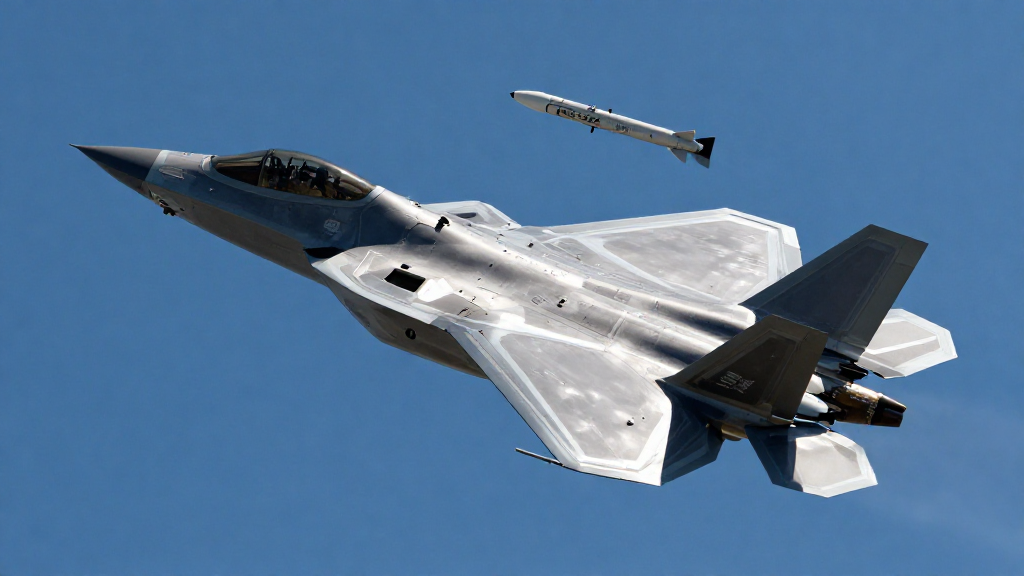

India has completed the first flight test of its indigenously developed Tactical Advanced Range Augmentation (TARA) kit, a new system designed to convert standard unguided aerial bombs into long-range precision-guided weapons. The capability is intended to provide the Indian Air Force with a domestic alternative to imported precision-guidance systems such as the SPICE bomb kits developed by Rafael Advanced Defense Systems.
Developed by Research Centre Imarat, the TARA system is designed for compatibility with the Indian Air Force’s stockpile of high-speed low-drag and general-purpose gravity bombs. Following successful development and production, the kit is expected to be integrated across several fighter aircraft operated by the IAF, including the Jaguar, Mirage 2000, Su-30MKI, and the domestically developed HAL Tejas.
The indigenous solution is expected to lower acquisition costs while allowing India to field precision-guided munitions in significantly larger numbers using existing bomb inventories. This would enhance operational flexibility and strengthen self-reliance in aerial precision-strike capabilities under India’s broader defense indigenization efforts.
The TARA kit employs foldable wings and tail-control assemblies that enable extended glide performance after weapon release. The system combines inertial navigation, GPS-supported guidance, and electro-optical seeker technology to deliver improved targeting accuracy during strike missions. Reports suggest the system is being developed in multiple payload classes, including 250-kilogram and 500-kilogram bomb variants.
When deployed from an altitude of around 5 kilometers, the TARA-equipped munition is expected to strike targets at distances of up to 180 kilometers. The weapon is also reportedly engineered to achieve a circular error probability below five meters, enabling highly precise engagement of designated targets.