
The Akash-NG air defence system has been specifically engineered to strengthen India’s ability to counter large-scale cruise missile raids, one of the most complex challenges facing modern air defence forces. Sources associated with the programme indicate that the system’s sensors, missile technology, engagement processes, and overall architecture have been refined to withstand coordinated attacks involving numerous low-flying cruise missiles operating alongside electronic warfare support measures.
Over the past decade, the nature of aerial threats has evolved considerably. Rather than relying on individual strike assets, potential adversaries increasingly employ saturation tactics, launching multiple cruise missiles simultaneously from different directions while using jamming, decoys, and electronic attacks to disrupt defensive networks.
To address these threats, Akash-NG introduces major improvements over the original Akash system. Although the earlier variant remains effective against aircraft, drones, and cruise missiles, the new system extends interception ranges to around 70 kilometers while delivering faster engagement cycles and improved performance against low-observable, highly maneuverable targets.
A key enhancement is the incorporation of an indigenous active RF seeker that allows the interceptor to independently guide itself during the final stage of engagement. This capability improves accuracy against targets employing evasive maneuvers or operating in environments affected by electronic countermeasures.
Supporting the missile is a sophisticated AESA multifunction radar capable of tracking more than 100 targets simultaneously while engaging over 10 threats at the same time. This high-capacity target management capability is fundamental to the system’s ability to cope with large missile salvos without becoming saturated.
The firing architecture has also been optimized for rapid engagement. Individual launchers can fire interceptors at intervals of roughly 10 seconds, while salvo operations allow multiple missiles to be launched within a short timeframe. When combined with coordinated ripple-fire tactics across several launchers, the system can generate a substantial volume of defensive fire during intensive attack scenarios.
To improve survivability in electronic warfare environments, Akash-NG combines radar tracking with an Electro-Optical Tracking System. This dual-sensor approach ensures that target tracking can continue even if radar performance is degraded by jamming or other electronic attacks, maintaining engagement capability during complex operations.
The interceptor’s dual-pulse propulsion system enables speeds of Mach 3 to Mach 3.5, allowing it to rapidly intercept incoming threats. This performance is particularly important against low-altitude cruise missiles that exploit terrain masking to avoid detection until the final stages of flight.
Military planners recognize, however, that even advanced systems have limitations. Terrain-following cruise missiles can significantly reduce reaction times, and every air defence network has a finite capacity for simultaneous engagements.
Consequently, Akash-NG is viewed as an essential component of India’s broader multi-layered air defence strategy. Outer defensive rings formed by systems such as the S-400 and the planned Project Kusha would engage threats at long ranges, while Akash-NG would provide a highly responsive inner shield capable of defeating missiles that evade earlier interception attempts.
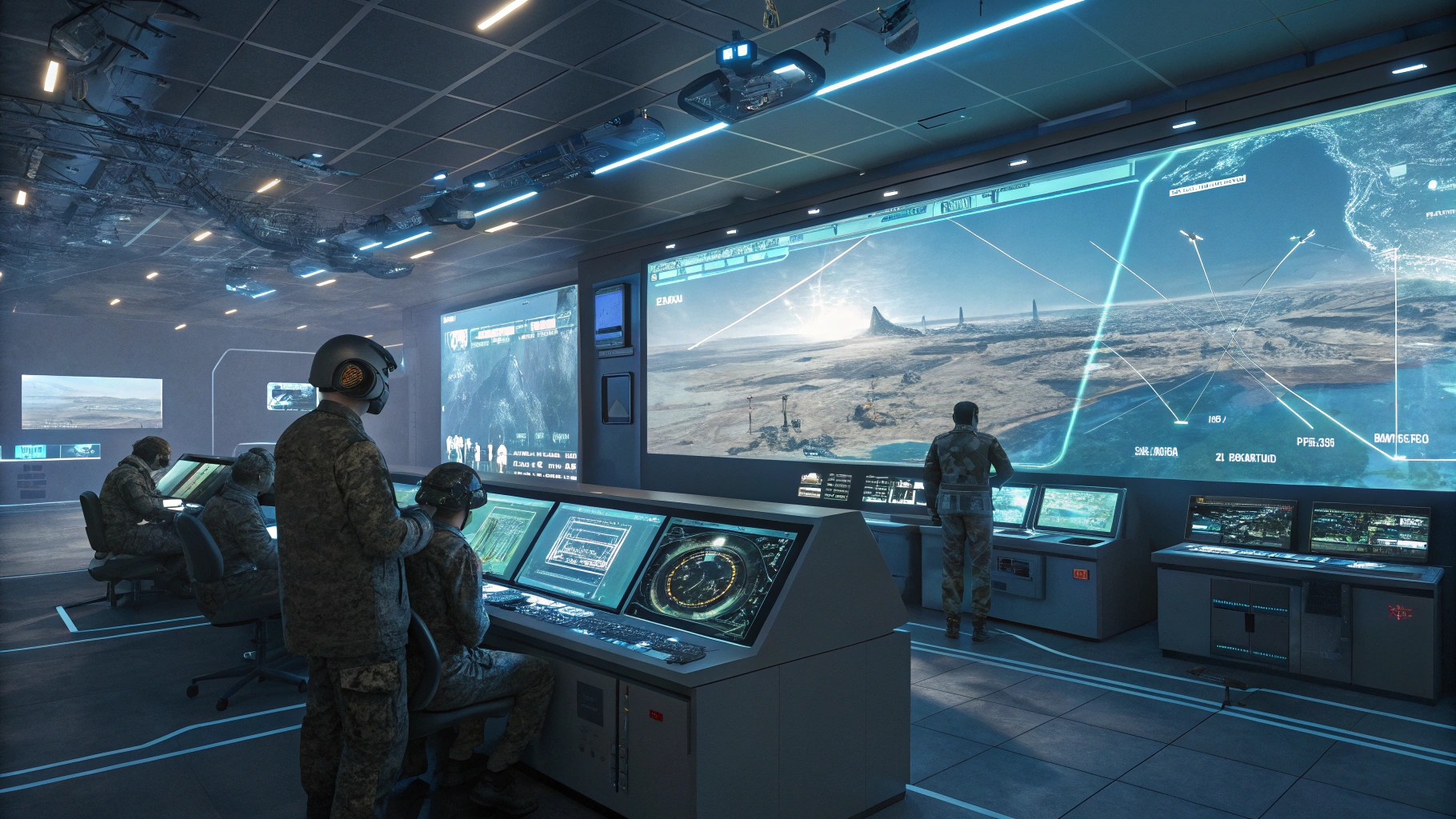
This layered approach is supported by the Integrated Air Command and Control System (IACCS), which links sensors, radar networks, command nodes, and missile batteries into a single operational framework. By distributing early warning information and maintaining a common air picture, IACCS enhances engagement timelines and allows Akash-NG batteries to respond more effectively to incoming cruise missile threats.