India’s indigenous Zorawar light tank programme is encountering a major design challenge as the Indian Army seeks enhanced protection against modern battlefield threats while retaining the mobility required for high-altitude operations, The Times of India reported. The additional requirements could necessitate substantial engineering modifications, potentially postponing the tank’s induction until 2028–2029.
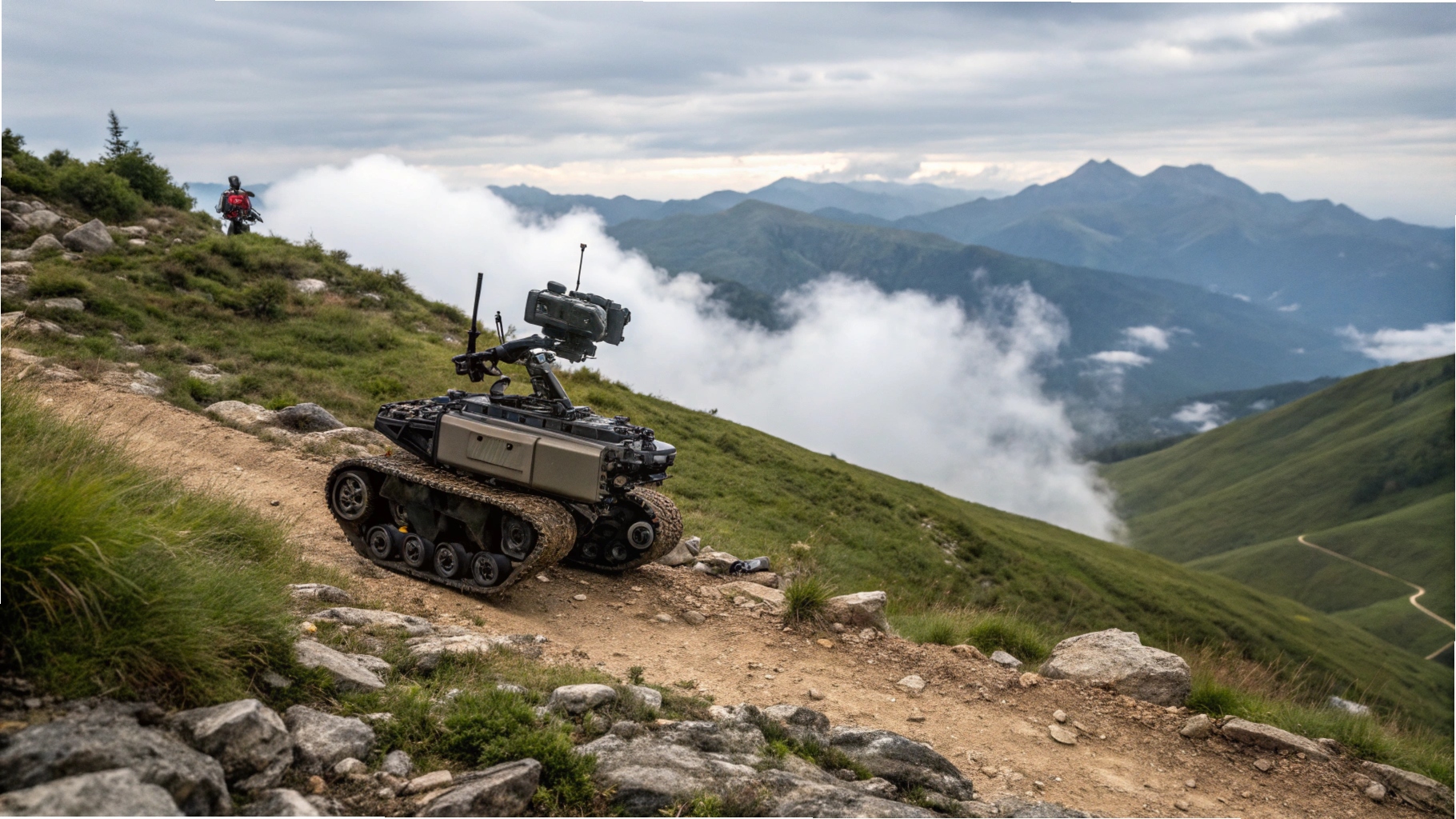
The primary challenge is balancing survivability with mobility. Although heavier armour would improve crew protection against powerful ammunition, it could increase the vehicle’s combat weight and compromise the agility required to operate in mountainous terrain. Zorawar was specifically developed for deployment in eastern Ladakh and other Himalayan regions, where steep slopes, narrow roads, low oxygen levels and limited infrastructure restrict the use of conventional heavy armoured vehicles.
The Army is reportedly seeking protection against 30 mm armour-piercing ammunition. The tank’s existing configuration is understood to offer frontal protection broadly aligned with STANAG 4569 Level 4, while the enhanced requirement is closer to Level 6. Improvements to side and rear protection are also under consideration to strengthen survivability against threats from multiple directions.
Engineers are reportedly examining modular armour solutions, including bolt-on ceramic protection packages, to improve protection without requiring a complete redesign. However, additional armour, active protection systems and other survivability enhancements could significantly increase the tank’s overall combat weight.
The Zorawar currently weighs approximately 25 tonnes and is powered by a Cummins diesel engine producing around 760 horsepower. If additional protection increases its weight to approximately 30–32 tonnes, the existing powerpack may struggle to maintain the desired power-to-weight ratio, acceleration and hill-climbing performance.
A substantial increase in weight could therefore necessitate a more powerful engine, leading to further integration work, testing and certification before serial production can proceed. These engineering challenges have raised the possibility of induction slipping from the earlier target of 2027 to 2028–2029.
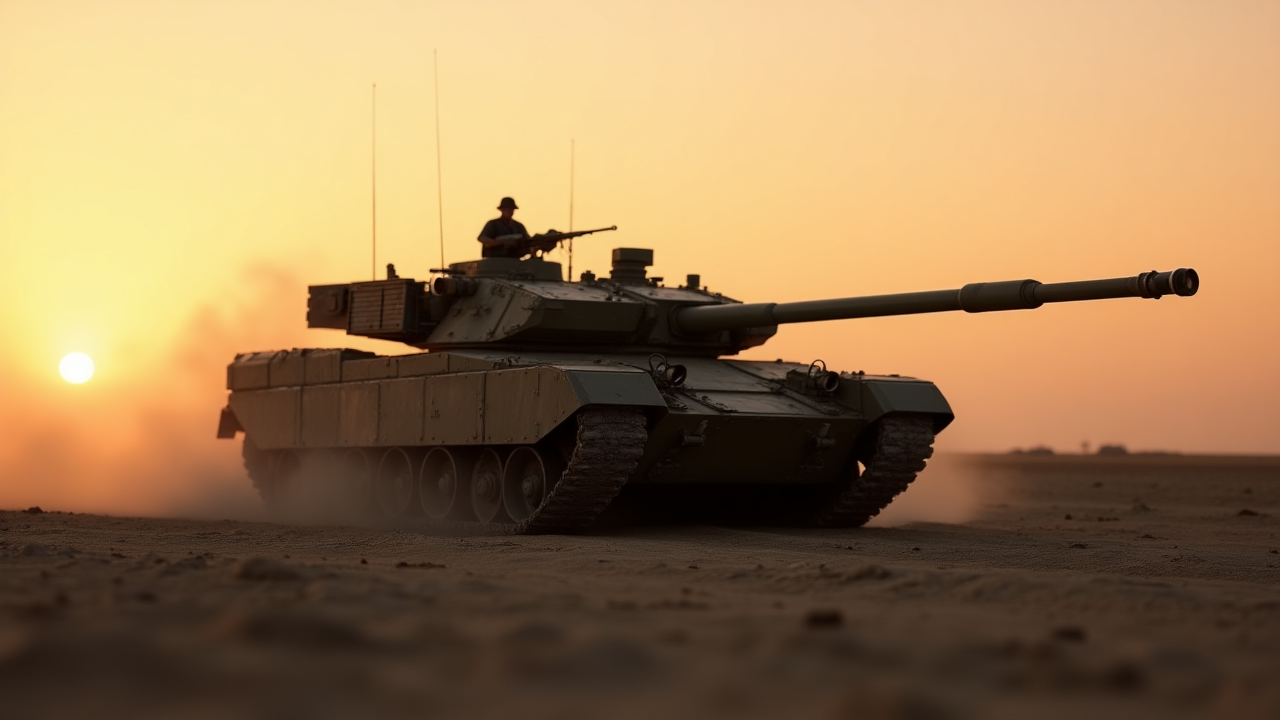
China’s Type 15 light tank provides a relevant regional comparison. Depending on its configuration, the platform weighs approximately 33–36 tonnes and uses an engine rated at around 1,000 horsepower, supporting operations in mountainous environments. However, India’s requirements for strategic transportability, terrain adaptability and logistical support mean that Zorawar’s design cannot simply replicate the Chinese approach.
The Zorawar programme emerged following the 2020 India–China military confrontation in eastern Ladakh, which highlighted the need for a highly mobile armoured platform capable of rapid deployment along the Line of Actual Control. Unlike the heavier T-72 and T-90 tanks, Zorawar is designed to combine firepower, mobility and transportability for challenging operational environments.
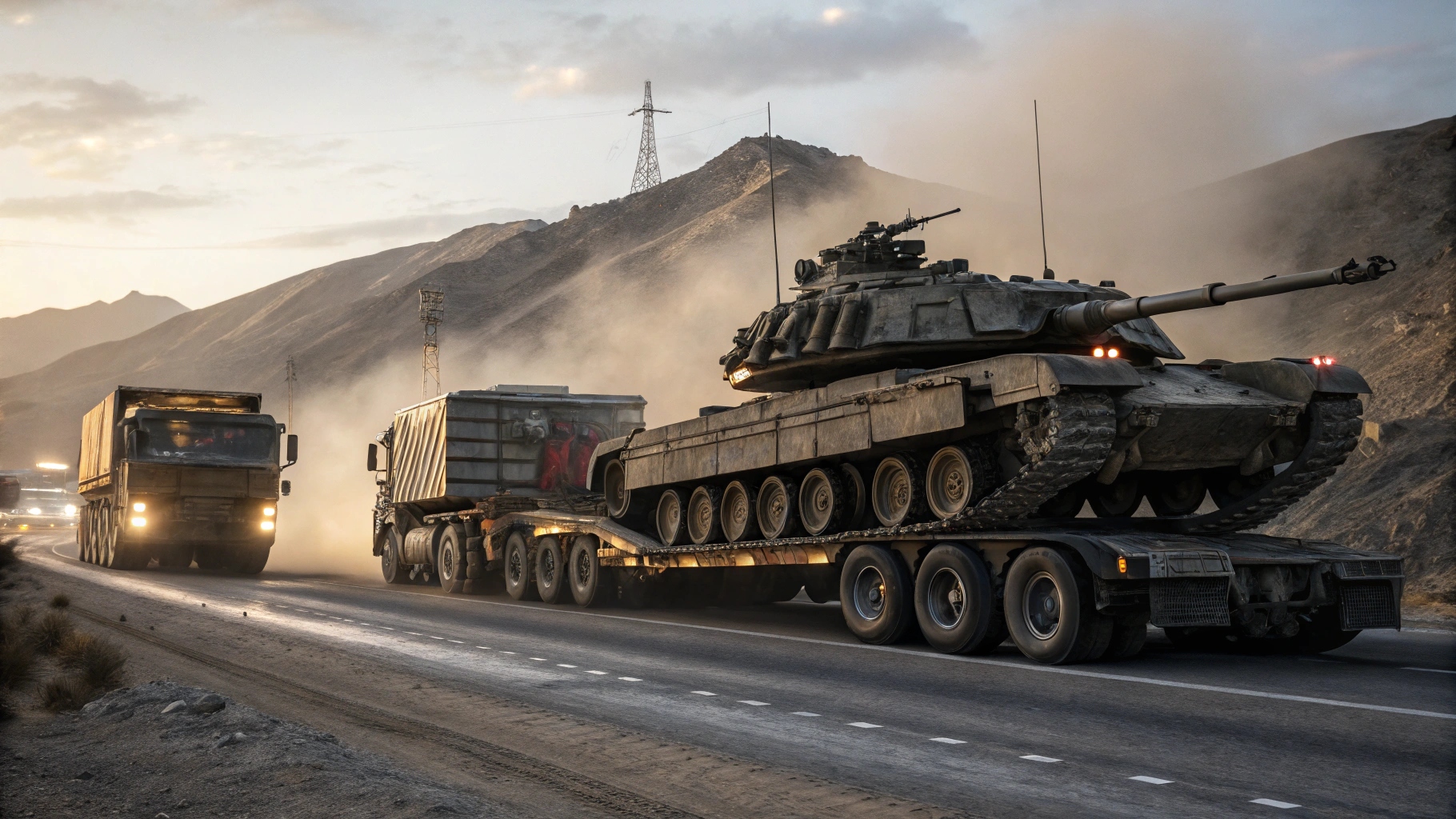
One of its key advantages is its planned compatibility with strategic airlift platforms such as the C-17 Globemaster III, allowing rapid deployment to remote operational areas. The tank is equipped with a 105 mm gun integrated into the Belgian-developed Cockerill 3105 turret, providing substantial direct-fire capability while maintaining a relatively compact design.
The Indian Army plans to procure 354 Zorawar light tanks. The first 59 vehicles are being developed through a partnership between the Defence Research and Development Organisation (DRDO) and Larsen & Toubro. For the remaining 295 tanks, TATA Advanced Systems has reportedly emerged as the lowest bidder. However, selection as the lowest bidder does not, by itself, confirm that a procurement contract has been awarded. Mahindra Defence Systems has also participated in the competition.
A phased procurement strategy could offer a potential way forward, allowing initial vehicles to progress towards production while subsequent batches incorporate upgraded armour and other survivability improvements after the final configuration is approved. Such an approach could help accelerate deployment while preserving opportunities for future capability enhancements.
The Zorawar programme highlights the engineering trade-offs involved in developing light tanks for high-altitude warfare. The Army’s final requirements will need to balance protection, firepower, engine performance, transportability and operational mobility to ensure the platform can meet the demands of India’s Himalayan frontier.