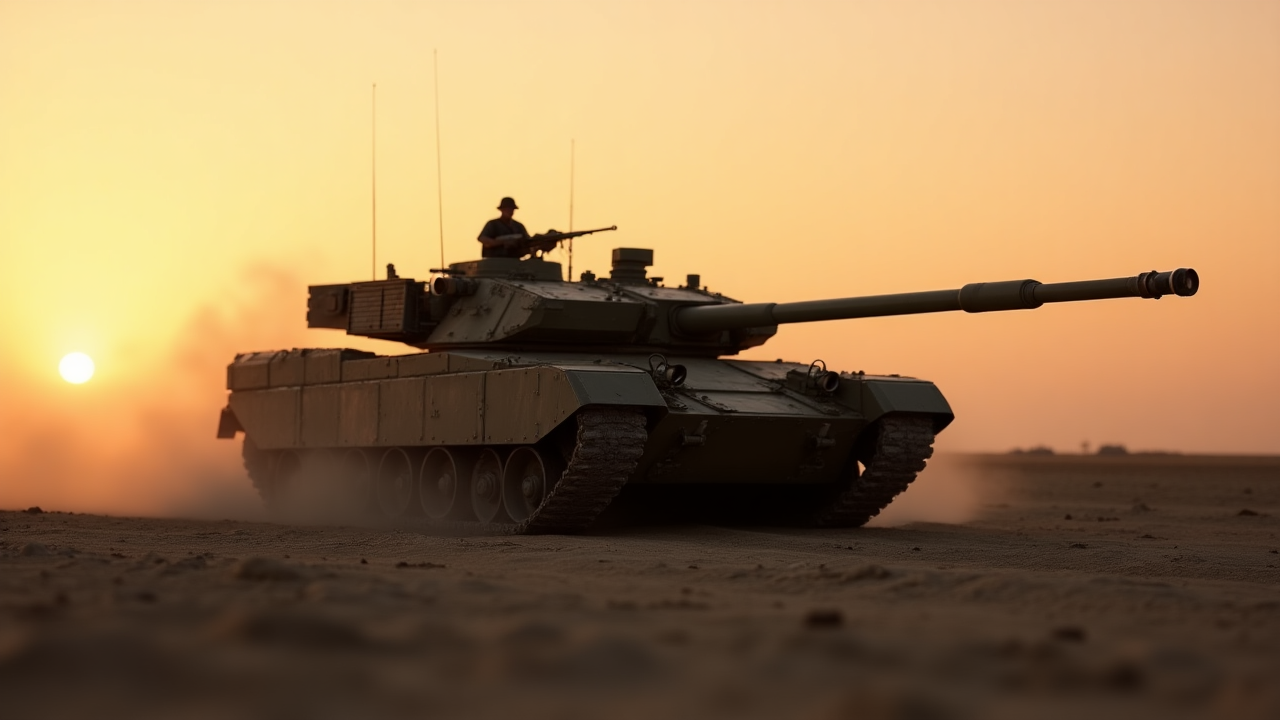
Some military upgrades simply extend service life, while others fundamentally reshape combat capability. Challenger 3 falls firmly into the second category. More than a modernization effort, it represents the British Army’s transition toward a new era of digitally enabled armored warfare.
Built for high-threat battlefields, Challenger 3 combines heavy protection with modern firepower, advanced sensors, and integrated battlefield networking. The program aims to ensure the UK’s armored forces remain effective against evolving peer-level threats.
Understanding Challenger 3
Challenger 3 is the future main battle tank of the British Army, created through a comprehensive upgrade of the Challenger 2 fleet. Instead of developing a completely new vehicle, the UK chose to modernize the existing platform with substantial improvements in combat performance and operational flexibility.
The upgraded tank is intended for high-intensity warfare scenarios where survivability, precision engagement, and interoperability with allied forces are critical.
Development Background
The need to modernize Britain’s armored forces became increasingly clear as battlefield threats evolved and NATO interoperability requirements expanded. The Challenger 3 program is being developed by Rheinmetall BAE Systems Land (RBSL), combining British operational experience with German armored technology expertise.
A major milestone in the program was replacing the Challenger 2’s rifled gun with the Rheinmetall 120mm L55A1 smoothbore cannon. This upgrade aligns the platform with NATO standards and enables the use of modern ammunition types with improved lethality and flexibility.
Major Upgrades and Configuration
Challenger 3 introduces significant improvements across multiple areas of combat performance.
Firepower
120mm L55A1 smoothbore main gun
Support for programmable and advanced kinetic rounds
Protection
Modular armor system designed for future upgrades
Improved turret protection with potential active protection integration
Targeting and Fire Control
Long-range thermal imaging for commander and gunner
Digital fire-control system with automatic target tracking
Mobility and Networking
Improved suspension and upgraded power systems
Advanced digital architecture for integrated battlefield communications
Battlefield Capabilities
The redesigned turret and upgraded fire-control systems significantly enhance the tank’s lethality and engagement accuracy. The smoothbore gun provides compatibility with NATO-standard ammunition, increasing operational flexibility during coalition missions.
Advanced sensors improve target acquisition and battlefield awareness under day, night, and adverse weather conditions. At the same time, the tank’s digital networking capabilities allow real-time coordination with allied combat units.
Core Strengths
Challenger 3’s primary advantage is its balanced mix of survivability, firepower, and connectivity. The modernization program transforms an already durable platform into a more capable and interoperable combat system.
The adoption of NATO-standard ammunition streamlines logistics while improving compatibility during multinational deployments. Enhanced battlefield awareness and targeting systems also strengthen both offensive strike capability and defensive operations.
Existing Limitations
Because Challenger 3 is based on an upgraded legacy platform, it may not offer the same long-term growth potential as completely new tank designs developed from the ground up.
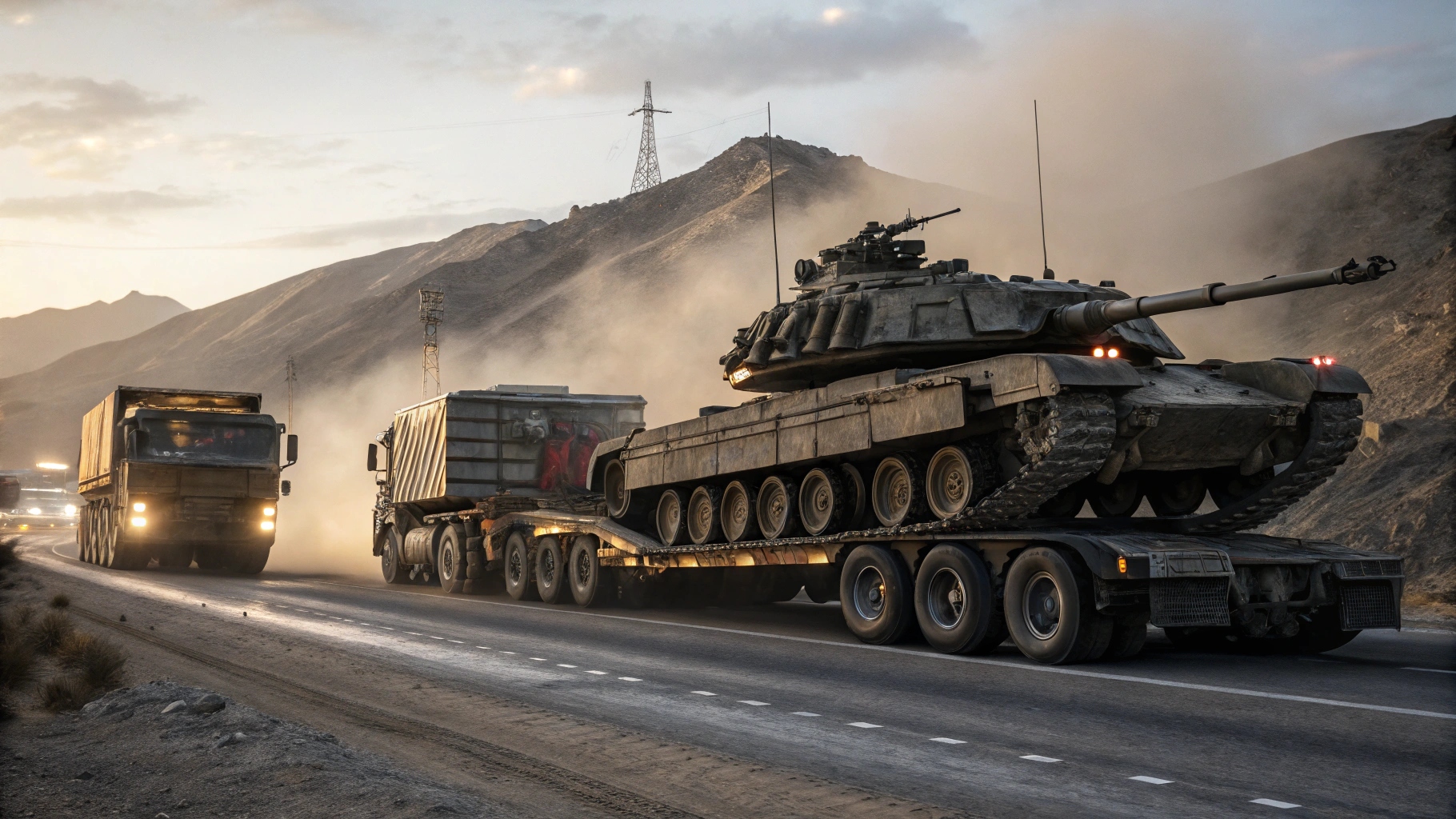
Its heavyweight design could also create mobility and transport challenges in certain theaters. Additionally, the platform may require future upgrades to fully integrate advanced active protection technologies.
Role in Future Operations
Challenger 3 is expected to serve as the centerpiece of the British Army’s armored force structure, supporting frontline warfare, deterrence operations, and NATO missions.
Its interoperability with allied forces will allow UK armored units to integrate more effectively with multinational formations, particularly alongside European NATO partners.
Looking Ahead
The Challenger 3 program highlights the growing importance of networked and digitized warfare in modern armored combat. Future developments could include advanced protection systems, next-generation sensors, and coordination with unmanned combat platforms.
Rather than simply extending the life of an older tank, Challenger 3 reshapes Britain’s armored warfare capability for the demands of future conflict.