
The Indian Army’s Strategic Guidelines 2047 outline a long-term vision to transform the force into a technologically advanced, future-ready military capable of addressing evolving security challenges. The roadmap prioritises capability enhancement, force modernisation, technology integration, joint operations, innovation, and the adoption of indigenous defence solutions to strengthen national security.
In line with these objectives, the Indian Army and Indian Air Force (IAF) have significantly upgraded their integrated air defence architecture to improve operational coordination and accelerate response times against emerging threats. The enhancement marks a major step forward in joint-service warfare and network-centric operations.
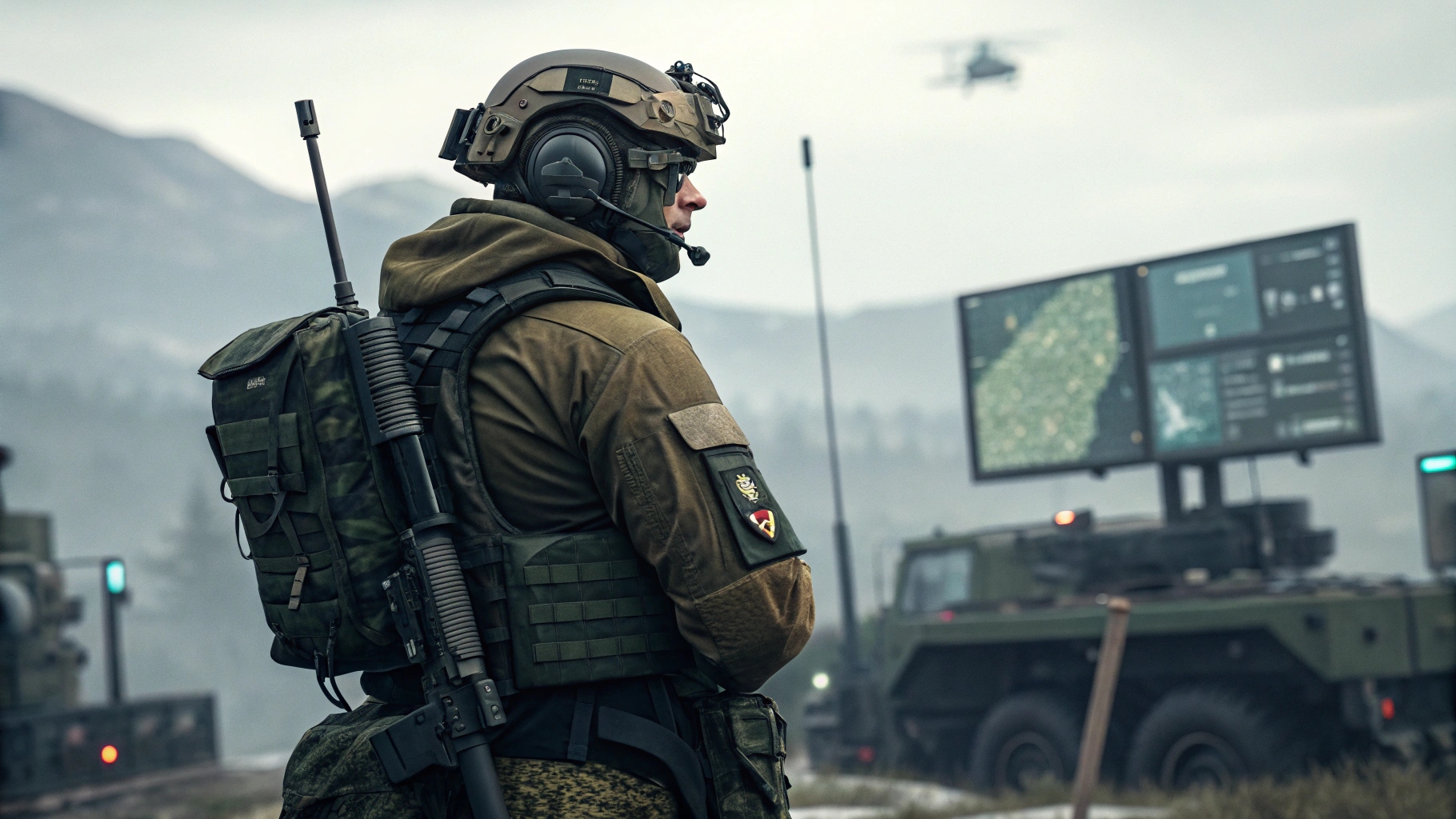
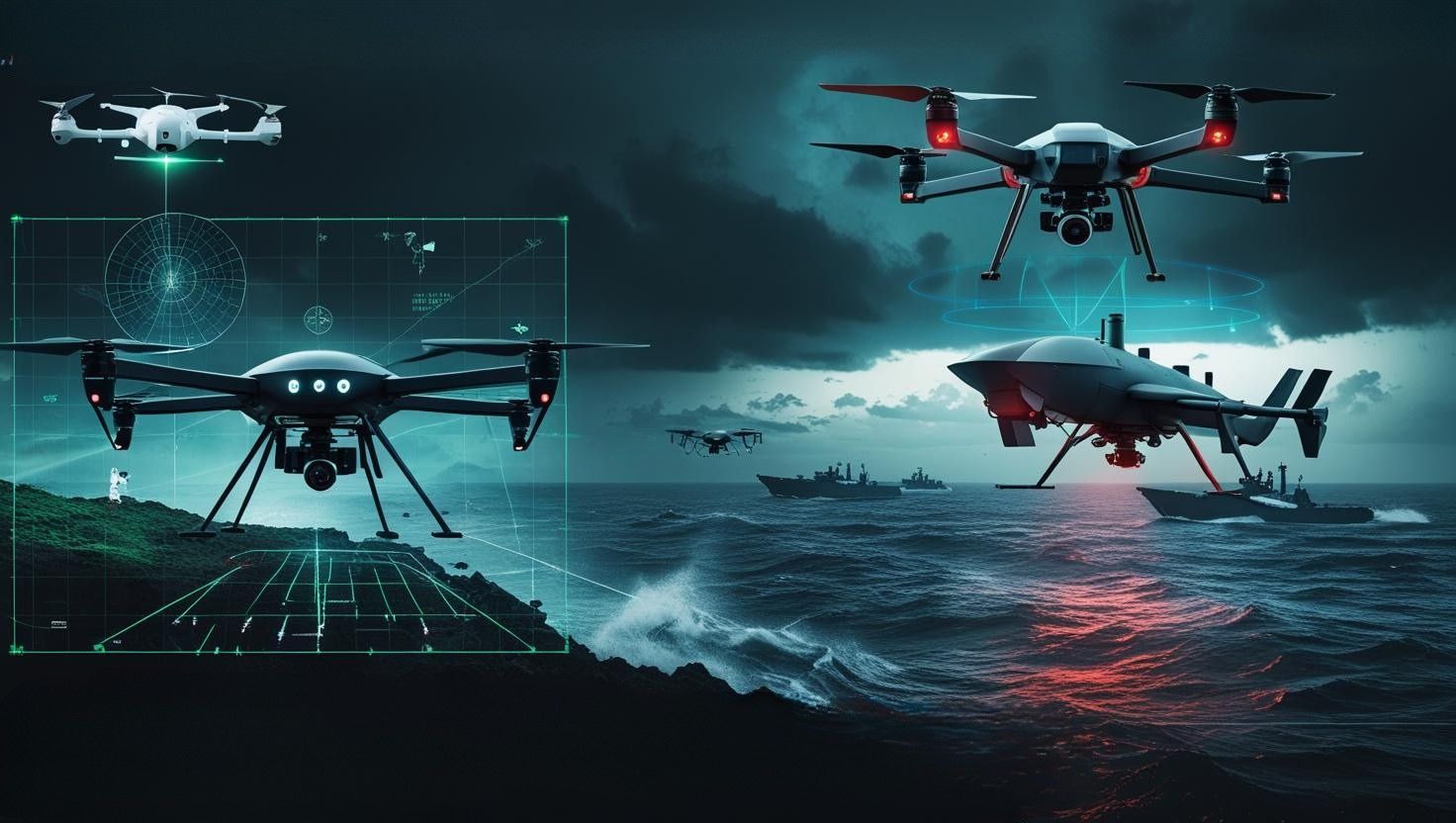
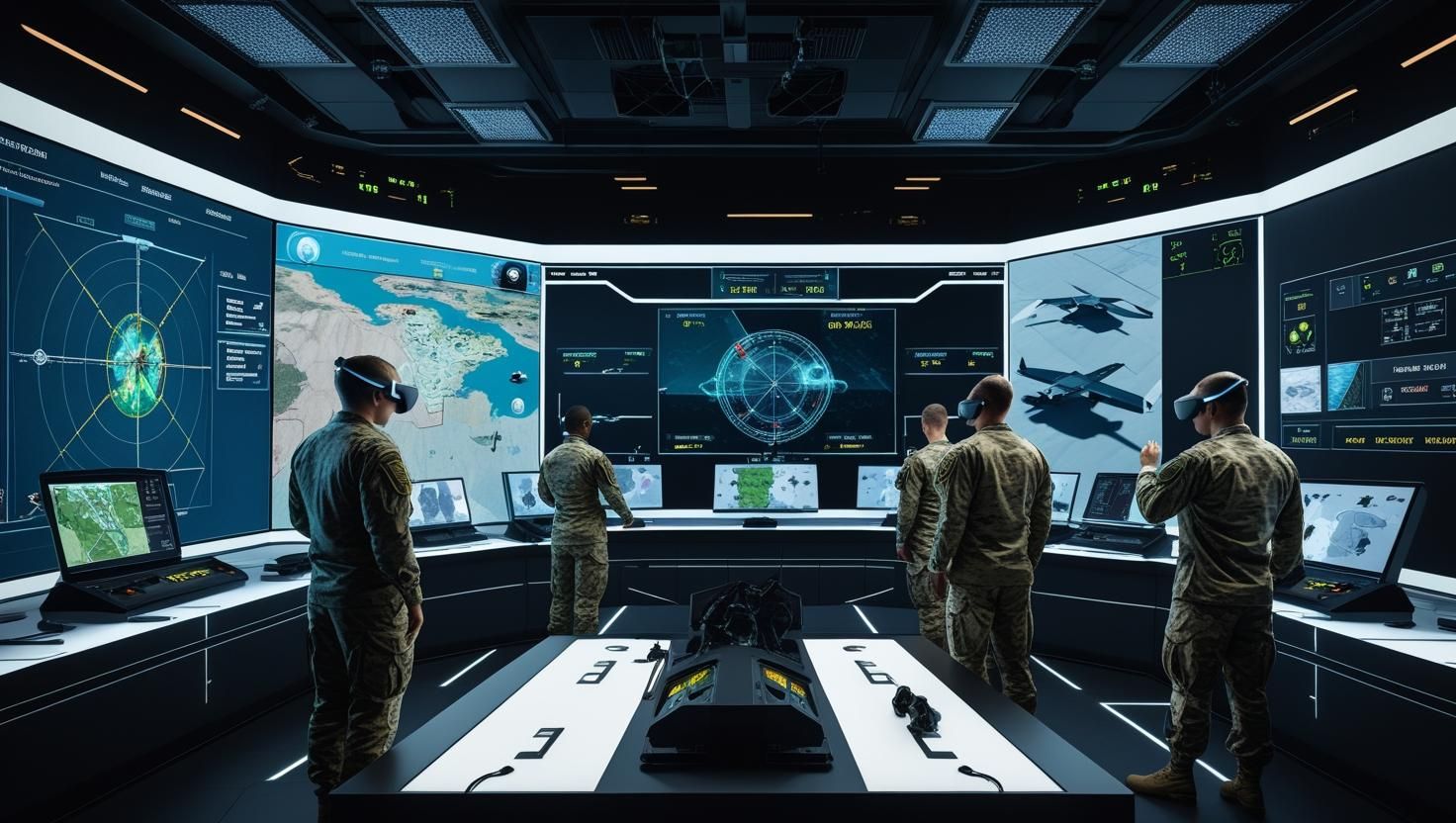
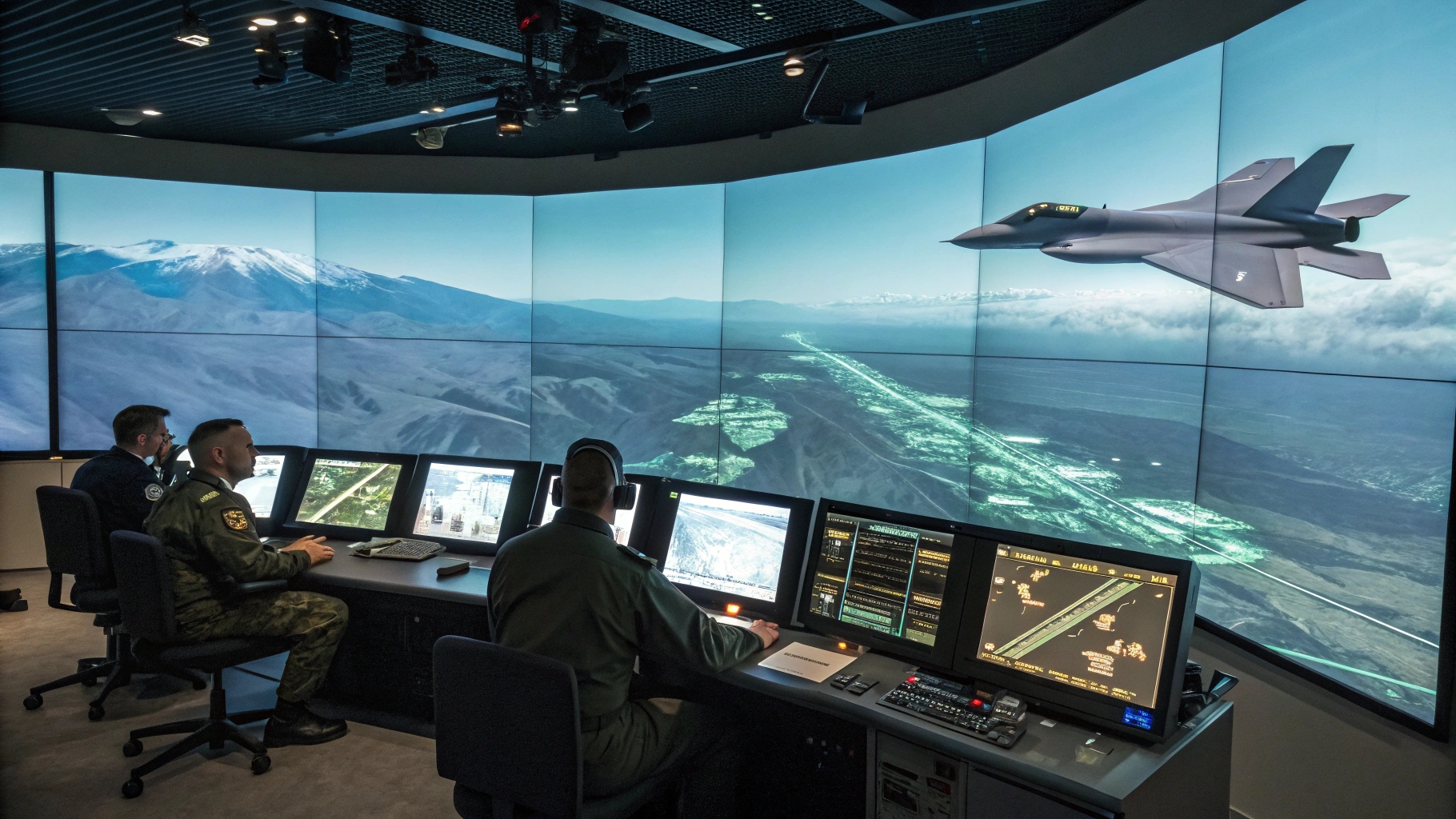
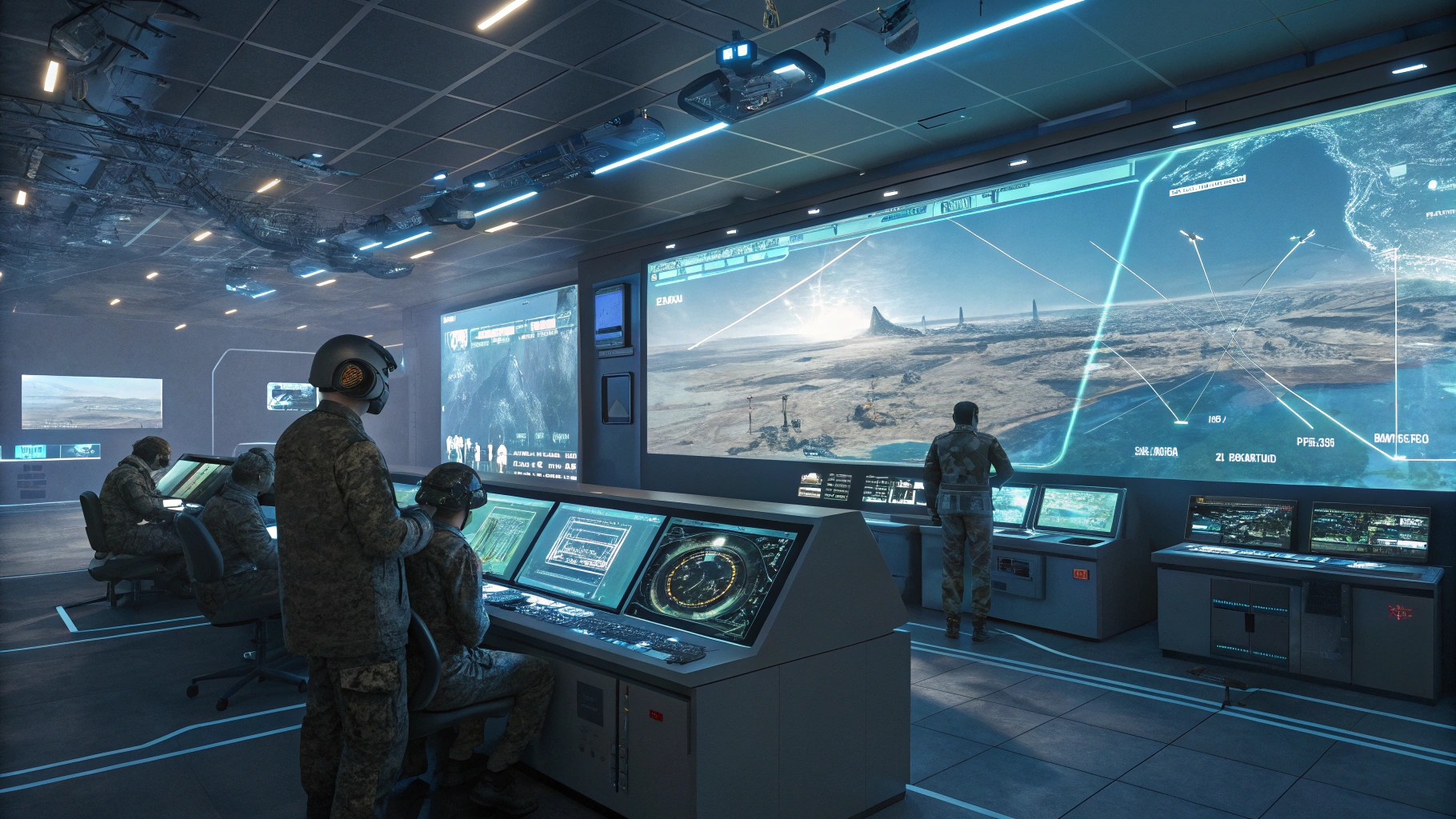
At the centre of this transformation is the Integrated Air Command and Control System (IACCS), which fuses real-time inputs from radars, drones, and other surveillance assets to generate a comprehensive air picture. This unified operational view enables faster decision-making and more effective coordination of both defensive and offensive air operations.
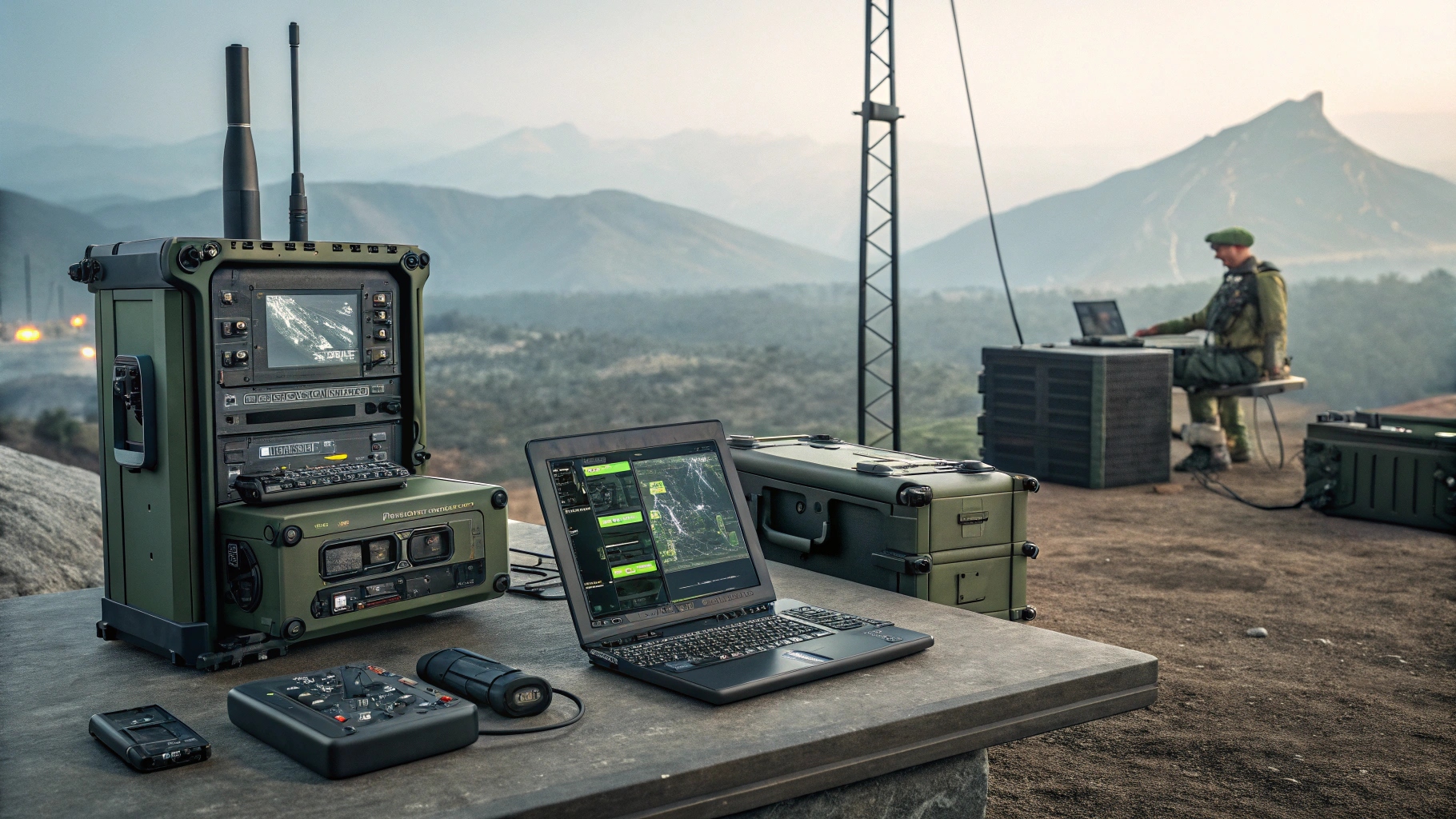
The system is capable of automatically assigning threats to the most suitable weapon platform, including S-400 air defence systems and Akash missile batteries, ensuring rapid and efficient engagement of hostile aerial targets. Recent improvements in the integration between IACCS and the Army’s Akashteer command-and-control network have further reduced reaction times, enabling near-instantaneous responses following threat detection.
These capabilities were recently demonstrated during Exercise Josh 2, a large-scale joint military exercise conducted along the western front. The drill brought together Indian Army and IAF units in a coordinated operational environment designed to validate integrated warfighting concepts.
A key feature of the exercise was the live integration of the IAF’s IACCS with the Army’s Akashteer system. This connectivity provided ground-based formations with real-time situational awareness while enabling automated target engagement sequencing, significantly improving battlefield responsiveness and operational efficiency.
The exercise also showcased enhanced coordination between military services and civilian authorities through the establishment of joint operational nodes. These networks ensured that military activities were conducted without disrupting commercial air traffic, demonstrating effective civil-military cooperation.
Special attention was given to airspace management and deconfliction procedures, with participating agencies rehearsing protocols designed to ensure the safe and efficient use of shared airspace by both military and civilian aircraft. These measures helped minimise operational risks while maintaining uninterrupted civil aviation operations.
Additionally, Exercise Josh 2 included training on the use of joint-user airfields, allowing multiple services to operate from shared infrastructure. Such practices improve operational flexibility, maximise resource utilisation, and strengthen interoperability across the armed forces.