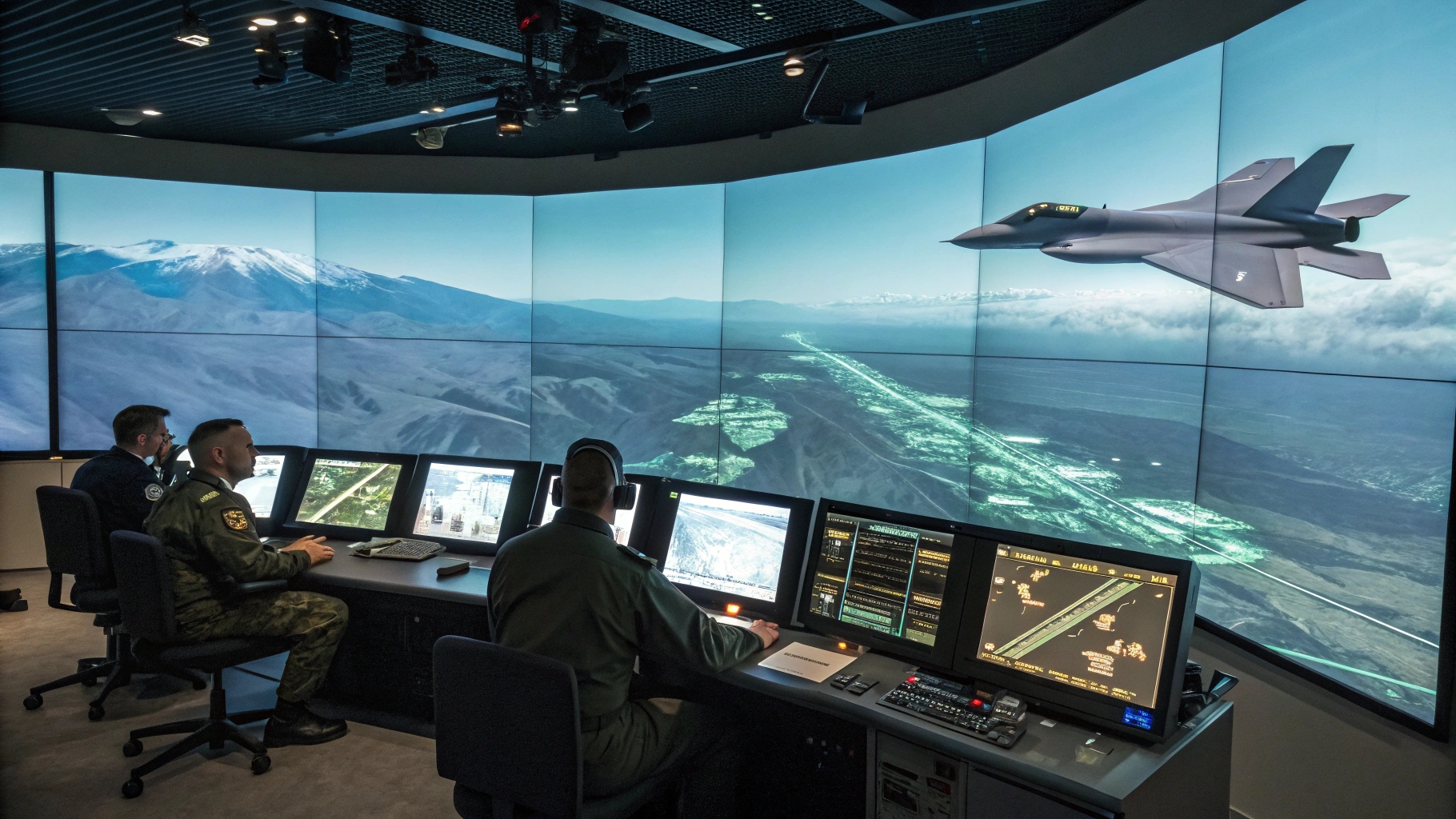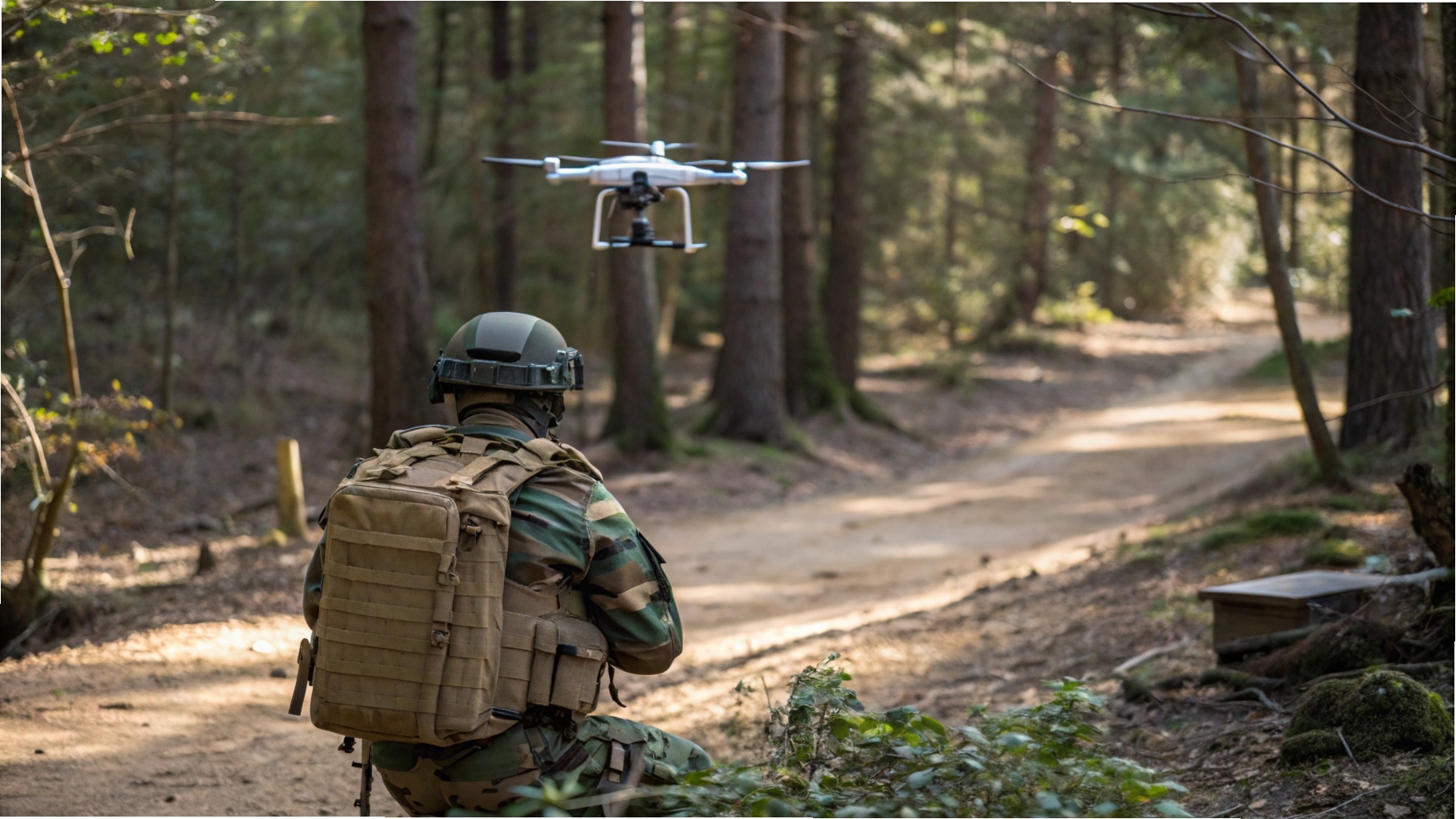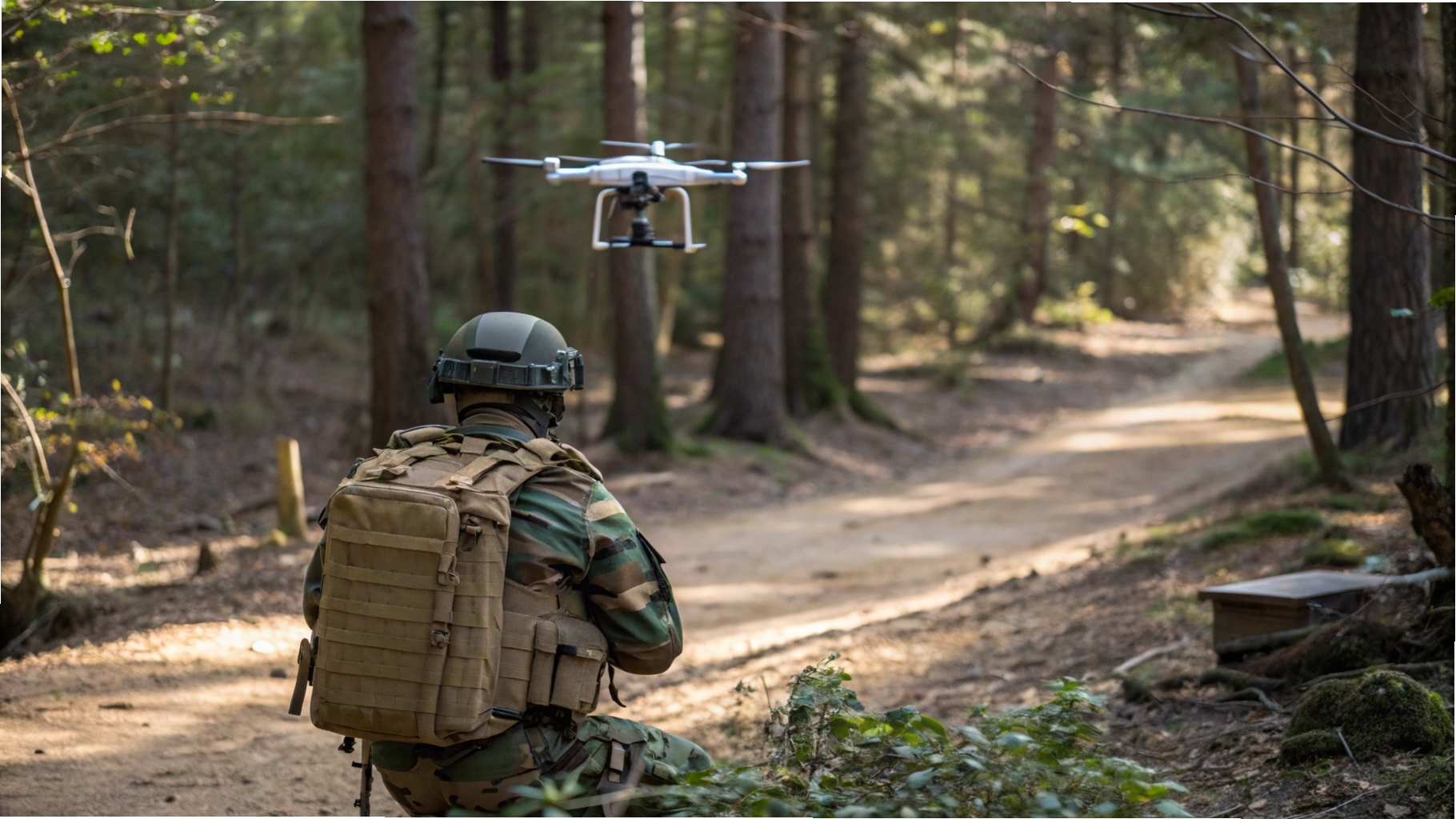

India is developing a multi-layered border security architecture that combines artificial intelligence, advanced sensors, radar systems, electronic warfare, and directed-energy weapons. These technologies are designed to work together to detect, identify, track, and neutralize intruders and hostile unmanned aerial vehicles (UAVs).
Rather than relying on individual surveillance systems, the approach integrates data from multiple sensors into a unified network. This enables faster threat detection, more accurate tracking, and quicker responses. Fibre-optic intrusion detection systems can operate alongside high-resolution cameras, infrared imaging systems, hyperspectral and multispectral sensors, radar-based surveillance, and secure communications networks.
Advanced Sensor and AI Integration
The Defence Research and Development Organisation (DRDO) is pursuing technologies that use artificial intelligence and machine learning to identify and track airborne threats. Its development roadmap includes fibre-optic sensing systems, radar-based tracking, and multispectral electro-optical and infrared sensors.
No single sensor can reliably detect and classify every type of small UAV, particularly in complex environments. To address this challenge, DRDO is combining radar, radio-frequency detection, electro-optical systems, and other sensing technologies. Data from these systems can then be processed and shared with command-and-control centers to provide a more comprehensive picture of the operational environment.
Counter-Drone and Directed-Energy Capabilities
DRDO has also demonstrated an indigenous counter-drone system capable of detecting hostile UAVs, disrupting their communications through radio-frequency (RF) jamming, and destroying them using a laser-based hard-kill mechanism.
The technology has been transferred to Bharat Electronics Limited (BEL), while other Indian companies have also been offered opportunities to participate in production and commercialization.
DRDO and BEL subsequently developed the Naval Anti-Drone System, which combines radar, electro-optical/infrared (EO/IR) sensors, and RF-based detection. The system incorporates electronic jamming as well as a laser-based hard-kill capability, allowing it to address drone threats through both soft-kill and hard-kill measures.
Sensor Fusion for Border Protection
Sensor fusion is a central element of India’s evolving border security strategy. By connecting multiple surveillance and detection technologies, security forces can build a more accurate and continuous picture of potential threats and coordinate responses through networked command systems.
This approach is particularly important along difficult and geographically challenging borders, where conventional patrols alone cannot provide continuous coverage. Similarly, isolated cameras or radar systems may have limitations when operating against small, low-signature UAVs.
To strengthen protection in vulnerable areas, DRDO has also developed laser-based fence systems designed for continuous surveillance and integrated operation with multiple sensors. These systems can be deployed to protect sensitive military installations and border regions, including areas along the Line of Control.
The integration of AI, sensor fusion, radar, electronic warfare, electro-optical surveillance, and directed-energy weapons is therefore becoming a key component of India’s efforts to build a more responsive and resilient border security architecture.